
Newest Edition Of Alan Moore’s Batman: The Killing Joke Costs Over $17,000
The Delicate Dance of Color: Why "Fixing" Comic Art Needs a Balanced Hand
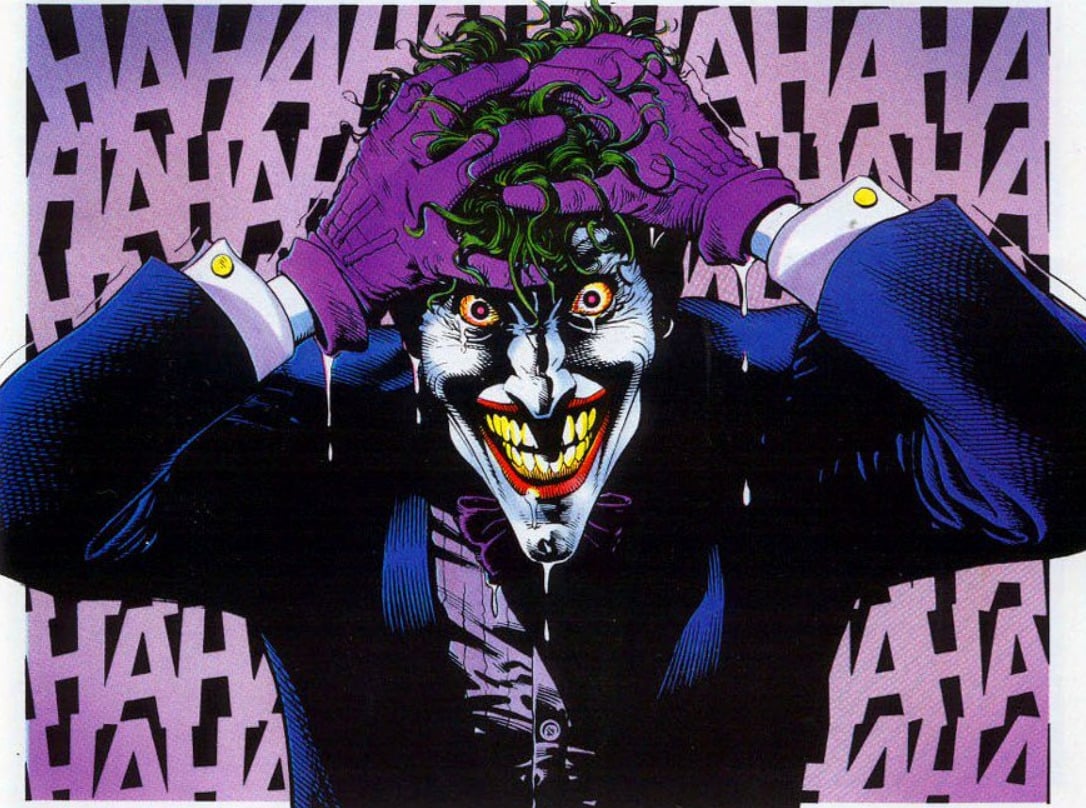
"Look, I want those colors fixed as much as the next person, but we have to be reasonable." This simple statement, often heard in discussions among comic book fans and art enthusiasts, perfectly encapsulates a long-standing, passionate, and sometimes contentious debate within the world of sequential art. It's a conversation that touches upon everything from artistic intent and historical preservation to technological advancement and evolving aesthetic tastes. The image above, from what appears to be a crucial moment in a classic narrative, immediately brings to mind the profound impact color has on our perception and emotional connection to a story. But what does it truly mean to "fix" colors, and where do we draw the line between respectful restoration and unnecessary revision? This isn't just about making things look "better" in a modern sense; it's about navigating a complex landscape of creativity, commerce, and cultural legacy.
For decades, comic books have been a vibrant tapestry of storytelling, where intricate line art comes alive through the strategic application of color. From the bold primary hues of the Golden Age to the subtle, atmospheric palettes of contemporary graphic novels, color plays an indispensable role. It sets the mood, distinguishes characters, guides the reader's eye, and can even convey underlying emotional states without a single word of dialogue. Think about the iconic visual language of your favorite heroes – Superman's blue and red, Batman's dark cowl against the shadows, the Hulk's unmistakable green. These aren't just arbitrary choices; they are fundamental elements of their identity, deeply ingrained in our collective consciousness. When these colors, for whatever reason, appear "wrong" or "dated," it can be jarring for fans, sparking a desire for correction.
The Evolution of Color in Comics: From Limitation to Liberation
To understand the complexities of "fixing" comic book colors, we must first appreciate the journey of coloring itself. In the early days of comic publishing, color was a utilitarian process, severely constrained by the printing technology of the time. The standard four-color process (cyan, magenta, yellow, black – CMYK) meant that colorists worked with a limited palette, often using flat, primary tones to make the artwork pop on cheap newsprint. Nuance was difficult to achieve, gradients were rare, and errors in registration were common. Colorists were often anonymous, working quickly under tight deadlines, their artistry sometimes overshadowed by the technical limitations. Despite these constraints, pioneering colorists managed to imbue these early comics with an undeniable energy and charm that defines their era. For an insightful look into this history, you might explore resources like Comics Alliance's historical overview of comic coloring.
As printing technology advanced, so did the sophistication of comic book coloring. The Bronze Age saw a greater emphasis on atmospheric effects and more varied palettes, though still largely bound by traditional methods. The real revolution, however, came with the advent of digital coloring in the late 1980s and early 1990s. Suddenly, colorists had access to an almost infinite spectrum of colors, precise blending tools, and the ability to create complex lighting and textural effects that were previously unimaginable. This shift transformed comic art, allowing for a level of visual fidelity and realism that brought a new dimension to storytelling. It also opened the door to revisiting older works with a modern eye, leading to the desire – and the debate – around recoloring and remastering.
The Fan's Plea: Why We Want Colors "Fixed"
The yearning to "fix" colors often stems from several understandable motivations. Firstly, there's the perception of technical flaws: misregistered colors, muddy tones, or inconsistencies that were byproducts of older printing processes. Fans, especially those encountering classic stories for the first time in high-definition digital formats, might find these imperfections distracting. They envision how a story, already brilliant in its narrative and line art, could shine even brighter with a cleaner, more vibrant presentation. The argument is often made that if the original creators had access to today's technology, they would have certainly opted for a superior visual experience, and therefore, an update is merely fulfilling their unreached potential.
Secondly, aesthetic preferences evolve. What might have been considered cutting-edge coloring in the 1970s or 80s might look dated or even jarring to a contemporary audience. Modern digital coloring often employs a wider range of hues, subtle gradients, and sophisticated lighting effects that can make older, flatter coloring seem simplistic by comparison. For newer readers, an updated color palette can make classic stories more accessible and visually engaging, bridging the gap between historical art styles and contemporary expectations. This perspective often highlights the role of presentation in keeping classic works relevant and appealing to new generations, crucial for the longevity of any artistic medium.
Finally, there's the desire for an "ultimate edition" – a definitive version of a beloved story that incorporates all available improvements. When a publisher announces a deluxe, remastered edition of a seminal work, fans often hope for a complete overhaul that addresses perceived visual shortcomings. They might point to specific panels, like the one featuring "Killingjoke," and imagine how a different color scheme could enhance the mood, deepen the shadows, or make an explosion more impactful. This isn't always about outright changing artistic intent but rather optimizing the presentation to match the grandeur of the narrative itself.
The Creator's Quandary: Artistic Intent vs. Modern Sensibilities
However, the desire to "fix" colors enters a far more complex territory when we consider the perspective of the creators and the sanctity of artistic intent. The colors chosen by the original colorist, even if constrained by technology, were often deliberate artistic decisions. They were part of a cohesive vision, working in concert with the penciler and inker to tell a story in a specific way. Altering these colors, even with the best intentions, can fundamentally change the mood, emphasis, and even the narrative impact of a scene. A muted palette might have been chosen to evoke despair, while vibrant colors conveyed excitement. Replacing these with a modern, glossy finish could inadvertently strip the art of its original emotional resonance.
Many artists and purists argue that the original presentation is part of the work's historical context. Just as we wouldn't arbitrarily repaint a classic oil painting to suit modern tastes, they contend that older comic art should be preserved in its original form, warts and all. The imperfections – the slight misregistrations, the limited color schemes – are not merely flaws but authentic markers of a particular era of art and publishing. Changing them erases a piece of that history and potentially disrespects the original labor and creative choices of the artists involved. This viewpoint champions the idea of art as a historical artifact, valuable for its untouched authenticity, rather than a continually evolving canvas. You can often find fascinating discussions on this topic in artist interviews, such as those featured on CBR's Artist Spotlight section.
Furthermore, there's the practical and ethical "can of worms" argument. If you start "fixing" colors in one classic, where do you stop? Which works deserve an update, and who decides what constitutes an "improvement"? The subjective nature of aesthetics means that what one person considers a fix, another might see as a detriment. This can lead to an endless cycle of revisions and fan dissatisfaction, as no single "perfect" version might ever satisfy everyone. Publishers also face significant costs and labor in undertaking extensive recoloring projects, raising questions about resource allocation and whether such efforts truly add value or simply cater to a vocal minority.
Finding the Balance: The "Reasonable" Approach
So, how do we reconcile these conflicting desires? The key lies in the word "reasonable." Being reasonable means acknowledging the validity of both sides of the argument and seeking solutions that honor both artistic heritage and contemporary appreciation. One widely accepted approach is to distinguish clearly between true restoration and artistic revision. Restoration typically involves cleaning up original scans, correcting printing errors where they clearly deviate from intent (e.g., misaligned plates), and enhancing clarity without altering the fundamental color choices or palette. This is akin to cleaning a historical document without rewriting its content.
Artistic revision, on the other hand, involves a more significant departure from the original, often resulting in entirely new color schemes or advanced lighting. When such revisions are undertaken, transparency is paramount. Publishers should clearly state that a new edition features "remastered" or "recolored" art, indicating that it's a new interpretation rather than a strict restoration. Even better, offering multiple editions – one with original, untouched coloring and another with a modern recoloring – can satisfy both purists and those who prefer a contemporary aesthetic. This provides choice to the consumer, allowing them to engage with the art in the way they prefer, respecting diverse preferences. For examples of how different editions handle this, you might look at publisher archives like DC Comics' News Archive which sometimes details such releases.
A great example of this delicate balance can be seen in the various editions of Alan Moore and Brian Bolland's *The Killing Joke* itself. Brian Bolland famously recolored his own work for a later deluxe edition, moving away from the flatter, more vibrant original colors to a darker, more muted, and atmospheric palette. This was a creator-driven revision, and while some fans prefer the original, others embrace Bolland's updated vision. The crucial element here is that both versions exist, allowing readers to choose. This situation perfectly illustrates the complexities and subjective nature of color in comics – even the original artist might revisit their own work with a fresh perspective years later. It raises the question: if the original artist "fixes" their own colors, is it still a fix or a new iteration?
The Role of Digital Preservation and Accessibility
In the digital age, the conversation about color has taken on new dimensions. Digital archives and online comic platforms make it easier than ever to access vast libraries of comics, both old and new. This accessibility comes with a responsibility to present these works faithfully. Digital scans of older comics can often highlight the imperfections of vintage printing, making the desire for "fixes" even stronger. However, digital tools also offer unprecedented opportunities for true preservation, allowing for meticulous cleaning and restoration of original files without altering artistic choices.
Publishers and digital archivists must walk a fine line, ensuring that classic comics are available in their most authentic form, while also considering how to present them appealingly to modern audiences. This might involve creating high-resolution digital masters that meticulously reproduce the original printed colors and textures, preserving the historical artifact. Alongside this, they could offer optional "enhanced" versions that apply modern coloring techniques, clearly differentiated from the original. This dual approach ensures that the integrity of the original art is maintained for scholarly and historical purposes, while also making the narratives more visually digestible for new readers who might otherwise be put off by perceived "old-fashioned" aesthetics.
Embracing the Imperfections: The Beauty of Historical Context
Ultimately, a "reasonable" perspective also involves embracing the imperfections that are inherent to historical art. The slight off-registrations, the limited color palettes, and the occasional printing anomaly are not necessarily flaws to be eradicated but rather unique characteristics that tell a story about the era in which the comic was created. They remind us of the technological constraints, the artistic ingenuity required to overcome them, and the evolution of the medium itself. Just as we appreciate the grainy texture of an old film or the subtle brushstrokes on a canvas, there's a certain beauty in the authentic look of a vintage comic.
These "imperfections" can evoke a powerful sense of nostalgia for long-time readers, transporting them back to a specific time and place. For new readers, they offer a window into the past, providing context for the creative and technical achievements of earlier generations of artists and colorists. To strip away these elements completely in pursuit of a uniform, modern aesthetic would be to lose a valuable part of the cultural and artistic heritage of comic books. It's a reminder that art isn't always about pristine perfection, but often about the raw, unpolished expression of creativity within the confines of its time.
The Ongoing Dialogue: Community and Collaboration
The debate around "fixing" comic book colors is a testament to the passion of the comic book community. It highlights how deeply invested readers are in the visual presentation of their beloved stories and characters. This ongoing dialogue between fans, creators, and publishers is vital for the health and evolution of the medium. Forums, social media discussions, and dedicated comic art blogs (like Comic Art Community Forums) regularly feature these spirited exchanges, demonstrating the diverse viewpoints that contribute to the rich tapestry of comic fandom.
For publishers, engaging with this dialogue can provide valuable insights into fan expectations and preferences. For creators, it offers a chance to reflect on their own work and the legacy they leave behind. And for fans, it's an opportunity to articulate their appreciation for the art form, advocating for what they believe best serves its future. The challenge, as always, is to listen to all voices while maintaining a clear vision that respects the integrity of the artwork and the intent of its creators.
Conclusion: A Respectful Path Forward
So, when we look at an image like the one provided, perhaps from a pivotal moment in a story like *The Killing Joke*, and the thought "I want those colors fixed" crosses our mind, let's remember the second part of that statement: "but we have to be reasonable." Reasonableness in this context means acknowledging the profound history of comic book coloring, respecting the original artistic intent, understanding the limitations and triumphs of past technologies, and making thoughtful, transparent decisions about how we present these works today.
Whether through meticulous restoration, carefully considered creator-driven revisions, or by offering multiple editions, the goal should always be to honor the art and its creators while making these incredible stories accessible and appreciated by new generations. The vibrant world of comic books thrives on its visual impact, and by approaching the topic of color with both passion and prudence, we can ensure its legacy continues to shine for years to come. Ultimately, the colors we see on the page are more than just pigments; they are the heart and soul of the narrative, deserving of our thoughtful consideration and deepest respect.
from Kotaku
-via DynaSage
