
macOS 27: Two More Changes Leaked Ahead of WWDC Next Month
Get Ready for macOS 27: Design Tweaks and Smart Safari Tabs on the Horizon
Exciting news is brewing in the Apple universe! According to a recent report from Bloomberg’s well-known Apple insider, Mark Gurman, Apple's upcoming operating system for Macs, macOS 27, is set to introduce some welcome changes. Users can look forward to a "slight redesign" compared to the current macOS Tahoe, alongside a highly anticipated new feature in Safari: an option to automatically organize your browser tabs. These updates promise to refine the user experience, making your Mac even more intuitive and efficient. Let's dive into what these rumors mean for the future of macOS and how they might improve your daily digital life.
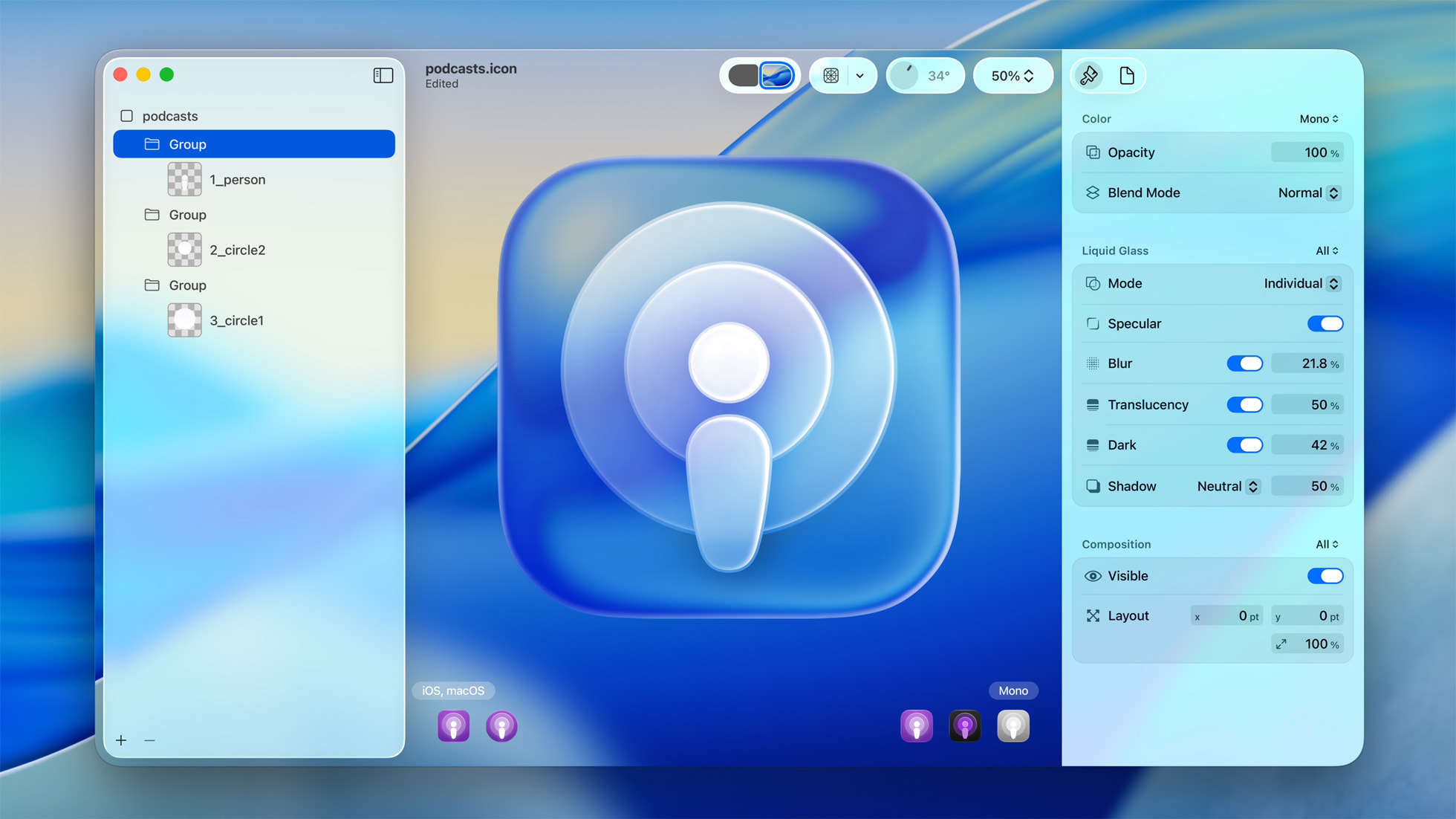
A Fresh Look for macOS 27: Addressing Design Feedback
Apple has always been celebrated for its commitment to design, striving for a perfect blend of aesthetics and functionality. Each new version of macOS brings its own visual identity, evolving from the playful Aqua interface of early macOS to the more refined, modern looks of recent years. However, even Apple's designs can sometimes face criticism, and it appears macOS Tahoe's "Liquid Glass" interface might have had some areas for improvement. Mark Gurman, in his latest Power On newsletter, suggests that macOS 27 will introduce design changes specifically to address these concerns.
Understanding the "Liquid Glass" Interface of macOS Tahoe
While macOS Tahoe is a future release in our current timeline, within the context of these rumors, it represents the version preceding macOS 27. The "Liquid Glass" description hints at a design language that likely emphasized translucency, depth, and perhaps a glossy finish, aiming for a visually rich and immersive experience. Such an interface could employ significant use of blur effects, shadows, and animated elements that mimic the qualities of glass and liquid. Imagine windows and menus with semi-transparent backgrounds, allowing glimpses of the desktop or applications behind them, and elements that seem to float with subtle shadows, creating a sense of depth.
However, ambitious design can sometimes come with trade-offs. Gurman notes that the design changes in macOS 27 are intended to "address some of the criticism surrounding macOS Tahoe's new Liquid Glass interface." One of the primary goals is to "improve overall readability." This suggests that while visually striking, the "Liquid Glass" look might have inadvertently made text harder to read, or user interface elements less distinct. Excessive transparency or complex background effects can sometimes interfere with how quickly and easily users can process information on their screen, leading to eye strain or a less productive experience.
Refining the Visuals: What "Slight Redesign" Implies
Gurman specifically mentioned that Apple aims to "address the shadows and transparency quirks." This provides a clearer picture of where the adjustments might occur. "Shadows" are crucial for creating depth and distinguishing elements in a modern user interface, but if overdone or inconsistently applied, they can become distracting or create visual clutter. For instance, shadows that are too dark, too prominent, or applied to too many elements can make the interface feel heavy or less crisp. A "quirk" might refer to instances where shadows appear incorrectly, or conflict with the overall visual hierarchy.
Similarly, "transparency quirks" point to issues with how translucency is implemented. While transparency can be elegant, allowing users to maintain context by seeing content behind active windows, it must be balanced carefully. If the background content is too busy, or the blur effect not strong enough, text and icons on transparent surfaces can become difficult to read. Inconsistent application of transparency—where some elements are clear, others blurry, and some opaque without clear design logic—could also be perceived as a "quirk."
A "slight redesign" doesn't suggest a revolutionary overhaul, but rather a thoughtful refinement. We might see changes like:
- **Improved Contrast:** Adjustments to background blurs, text colors, and icon outlines to ensure better legibility against various wallpapers and active content.
- **Subtler Shadows:** Softer, more refined shadows that enhance depth without overwhelming the visual field. Perhaps shadows will be used more sparingly or with greater precision.
- **Consistent Transparency:** A more uniform and predictable approach to transparency across the system, ensuring that it enhances the user experience rather than detracting from readability. This could involve stricter guidelines for blur levels, saturation, and vibrancy.
- **Clearer Iconography:** While not directly mentioned, design tweaks often come with updated icons that align with the refined aesthetic, ensuring they remain instantly recognizable and easy to differentiate.
These seemingly minor adjustments can have a profound impact on daily usability. A clearer, more readable interface reduces cognitive load, minimizes eye fatigue, and allows users to focus on their tasks rather than struggling with visual ambiguity. Apple's attention to these details underscores its commitment to delivering a polished and user-friendly operating system that truly enhances productivity and enjoyment.
Safari Gets Smart: AI-Powered Tab Organization
One of the most common challenges for anyone who spends significant time online is managing an ever-growing number of browser tabs. Whether you're researching a complex project, shopping for multiple items, or simply browsing various news sites, it's easy for your browser to become a chaotic sea of open pages. This "tab overload" can slow down your browser, make it nearly impossible to find specific information, and even hinder your focus. Fortunately, macOS 27, along with iOS 27 and iPadOS 27, appears to be bringing a sophisticated solution to this problem: an AI-powered feature in Safari that can automatically organize your tabs.
The Universal Problem of Tab Overload
Before diving into the solution, it's worth acknowledging the problem. Modern web browsing often involves juggling dozens, if not hundreds, of tabs. Users open new tabs for articles they want to read later, products they might buy, research material, social media feeds, and much more. Quickly, the tab bar becomes a dense collection of tiny favicons, making it difficult to discern one tab from another without hovering over each one. This inefficiency impacts productivity and can be a source of frustration for many users.
Safari, like other modern browsers, already offers manual tab grouping, allowing users to manually categorize their open pages into named groups (e.g., "Work," "Personal," "Shopping"). While useful, this feature requires active management from the user, and many people simply don't take the time to organize their tabs manually.
Introducing Intelligent Tab Grouping
The new feature, previously revealed by MacRumors, takes tab management to the next level by integrating artificial intelligence. Mark Gurman describes it as an "AI-powered Safari feature that can automatically organize browser tabs into groups." This is a significant step forward, moving from manual organization to smart, proactive assistance.
So, how might this AI work? The system would likely analyze the content of your open tabs, examining factors such as:
- **Website Domains:** Grouping all tabs from a specific website (e.g., all tabs from macrumors.com into a "News" group).
- **Page Content and Keywords:** Identifying common themes or topics across multiple tabs. For example, tabs discussing "iPhone 18 rumors," "Apple Watch Ultra 3," and "macOS 27 features" could be grouped under "Apple News & Rumors."
- **User Browsing Habits:** Over time, the AI could learn your personal patterns. If you frequently open tabs related to "cooking recipes" and "gardening tips" together, it might suggest a "Home & Leisure" group.
- **Active Applications:** If you're working on a document in Pages and simultaneously opening research tabs, the AI might infer a connection and suggest grouping them into a project-specific category.
Gurman's report gives us a peek into the user interface for this feature, stating, "I'm told that in test versions of iOS 27, the center-top button that users can tap to move between their tab groups has a new option called 'Organize Tabs.'" This indicates a clear entry point for the feature, likely integrated directly into the existing tab group interface. Crucially, he adds, "You can choose whether you want the grouping to occur automatically or not." This user choice is vital, ensuring that while the AI offers powerful assistance, users retain full control over their browsing experience. Some users might prefer the hands-off convenience of automatic grouping, while others might opt for a more curated, manual approach, or use the AI as a suggestion engine rather than a strict enforcer.
Benefits and Implications
The introduction of AI-powered tab grouping offers numerous benefits:
- **Enhanced Productivity:** By automatically organizing related tabs, users can quickly jump between different tasks or research topics without having to hunt for specific pages. This reduces mental friction and allows for greater focus.
- **Reduced Clutter:** A cleaner tab bar means less visual noise and a more streamlined browsing experience. It helps declutter the digital workspace.
- **Improved Information Retrieval:** When you're looking for a tab you opened last week, having it logically categorized by the AI will make it much easier to locate.
- **Cross-Device Consistency:** The fact that this feature is expected across macOS 27, iOS 27, and iPadOS 27 highlights Apple's commitment to a seamless ecosystem. Your intelligently organized tab groups will sync across all your Apple devices, ensuring a consistent and efficient browsing experience whether you're on your Mac, iPhone, or iPad. This continuity is a hallmark of Apple's platform integration and is a huge benefit for multi-device users.
Apple's Approach to AI and Privacy
Given that this is an AI feature that processes your browsing data, privacy will undoubtedly be a key consideration. Apple has a strong track record of emphasizing user privacy, often implementing AI features with on-device processing to minimize data collection and transmission to external servers. It is highly probable that Safari's AI tab organization will leverage on-device machine learning, meaning your browsing habits and tab content are analyzed directly on your Mac, iPhone, or iPad, without being sent to Apple's servers. This approach allows users to benefit from intelligent features while maintaining control and privacy over their personal data.
This intelligent tab management positions Safari as a highly competitive browser, offering features that go beyond basic browsing to genuinely enhance user workflow. It's a clear indication of Apple's broader strategy to integrate advanced AI capabilities across its entire software ecosystem, making devices smarter and more helpful without compromising user privacy.
The Road to macOS 27: WWDC 2026 and Beyond
These exciting new features for macOS 27 are expected to be unveiled at one of Apple's most anticipated annual events: the Worldwide Developers Conference (WWDC). This conference serves as a critical platform for Apple to showcase its latest advancements in software and technologies, primarily to its vast community of developers, but also to eager users around the globe.
WWDC 2026: The Grand Reveal
Apple will officially unveil macOS 27 during its WWDC 2026 keynote address, scheduled for Monday, June 8. The keynote is typically a high-energy presentation where Apple executives introduce the major operating system updates for iPhone (iOS), iPad (iPadOS), Apple Watch (watchOS), Apple TV (tvOS), and, of course, Mac (macOS). It's a moment of immense anticipation, where developers and users alike get their first comprehensive look at the new features, design changes, and underlying technologies that will shape their Apple experience for the coming year.
For macOS 27, we expect to see a detailed demonstration of the "slight redesign," highlighting how it improves readability and addresses the "Liquid Glass" quirks. The AI-powered Safari tab grouping feature will likely be a significant part of the presentation, showcasing its intelligent capabilities and how it integrates seamlessly into the browsing experience across all Apple platforms. Beyond these specific rumors, WWDC 2026 will undoubtedly reveal a host of other enhancements, performance improvements, and possibly entirely new applications or services for macOS.
The Beta Journey: From Developers to Public
Following the WWDC keynote, Apple typically releases the first developer beta of its new operating systems almost immediately. This allows developers to get their hands on the software early, test their applications against the new APIs and features, and provide crucial feedback to Apple. Developer betas are often rough around the edges, prone to bugs, and not recommended for everyday use on primary devices. They are an essential part of the software development cycle, ensuring that when the final version is released, the ecosystem of third-party apps is ready.
After a few weeks or a month, Apple usually follows up with a public beta program, which typically starts in July. The public beta allows a wider audience of enthusiastic users to test the upcoming software. While still considered beta software and potentially containing bugs, public betas are generally more stable than the initial developer releases. Participating in the public beta gives users a sneak peek at the new features and provides Apple with an even broader range of feedback from real-world usage scenarios. It's a great way for users to influence the final product, but it’s always wise to back up your device before installing any beta software.
The Grand Release: macOS 27 for Everyone
After several months of intensive beta testing, incorporating feedback from both developers and public testers, Apple usually releases the final, stable version of macOS to all users in September. This is when macOS 27 will become available as a free software update for compatible Macs. By then, the software will have undergone extensive refinement, bug fixes, and performance optimizations, ensuring a smooth and reliable experience for the millions of Mac users worldwide.
The release of macOS 27 in September will mark the culmination of nearly a year of development, from initial design concepts to public availability. It represents Apple's ongoing commitment to evolving its core operating system, bringing new capabilities, refining existing ones, and addressing user feedback to create a consistently improving and highly capable platform.
Beyond the Rumors: What Else to Expect
While the design refinements and AI-powered Safari tabs are significant, macOS 27 will undoubtedly bring a multitude of other improvements. We can anticipate further integration of Apple's broader "Apple Intelligence" platform, which is expected to infuse AI across various system functionalities. This could include smarter search, enhanced dictation, more intelligent photo and video editing capabilities, and potentially new productivity tools that leverage machine learning to make tasks easier and more efficient.
Continuity features, which seamlessly connect your Mac with your iPhone and iPad, are always a focal point for updates. We might see new ways for devices to interact, share information, or even extend their functionalities across the ecosystem. Performance enhancements, security updates, and improvements to built-in applications like Mail, Messages, and Photos are also standard expectations for any major macOS release.
The focus on readability and intelligent organization in macOS 27 reflects Apple's dedication to creating a computing experience that is not only powerful and beautiful but also genuinely user-friendly and efficient. These updates underscore Apple's commitment to making technology work smarter for its users, allowing them to achieve more with less effort.
Conclusion: The Future of macOS Looks Bright
The rumors surrounding macOS 27 paint an exciting picture for Mac users. The anticipated "slight redesign" aims to refine the visual experience, addressing potential issues with readability and consistency in macOS Tahoe's "Liquid Glass" interface. By tweaking shadows and transparency, Apple seeks to create a more comfortable and efficient environment for daily use. Simultaneously, the introduction of AI-powered tab organization in Safari promises to revolutionize how we manage our browser tabs, bringing much-needed intelligence to a common digital headache. This feature, expected across macOS 27, iOS 27, and iPadOS 27, highlights Apple's growing commitment to integrating practical artificial intelligence across its ecosystem while maintaining its strong stance on user privacy.
As we approach WWDC 2026 on June 8, the anticipation for these and many other unannounced features will only grow. The journey from keynote to final release in September, through developer and public betas, is a testament to Apple's meticulous development process. macOS 27 is shaping up to be an update that not only enhances the aesthetics of your Mac but also significantly boosts your productivity through smarter, more intuitive tools. Get ready to experience a more refined, intelligent, and user-friendly macOS later this year!
Related Reading: Apple to Unveil macOS 27 Next Month With These New Features
This article, "macOS 27: Two More Changes Leaked Ahead of WWDC Next Month" first appeared on MacRumors.com
Discuss this article in our forums
from MacRumors
-via DynaSage
