
Legendary Nintendo Designer Takashi Tezuka Retires After 42 Years Of Working On Mario, Zelda, And More
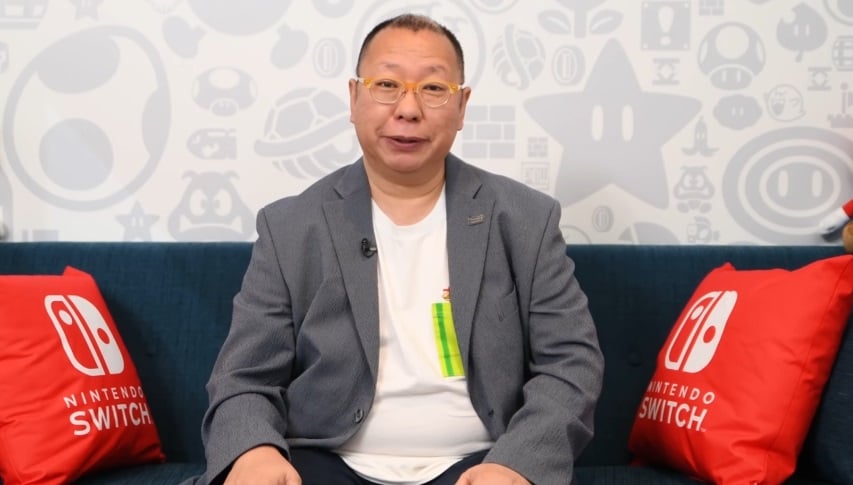
A Gaming Legend Steps Down: Takashi Tezuka's New Chapter at Nintendo
In the ever-evolving world of video games, few names carry as much weight and recognition as those behind the most beloved characters and franchises. One such titan is Takashi Tezuka, a creative genius whose influence has shaped the landscape of gaming for decades. Known by millions as a co-creator of the iconic green dinosaur, Yoshi, and a pivotal figure in the development of groundbreaking series like Super Mario Bros. and The Legend of Zelda, Tezuka has been a cornerstone of Nintendo's success. Recent news indicates a significant shift in his long and illustrious career: Takashi Tezuka will be stepping down from his role as an Executive Officer at the renowned Japanese firm, Nintendo. This announcement marks a new chapter for one of gaming's true pioneers, prompting reflection on his incredible contributions and what this transition might mean for the future of Nintendo.
While Tezuka is transitioning out of an executive role, it's important to understand that this does not signify a complete departure from Nintendo. Instead, it suggests a potential refocusing of his responsibilities, possibly towards a more dedicated advisory or creative capacity, allowing new leadership to emerge in the company's executive ranks. This shift is a natural part of the lifecycle for long-standing corporations, enabling fresh perspectives while retaining the invaluable wisdom of its veterans. For fans and industry observers alike, this moment offers a chance to celebrate Tezuka's immense legacy and ponder the ongoing evolution of Nintendo, a company that consistently defines and redefines interactive entertainment.
Who is Takashi Tezuka? A Journey Through Gaming History
To truly appreciate the significance of Takashi Tezuka's executive transition, one must first understand the depth and breadth of his career. Born in 1960, Tezuka joined Nintendo Co., Ltd. in 1984, a crucial period for the company. The video game industry was in recovery after the North American crash of 1983, and Nintendo was poised to launch its groundbreaking Family Computer, known as the Famicom in Japan and later as the Nintendo Entertainment System (NES) worldwide. From the outset, Tezuka found himself working alongside some of the industry's most visionary minds, including Shigeru Miyamoto, the legendary creator of Mario and Zelda. This partnership would forge some of the most influential video games ever made.
Tezuka's early work at Nintendo quickly established him as a designer with an exceptional eye for detail, intuitive gameplay, and character development. His creative fingerprints are visible on games that are now considered timeless classics. He often served as a director, designer, or producer, playing a hands-on role in crafting the experiences that captivated millions. His ability to blend challenging gameplay with charming aesthetics and accessible mechanics became a hallmark of Nintendo's golden age. This blend of creativity and technical insight positioned him not just as an artist, but as an architect of interactive worlds.
His collaborative spirit and deep understanding of what makes a game fun were evident from his very first projects. Tezuka was instrumental in defining the visual language and gameplay mechanics that would become synonymous with Nintendo. His involvement in early titles laid the groundwork for entire genres, demonstrating a remarkable foresight into the potential of video games as a storytelling and entertainment medium. His leadership style, often described as collaborative and supportive, helped foster a creative environment where ideas could flourish and be meticulously refined into polished products.
The Genesis of Yoshi: A Beloved Companion
Perhaps one of Takashi Tezuka's most iconic contributions is the co-creation of Yoshi, the lovable dinosaur steed who first appeared in 1990's Super Mario World on the Super Nintendo Entertainment System (SNES). The idea for a dinosaur companion for Mario had been floating around Nintendo for a while, particularly championed by Shigeru Miyamoto, who envisioned Mario riding a horse-like creature. It was Tezuka, however, who took this concept and brought Yoshi to life with his distinct design and unique abilities.
Tezuka’s artistic vision shaped Yoshi into the character we know and love today. He designed Yoshi with a unique visual appeal – a friendly, bright green dinosaur with a long tongue and the ability to swallow enemies and lay eggs. This design not only made Yoshi instantly recognizable but also introduced innovative gameplay mechanics. Yoshi could eat items, flutter jump, and serve as a shield, adding entirely new layers to Mario's platforming adventures. The introduction of Yoshi significantly expanded the gameplay possibilities of the Mario series, making Super Mario World one an incredibly rich and diverse experience.
Yoshi quickly became a fan favorite, leading to his own spin-off series, including the critically acclaimed Yoshi's Island (known as Super Mario World 2: Yoshi's Island in Japan). For Yoshi's Island, Tezuka took on a more prominent role as director and producer, crafting a visually stunning and mechanically inventive game that further cemented Yoshi's place in gaming lore. This game pushed the boundaries of the SNES hardware, featuring a unique crayon-like art style and innovative gameplay centered around protecting Baby Mario. Yoshi's Island showcased Tezuka's ability to not only create a character but also build an entire gaming universe around them, demonstrating his range and creative prowess.
The success of Yoshi is a testament to Tezuka's ability to create characters that resonate with players of all ages. Yoshi embodies helpfulness, loyalty, and a touch of whimsy, characteristics that have made him a permanent fixture in the Nintendo pantheon. From his humble beginnings as a rideable character, Yoshi has grown into a franchise star, a testament to the enduring appeal of Tezuka's original design and subsequent development.
Beyond Yoshi: A Maestro's Touch on Iconic Franchises
While Yoshi remains a prominent part of his legacy, Takashi Tezuka's influence extends far beyond the friendly dinosaur. He played crucial roles in the development of numerous other seminal Nintendo titles, shaping the direction and design of some of the most important video game franchises in history.
Super Mario Bros. and The Legend of Zelda
Tezuka's involvement in the original Super Mario Bros. (1985) as a designer was pivotal. He helped define the very essence of side-scrolling platformers, contributing to level design, enemy patterns, and the overall feel of the game that set the standard for generations to come. His knack for creating memorable environments and engaging challenges was evident from the start. Following this, he co-directed Super Mario Bros. 3, a game often cited as one of the greatest of all time, which introduced beloved power-ups like the Tanooki Suit and refined the world map concept.
Simultaneously, Tezuka also lent his creative talents to the birth of another legendary series: The Legend of Zelda (1986). As a designer and writer, he helped craft the mystical world of Hyrule, its intricate dungeons, and the timeless adventure of Link. He co-directed the highly influential A Link to the Past for the SNES, a game that perfected the top-down action-adventure formula and established many conventions that persist in the Zelda series to this day, including its innovative two-world mechanic. His ability to switch between the fast-paced action of Mario and the expansive exploration of Zelda speaks volumes about his versatility as a game designer.
Animal Crossing and Other Ventures
In later years, Tezuka continued to contribute significantly, often taking on producer roles for major projects. He was instrumental in the development of the Animal Crossing series, a beloved life simulation franchise known for its charming characters, relaxed gameplay, and emphasis on community. As a supervisor and producer for multiple entries, including the global phenomenon Animal Crossing: New Horizons, Tezuka helped nurture its unique identity and enduring appeal. His oversight ensured that the series maintained its core values of gentle escapism and creative freedom, allowing it to blossom into one of Nintendo's most successful modern franchises.
His extensive credits also include working on games like Luigi's Mansion, various New Super Mario Bros. titles (which he produced), and overseeing numerous other projects within Nintendo's Entertainment Planning & Development (EPD) division. Across these diverse titles, a common thread emerges: Tezuka’s dedication to creating experiences that are accessible, joyful, and leave a lasting positive impression on players. His philosophy seems to prioritize fun and engagement above all else, ensuring that Nintendo games remain approachable while still offering depth and challenge.
Tezuka's career is a masterclass in sustained creative excellence. He possesses a rare talent for understanding the core appeal of interactive entertainment and translating that into meticulously crafted games. His consistent presence in the development of Nintendo's most cherished franchises has cemented his status as one of the most important figures in video game history. His work has not only entertained millions but has also inspired countless other game designers to push the boundaries of what is possible in interactive media.
Understanding Nintendo's Executive Officer Role
To fully grasp the weight of Takashi Tezuka stepping down from his executive officer position, it's essential to understand what this role entails within a global powerhouse like Nintendo. An Executive Officer at Nintendo is far more than just a figurehead; it’s a senior management position that carries significant responsibility for the company's strategic direction, financial performance, and overall operational success. These officers typically oversee major divisions or departments, influencing key decisions that affect everything from game development pipelines to global marketing strategies.
In Tezuka's case, as an Executive Officer and Senior Officer, General Manager of Nintendo EPD (Entertainment Planning & Development Division), his role was particularly critical. EPD is Nintendo's largest internal game development division, responsible for creating and overseeing many of Nintendo's most iconic franchises, including Mario, Zelda, Animal Crossing, Splatoon, and many more. This meant Tezuka was at the helm of the creative engine that drives much of Nintendo's global revenue and reputation. He would have been involved in approving game concepts, guiding development teams, managing budgets, and ensuring that Nintendo's high standards for quality and innovation were met across a vast portfolio of projects.
The role demands a delicate balance between creative vision and business acumen. Executive Officers must not only understand the artistic and technical aspects of game development but also have a keen awareness of market trends, consumer preferences, and the company's long-term financial goals. Their decisions can impact everything from shareholder value to the cultural relevance of Nintendo's brands. Therefore, stepping down from such a position is not merely a change in title; it signifies a shift in high-level strategic oversight and the delegation of immense responsibilities to other leaders within the organization. It often reflects a careful, planned transition designed to ensure continuity and fresh leadership while preserving institutional knowledge.
The Significance of This Transition for Nintendo
Takashi Tezuka's transition from an Executive Officer role signals a moment of careful evolution for Nintendo. While the company has not specified the exact reasons, such moves in established corporations are often part of a broader succession plan or a strategic realignment of internal resources. For a company that thrives on innovation and consistent quality, ensuring a smooth leadership transition is paramount.
This change doesn't necessarily mean a dramatic overhaul of Nintendo's creative direction. Nintendo is known for its strong corporate culture and a deep bench of talented developers and producers. Many of Tezuka's colleagues and proteges, who have worked closely with him for years, are likely to step into more prominent leadership roles. This ensures that the core values and design philosophies that have defined Nintendo for decades will continue to be upheld. It allows for new voices and visions to emerge while benefiting from the foundations laid by veterans like Tezuka.
It's possible that Tezuka himself might transition into a more focused advisory or creative consultant role, free from the administrative burdens of executive management. This would allow him to dedicate more time to specific projects or mentor younger talent, leveraging his immense experience without being tied to day-to-day executive duties. Such a shift could be incredibly beneficial, allowing Nintendo to retain his invaluable insights while empowering the next generation of leaders. This kind of arrangement is common in creative industries, where seasoned masters can continue to inspire and guide without being bogged down by corporate hierarchies.
Ultimately, this transition reflects Nintendo's commitment to long-term stability and adaptation. The company has a history of navigating leadership changes successfully, always finding a way to stay relevant and innovative. The groundwork laid by individuals like Tezuka ensures that Nintendo's creative spirit and dedication to fun remain at its core, even as its internal structure evolves. This strategic approach helps Nintendo remain competitive in a fast-paced industry, proving its resilience and forward-thinking vision.
Tezuka's Enduring Legacy and Influence
Even as Takashi Tezuka steps back from his executive duties, his legacy within Nintendo and the broader gaming world is indelible. He is not merely a name on a credit roll; he is a foundational architect of modern video games. His work has influenced countless designers, inspired millions of players, and helped establish video games as a powerful and respected form of entertainment and art.
Tezuka's contributions exemplify Nintendo's core philosophy: games should be accessible, intuitive, and, above all, fun. He consistently pushed for designs that prioritized player enjoyment, whether through the joyous discovery of new power-ups in Mario, the satisfying exploration of Hyrule in Zelda, or the calming routines of Animal Crossing. His work demonstrates a deep empathy for the player experience, ensuring that every interaction felt meaningful and engaging.
His impact can be seen not just in individual games but in the very fabric of game design principles. The emphasis on clear visual communication, responsive controls, and layered gameplay that defines Nintendo titles owes much to Tezuka's influence. He helped create character archetypes and gameplay loops that have become industry standards, demonstrating how thoughtful design can transcend technological limitations and create truly timeless experiences.
Beyond the games themselves, Tezuka has been a mentor and leader within Nintendo for decades. He has fostered a collaborative environment, encouraging creativity and meticulous attention to detail. Many of today's prominent Nintendo developers have undoubtedly learned from his guidance and benefited from his discerning eye. His influence is therefore not just historical but continues to shape the future through the talent he has helped to cultivate.
Takashi Tezuka stands as a testament to the power of sustained creative vision. His journey from a young designer to an Executive Officer responsible for some of the world's most beloved entertainment properties is a story of passion, innovation, and an unwavering commitment to bringing joy to players. His name will forever be associated with the magic of Nintendo, and his creations will continue to delight and inspire for generations to come.
The Future of Nintendo: Building on a Storied Foundation
With Takashi Tezuka transitioning from his executive role, Nintendo faces the exciting challenge of continuing its tradition of innovation while embracing new leadership perspectives. The company is renowned for its resilience and ability to adapt, constantly reinventing itself and its franchises to stay relevant in a dynamic industry. The foundations laid by legends like Tezuka provide a strong base upon which new generations of talent can build.
Nintendo's Entertainment Planning & Development (EPD) division, where Tezuka held significant sway, is a hotbed of creative talent. It boasts numerous seasoned directors, producers, and designers who have grown up within Nintendo's unique development culture. These individuals are well-versed in the company's design philosophies and are poised to take on greater responsibilities. This internal strength ensures a degree of continuity, even as executive structures evolve.
The company's approach to game development often involves fostering multiple internal studios and development teams, each with a degree of autonomy but guided by overarching principles. This decentralized creative process allows for a diversity of ideas and reduces the impact of any single individual's departure from a leadership role. Nintendo's creative output is a collective effort, a symphony conducted by many talented individuals, not just a solo performance.
Looking ahead, Nintendo will likely continue to focus on innovative hardware-software integration, compelling first-party titles, and expanding its reach into new entertainment mediums, such as theme parks and animated films. The strategic moves made by its executive team, including those now stepping into more prominent roles, will shape how the company navigates technological advancements, competitive pressures, and changing consumer tastes. With a strong lineup of upcoming titles and a consistent commitment to quality, Nintendo seems well-positioned to continue its legacy of groundbreaking entertainment. The departure of an executive officer like Tezuka, while noteworthy, is part of a healthy, forward-looking corporate evolution.
Conclusion: Celebrating a Creative Icon
Takashi Tezuka's journey at Nintendo has been nothing short of extraordinary. From co-creating the beloved Yoshi to shaping the very essence of Super Mario Bros. and The Legend of Zelda, his creative genius has left an indelible mark on the world of video games. His transition from an Executive Officer position at Nintendo marks a significant moment, but it is one that allows us to reflect on a career defined by innovation, joy, and an unwavering commitment to player experience.
While the specifics of his future role may evolve, it is clear that Tezuka's influence will continue to resonate throughout Nintendo and the broader gaming industry. He has helped build a company that consistently delivers magic and has inspired countless individuals to pursue their own creative passions. As Nintendo steps into its next chapter, it does so on the strong foundation laid by visionaries like Takashi Tezuka. We wish him all the best in his new capacity and eagerly anticipate the continued impact of his remarkable legacy. The gaming world is richer for his contributions, and his creations will undoubtedly continue to bring smiles to faces for many years to come.
from Kotaku
-via DynaSage
