
Kingdom Come Studio Declines To Shut Down Rumors Its Working On A Lord Of The Rings RPG
The Unfolding Hollywood Saga: Why the Battlefield War Has Only Just Begun
The landscape of entertainment is undergoing a seismic shift, with new frontiers and battlegrounds constantly emerging. For centuries, stories flowed from oral traditions to written words, then to the stage, and eventually to the silver screen. In our modern era, the powerful, interactive medium of video games has risen to prominence, captivating billions worldwide. Now, Hollywood is not just taking notice; it's actively engaged in a fierce competition to adapt these digital sagas for film and television. Take a moment to consider this evocative image:
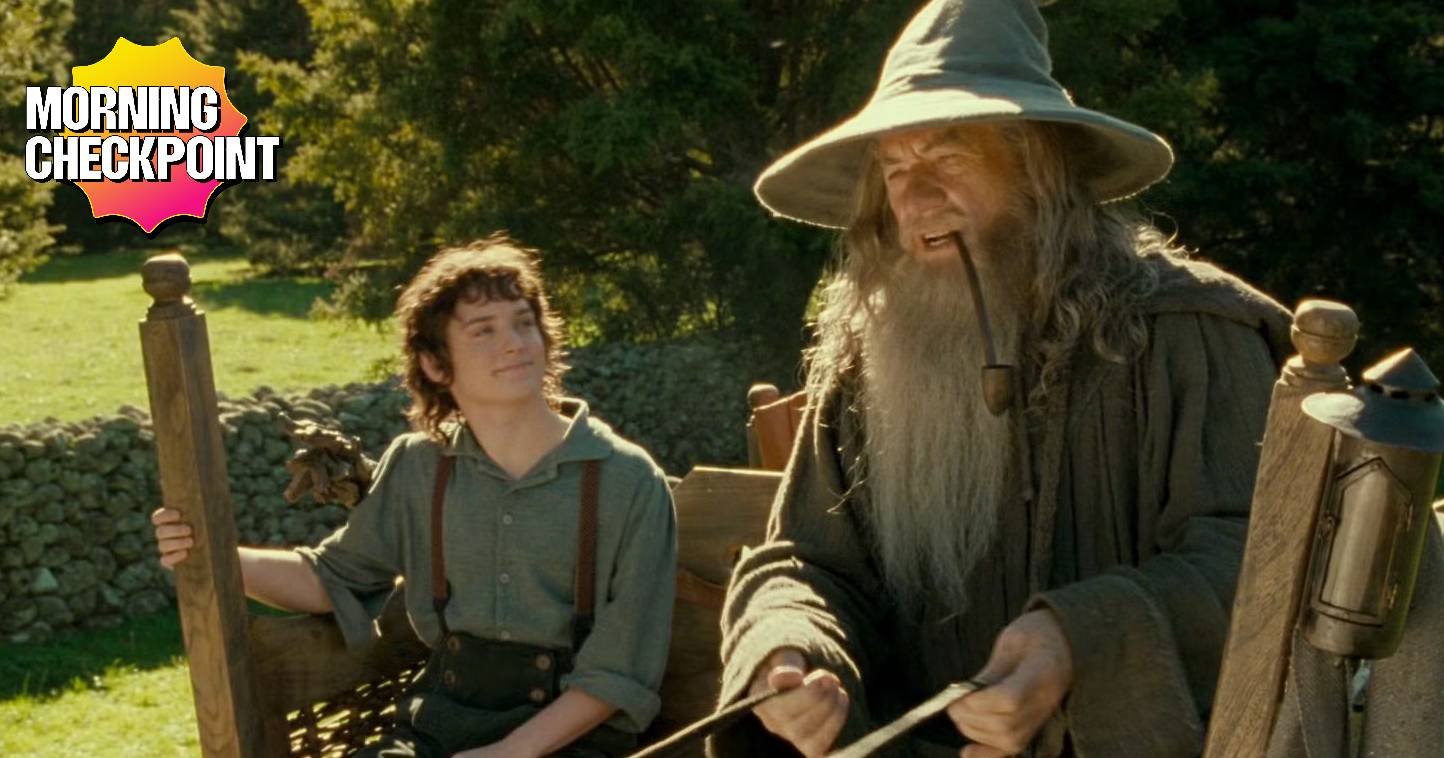
This scene, reminiscent of Gandalf and Frodo embarking on their grand, perilous quest in The Lord of the Rings, beautifully encapsulates the spirit of a new journey. It symbolizes the need for guidance, a shared purpose, and the daunting path ahead – much like the ambitious undertaking of bringing a massive, beloved video game franchise to the big screen. In this new era of adaptations, one particular name is stirring up a storm in the film industry, signaling a "Hollywood war" that, by all accounts, has only just begun: Battlefield. This article delves deep into what this unfolding conflict means, why it’s happening, and what we can expect from the unfolding saga of Battlefield's journey from pixels to prestige, exploring the many facets of this fascinating cultural convergence.
Understanding the Battlefield Phenomenon: More Than Just a Game
To truly grasp the magnitude of Hollywood's fervent interest, we must first understand the colossal entity that is Battlefield. Developed by the renowned Swedish studio DICE and published by the gaming giant Electronic Arts (EA), Battlefield isn't merely another first-person shooter; it's a global gaming phenomenon, a titan of virtual warfare. Since its groundbreaking debut in 2002 with Battlefield 1942, the series has meticulously carved out a unique and influential niche in the fiercely competitive gaming landscape, consistently delivering expansive, large-scale combat experiences that redefine the genre.
What precisely elevates Battlefield above its peers? Foremost is its unparalleled emphasis on combined arms combat. Players are never confined to the role of a mere foot soldier; they command mighty tanks, pilot agile jets, expertly crew helicopters, and navigate powerful naval vessels, all seamlessly integrated within the same sprawling, dynamic battleground. This intricate and fluid interplay of infantry, armored vehicles, aerial craft, and naval units orchestrates a chaotic yet deeply strategic environment that has captivated tens of millions of players across the globe. The sheer, epic scale of its meticulously designed maps, frequently supporting 64 or even an astonishing 128 players simultaneously, fosters an immersive sense of grand, overwhelming conflict rarely found in other titles.
Another indelible hallmark of the Battlefield experience is its revolutionary environmental destruction. From monumental skyscrapers crumbling in a hail of gunfire to vital bridges collapsing under sustained assault, the ability for players to fundamentally alter the very fabric of the map during active gameplay adds an unprecedented layer of immersion, realism, and tactical depth. A seemingly secure sniper's perch can be obliterated in an instant, a tank's robust cover systematically demolished, forcing players into a constant state of adaptation and improvisation. This dynamic destruction engine, often touted as "Levolution" in later titles, is a core pillar of the Battlefield identity and a monumental draw for its dedicated and passionate fanbase.
The series has also masterfully explored a remarkably diverse array of historical and modern settings, providing a rich narrative canvas for potential adaptations. From the muddy, brutal trenches of World War I in Battlefield 1 and the ravaged, iconic landscapes of World War II in Battlefield V, to contemporary global conflicts in Battlefield 4 and even speculative futuristic skirmishes in Battlefield 2042, each iteration introduces fresh narratives, memorable characters, and innovative ways to engage with the spectacle of large-scale combat. This rich, expansive tapestry of settings, scenarios, and historical contexts provides an almost inexhaustible treasure trove of potential storylines, characters, and thematic explorations for Hollywood to ingeniously mine.
The gameplay itself, centered around objective-based modes like Conquest, Rush, and Operations, naturally encourages teamwork and strategic thinking. Players often work within a "squad" system, choosing specialized roles such as Assault, Medic, Support, or Recon. These classes, each with unique weapons and gadgets, contribute distinct skills to the team. This emphasis on cooperation, combined with the inherent chaos of the battlefield, gives rise to legendary "Only in Battlefield" moments – unscripted, emergent events where players achieve incredible feats through skill, luck, or sheer improvisation, creating memorable stories that resonate long after the game ends. These are the kinds of epic, character-driven moments that a good Battlefield movie or Battlefield TV show could strive to replicate.
Hollywood's Growing Appetite for Video Game IP
The surging interest in Battlefield is by no means an isolated incident; it signifies a profound and much larger trend sweeping across the entertainment industry. For many years, Hollywood grappled with a rather unfortunate reputation for largely failing to successfully adapt video games into genuinely compelling films or television series. The prevailing wisdom was that games, with their inherent interactive nature and player agency, simply did not translate effectively to passive viewing experiences. However, a groundbreaking new wave of exceptionally successful adaptations has unequivocally shattered this long-held perception, unequivocally demonstrating the immense and largely untapped potential of video game intellectual property (IP).
Critically acclaimed and commercially triumphant shows like HBO's phenomenal The Last of Us, Netflix's stunning animated masterpiece Arcane (expertly based on the globally popular League of Legends), and successful feature films such as Detective Pikachu and the surprisingly charming Sonic the Hedgehog movies have collectively proven that, with the astute combination of the right creative vision, profound respect for the source material, and a willingness to understand the medium, video game adaptations can be both critically lauded and immensely profitable. These undeniable successes have fundamentally shifted Hollywood's entrenched perception of video games, transforming them from a high-risk gamble into an intensely sought-after and strategically valuable source of compelling content.
But why this sudden and dramatic shift? Firstly, video games now command a cultural footprint that is undeniably comparable to, if not often exceeding, that of traditional film and television. A blockbuster game launch can effortlessly generate billions of dollars in revenue and capture the rapt attention of hundreds of millions of players across the globe. This translates directly into an enormous, pre-existing, and passionately engaged fanbase that film studios and streaming platforms are absolutely eager to tap into. A familiar and globally recognized name like Battlefield already possesses formidable brand recognition, significantly reducing the considerable marketing hurdles typically associated with launching entirely original content.
Secondly, the art of storytelling in contemporary video games has evolved to an astonishing level of sophistication and depth. Games like Battlefield, while primarily celebrated for their robust multiplayer experiences, often feature compelling single-player campaigns that offer rich lore, deeply memorable characters, and dramatic, intricate narratives. These meticulously crafted narrative elements provide an incredibly strong foundation upon which talented screenwriters can construct intricate plots and nuanced character arcs, perfectly suitable for a compelling Battlefield movie or an epic Battlefield TV show.
Finally, the visual spectacle and technical prowess of modern video games have reached truly cinematic levels. The breathtaking graphics, hyper-detailed environments, and dynamic action sequences inherent in games like Battlefield are already strikingly akin to the visual standards and immersive experiences that audiences have come to expect from a major big-budget Hollywood production. This remarkable technological convergence makes the leap from a game engine to a film set a far less daunting and considerably more feasible prospect, providing directors with a clear, established visual blueprint and an invaluable source of inspiration to meticulously follow. Moreover, the increasing adoption of advanced game engines like Unreal Engine 5 in virtual production for film and television further blurs the lines, making the translation of digital assets and environments almost seamless. This convergence means that a Battlefield adaptation can truly look and feel like the game, rather than a watered-down imitation.
The "Hollywood War" Over Battlefield: A Multi-Front Conflict
When we speak of a "Hollywood war" over Battlefield, it's not a literal conflict involving actual weapons, but rather a metaphor for the intense, multi-faceted competition unfolding across various fronts within the entertainment industry. This strategic "war" encompasses everything from the initial, fiercely contested process of securing intellectual property rights to the delicate navigation of creative differences among diverse teams, and the immense pressure of meeting the sky-high expectations of a dedicated global fanbase. It is a complex, high-stakes dance involving powerful studios, visionary producers, acclaimed directors, talented writers, and, critically, the original game creators who possess an intrinsic understanding of the property's core essence.
Phase 1: Securing the Rights – The Bidding Battle
The inaugural skirmish in any Hollywood war over valuable intellectual property is invariably centered on acquiring the rights. Esteemed companies like EA, who hold the undisputed ownership of the incredibly valuable Battlefield franchise, possess the coveted keys to a potential goldmine of cinematic and television content. Major Hollywood studios and burgeoning streaming platforms—giants such as Warner Bros., Universal, Paramount, Netflix, Amazon, HBO, and many others—are perpetually scouring the global landscape for established IPs that boast universal appeal and widespread recognition. The tantalizing prospect of a high-octane Battlefield movie or an epic Battlefield series inevitably ignites intense bidding wars, where vast sums of money, often stretching into the tens of millions of dollars, are aggressively offered for the exclusive rights to adapt the beloved game.
These highly sensitive negotiations are frequently shrouded in layers of secrecy, involving intricate legal agreements that meticulously delineate not only who gains the privilege of making the adaptation but also the precise scope and scale of their project (e.g., whether it encompasses a single film, a multi-season television series, an animated spin-off, or a broad, interconnected franchise). Furthermore, these agreements carefully establish the level of creative input and oversight the original game developers will retain throughout the entire production process. Securing these crucial rights is the absolutely critical first step, and it is precisely here that the initial, formidable battle lines are drawn. For an intellectual property as globally recognized and financially valuable as Battlefield, this initial phase alone can prove to be a protracted, exceptionally costly, and fiercely contested affair.
Phase 2: The Creative Vision – What Story to Tell?
Once the highly sought-after rights are finally secured, the true creative "war" triumphantly begins. Battlefield is primarily renowned for its exhilarating multiplayer gameplay, which intrinsically offers emergent storytelling through the spontaneous actions of players rather than adhering to a rigidly fixed narrative. While many entries within the franchise do feature compelling single-player campaigns, these often serve as well-crafted introductions to the game's mechanics or provide fragmented, yet impactful, stories told from various perspectives across the sprawling conflict.
The monumental challenge for Hollywood is to skillfully distill the very essence of Battlefield – the monumental scale of its combat, the visceral thrill of its vehicle warfare, the pervasive destruction – into a cohesive, deeply compelling narrative that seamlessly functions as a powerful standalone film or an engaging series. Will the adaptation strategically focus on a specific historical conflict, such as the harrowing battles of World War II or the complex dynamics of the Vietnam War, drawing profound inspiration from iconic titles like Battlefield 1942 or Battlefield Vietnam? Or will it courageously tackle a more contemporary or even futuristic setting, perhaps exploring the gritty themes of Battlefield 3 or the dystopian visions of Battlefield 2042?
It is almost inevitable that different writers, directors, and producers will harbor competing, yet equally passionate, visions for the project. One creative team might envision an intense, gritty war drama, meticulously emphasizing the profound human cost of conflict and the psychological toll of battle. Another might conceive of a high-octane action spectacle, prioritizing elaborate set pieces, breathtaking explosions, and rapid-fire combat sequences. Striking a delicate yet powerful balance between honoring the game's intrinsic spirit and crafting an original, deeply engaging story specifically tailored for a new medium is a monumental and often contentious task, frequently leading to passionate debates and creative clashes that play out behind the highly secretive scenes of Hollywood production. The danger here is creating a generic war film that lacks the distinct identity and "feel" of a true Battlefield experience.
Phase 3: Fan Expectations vs. Artistic Freedom – The Minefield of Adaptation
Perhaps the most perilous and emotionally charged battlefront in this Hollywood war is the intricate challenge of managing the towering expectations of a global fanbase. The Battlefield community is undeniably vast, fiercely passionate, and possesses very specific, deeply ingrained ideas about what fundamentally constitutes the greatness of the series. Any adaptation, whether a Battlefield movie or Battlefield TV show, will be subjected to intense scrutiny, and even minor deviations from beloved lore, nuanced character portrayals, or the overall established tone can trigger significant and immediate backlash from this vocal audience.
Hollywood, it must be acknowledged, has a notorious and well-documented history of misinterpreting or mishandling video game source material, often inadvertently alienating the very demographic they initially hoped to attract. The "war" here is a delicate balancing act: providing creators with sufficient artistic freedom to forge a truly great film or television show, while simultaneously respecting and preserving the core tenets and defining characteristics that make Battlefield so iconic. This crucial endeavor necessitates a profound understanding of its signature weaponry, its intricate vehicle combat, its innovative class system, and, most importantly, those distinctive "only in Battlefield" moments of emergent, breathtaking chaos that players cherish.
Producers and showrunners must meticulously navigate this treacherous minefield with utmost care and strategic foresight, potentially involving game developers from DICE and EA in the creative process to ensure an unwavering commitment to authenticity. A truly successful Battlefield adaptation will not merely emulate the visual aesthetic of the game; it will deeply feel like the game, masterfully capturing its unique blend of strategic teamwork, visceral large-scale combat, and exhilarating, unpredictable destruction. Ignoring the voice of the fans, who are often the most dedicated consumers, can be a fatal mistake in this new era of adaptations. Social media ensures that fan reactions, positive or negative, spread globally in an instant.
Phase 4: Studio Rivalries & Market Competition – The Streaming Wars Connection
The "Hollywood war" also critically extends to the relentless competition among the myriad studios and burgeoning streaming platforms. In the current, fiercely competitive landscape, content truly reigns supreme, and established intellectual properties represent invaluable currency. If one major studio successfully secures the highly coveted rights for a Battlefield film, it can immediately trigger a domino effect, prompting rival platforms to aggressively pursue similar large-scale military shooter adaptations or even other lucrative EA franchises to bolster their own content libraries. This dynamic fosters an intensely competitive environment where studios are not only vying for the most compelling content but are also relentlessly attempting to outmaneuver each other in the perpetual race for increasing subscriber numbers and expanding global market share.
The resounding success of a Battlefield adaptation could very well pave the way for the creation of a sprawling, multi-platform franchise, potentially encompassing feature films, episodic television series, animated spin-offs, and even synergistic tie-in games. Each of these prospective projects could theoretically be helmed by entirely different studios or distinct creative teams, inevitably leading to further internal and external competition for top-tier talent, crucial production resources, and highly coveted release slots in an already saturated market. This unceasing pressure to consistently produce high-quality, impactful content fuels the ongoing, high-stakes "war" that characterizes the modern entertainment industry, where owning the next big franchise is paramount.
Phase 5: Production Challenges – Bringing Massive Warfare to Screen
Finally, the sheer logistical complexity and immense financial challenges inherent in producing a Battlefield adaptation are truly immense. The game is unequivocally synonymous with colossal battles, widespread environmental destruction, and sophisticated military hardware. Recreating this breathtaking scale and intricate detail on screen demands an enormous, often unprecedented, budget, cutting-edge visual effects that push technological boundaries, meticulously choreographed practical stunts, and an obsessive attention to every minute detail to achieve maximum authenticity.
The rigorous process of casting the right actors who can authentically embody the grit, heroism, and humanity of soldiers under extreme duress is critical. Coordinating incredibly complex action sequences involving multiple tanks, attack helicopters, fighter jets, and hundreds of extras (or their meticulously rendered CGI equivalents) is a logistical nightmare. Designing genuinely authentic and visceral combat scenarios that feel both grounded and spectacular – all these elements represent significant and multifaceted hurdles. This final, execution-focused phase of the "war" is ultimately about flawless delivery: transforming ambitious, grand-scale scripts into tangible, high-quality cinematic experiences that not only meet but exceed the game's established visual grandeur, intensity, and immersive atmosphere. Any significant misstep in this incredibly demanding area could irrevocably sink the entire project, despite all the prior efforts and investments. The balance between using CGI for spectacle and practical effects for grounding the action will be crucial, as audiences are increasingly discerning about visual authenticity in war movies.
Lessons from Other Video Game Adaptations
Hollywood's protracted journey with video games has undeniably been a steep and often painful learning curve. Early attempts at adaptation frequently faltered, either because they cavalierly disregarded the foundational source material entirely or tried excessively hard to be "cool" without a genuine understanding of the game's core appeal. However, a series of recent, resounding successes now offer invaluable lessons for any team embarking on a grand Battlefield adaptation:
- Respect the Source Material: HBO's The Last of Us is a shining example that demonstrates how faithful adaptation, even when making necessary and intelligent alterations for the new medium, resonates deeply and profoundly with both existing fans and critical audiences alike. It meticulously prioritized nuanced character development and profound emotional depth, much like the acclaimed game it was based on.
- Embrace and Expand the Lore: Netflix's Arcane masterfully illustrated that diving deeply into existing lore and thoughtfully expanding upon it can create an incredibly rich, immersive, and captivating world that successfully appeals to both newcomers and long-time aficionados of the game.
- Find the Right Tone: Films such as Detective Pikachu and Sonic the Hedgehog keenly understood the inherent lighthearted and adventurous nature of their respective games. They delivered genuinely entertaining, family-friendly experiences without ever sacrificing or compromising their core identity and charm.
- Focus on What Truly Works: The Mortal Kombat films (and games) intrinsically thrive on their signature over-the-top action, visceral combat, and distinct, memorable characters. The adaptations wisely leaned heavily into these core strengths, delivering the brutal, no-holds-barred combat that fans passionately expected and demanded.
- Avoid Common Pitfalls: Looking at less successful adaptations like *Assassin's Creed* or *Warcraft*, it's clear that a strong lore or massive budget doesn't guarantee success. Often, these projects struggled with trying to directly translate game mechanics into linear narrative, a lack of compelling, standalone character arcs for the passive viewer, or simply misunderstanding the core appeal beyond surface-level aesthetics. Films like *Doom* or early *Resident Evil* adaptations, for instance, frequently alienated fans by deviating too far or capturing the wrong essence.
For Battlefield, this rich history means understanding that its core appeal lies in its grand, sweeping scale, the dynamic chaos of battle, and the intricate interplay of different military roles and classes. An adaptation should aim to capture the exhilarating feeling of being a seemingly small, yet crucial, part of a much larger, overwhelming conflict, whether experienced through the intensely personal eyes of a single soldier or a tightly knit squad navigating the profound mayhem. It's not merely about orchestrating impressive explosions; it's about showcasing the tactical decisions, the camaraderie forged in fire, the desperate struggle for survival, and the emergent stories that arise within a sprawling, unforgiving environment.
The Future of Battlefield in Hollywood: A Long Campaign Ahead
The statement "the Hollywood war over Battlefield has only just begun" carries profound significance. It unequivocally implies that we are likely in the very nascent, early stages of what could evolve into a remarkably long, intricate, and multi-faceted campaign. This isn't merely about the production of a single film or the launch of a solitary season of a television show; it's fundamentally about the strategic establishment of a brand new, potentially expansive cinematic franchise that could rival other established universes.
It is highly plausible that we might witness multiple ambitious projects simultaneously progressing through various stages of development. Perhaps a gritty, historically inspired war drama film that meticulously explores the origins of a specific conflict from one of the classic historical games, running concurrently with a more futuristic, character-driven television series intricately inspired by the themes and settings of Battlefield 2142. The possibilities for narrative exploration are truly vast, given the incredibly diverse settings, rich historical contexts, and compelling themes that the game franchise has masterfully explored over more than two decades of its existence.
The arduous journey from successfully securing the rights to achieving a greenlit production, then through the demanding phases of filming, intricate post-production, and ultimately to a triumphant global release, can often span many years. Throughout this extended period, the "war" continues unabated, with new and unforeseen challenges inevitably emerging at every turn: stringent budget constraints, complex casting dilemmas, unanticipated directorial changes, and the ever-present, relentless pressure to deliver something truly exceptional that lives up to its immense potential. The decisive outcomes of these early battles will profoundly shape the entire future trajectory of Battlefield as a cinematic and television property, influencing its longevity, its quality, and its overall impact on the entertainment landscape.
The Broader Impact: Video Games as the New Blockbuster Frontier
The Hollywood war over Battlefield is far more than just a specific struggle over one particular IP; it serves as a compelling microcosm of a much larger, foundational shift occurring across the entire global entertainment industry. Video games are no longer a niche hobby relegated to specific demographics; they have unequivocally evolved into a dominant, culturally pervasive force in global entertainment. Their narratives are increasingly complex and emotionally resonant, their immersive worlds are breathtakingly detailed and expansive, and their characters are deeply relatable and impactful. Hollywood has finally, and perhaps belatedly, awakened to this undeniable reality, recognizing that games offer an incredibly fresh, expansive, and constantly regenerating source of compelling stories and built-in, passionately loyal fanbases.
As more meticulously crafted and widely successful adaptations continue to emerge, we can anticipate this profound trend to intensify exponentially. More major studios will strategically invest significant capital into game IP, more highly talented filmmakers and visionary showrunners will be increasingly drawn to these groundbreaking projects, and, crucially, the overall quality of video game adaptations will continue its upward trajectory. This convergence is not merely about passively bringing games to the screen; it's about a dynamic cross-pollination and fusion of creative industries, where the traditionally distinct lines between interactive and passive entertainment become increasingly blurred, giving rise to entirely new forms of storytelling. The "war" over monumental IPs like Battlefield unequivocally signifies a new golden age for game-to-screen adaptations, where the creative potential for immersive and engaging storytelling is truly limitless, shaping the future of entertainment itself.
Conclusion: The Battlefield's Cinematic Future Awaits
The iconic image of Gandalf and Frodo, setting out on a perilous but ultimately pivotal quest against overwhelming odds, serves as an incredibly powerful and apt metaphor for the momentous journey Battlefield is now embarking on in the complex world of Hollywood. It is a quest that is undeniably brimming with immense promise and unparalleled potential, but it is also fraught with formidable challenges and significant risks. The "Hollywood war" over this iconic video game franchise is, indeed, only just beginning, encompassing a series of crucial battles for coveted rights, creative control over its narrative, the indispensable approval of its massive fanbase, and the sheer, awe-inspiring scale of its production.
To truly succeed and carve out its own legacy, any forthcoming Battlefield movie or Battlefield TV show must meticulously capture the very essence of what makes the game so profoundly beloved by millions: its epic, grand scale, its dynamic and visceral combat, and its unique blend of strategic teamwork intertwined with exhilarating, unpredictable chaos. If Hollywood can skillfully navigate these complex and often treacherous battlegrounds with profound respect for the source material, a clear, innovative vision, and an unwavering commitment to unparalleled quality, then the cinematic future of Battlefield promises to be every bit as explosive, immersive, and utterly engaging as the games themselves. The campaigns are being meticulously planned, the creative forces are strategically gathering, and we, the eager global audience, stand in heightened anticipation, awaiting the first shots fired in what could very well become a truly epic and unforgettable new chapter for this legendary franchise.
from Kotaku
-via DynaSage
