
It's a Bad Time to Buy the Low-Cost iPad
It's a Bad Time to Buy the Low-Cost iPad: Why You Should Wait for the Next Generation
Apple's iPad, often referred to as the entry-level or basic iPad without the "Air" or "Pro" designation, has long been a favorite among consumers. Its primary appeal lies in its affordable starting price, currently at $349, making it an accessible entry point into Apple's tablet ecosystem. This makes it an attractive option for students, casual users, and those seeking a reliable device for media consumption, browsing, and light productivity tasks. However, despite its compelling price point and solid performance for everyday use, if you're considering purchasing one now, we strongly advise you to wait.
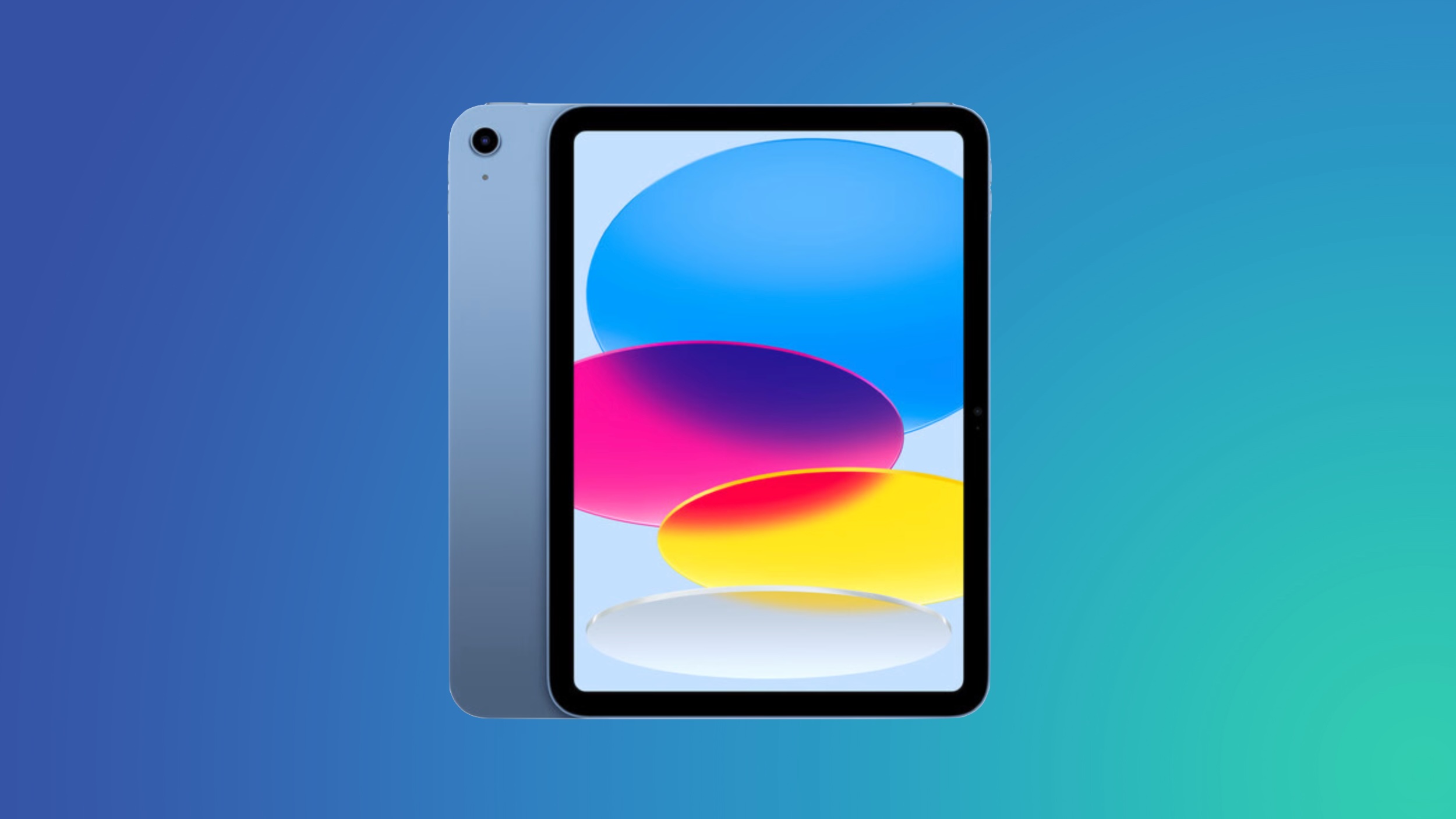
The current iPad model available for purchase, which Apple refreshed in March 2025 according to the latest information, is now over a year old. In the fast-paced world of technology, a device that's over a year old is already nearing the end of its peak relevance, especially when a significant update is rumored to be on the horizon. While an older device isn't always a deal-breaker, this particular moment presents a unique set of circumstances that make buying the current model a less-than-ideal decision. This year, there's even more at stake, making the wait for the next model truly worthwhile.
The Current iPad: Good, But Not Future-Proof
The 10th-generation iPad, or the current low-cost model, while still a capable device for many users, is equipped with an A16 Bionic chip. This chip, while powerful for tasks like web browsing, streaming video, light gaming, and basic document editing, comes with a significant limitation that will impact its longevity and utility: it does not support Apple Intelligence. This is not merely about missing a few niche features; it means being excluded from an entirely new paradigm of how Apple devices will operate and interact with users.
Apple Intelligence is designed to seamlessly integrate advanced artificial intelligence capabilities directly into iOS, iPadOS, and macOS. These features are not just add-ons; they are fundamental enhancements to the user experience that leverage on-device processing and powerful generative AI models. The current iPad's A16 chip, while performant, lacks the specialized neural engine capabilities required to handle the complex computations and energy efficiency demands of Apple Intelligence. This hardware limitation means that the current iPad will not have access to a suite of groundbreaking tools that are set to redefine how we use our devices.
Missing Out on Apple Intelligence: A Significant Disadvantage
The absence of Apple Intelligence support means the current iPad will miss out on a wide array of transformative features, including:
- Writing Tools: Imagine having an intelligent assistant built directly into your writing apps, capable of rewriting text in different tones, proofreading for grammar and style, and summarizing lengthy articles or emails. The current iPad won't offer these capabilities.
- Image Playground: A creative hub that allows users to generate unique images based on text descriptions, experiment with different styles, and personalize their visual content. This powerful tool for creativity and expression will be unavailable.
- Clean Up in Photos: A magical feature that allows users to easily remove unwanted objects or distractions from their photos, making image editing more intuitive and powerful.
- Live Translation: Seamless, real-time language translation integrated into various applications, making communication across language barriers effortless.
- Notification Summaries: An intelligent system that condenses your deluge of notifications into concise, actionable summaries, helping you stay focused and informed without being overwhelmed.
- Smart Reply: Context-aware suggestions for quick responses in messages and emails, saving you time and effort in communication.
- Priority Messages in Mail: An intelligent filter that highlights the most important emails, helping you prioritize your inbox and manage critical communications more effectively.
- Visual Intelligence: Deeper understanding of images and videos across the system, allowing for more intelligent searches, object recognition, and contextual interactions.
- And multiple other AI-related tools that span across productivity, creativity, and system-wide usability.
While Apple Intelligence is still new and the full impact of missing these capabilities might not seem immediately apparent to everyone, this will change rapidly. As Apple continues to invest heavily in artificial intelligence and integrates these features deeper into its operating systems and applications, not having access to Apple Intelligence is going to become an increasingly significant problem. Your iPad will feel less capable, less smart, and ultimately, less useful compared to devices that support these advancements.
The Future of iOS and iPadOS is AI-Driven
Rumors strongly suggest that big changes are coming in iOS 27, with a heavy emphasis on AI. These aren't just minor tweaks; they represent a fundamental shift in how we interact with our Apple devices. The implications for the iPad are profound, and without Apple Intelligence support, the current model will inevitably be left behind.
- Smarter Siri: Apple is reportedly transforming Siri from a voice assistant into a full-fledged, context-aware chatbot. Imagine Siri understanding more complex commands, remembering past conversations, performing multi-step actions, and providing proactive suggestions across apps. This level of intelligence requires the specialized hardware found in Apple Intelligence-compatible chips, making the current iPad's Siri feel significantly limited in comparison.
- Camera App with Visual Intelligence: Future iterations of the Camera app are expected to incorporate Visual Intelligence, enhancing photo and video capabilities through AI. This could mean more intelligent scene recognition, advanced computational photography features, and real-time object detection and processing. For users who enjoy photography, the absence of these features will be a major drawback.
- Photos App AI Image Editing Tools: Beyond simple filters, the Photos app is slated to receive powerful AI-driven editing tools. This could include intelligent object removal, sophisticated background manipulation, and AI-powered enhancements that transform your images with unprecedented ease and precision. These are computationally intensive tasks that rely on the new neural engine capabilities.
- More Automated Shortcuts: The Shortcuts app, already a powerful automation tool, is expected to become even smarter and more automated with AI integration. This means more intelligent triggers, personalized automation suggestions, and the ability to perform complex tasks with minimal user input.
- Unannounced Features: It's highly probable that Apple has even more AI-powered features in development that haven't even been rumored yet. The company's strategy is clear: AI will be at the core of its future software experiences.
Given this trajectory, an A16-powered iPad will likely feel significantly outdated and limited in its capabilities within the next year or two. As more apps and system features begin to leverage Apple Intelligence, users of older iPads will experience a widening gap in functionality, making their devices feel less modern and less capable than their newer counterparts. This isn't just about speed; it's about access to an entirely new dimension of user experience.
The Next iPad: A Leap Forward
The anticipation for the next generation of the low-cost iPad is growing, and for good reason. It is widely expected to receive a significant upgrade that will not only boost its performance but, crucially, equip it with the necessary hardware to embrace Apple Intelligence. The most significant rumored upgrade is the inclusion of the A18 chip.
- A18 Chip: The A18 chip is not just about raw speed; it's specifically designed with an enhanced neural engine that is powerful enough to handle the complex demands of Apple Intelligence. This means the next iPad will be able to run all the aforementioned AI features seamlessly and efficiently. It will deliver significantly faster overall performance for all tasks, from casual browsing to more demanding applications, ensuring a smoother and more responsive user experience.
- More RAM: Alongside the A18 chip, it's highly probable that the next iPad will come with more RAM (Random Access Memory). Increased RAM is vital for multitasking, handling larger files, and, importantly, supporting complex AI models and features that require substantial memory resources to operate effectively. This will make the new iPad feel much more capable, especially when juggling multiple apps or running AI-powered creative tools.
- Future-Proofing: This is perhaps the most compelling reason to wait. Purchasing the next iPad means you're investing in a device that is future-proofed against the rapid advancements in AI. It will have access to all the current and upcoming Apple Intelligence features, ensuring that your device remains relevant, powerful, and up-to-date with Apple's software innovations for years to come. You won't be left behind as the ecosystem evolves.
- Potential Other Improvements: While the A18 chip and Apple Intelligence support are the main draws, a new generation often brings other subtle but welcome improvements. These could include minor design refinements, an improved display, updated camera sensors, faster Wi-Fi (e.g., Wi-Fi 6E), and potentially enhancements to accessories like the Apple Pencil experience. While not explicitly rumored in the same vein as the chip upgrade, these incremental improvements further add to the value of waiting.
The Waiting Game: When Can We Expect the New iPad?
Holding out for the next iPad will indeed require some patience, as its exact release date is not yet confirmed. At this moment, we don't know precisely when it's coming. While it might have made sense for Apple to update the iPad alongside the low-cost iPhone 17e, that didn't materialize according to the original text's implied timeline. However, reliable sources provide some clues.
We've learned that a new entry-level iPad isn't expected in the first half of 2026. This means we're likely going to be waiting until the latter half of the year. The most probable window for its release appears to be September or October 2026, aligning with Apple's traditional fall product launches. This timing would also position it perfectly to capitalize on the holiday shopping season.
Further reinforcing this expectation, Bloomberg's Mark Gurman, a highly respected source for Apple news, stated in March that an updated low-cost iPad is "ready to go" and "still coming this year." This insider information provides strong confidence that the wait, while potentially several months, will be rewarded. The readiness of the device suggests that Apple is merely timing its release strategically. The upgrade that comes with Apple Intelligence support makes it unequivocally worth holding out for the next iPad instead of making a purchase now.
Conclusion: Patience Will Be Rewarded
While the current entry-level iPad remains an attractive option due to its budget-friendly price, its age and, more importantly, its lack of Apple Intelligence support make it a poor investment right now. The technology landscape is rapidly shifting towards an AI-centric future, and purchasing a device that cannot participate in this revolution would mean settling for an experience that will quickly feel outdated and limited.
The next generation iPad, equipped with the A18 chip, will unlock a world of powerful new AI features, offering enhanced performance, greater versatility, and true future-proofing. By exercising a little patience and waiting until September or October, you will acquire a device that not only meets your current needs but is also poised to deliver an exceptional and evolving user experience for years to come. Your future self, enjoying the full suite of Apple Intelligence, will thank you for waiting.
This article, "It's a Bad Time to Buy the Low-Cost iPad" first appeared on MacRumors.com
Discuss this article in our forums
from MacRumors
-via DynaSage
