
iPhone 18 Pro Rumored to Keep Aluminum Finish Amid Durability Complaints
The iPhone 18 Pro and the Durability Dilemma: A Look at Apple's Material Choices
As excitement builds for Apple's next generation of flagship smartphones, the rumor mill is already in full swing, offering intriguing glimpses into what we can expect. One of the most talked-about predictions for the iPhone 18 Pro is its continued use of the anodized aluminum finish, a design choice introduced with the iPhone 17 Pro. While aesthetically pleasing to many, this news comes amidst a backdrop of significant user concerns regarding the durability of its predecessor, specifically issues like surface chipping and color shifts. This potential continuity in material choice raises important questions for consumers and industry watchers alike: Is Apple truly listening to user feedback, or are other factors driving its design philosophy?
The journey of a new iPhone from concept to consumer's hands is a complex one, involving countless decisions about design, features, and crucially, the materials used. For Pro models, users often expect not just cutting-edge technology but also premium build quality and robust durability that can withstand the rigors of daily life. The iPhone 17 Pro's adoption of anodized aluminum marked a departure from the titanium frames that had characterized Apple's Pro lineup for the two years prior, a move that was initially met with mixed reactions and later, with tangible reports of wear and tear. Understanding this context is key to anticipating what the iPhone 18 Pro might offer and what challenges it might face in the market.
This deep dive will explore the specifics of the durability concerns raised by iPhone 17 Pro users, Apple's official stance on these issues, and what the rumored continuation of the anodized aluminum finish means for the iPhone 18 Pro. We will also delve into the potential reasons behind Apple's material choices, weigh the pros and cons of aluminum versus titanium, and offer insights into how these design decisions ultimately impact the user experience and the longevity of a device that, for many, is a significant investment.
Unpacking the iPhone 17 Pro's Durability Woes: Chipping and Scratches
The first wave of concerns surrounding the iPhone 17 Pro's durability primarily revolved around the susceptibility of its anodized aluminum surface to chipping and scratching. The widely followed Weibo leaker known as "Fixed Focus Digital" brought this issue to the forefront, reporting that surface chipping on the iPhone 17 Pro had become a common complaint among users. This wasn't merely cosmetic damage from extreme mishandling; rather, it was observed during what many would consider normal use, leading to widespread frustration.
Apple's Stance: "Inherent Characteristic" and "Normal Wear and Tear"
What added fuel to the fire was Apple's reported response to users seeking support or recourse for these issues. According to "Fixed Focus Digital," Apple classified the chipping as an "inherent characteristic" of the aluminum alloy material and simply "normal wear and tear." This classification is crucial because it often means that such damage is not covered under warranty, leaving users to bear the cost of repairs or replacements for issues they feel stem from the device's fundamental design or material choices. This approach can be particularly disheartening for customers who invest in a premium product, expecting a certain level of robustness.
The idea of an "inherent characteristic" suggests that Apple acknowledges the material's properties might make it prone to certain types of wear, but simultaneously places the responsibility on the user for managing these expectations. "Normal wear and tear" is a common clause in warranties, designed to exclude damage resulting from everyday use that naturally degrades a product over time. However, when visible chipping occurs relatively early in a product's lifecycle, especially on a high-end device, it blurS the line between acceptable wear and a potential durability flaw. This situation creates a perception gap between Apple's internal standards for durability and what its consumers anticipate from an iPhone Pro model.
The Shift from Titanium to Anodized Aluminum: A Design Trade-off?
To fully grasp the context of these complaints, it's important to remember the iPhone 17 Pro's material story. For the two preceding years, Apple's Pro lineup featured robust titanium frames, celebrated for their exceptional strength-to-weight ratio and premium feel. The move to an anodized aluminum unibody design for the iPhone 17 Pro was a notable change. Anodized aluminum is a material treated through an electrolytic passivation process to increase the thickness of the natural oxide layer on its surface. This layer offers increased corrosion and wear resistance, and it can also be dyed to achieve vibrant colors.
However, despite these benefits, anodized aluminum can behave differently under stress compared to raw titanium. While aluminum is lighter and easier to machine, its surface hardness, even when anodized, might not always match the extreme resilience of titanium, particularly against sharp impacts or abrasive forces. This material shift likely aimed to achieve certain design aesthetics, perhaps to reduce weight, or to streamline manufacturing processes and costs. But for users accustomed to the perceived bulletproof nature of titanium, the aluminum might have felt like a step down in terms of outright ruggedness, setting the stage for the durability complaints that quickly emerged post-launch.
Color-Specific Vulnerabilities: Dark Blue and Cosmic Orange
The durability concerns weren't uniform across all iPhone 17 Pro models. Early reports suggested that the Dark Blue and Cosmic Orange models appeared to scratch more easily than other finishes. This phenomenon isn't entirely new in the world of colored electronics; the specific dyes and anodization processes used to achieve certain hues can sometimes result in varying levels of surface hardness or scratch resistance. Darker or more saturated colors might also make minor scratches more visually apparent against the underlying metal.
The anecdotal evidence was compelling. Users on MacRumors forums described seeing visible marks and scratches on in-store display units within days of their availability. If a device in a controlled retail environment, handled by many but owned by none, could show signs of wear so quickly, it naturally amplified fears about how a personal device, carried daily in pockets and bags, would fare. This immediate feedback from early adopters and those observing retail units served as a red flag, prompting many to question the long-term durability of these particular color variants and the overall finish.
Expert Analysis: The JerryRigEverything Scratch Test
To provide a more objective assessment, YouTuber JerryRigEverything, renowned for his rigorous durability tests on electronic devices, put the iPhone 17 Pro through its paces. His scratch test, a staple in the tech community, provided valuable nuance to the ongoing debate. The tests typically involve scratching the device with materials of varying hardness, from everyday items like keys and coins to tools on the Mohs hardness scale.
JerryRigEverything's findings offered a mixed bag. He found that the majority of the anodized aluminum shell held up surprisingly well against common pocket items like keys and coins, suggesting that for most daily interactions, the finish would likely remain intact. This was reassuring to some extent. However, a critical weak point was pinpointed: the camera plateau. The raised, unchamfered edges of this section were identified as areas that chipped and scratched easily. This detail is significant. While the broad surface of the phone might resist minor abrasions, specific design elements, particularly those that protrude or have sharp edges, become vulnerable "stress points." The camera module, often the most prominent and frequently touched part of a phone's rear, being a clear weak spot, meant that even careful users might find their device showing signs of wear in a highly visible area.
This highlights a fundamental tension in smartphone design: the desire for sophisticated camera systems often leads to large, protruding camera bumps. When these bumps are designed with sharp or unchamfered edges and made from materials that don't match the overall device's durability, they become Achilles' heels. For a Pro model, where photographic capabilities are a key selling point, a vulnerable camera plateau could undermine the perception of premium build quality and ruggedness.
The Color Shift Phenomenon: Beyond Scratches
Just a month after the initial scratch reports surfaced, a separate and equally concerning issue emerged, primarily affecting the Cosmic Orange iPhone 17 Pro. A number of Cosmic Orange iPhone 17 Pro owners began reporting color shifts, where the vibrant aluminum frame and camera plateau started drifting toward a rose-gold or pink hue. This discoloration was not subtle; in some cases, it was significant enough to prompt device replacements by Apple Support.
What Causes Color Shift in Anodized Aluminum?
Color shift in anodized aluminum can be caused by various factors. The anodization process involves creating a porous oxide layer on the aluminum surface, which is then dyed to achieve the desired color. If the sealing process after dyeing is incomplete or of poor quality, the dye can be susceptible to fading or changing color over time due to exposure to UV light, heat, or even certain chemicals found in everyday environments (like oils from hands, cleaning agents, or environmental pollutants). For a color as distinct and vibrant as Cosmic Orange, any deviation would be particularly noticeable and frustrating for users who chose that specific aesthetic.
The fact that Apple Support was willing to issue replacements for these instances of discoloration suggests that the company may have recognized this as a manufacturing defect or a deviation from expected product performance, rather than "normal wear and tear." This contrasts sharply with their reported stance on surface chipping, where recourse was denied. This inconsistency in policy can be confusing for consumers and raises questions about Apple's quality control for different types of material issues.
The color shift issue, while perhaps less about physical integrity than chipping, speaks directly to the aesthetic longevity of the device. For many users, the choice of color is a deeply personal one, integral to their enjoyment of a premium product. When that color fundamentally changes, it diminishes the device's appeal and perceived value. It also adds another layer of complexity to the iPhone 17 Pro's material story, highlighting that the challenges with anodized aluminum extend beyond mere physical damage to include the stability of its visual properties over time.
The iPhone 18 Pro: Sticking with Aluminum Despite Feedback?
Given the array of durability concerns surrounding the iPhone 17 Pro, the latest rumors about the iPhone 18 Pro continuing to "utilize this same design approach" and retaining the anodized aluminum finish are particularly noteworthy. If true, it suggests that Apple might be weighing other factors more heavily than the immediate feedback on the 17 Pro's material durability.
Why Might Apple Stick with Anodized Aluminum?
There are several compelling reasons why Apple might choose to continue with anodized aluminum, even in the face of user complaints:
- Cost-Effectiveness: Aluminum is generally less expensive than titanium, both in raw material cost and in the manufacturing and machining processes required to shape it into phone frames. For a product line produced in millions, even small cost savings per unit can translate into significant overall savings.
- Weight Reduction: Aluminum is lighter than titanium. While titanium is known for its excellent strength-to-weight ratio, aluminum is inherently lighter. Using aluminum can contribute to a lighter overall device, which is often a desirable trait for smartphones that are held for extended periods.
- Ease of Manufacturing and Finishing: Aluminum is easier to work with than titanium. It can be machined, molded, and finished with greater ease, potentially allowing for more complex designs or more efficient mass production. The anodization process also allows for a wide array of vibrant and consistent colors, which might be harder or more expensive to achieve with titanium.
- Thermal Properties: Aluminum is an excellent heat conductor. This can be beneficial for thermal management within a smartphone, helping to dissipate heat generated by powerful internal components, thereby maintaining performance and battery longevity.
- Design Continuity and Supply Chain: Once a particular material and manufacturing process are established, changing them can be a massive undertaking, requiring new tooling, re-training staff, and re-negotiating supply chain contracts. Apple might prefer to refine the existing aluminum process rather than completely overhaul it.
- Market Segmentation: Apple might also view the material choice as a way to differentiate its "Pro" models. While titanium was briefly used, perhaps the long-term vision positions aluminum as a standard for one tier, reserving other materials for potentially even higher-end or specialized devices (like the rumored foldable iPhone, which itself might push material boundaries).
Potential Risks for Apple
However, continuing with a material that has already generated durability complaints carries significant risks for Apple:
- Customer Dissatisfaction: Repeated durability issues can erode customer trust and loyalty, especially for a premium brand. Users expect their expensive devices to hold up well over time.
- Brand Image: Durability concerns can negatively impact Apple's reputation for quality and precision engineering, potentially making consumers question the "Pro" designation.
- Sales Impact: If potential buyers are aware of the durability issues, it might deter some from purchasing the iPhone 18 Pro, opting for competitor devices or older, more robust iPhone models.
- Warranty Challenges: If Apple continues to classify chipping as "normal wear and tear," it could lead to ongoing customer service disputes and negative public relations.
Potential Improvements for the iPhone 18 Pro's Aluminum Finish
Even if the iPhone 18 Pro retains anodized aluminum, Apple is not without options to mitigate past issues. They could:
- Improve Anodization Process: Invest in new anodization techniques that produce a harder, more scratch-resistant oxide layer, perhaps with ceramic particle integration or more robust sealing.
- Enhanced Coatings: Apply clearer, more durable coatings over the anodized layer, similar to how car paint is protected with clear coats.
- Design Refinements: Address specific weak points like the camera plateau by re-designing its edges to be more chamfered or by using a harder material insert in those vulnerable areas.
- Material Alloy Optimization: Use a slightly different aluminum alloy that offers better intrinsic hardness while maintaining other desirable properties.
- Richer Dyes: For color stability, improve the quality and UV resistance of the dyes used in the anodization process, especially for vibrant hues.
Rumored Colors for the iPhone 18 Pro
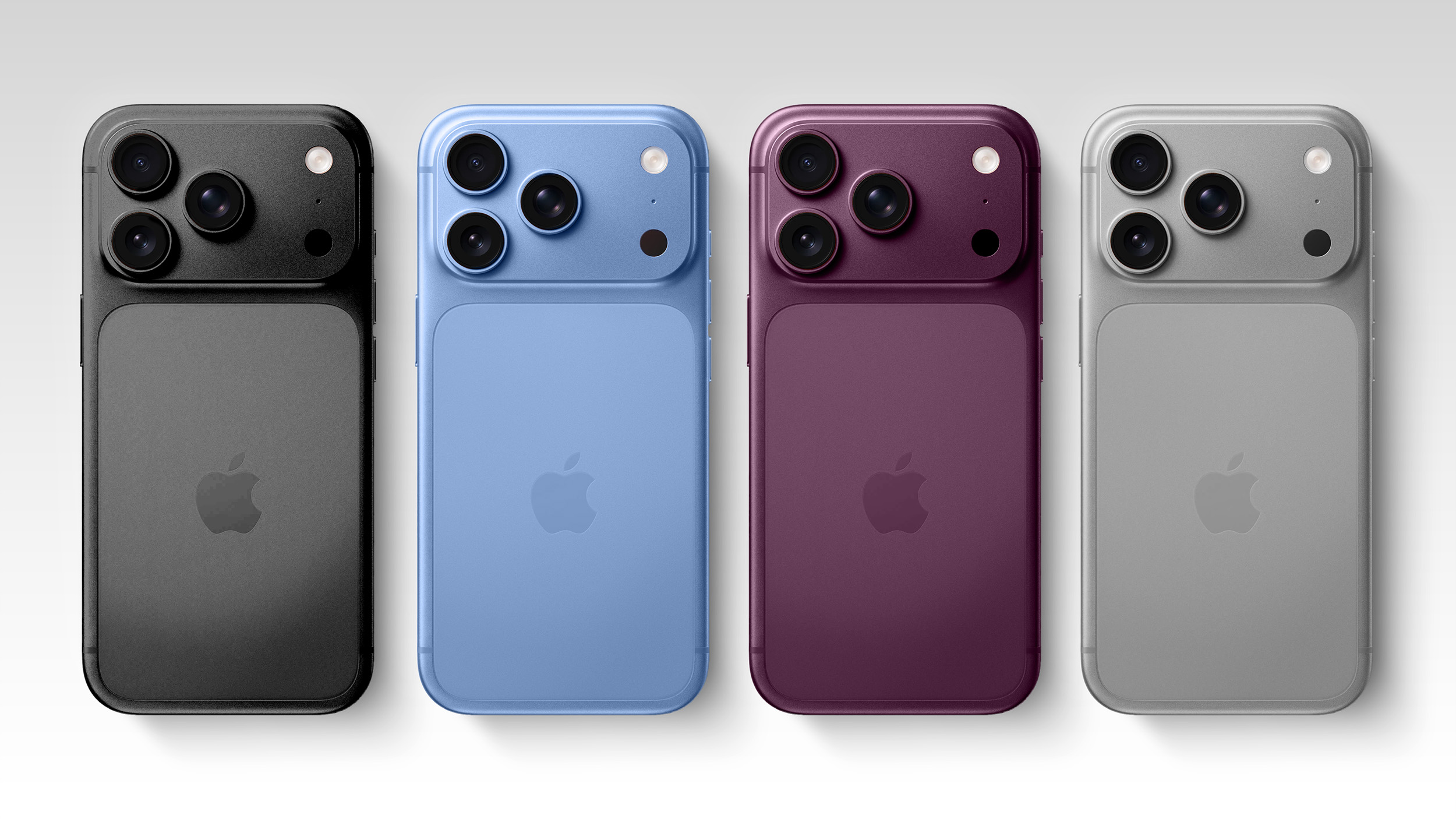
Beyond the material debate, rumors point to four color options for the iPhone 18 Pro models, suggesting a refined palette that might address some of the issues seen with the iPhone 17 Pro's Cosmic Orange. The expected colors are: Dark Cherry, Light Blue, Dark Gray, and Silver.
Dark Cherry: The New Signature Hue
Dark Cherry is expected to serve as the signature new color for the iPhone 18 Pro. It's described as a deep, wine-like red, significantly more muted and sophisticated than last year's vibrant Cosmic Orange. This choice could represent a deliberate shift in aesthetic, moving away from overtly bold colors towards something more understated and perhaps, timeless. Muted colors can sometimes be more forgiving of minor imperfections or environmental wear, making any potential chipping or discoloration less starkly obvious compared to a bright, highly saturated hue.
The absence of a traditional black option for the second consecutive year is also notable, though the rumored Dark Gray option could offer a close alternative for users who prefer darker, more subdued tones. Silver, a classic and enduring option, typically relies on the natural metallic sheen of the aluminum itself, often appearing quite resistant to visible scratches due to its brightness. Light Blue would offer a softer, perhaps more contemporary touch.
These color choices, if accurate, might reflect Apple's attempt to balance aesthetic appeal with practical considerations, perhaps even subtly trying to minimize the visual impact of any potential durability issues by opting for less 'demanding' colors in terms of their long-term appearance.
Anticipated Launch and the Foldable Future
The iPhone 18 Pro and iPhone 18 Pro Max are expected to be officially announced in September 2026, a traditional timeframe for Apple's flagship smartphone launches. This particular launch event, however, is rumored to be extra significant, as it's also slated to introduce the first foldable iPhone. The introduction of a foldable device alongside the traditional Pro models could have interesting implications for Apple's material strategy across its lineup.
A foldable iPhone would undoubtedly push the boundaries of material science and engineering, requiring highly durable yet flexible materials for its hinge and chassis. This could mean Apple is allocating its most advanced material research and higher-cost solutions to the foldable, while maintaining a more optimized (cost, weight, manufacturing) approach for its standard Pro models. The presence of a foldable might also subtly shift perceptions; if a foldable is positioned as the pinnacle of material innovation, it could inadvertently make the aluminum Pro models seem more "standard" by comparison, potentially softening expectations for their extreme ruggedness.
What This Means for Consumers: Making an Informed Decision
For potential buyers of the iPhone 18 Pro, these rumors and past reports from the iPhone 17 Pro offer crucial insights. While Apple undoubtedly strives for excellence in design and engineering, the practical realities of material science and mass production sometimes lead to trade-offs. The decision to potentially stick with anodized aluminum, despite its documented weaknesses in the previous generation, means consumers should approach the iPhone 18 Pro with an informed perspective.
Users who prioritize pristine aesthetics and maximum physical durability might need to take extra precautions. Investing in a high-quality protective case and possibly a screen protector will likely be a prudent choice for the iPhone 18 Pro, just as it was for many iPhone 17 Pro owners. These accessories can not only shield the device from everyday bumps and scrapes but also protect vulnerable areas like the camera plateau, which was identified as a weak point in durability tests.
Furthermore, understanding Apple's warranty stance on "normal wear and tear" is vital. If surface chipping is indeed considered an inherent characteristic not covered by warranty, consumers should factor this into their purchasing decision and expectations for the device's long-term appearance. For those considering the more vibrant rumored colors, it might be wise to consider whether issues like potential discoloration have been adequately addressed in the new generation's manufacturing processes.
Ultimately, the ongoing debate between sleek design and practical durability remains a central theme in the premium smartphone market. Apple, like other manufacturers, must navigate consumer desires for beautiful, lightweight devices while ensuring they can withstand daily use. The iPhone 18 Pro's rumored material choice is a testament to this ongoing balance, and users will be keen to see if Apple has made any subtle yet significant improvements to address the lessons learned from the iPhone 17 Pro.
Conclusion: A Continuous Evolution of Design and Durability
The journey of Apple's iPhone, particularly its Pro series, is a fascinating case study in continuous evolution. From glass sandwiches to stainless steel, and then to titanium, before a rumored return to anodized aluminum, each material choice reflects a complex interplay of design philosophy, manufacturing capabilities, cost considerations, and market positioning. The iPhone 18 Pro, if the latest leaks hold true, will continue this narrative with its anticipated reliance on anodized aluminum, a material that has proven both aesthetically versatile and, for some users of the iPhone 17 Pro, a source of durability concerns.
The experiences of iPhone 17 Pro owners—with surface chipping, localized scratching on the camera plateau, and even color shifts—have undeniably cast a spotlight on the practical resilience of this particular finish. Apple's response, categorizing some issues as inherent characteristics or normal wear and tear, highlights a gap between consumer expectations for premium product durability and the company's official stance. This ongoing dialogue shapes not only public perception but also influences how future iPhone models are received.
As we look forward to the September 2026 announcement, possibly alongside a groundbreaking foldable iPhone, the iPhone 18 Pro's rumored color palette and material choice will be scrutinized. Whether Apple has implemented subtle improvements to the anodization process, enhanced protective coatings, or refined design elements to bolster resistance in vulnerable areas remains to be seen. What is clear is that for consumers, an informed approach—understanding the potential trade-offs and considering protective measures—will be key to maximizing satisfaction with their next premium smartphone. The balance between innovative design and robust everyday durability will continue to be a defining challenge for Apple and the industry as a whole.
This article, "iPhone 18 Pro Rumored to Keep Aluminum Finish Amid Durability Complaints" first appeared on MacRumors.com
Discuss this article in our forums
from MacRumors
-via DynaSage
