
Here’s How The New Resident Evil Movie Fits Into The Games’ Timeline
Embracing the Expanded Lore: Why a New Resident Evil Movie Without Leon or Chris is Still Canon
The world of beloved franchises, especially those as rich and expansive as Resident Evil, often comes with a deeply cherished and fiercely protected element: its canon. Canon, in simple terms, refers to the official stories, events, and characters that are considered part of the established universe. For fans, understanding what is and isn't canon can be crucial for appreciating the ongoing narrative, the character development, and the overarching themes that define their favorite series. When new entries, particularly movies, emerge, there's always a collective breath held, a scrutinizing eye cast, to see how they fit into this intricate tapestry. The most recent discussions revolve around a surprising development: a new Resident Evil movie that, despite not featuring the iconic protagonists Leon S. Kennedy or Chris Redfield, is officially considered part of the canon.
This revelation might initially raise eyebrows among long-time fans. Leon and Chris have been at the heart of many pivotal Resident Evil storylines, their heroism and struggles against the horrors of bio-organic weapons deeply etched into the franchise's identity. To imagine a canonical film without their presence might feel akin to a Star Wars movie without the Skywalker saga, or a Marvel film without a core Avenger. However, this move isn't just a creative decision; it’s a strategic one that opens up immense possibilities for world-building, character exploration, and keeping the franchise fresh and unpredictable. It challenges the traditional view that only stories centered on established heroes truly matter, pushing the boundaries of what a canonical entry can be. This post will delve into why embracing such an expansion is vital for the franchise's health, what "canon" truly means in this context, and how these new perspectives can enrich the Resident Evil universe for years to come.
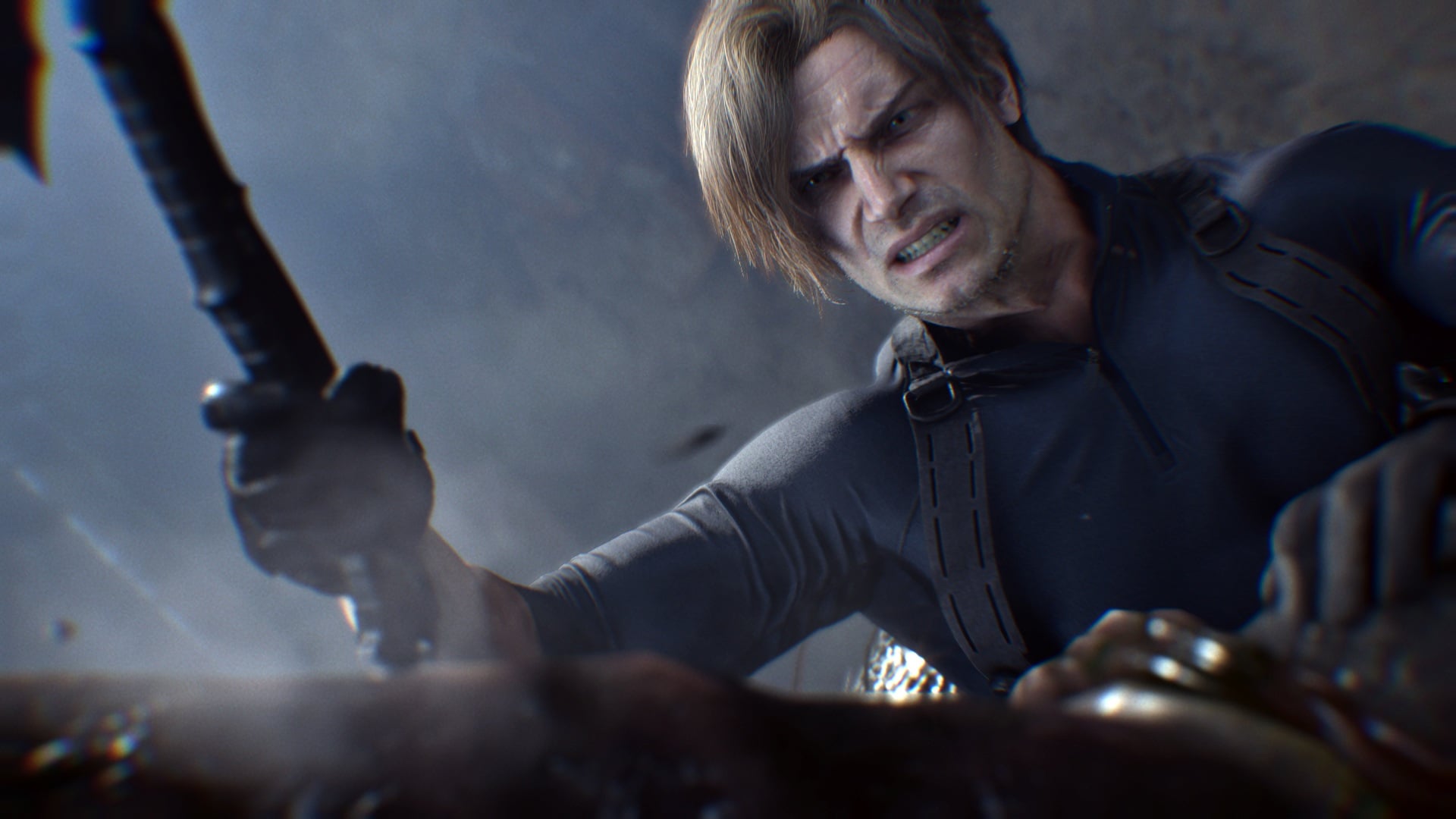
Understanding "Canon" in Beloved Franchises
The term "canon" is often thrown around in fan discussions, but its meaning can sometimes be a point of contention. At its core, canon refers to the material that is officially recognized as part of a fictional universe's storyline by its creators or rights holders. For franchises like Resident Evil, which span multiple media—video games, animated films, live-action movies, comic books, and novels—determining what counts can be a complex affair. Fans typically invest heavily in the canon because it provides a foundation for character motivations, plot developments, and the overall progression of the story. Deviations or contradictions can be jarring, making the acceptance of new material, especially when it steps away from familiar faces, a significant challenge for the fan base.
What Exactly is Canon?
For many, the video games are the primary source of Resident Evil canon, establishing the core narrative, characters, and major events. Animated films, often supervised directly by Capcom, are usually integrated into this main storyline, bridging gaps or expanding on character arcs between game releases. Live-action adaptations, however, have historically had a more complicated relationship with canon, with some creating entirely separate universes. This new movie's explicit canonical status, despite its fresh cast, marks a significant shift. It signals a deliberate effort by the creators to expand the narrative scope within the existing, established timeline, rather than simply offering an alternative interpretation or a non-essential spin-off. This commitment to integrating new stories into the main lore shows confidence in the narrative potential beyond its most famous heroes, implying that the Resident Evil universe is vast enough to contain many important tales, not just those starring Leon or Chris.
The New Resident Evil Movie: Expanding the Universe
The decision to make a Resident Evil movie canonical even without Leon or Chris at the forefront speaks volumes about the creative direction of the franchise. It suggests a desire to broaden the narrative horizons, exploring corners of the zombie apocalypse that haven't yet been fully illuminated by the main game series. While Leon and Chris have faced down corporations, cults, and countless bio-organic threats, their stories represent only a fraction of the global struggle against the various outbreaks and conspiracies. By introducing new characters, the film can delve into different regions, introduce new types of survivors, or even explore the perspectives of individuals caught in the crossfire who aren't super-soldiers or government agents. This fresh take can offer a more grounded, human element to the horror, reminding viewers that the devastation of Umbrella's viruses impacts everyone, not just a select few.
This expansion is not merely about novelty; it's about enriching the entire lore. Imagine a story set in a previously unseen location, detailing a unique local outbreak response, or even exploring the early days of a new pharmaceutical company trying to fill the void left by Umbrella, potentially with its own dark secrets. These narratives can exist concurrently with the ongoing sagas of Leon and Chris, adding layers to the established world without necessarily needing them to be present. The very act of declaring such a film "canon" elevates these new stories, making them relevant to the overall timeline and potentially influencing future game or film developments. It's a testament to the idea that the Resident Evil universe is a living, breathing entity with countless stories waiting to be told, not just a stage for a handful of recurring characters.
The Power of Fresh Perspectives: Why New Characters are Essential
Relying too heavily on the same characters, no matter how beloved, can eventually lead to stagnation. While fans adore Leon and Chris, there comes a point where their arcs might feel complete, or their presence might overshadow new threats or settings. Introducing new protagonists offers a vital injection of fresh blood, allowing the creators to explore different themes, introduce new character archetypes, and tackle the horror from varied viewpoints. A new character might be an ordinary citizen thrust into extraordinary circumstances, a scientist struggling with their conscience, or even a morally ambiguous figure operating in the shadows. Each of these perspectives offers unique narrative possibilities that can deepen our understanding of the Resident Evil world and its many facets.
Beyond Leon and Chris: A Deeper Dive into the World
Consider the vastness of the Resident Evil universe. The outbreaks are global, the conspiracies run deep, and the fight against bio-terrorism is multi-faceted. Leon and Chris have been instrumental in many major incidents, but they cannot be everywhere at once, nor can their personal stories encompass the full breadth of the world's suffering and resistance. A movie with new characters can focus on the everyday heroes, the forgotten victims, or the unsung battles happening in parallel to the main events. This allows for world-building that goes beyond the immediate sphere of the core protagonists, exploring the socio-political implications of bio-terrorism, the struggles of global recovery, or the emergence of new factions and threats that operate independently of the familiar villains. Such stories can add texture and depth, making the entire Resident Evil saga feel more real and more expansive. Moreover, new characters carry no pre-existing baggage or plot armor, allowing for higher stakes and more unpredictable outcomes, which can be thrilling for viewers. Explore the full Resident Evil timeline here for context.
Navigating Fan Expectations and Continuity Challenges
While the benefits of expanding the canon are clear, it's also true that such decisions come with inherent risks, primarily centered around fan expectations and maintaining continuity. Fans are deeply invested in the characters and storylines they know and love. Shifting focus away from iconic figures like Leon and Chris, even if temporarily, can be met with resistance or even disappointment. The challenge for the filmmakers and writers is to craft a compelling story with new characters that still feels authentically "Resident Evil." This means adhering to the established tone, themes, and scientific (or pseudo-scientific) principles that define the universe, ensuring that the new narrative complements rather than contradicts the existing lore.
Maintaining continuity is paramount. Even without direct appearances from Leon or Chris, the events of the new movie must logically fit within the established timeline and respect the outcomes of previous games and films. Are there references to past outbreaks? Do the new threats align with the known bio-weapon advancements? Does it impact the ongoing struggle against Umbrella's legacy or other corporations? Careful attention to these details can help bridge the gap between familiar and new, reassuring fans that this isn't a mere tangent but a valuable addition. If done well, the new movie can enrich the existing lore, perhaps even shedding new light on events or characters we thought we knew, making the overall narrative even more cohesive and immersive. The goal is to expand the universe without breaking it, a delicate balance that requires deep respect for the source material.
Lessons from Other Franchises
Many major franchises have successfully navigated this path of canonical expansion with new characters. Star Wars, for instance, has broadened its universe far beyond the Skywalker saga with shows like "The Mandalorian," "Andor," and various animated series, introducing new heroes and villains whose stories are integral to the overall canon. These stories often fill in gaps, explore different eras, or provide fresh perspectives on the galaxy far, far away, proving that the universe is bigger than just a few families. The Marvel Cinematic Universe (MCU) regularly introduces new heroes and side stories through its Disney+ series, which are all intricately linked to the broader movie saga. These examples demonstrate that a franchise can maintain its core identity and appeal while simultaneously evolving and diversifying its character roster and narrative scope. The key lies in strategic storytelling and ensuring that these new elements meaningfully contribute to the overarching mythos, rather than feeling like isolated, irrelevant additions. When done right, such expansions can revitalize a franchise, drawing in new fans while satisfying the existing base with deeper lore.
The Long-Term Impact on the Resident Evil Saga
The inclusion of a new, canonical Resident Evil movie without its traditional leads has profound long-term implications for the franchise. It signals a shift in storytelling philosophy, moving towards a more decentralized narrative where the world itself, and the persistent threat of bio-organic weapons, takes center stage, rather than being solely tethered to the exploits of a few chosen individuals. This approach can make the Resident Evil universe feel more alive and dynamic, suggesting that significant events and compelling stories are unfolding simultaneously across the globe, independent of whether Leon is on the scene or Chris is punching a boulder. It allows for the exploration of diverse themes such as societal collapse, humanitarian crises, and the long-term psychological toll of living in a world perpetually haunted by biological horrors, all without the need for a superheroic intervention.
Furthermore, this movie could serve as a testing ground for new characters, story arcs, and even potential gameplay mechanics for future video game installments. If these new characters resonate with audiences and their stories prove compelling, they could potentially cross over into other media, perhaps even leading their own game spin-offs or sequels. This strategy keeps the franchise from becoming stale, providing fresh avenues for content creation and fan engagement. It also reinforces the idea that the Resident Evil saga is more than just a series of personal vendettas; it's a sprawling, interconnected world where every canonical event, no matter how small or localized, contributes to the grand narrative of humanity's struggle against its own hubris and the monstrous creations it unleashes. Ultimately, this move promises a richer, more diverse narrative tapestry for Resident Evil, one that encourages deeper immersion and engagement with its vast, terrifying world. For more insider information, check out Kotaku's Resident Evil coverage.
Looking Ahead: The Future of Resident Evil Storytelling
This new canonical movie marks an exciting inflection point for the Resident Evil franchise. It demonstrates a willingness to evolve, to push past the familiar, and to embrace the full potential of its expansive universe. For decades, fans have followed Leon, Chris, Claire, Jill, and Ada through countless harrowing encounters, but the world of Resident Evil is vast, and the stories it can tell are boundless. By validating narratives that don't hinge on these established titans, the creators are opening doors to fresh perspectives, diverse experiences, and perhaps even a more nuanced exploration of the human condition in the face of insurmountable bio-terror. This isn't about replacing beloved characters; it's about complementing their stories and enriching the world they inhabit, showing that the fight for survival is a collective one, fought by many, not just a select few.
The future of Resident Evil storytelling appears to be one of both reverence for its roots and bold innovation. We can anticipate that future entries, whether games, films, or other media, will continue to balance the familiar with the new, providing fans with the comfort of returning characters while also challenging them with fresh faces and untold horrors. This strategic expansion ensures the longevity and relevance of the franchise, allowing it to grow and adapt with changing audience tastes while staying true to its core identity as a pioneer in survival horror. It invites us all to look beyond the immediate familiarity and appreciate the broader, more complex narrative that Resident Evil continues to weave, a narrative where every canonical piece contributes to a larger, more terrifying, and utterly captivating whole.
What are your thoughts on a new canonical Resident Evil movie without Leon or Chris? Do you think it's a good move for the franchise, or do you prefer stories centered on the established characters? Share your opinions in the comments below!
from Kotaku
-via DynaSage
