
Haunted Chocolatier Is Set To Be ‘Way Bigger than Stardew Valley,’ Somehow
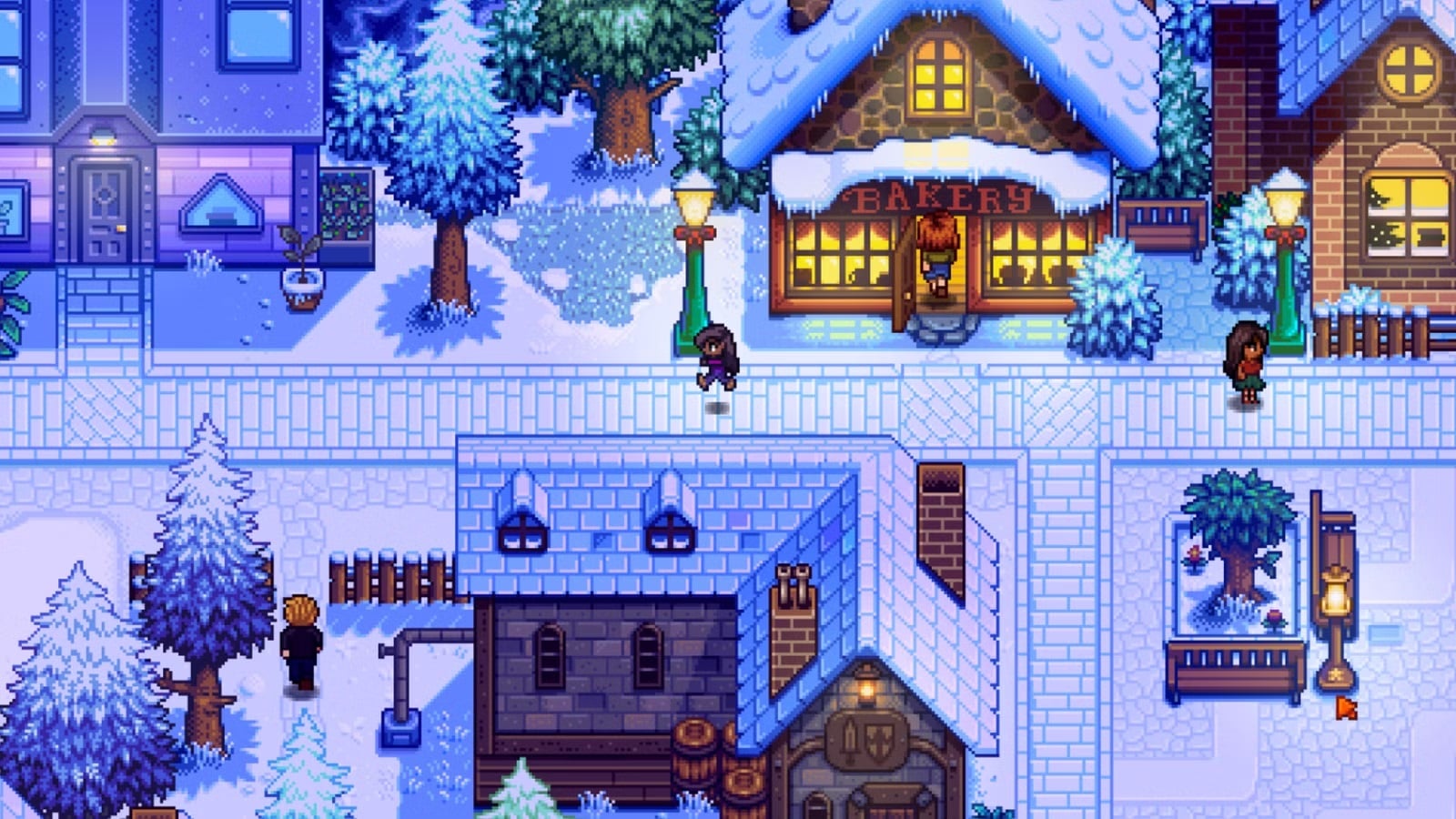
The Enchantment of the Unknown: Why Game Mystique Captures Our Hearts
In the vast world of video games, there are titles that simply entertain, and then there are those that truly enchant. These special games don't just offer challenges or stories; they invite us into worlds brimming with a sense of wonder, where every corner might hide a secret, and every interaction could reveal a deeper layer. This profound appeal, often described as 'mystique,' is something that renowned game creator Eric Barone, better known as ConcernedApe, understands deeply. Barone, the brilliant mind behind the beloved farming simulation game Stardew Valley and the upcoming Haunted Chocolatier, once beautifully summarized this feeling by comparing "the sense of mystique that games offer to how kids see gnomes."
This simple yet powerful analogy speaks volumes about the magic developers can weave into their digital creations. It’s about the unseen, the half-glimpsed, the whispers of something more profound just beyond our immediate understanding. It’s the feeling that a game world exists independently of our presence, with its own hidden life and untold stories. In this extensive exploration, we'll dive into what this 'gnome-like' mystique truly means for video games, how it enhances our experience, and why it's a cornerstone of lasting enjoyment and emotional connection in the gaming world, drawing heavily from ConcernedApe's philosophy.
Who is ConcernedApe? A Master Weaver of Cozy Worlds
Before we delve deeper into the concept of mystique, it's worth understanding the source of this insight. Eric Barone, working under the alias ConcernedApe, is an independent game developer whose journey began with the monumental task of creating Stardew Valley almost entirely by himself. What started as a personal project evolved into one of the most successful indie games of all time, selling millions of copies across various platforms. Stardew Valley offered players a charming escape to a pixelated farm, where they could grow crops, raise animals, fish, mine, fight monsters, and build relationships with a vibrant cast of characters in a small, close-knit community.
The success of Stardew Valley wasn't just due to its engaging gameplay loop; it was also the result of its incredible depth and the subtle ways it invited players to explore and discover. Barone poured his heart and soul into every detail, from the seasonal changes to the intricate character dialogues, creating a world that felt alive and full of secrets. It is this dedication to world-building and player immersion that makes his insights into game design, particularly regarding mystique, so compelling and relevant. His upcoming project, Haunted Chocolatier, promises to build upon this foundation, offering a new kind of magical yet mysterious experience.
Unpacking the "Gnome" Analogy: A Child's Sense of Wonder
Let's return to ConcernedApe's analogy: "how kids see gnomes." What does this truly convey? For a child, a gnome isn't just a garden decoration; it's a miniature, magical being that lives in secret, perhaps watching from the shadows, or tending to unseen tasks. Gnomes represent a hidden world, a touch of enchantment just out of reach, but always present. They embody the wonder of the unknown, the charm of something ancient and mysterious residing just beneath the surface of the ordinary.
Applying this to video games, the "gnome-like" mystique means that the game world isn't just a set of mechanics or a linear story. Instead, it feels like a place with its own history, its own secrets, and its own life independent of the player's direct interaction. It suggests that there are things happening, stories unfolding, and hidden depths to discover, even when we're not actively looking for them. This creates a powerful allure, a continuous invitation to explore, to wonder, and to believe in the world presented to us.
It’s the feeling you get when you stumble upon a forgotten shrine in a forest, or when a seemingly ordinary character mentions a cryptic piece of lore that hints at a much larger narrative. It’s the quiet suggestion that there’s more to this world than meets the eye, that what you see is just a small part of a grander, more intricate tapestry. This belief in an unseen world makes the visible parts of the game richer and more engaging.
Mystique in Gaming: More Than Just a Mystery
While mystique often involves elements of mystery, it's important to differentiate the two. A mystery is a specific puzzle with a defined solution, like finding a hidden key or solving a detective case. Mystique, on the other hand, is a broader, more pervasive atmosphere. It's the feeling of enchantment and curiosity that permeates the entire game world, encouraging exploration and discovery without necessarily promising a clear-cut answer for everything. It's the lingering question mark, the tantalizing hint, the suggestion of something profound rather than an explicit riddle.
Think of it as the difference between being told a secret and feeling like you've discovered an unspoken truth. Mystique thrives on ambiguity, on details that spark the imagination without fully explaining themselves. It's in the unique architecture of an ancient ruin, the strange behavior of certain creatures, or the folklore whispered by non-player characters (NPCs) that hint at larger legends. This depth makes a game world feel more real, more lived-in, and ultimately, more memorable.
A game full of mystique often rewards patience and observation. It encourages players to slow down, to absorb their surroundings, and to connect the dots in their own minds. It fosters a personal relationship with the game world, where players feel like active participants in uncovering its hidden layers, rather than just observers following a pre-set path.
Stardew Valley: A Case Study in Subtle Enchantment
Stardew Valley is a prime example of a game that masterfully utilizes this 'gnome-like' mystique. While on the surface it's a charming farming simulator, beneath the surface lies a world brimming with secrets, subtle hints, and emergent stories that give it incredible depth and replayability.
Hidden Lore and Player Discovery
From the moment you arrive in Pelican Town, the game encourages exploration. You find secret notes that lead to hidden treasures, encounter strange creatures in the mines, and discover ancient artifacts that reveal glimpses of the valley's past. The game doesn't explicitly tell you everything; instead, it provides tools and opportunities for you to uncover its lore at your own pace. This non-linear discovery is key to its mystique. You might spend hours farming before stumbling upon a hidden path in the Cindersap Forest, or finally deciphering a cryptic message from the Dwarf in the mines, leading to a new area or a deeper understanding of the world.
The "Secrets of the Valley" are not just quests; they are invitations to perceive the world differently. Players share their discoveries, compare notes, and collectively piece together the broader narrative of the valley, from the mysterious "Qi's Challenge" to the strange artifacts found deep within the earth. This shared sense of discovery within the community further amplifies the game's mystique, as players realize there's always something new to find, even after hundreds of hours of gameplay.
The Living, Breathing World
Stardew Valley also excels at creating a sense of a living world through its dynamic environment and characters. Seasons change, festivals occur, and the villagers go about their daily routines, each with their own schedules, preferences, and complex backstories. You might see a character gazing wistfully at the ocean, or another making a pilgrimage to a grave, hinting at personal histories and emotional depths that are slowly revealed through friendship and conversation.
The game doesn't just present these elements; it allows them to breathe. You don't just "complete" a character's story; you build a relationship over time, uncovering their hopes, fears, and secrets through gradual interaction. This organic progression, the feeling that you are genuinely getting to know a real person (or sprite), adds a layer of genuine emotional mystique to the social simulation aspect.
Moreover, the town itself evolves. As you help restore the Community Center, new areas open up, dilapidated structures are rebuilt, and the town subtly changes. This progression isn't just about your farm; it's about seeing the impact of your actions on the entire valley, making you feel like a vital part of its ongoing story.
Community and Relationships
The relationships in Stardew Valley are another source of mystique. Each villager has a unique personality, set of interests, and hidden depths. As you build friendships and romantic relationships, you unlock cutscenes that reveal more about their lives, their struggles, and their dreams. These personal stories are not always straightforward; sometimes they hint at past traumas or future aspirations that add a profound layer of realism and emotional depth to the game.
For instance, Shane's battle with depression or Sebastian's introverted nature are not just character traits; they are invitations for the player to understand and empathize with complex individuals. The game allows these characters to feel like real people with real inner lives, contributing to the overall sense that Pelican Town is a place where every inhabitant has a story waiting to be uncovered, much like a gnome quietly going about its business.
Haunted Chocolatier: A New Recipe for Mystery
With Haunted Chocolatier, ConcernedApe is poised to explore this concept of mystique in a new and exciting direction. The very title suggests a blend of the familiar and the supernatural, hinting at secrets and enchantment. Players will manage a chocolate shop, gather ingredients, and craft treats, but the "haunted" aspect promises to inject a unique flavor of wonder and perhaps a touch of eerie charm.
The Allure of the "Haunted"
The term "haunted" immediately conjures images of ghosts, spirits, and hidden histories. This naturally lends itself to mystique. Instead of simply having a charming farm, players might find themselves interacting with friendly (or not-so-friendly) spirits, unraveling the mysteries of their chocolate castle, or discovering the ancient lore surrounding the ingredients they use. The presence of ghosts suggests a world where the veil between the living and the spiritual is thin, inviting players to ponder the unseen forces at play.
This setting could allow for environmental storytelling on a grander scale. Perhaps the ghosts themselves are part of the castle's history, their presence tied to the very recipes you create or the ingredients you gather. What secrets do they guard? What tales do they whisper? This creates an inherent sense of wonder and curiosity, encouraging players to not just play the game, but to unravel its deeper narrative threads.
Crafting and Discovery in a Sweet Setting
The "Chocolatier" aspect, while seemingly cozy, can also be a source of mystique. Imagine discovering rare ingredients in mysterious locales, perhaps even in the spirit world, or finding ancient recipes that grant your chocolates special properties. The process of creating chocolate could become a magical one, with each ingredient carrying its own story and each recipe a secret passed down through generations of chocolatiers. This blends the familiar joy of crafting with the tantalizing allure of the unknown.
The ingredients themselves could be sources of mystique. Instead of simply growing cocoa beans, perhaps you forage for shimmering berries in an enchanted forest, or trade with ethereal beings for rare spices. This infuses the crafting system with a sense of adventure and discovery, making every successful chocolate bar not just a product, but a testament to your journey through a mysterious world.
The Developer's Art: Crafting the Unseen
Creating this 'gnome-like' mystique isn't accidental; it's a deliberate art form that developers like ConcernedApe meticulously cultivate. It involves more than just adding a few hidden items; it's about designing a world that feels alive and holds secrets, even when those secrets aren't immediately apparent.
Environmental Storytelling and Visual Cues
Subtle visual cues play a huge role. A broken statue, a forgotten grave marker, an unusually shaped tree – these elements, even without explicit text, can hint at a deeper history or an ongoing narrative. Developers use environmental storytelling to paint a picture of a world that existed long before the player arrived and will continue to exist long after they leave. This creates a sense of gravitas and history, making the player feel like a small part of a much larger, ongoing saga.
Consider the details in Stardew Valley: the abandoned Joja Mart, the ancient ruins in the mountains, the subtle changes in the landscape across seasons. These aren't just background elements; they are silent storytellers, contributing to the valley's unique character and inviting players to ponder their significance.
Sound Design and Atmosphere
Audio is another powerful tool. Eerie ambient sounds in a dungeon, the gentle rustle of leaves in a hidden grove, or a melancholic musical motif can evoke feelings of wonder, mystery, or even slight apprehension. Sound design can suggest the presence of unseen entities or hint at the magical qualities of a place, making the player feel truly immersed in a world that extends beyond the visual.
In Stardew Valley, the seasonal music shifts subtly, enhancing the feeling of time passing and creating distinct atmospheres for spring, summer, fall, and winter. The sound of waves crashing on the beach or the distant hoot of an owl at night adds to the feeling that Pelican Town is a real, breathing place.
Player Agency and Exploration
Crucially, mystique thrives when players are given the freedom to explore and discover at their own pace. Forcing players down a linear path often stifles curiosity. Instead, games that encourage wandering off the beaten path, experimenting with different interactions, and simply observing their surroundings are more likely to foster that 'gnome-like' sense of wonder.
Stardew Valley provides immense freedom. Players can choose to focus on farming, mining, fishing, combat, or social interactions. Each path offers its own discoveries, and players are never rushed to uncover all secrets. This agency makes the discoveries feel earned and personal, greatly enhancing the game's mystique.
Why Mystique Matters: Enhancing Player Engagement and Longevity
The cultivation of mystique isn't just a stylistic choice; it's a fundamental aspect of crafting truly memorable and enduring games. It contributes significantly to player engagement, replayability, and the overall emotional impact of a game.
Fostering Community and Shared Secrets
When a game is rich with mystique, it naturally encourages community discussion. Players share theories about lore, speculate on hidden mechanics, and excitedly reveal newfound secrets. This collective discovery builds a stronger, more interactive community around the game. Forums, wikis, and social media buzz with conversations about unsolved mysteries or subtle details that only a few players have noticed. This shared experience of uncovering the 'gnomes' of a game world creates a powerful bond among players and significantly extends the game's lifespan.
Stardew Valley's vibrant online community, constantly sharing tips, theories, and newly discovered secrets, is a testament to this power. The game's inherent mystique fuels endless discussion and collective problem-solving.
The Joy of Personal Discovery
Finding a secret or understanding a subtle piece of lore on your own is incredibly rewarding. It fosters a sense of accomplishment and a deeper connection to the game world. This personal discovery makes the game feel tailored to your own journey, rather than a pre-scripted experience. It’s the feeling that you, personally, have lifted a corner of the curtain to peek into a hidden world.
This sense of personal ownership over discoveries means that players often feel a deeper emotional attachment to games rich in mystique. The world becomes 'theirs' in a unique way, shaped by their exploration and curiosity.
Building Lasting Worlds
Games with a strong sense of mystique often become classics. They linger in players' minds long after they've finished the main storyline because the world itself feels inexhaustible. There's always the feeling that another secret awaits, another piece of lore to uncover, or another perspective to gain. This makes players return to the game repeatedly, not just for gameplay, but to revisit a beloved world that continues to surprise and delight them.
Stardew Valley’s enduring popularity, years after its initial release, is a direct result of its deep, mysterious world that continues to offer new experiences with every playthrough and every update. It's a testament to the power of crafting a world that truly feels alive and full of secrets.
Beyond the Pixels: The Universal Appeal of Wonder
ConcernedApe's analogy of "kids see gnomes" taps into a universal human desire: the appeal of wonder and the unknown. From ancient myths to modern science fiction, humans have always been captivated by the idea of hidden truths, unseen forces, and worlds beyond our immediate perception. This desire to explore, to discover, and to believe in something more is a fundamental part of the human experience.
Video games, as a modern form of storytelling and interactive art, are uniquely positioned to tap into this primal urge. They offer immersive environments where we can actively engage with these concepts, becoming explorers in digital realms where the ordinary can suddenly become extraordinary. The 'gnome-like' mystique in games is, in essence, a digital manifestation of our inherent curiosity and our capacity for belief in magic, even if it's just pixelated magic.
It reminds us that even in a world increasingly explained by science and technology, there's still room for wonder, for the inexplicable, and for the simple joy of imagining what might be hiding just out of sight. It teaches us to look closer, to question, and to appreciate the intricate details that make a world feel alive.
Conclusion: Cherishing the Gnomes in Our Games
ConcernedApe’s simple comparison of game mystique to "how kids see gnomes" offers a profound insight into what makes a video game truly special. It's not just about flashy graphics or complex mechanics; it's about crafting a world that feels alive, full of hidden depths, and rich with the promise of discovery. It’s about creating that innocent sense of wonder, that belief in a hidden world operating just beneath the surface of our perception.
From the subtle secrets of Stardew Valley to the promising enchantment of Haunted Chocolatier, developers who prioritize this sense of mystique create experiences that resonate deeply with players. They build worlds that don't just entertain but truly enchant, fostering communities, encouraging exploration, and providing lasting memories. As players, we are invited to become more than just participants; we become discoverers, uncovering the magic that these digital 'gnomes' patiently guard. So, the next time you lose yourself in a game world, take a moment to appreciate the subtle hints, the unspoken stories, and the lingering sense of the unknown – the magical gnomes that make it all truly come alive.
from Kotaku
-via DynaSage
