
Google Makes It Easier to Share Files Between Android and iPhone
Breaking Down Barriers: Google's Latest Push for Seamless Android-iPhone Interaction
In a significant move that promises to revolutionize how users interact across different mobile ecosystems, Google recently unveiled a suite of updated features designed to dramatically simplify file sharing between Android and iPhone devices. This announcement marks a crucial step towards a more unified and user-friendly digital experience, addressing long-standing frustrations for millions who often find themselves juggling devices from both major operating systems. Gone are the days of cumbersome workarounds or reliance on third-party services for basic tasks like transferring photos or documents. Google's commitment, coupled with newfound collaboration with Apple, aims to foster an environment where device choice doesn't dictate communication limitations.
This initiative isn't just about minor tweaks; it represents a strategic shift towards greater interoperability, driven by both consumer demand and emerging regulatory pressures. For years, the divide between Android and iOS has been a point of contention, particularly when it comes to the fluid exchange of data. While each ecosystem boasts its own strengths and loyal user base, the inability to easily share content between them has often led to friction and inconvenience. Google's latest efforts directly confront this challenge, paving the way for a future where the operating system of your phone becomes less of a barrier and more of a personal preference.
Enhanced File Sharing with Quick Share: Bridging the AirDrop Gap
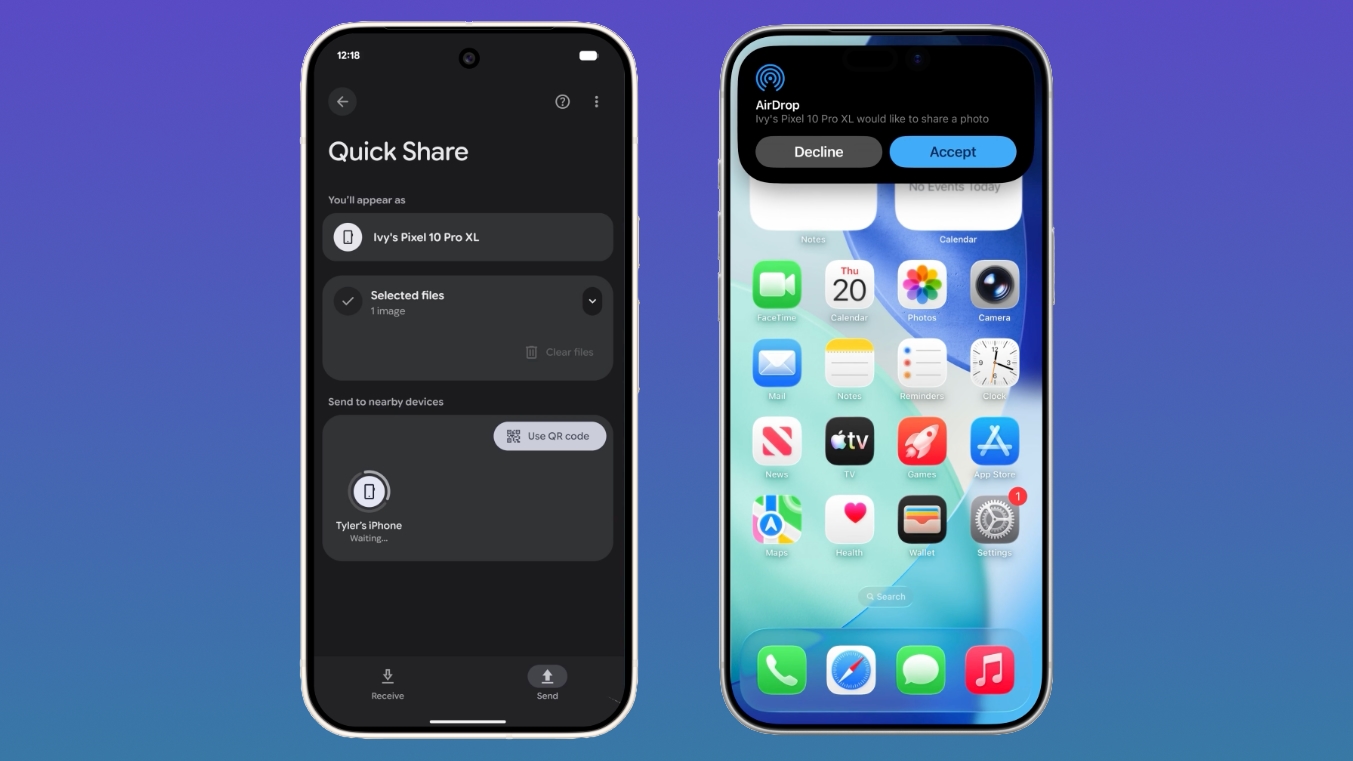
At the heart of Google's new file sharing capabilities is its proprietary technology, Quick Share. For those unfamiliar, Quick Share is Android's answer to Apple's AirDrop – a robust and intuitive feature that allows users to swiftly send files to nearby devices without the need for an internet connection. It leverages a combination of Bluetooth and Wi-Fi Direct to establish a rapid, secure, and direct connection between sender and receiver. Prior to this announcement, Quick Share primarily facilitated sharing among Android devices, providing a seamless experience within the Google ecosystem.
The groundbreaking news, however, lies in Quick Share's expanding compatibility with Apple's AirDrop feature. This is a monumental development in the world of mobile technology, as it signifies a direct technical handshake between two historically competitive platforms. Imagine the ease of an iPhone user being able to 'AirDrop' a photo directly to a nearby Android phone, or vice-versa, with the same simplicity and speed that has long been a hallmark of intra-ecosystem sharing. This level of direct compatibility bypasses the need for cloud uploads, email attachments, or messaging app compressions, preserving quality and saving valuable time.
While this direct compatibility has already been available on a select number of Android devices, Google has confirmed plans for a significant expansion in 2026. This future rollout will bring Quick Share's AirDrop compatibility to a vast array of popular Android manufacturers, including Samsung, OPPO, OnePlus, Vivo, Xiaomi, and HONOR. This broad adoption is crucial for truly widespread impact, as these brands collectively represent a significant portion of the global Android market. When this expansion completes, millions more users will gain access to this effortless cross-platform sharing capability, transforming everyday interactions.
The technical achievement behind this integration is not trivial. It requires careful standardization and agreement on protocols to ensure that devices from different manufacturers and operating systems can discover each other, authenticate connections, and transfer data securely and efficiently. For users, this translates to unparalleled convenience: whether you're sharing vacation photos with a friend, exchanging documents with a colleague, or sending a large video file to a family member, the process will become as simple as tapping a few buttons, regardless of whether they own an iPhone or an Android device. This fosters a more inclusive digital environment, reducing the technological friction that has historically siloed users.
Universal Sharing with QR Codes: A Cloud-Based Solution for All
Recognizing that direct AirDrop compatibility might not be feasible for all Android devices, especially older models or those with specific hardware configurations, Google has also rolled out an innovative and universally accessible solution: QR code sharing. This feature is designed to ensure that virtually *all* Android users can easily share content with iOS devices, even if their specific Android phone isn't part of the direct AirDrop-compatible Quick Share rollout. This demonstrates Google's commitment to inclusivity, ensuring that the benefits of enhanced cross-platform sharing are not exclusive to the latest and most advanced hardware.
Here's how it works: when an Android user wants to share a file with an iOS device, and direct Quick Share-to-AirDrop functionality isn't available, Quick Share can generate a unique QR code. This QR code acts as a digital key, encapsulating a secure link to the content. The iOS user simply scans this QR code with their iPhone's camera, which then directs them to a secure cloud-based download link. The file is temporarily uploaded to Google's cloud infrastructure, and the recipient can then download it directly to their iPhone. This method elegantly bypasses the need for direct device-to-device communication, relying instead on the ubiquitous and reliable internet connection.
The beauty of the QR code sharing feature lies in its simplicity and broad applicability. QR codes are instantly recognizable and easy to use across virtually all modern smartphones. There's no app to install on the iPhone side, no complicated setup, and no specific hardware requirements beyond a working camera and an internet connection. This makes it an incredibly versatile tool for casual sharing, especially in scenarios where a quick, one-off transfer is needed. It's a pragmatic solution that ensures no user is left behind in the quest for improved interoperability.
This QR code sharing feature is already rolling out to all Android devices, with full availability expected within the next month. This rapid deployment ensures that users can start experiencing these benefits almost immediately. Looking ahead, Google also plans to integrate Quick Share directly into popular messaging applications like WhatsApp in the near future. This further streamlines the sharing process, allowing users to send files without ever leaving their communication app, which is where much of our digital content is already exchanged. Imagine the convenience of sharing a large video directly within a WhatsApp chat, with the recipient receiving it seamlessly, regardless of their device's operating system.
Security is naturally a paramount concern when dealing with cloud-based file transfers. Google employs robust encryption and privacy protocols to ensure that content shared via QR codes is secure during transit and while temporarily stored in the cloud. The links generated are typically time-sensitive or require sender approval, providing an additional layer of control over who can access the shared content. This thoughtful approach ensures that convenience doesn't come at the expense of user data protection.
Simplifying the Switch: From iPhone to Android with Ease
Beyond facilitating file sharing between active devices, Google has also turned its attention to one of the most significant pain points in the mobile world: switching operating systems. For many users, the prospect of migrating from an iPhone to an Android device (or vice-versa) has traditionally been a daunting task, fraught with the potential loss of precious data and the frustration of manual transfers. Recognizing this challenge, Google has worked closely with Apple to develop advanced tools that promise to make the transition smoother and more comprehensive than ever before. This collaborative effort represents a notable shift from past practices where such transitions were often intentionally made difficult to retain users within an ecosystem.
This initiative is not merely a goodwill gesture; it's a direct response to regulatory mandates, specifically Europe's Digital Markets Act (DMA). The DMA is a landmark piece of legislation designed to promote fair competition and provide consumers with greater choice and control over their digital services. One of its key tenets is to prevent "gatekeepers" (large tech companies like Apple and Google) from locking users into their ecosystems by making it excessively difficult to switch platforms. By forcing collaboration on interoperability features like these switching tools, the DMA aims to empower users and foster a more open digital landscape.
Apple has already implemented its part of this collaboration, integrating new transfer capabilities into iOS 26.3. This means that iPhones running this version (or newer) are now equipped to facilitate a more streamlined data transfer to Android devices. Google, in turn, is preparing to roll out the receiving end of this functionality, specifically targeting Samsung Galaxy and Google Pixel devices in 2026. These flagship Android brands often lead the way in adopting new features, and their inclusion ensures that a significant portion of new Android users will benefit from these enhanced migration tools.
The scope of data that can now be wirelessly migrated from an iPhone to an Android device is remarkably comprehensive. This includes critical personal information and settings that previously required tedious manual intervention or reliance on specific apps. Users will be able to transfer their eSIM information, ensuring continuous mobile service without needing to physically swap SIM cards. Passwords, often a major hurdle during device switches, will also be migrated securely. Perhaps most importantly, cherished memories in the form of photos and messages will seamlessly move across. Applications (or their Android equivalents), contacts, and even the personalized Home Screen layout will be transferred, significantly reducing the setup time and ensuring a familiar experience from day one.
This level of data migration addresses almost every aspect of a user's digital life, transforming what was once a multi-hour, error-prone process into a much smoother, wireless experience. For someone considering switching from an iPhone to an Android, this removes a huge psychological barrier, making the decision less about the hassle of migration and more about the merits of the chosen operating system. It provides genuine freedom of choice, knowing that your digital identity can follow you wherever you go.
It’s also important to note that this is a two-way street. Google has long offered tools to simplify switching between an Android device and an iPhone, recognizing the diverse needs of its user base. These existing tools, combined with the new, enhanced iPhone-to-Android migration pathways, create a more balanced and equitable ecosystem where users are not punished for choosing either platform. This strategic move benefits consumers by increasing competition and forcing both Apple and Google to continuously improve their offerings to attract and retain users, rather than relying on vendor lock-in.
The Broader Impact: Towards a More Open Mobile Ecosystem
These recent announcements from Google signify more than just new features; they represent a fundamental shift in the competitive landscape of mobile technology. For years, the two dominant ecosystems, iOS and Android, have largely operated in isolation, creating distinct user experiences and often deliberate barriers to interoperability. This new push for cross-platform compatibility, particularly the direct collaboration with Apple, suggests a future where the lines between these ecosystems become increasingly blurred, at least concerning fundamental user experiences like sharing and switching.
From Google's perspective, this strategy is multi-faceted. Firstly, it enhances the appeal of Android by addressing a long-standing point of friction for users. By making Android devices more accommodating to iPhone users, whether for casual file sharing or a complete platform switch, Google expands its potential user base and improves the overall perception of its operating system as a versatile and open platform. This positions Android not just as an alternative, but as an equally accessible choice for all smartphone users, regardless of their past device loyalty.
Secondly, it's a strategic response to global regulatory pressures. The European Union's Digital Markets Act is just one example of a growing global movement towards greater digital competition and consumer protection. By proactively implementing solutions that address concerns about vendor lock-in and interoperability, Google positions itself as a compliant and user-centric leader in the tech industry. This can mitigate future regulatory scrutiny and foster a more positive public image.
For Apple, while traditionally known for its tightly controlled ecosystem, the collaboration on features like enhanced switching tools demonstrates an evolving pragmatism. While still prioritizing its integrated experience, Apple is also responding to both user demands for greater flexibility and the undeniable force of regulatory pressure. Opening up certain aspects of its ecosystem, even under mandate, ultimately benefits its users by offering more choice and reducing friction. It suggests that even the most closed systems can find common ground when the benefits for the end-user are clear and the regulatory impetus is strong.
The long-term implications for consumers are overwhelmingly positive. Users will enjoy greater freedom to choose the device that best suits their needs without fear of losing data or being cut off from friends and family on different platforms. It promotes a more fluid and less fragmented digital experience. Developers might also find it easier to create apps that work more seamlessly across platforms if basic data exchange becomes standardized and robust. This could lead to more innovative applications and services that are truly platform-agnostic.
Looking ahead, these developments set a precedent for even more interoperability. Could we see greater integration of messaging apps, more universal smart home controls, or even standardized app formats across different operating systems in the future? While complete convergence is unlikely and perhaps undesirable, the trend towards breaking down unnecessary barriers is clear. This evolution ultimately empowers users, giving them more control over their digital lives and fostering a healthier, more competitive tech landscape.
Conclusion: A New Era of Cross-Platform Harmony
Google's latest announcements concerning Quick Share enhancements and improved switching tools represent a pivotal moment in the ongoing evolution of mobile technology. By significantly simplifying file sharing between Android and iPhone devices—through both direct AirDrop compatibility and universal QR code solutions—and by making the daunting task of switching platforms remarkably easier, Google is ushering in an era of unprecedented cross-platform harmony. This commitment to interoperability, partly driven by crucial legislation like the EU's Digital Markets Act and partly by a genuine understanding of user needs, demonstrates a proactive approach to fostering a more open and user-centric digital world.
Whether you're an Android enthusiast, an iPhone loyalist, or someone who navigates both worlds, these updates promise a more convenient, less frustrating mobile experience. The days of struggling to share a photo with a friend or agonizing over the data migration process when upgrading to a different operating system are rapidly becoming a thing of the past. As these features roll out fully in the coming months and years, users can look forward to a future where their device choice empowers rather than restricts them, making their digital lives genuinely easier and more connected.
This is a positive step forward, not just for Google and Apple, but for the millions of people who rely on these devices every day. It's a testament to the idea that even in a competitive industry, collaboration can yield significant benefits for the end-user, ultimately creating a more cohesive and enjoyable technological landscape for everyone.
This article, "Google Makes It Easier to Share Files Between Android and iPhone" first appeared on MacRumors.com
Discuss this article in our forums
from MacRumors
-via DynaSage
