
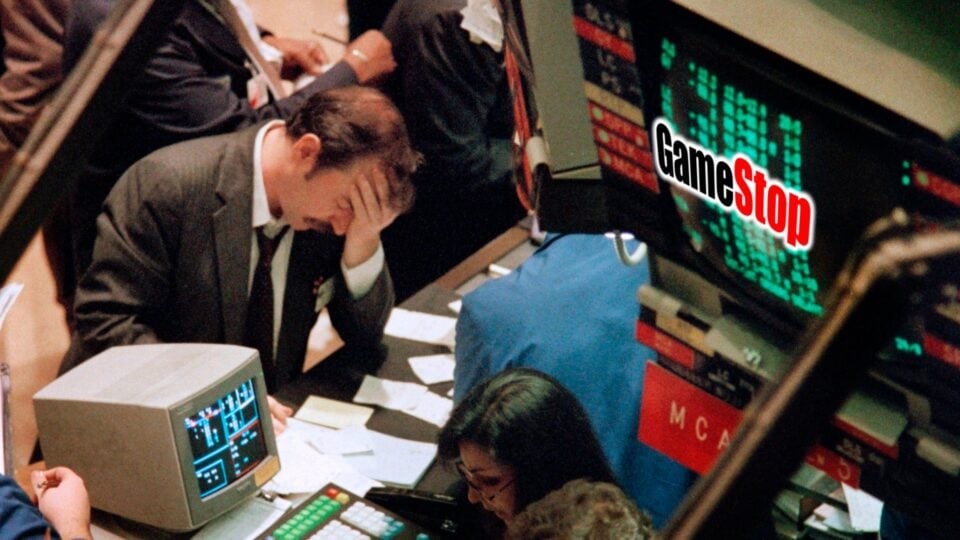
GameStop’s Meme Stock Takeover Of eBay For $56 Billion Sounds Terrible For Everyone
From Game Discs to Rare Cards: How Video Game Retailers Are Adapting to a Changing World
The world of retail is always changing, and nowhere is this more evident than in the video game industry. For many years, going to a physical store to buy the latest game was a common experience for millions. However, recent trends have pushed these retailers to re-evaluate their entire business model. One significant shift we're seeing is that some video game stores are moving away from just selling new game discs and consoles, and instead are focusing more on selling valuable items like Pokémon cards and other collectibles.
This transformation isn't just a minor adjustment; it's a fundamental pivot aimed at survival and growth in a rapidly evolving market. It reflects deeper currents in consumer behavior, technological advancements, and the ongoing quest for unique retail experiences. Let's explore why this change is happening, what it means for shoppers, and the challenges and opportunities involved in this fascinating evolution.
The Shifting Sands of Video Game Retail
To understand why a video game retailer would pivot to collectibles, we first need to look at the challenges they've faced over the past decade. The traditional model of selling physical copies of games has been under immense pressure.
The Rise of Digital Downloads
Perhaps the biggest factor has been the explosive growth of digital game downloads. Modern game consoles and PCs allow players to buy and download games directly to their devices without ever needing a physical disc. Services like Valve's Steam, Sony's PlayStation Store, Microsoft's Xbox Games Store, and Nintendo's eShop offer vast libraries of games at the click of a button. This convenience, often coupled with digital-only sales and subscription services, has made physical game sales less appealing for many consumers.
For retailers, this means fewer people walking into their stores to buy new releases. Each digital sale bypasses the physical storefront entirely, cutting off a major revenue stream. While retailers do sell digital codes for games and gift cards, the profit margins on these items are generally much lower than on physical discs, which they can buy wholesale and sell at a higher retail price.
The Decline of Physical Media
Beyond games, the broader trend against physical media also plays a role. DVDs and CDs have largely given way to streaming services, and video games are following a similar path. While some collectors still prefer physical copies for display or resale value, the mass market has largely embraced digital convenience. This trend is further accelerated by consoles that are released without disc drives, making digital purchases the only option for some gamers.
The resale market for used physical games, once a significant business for retailers, has also diminished. With fewer people buying physical games, there are fewer used games to sell. Furthermore, digital game ownership often doesn't allow for reselling, fundamentally changing the economics of game acquisition and disposal.
Competition from Online Retailers
Even for physical game sales, traditional brick-and-mortar stores face fierce competition from online giants like Amazon. These companies can often offer lower prices, wider selections, and the ultimate convenience of home delivery. This makes it difficult for a dedicated video game retailer to compete on price or inventory breadth, especially when dealing with high-volume, low-margin products like new release games.
Online marketplaces also serve as a hub for both new and used games, providing alternatives for consumers who still prefer physical copies but seek better deals or rarer titles than a typical retail store might offer.
Changing Consumer Habits
Consumer habits have evolved significantly. People are looking for more than just a transaction; they seek experiences. Shopping online for a game is quick and efficient, but it lacks the social aspect or the "treasure hunt" feel of browsing a physical store. Retailers need to offer a compelling reason for customers to visit their locations.
Moreover, the gaming community itself has diversified. While core gamers are still important, the rise of casual gaming, mobile gaming, and esports means a broader audience with different interests. A store solely focused on new console game releases might miss out on capturing these new segments of the market.
The Allure of Collectibles: A New Frontier
Given the challenges, the shift to collectibles makes a lot of sense. These items offer a different kind of value and appeal, opening up new avenues for revenue and customer engagement.
What are "Collectibles"?
When we talk about collectibles, we're referring to a broad category of items that hold value beyond their initial purchase price, often due to rarity, nostalgia, or cultural significance. This includes, but isn't limited to:
- Trading Card Games (TCGs): Pokémon cards, Magic: The Gathering, Yu-Gi-Oh!, sports cards, etc. These often have a secondary market for rare individual cards worth hundreds or thousands of dollars.
- Action Figures & Statues: Licensed figures from popular movies, TV shows, video games, and comics. Brands like Funko Pop have created a massive market for these items.
- Retro Video Games & Consoles: Older games and systems that are no longer in production, appealing to nostalgia and historical preservation.
- Limited Edition Merchandise: Exclusive items like apparel, pins, posters, or specialized game editions.
- Comics & Graphic Novels: High-value issues or entire series.
These items tap into a different kind of consumer passion – the desire to collect, complete sets, or own a piece of cultural history.
Higher Profit Margins
One of the most attractive aspects of collectibles for retailers is the potential for higher profit margins. Unlike new video games, which often have tight margins dictated by publishers and console makers, collectibles can be acquired and sold with greater flexibility. A rare Pokémon card, for instance, might be bought at a reasonable price and resold for a substantial profit, especially if the retailer has expertise in assessing its value and authenticity.
This higher margin allows retailers to absorb some of the overhead costs associated with a physical storefront and staff, making the business more sustainable. It also enables them to invest more in creating an appealing store environment.
Resilience to Digital Disruption
Physical collectibles are inherently resistant to digital disruption. You can't download a Pokémon card or a Funko Pop figure. Their physical presence, tactile nature, and displayability are core to their appeal. This provides a stable product category that isn't threatened by the same digital trends that have undermined physical game sales.
While digital versions of trading card games exist, they don't diminish the value or desire for the physical cards, which often have different rule sets or a different collecting experience. The authenticity and tangibility of a physical collectible remain paramount for collectors.
Creating a "Destination" Store
Selling collectibles can transform a generic retail space into a "destination" store. Collectors often enjoy browsing, discovering rare items, and interacting with staff who share their passions. A well-stocked collectible section can draw customers who might not otherwise visit a video game store, offering them a unique shopping experience that online retailers can't replicate.
These stores can become places where people spend time, explore, and find joy in the hunt for their next valuable acquisition, rather than just quickly buying a predetermined item. This shift from transactional shopping to experiential shopping is vital for physical retail survival.
Community Building and Events
Collectibles, especially trading card games, lend themselves perfectly to community building. Stores can host tournaments, trading events, or casual play sessions. This turns the store into a hub where enthusiasts can meet, socialize, and engage with their hobby. Such events not only drive foot traffic but also foster customer loyalty and create a vibrant atmosphere that reinforces the store's role as a community gathering place.
This sense of community is a powerful differentiator from online shopping. It provides a social incentive for customers to visit, often leading to impulse purchases and repeat business. For more information on community building in retail, you might explore retail community strategies.
Navigating the Pivot: Challenges and Opportunities
While the move to collectibles offers many benefits, it's not without its challenges. Retailers must carefully manage this transition to succeed.
Inventory and Authentication
Managing inventory for collectibles is vastly different from managing new video games. Collectibles can vary wildly in value, authenticity, and condition. Retailers need staff with specialized knowledge to identify genuine articles, assess their condition, and price them appropriately. This requires training and potentially investment in tools or partnerships with authentication services.
Furthermore, sourcing valuable collectibles can be more complex than ordering new games from a distributor. It often involves buying from individual sellers, trading, or attending conventions, demanding a different supply chain approach.
Staff Training and Expertise
The sales associates who used to be experts in video game genres and console specs now need to understand the nuances of Pokémon card rarity, Magic: The Gathering card sets, or the different types of Funko Pop chases. This requires significant training and a shift in hiring priorities. Staff need to be passionate about collectibles to genuinely connect with customers and provide knowledgeable assistance.
A poorly informed staff can quickly deter serious collectors, undermining the store's credibility in this specialized market.
Marketing to a New Audience
The audience for high-value collectibles might overlap with gamers, but it also includes distinct groups with different interests and buying habits. Retailers need to adjust their marketing strategies to reach these new demographics. This might involve advertising in different hobbyist magazines, engaging with online collector communities, or participating in specific conventions and events.
The branding of the store might also need to evolve to reflect its broader offering, signaling to potential customers that it's more than just a video game shop.
Maintaining Brand Identity
A key challenge is how to pivot without completely alienating the existing video game customer base. Retailers need to find a balance between their traditional identity and their new direction. It's about expanding their appeal, not abandoning their roots entirely. A store that still offers a good selection of games, even if less prominent, can maintain its core customers while attracting new ones.
The brand message should communicate evolution rather than a complete departure, reassuring long-time patrons while enticing new ones. Discover more about brand identity and adaptation.
Competition from Specialized Shops
Video game retailers entering the collectibles market will face competition from established local hobby shops and online collectible stores that have specialized in these items for years. These competitors often have deep expertise, loyal customer bases, and finely tuned supply chains. Newcomers must demonstrate their credibility and offer unique value propositions to carve out their space.
This competition can be fierce, making differentiation through excellent service, community events, or unique inventory crucial for success.
Success Stories and Future Outlook
Despite the challenges, many retailers are successfully navigating this pivot, transforming themselves into hybrid models that blend gaming with various other passion-driven products.
Hybrid Retail Models
The most successful stores often adopt a hybrid model, dedicating sections to traditional video games (especially popular new releases and console accessories) while significantly expanding their collectibles offerings. This allows them to cater to both their existing audience and the new collector market.
These stores might also diversify further into related categories like anime merchandise, pop culture apparel, or tabletop board games, creating a comprehensive entertainment retail experience.
Experiential Shopping
The future of physical retail, especially for non-essential goods, lies in offering experiences. Stores that host tournaments, art exhibits, cosplay events, or even just comfortable lounge areas for gaming or trading, are more likely to thrive. They become community hubs where people can connect over shared interests.
This focus on experience adds value that online shopping simply cannot replicate, turning a store visit into an event rather than just a chore.
The Role of Nostalgia
Collectibles, especially retro games and trading cards, heavily tap into nostalgia. Many adult collectors are reliving childhood memories or collecting items they couldn't afford when they were younger. Retailers who understand and cater to this emotional connection can build a strong rapport with their customers.
Nostalgia is a powerful selling tool, encouraging deeper engagement and a willingness to invest in items that evoke cherished memories.
What This Means for Gamers
For gamers, this pivot has mixed implications. On one hand, the shift away from physical games means fewer options for buying new discs in stores, and potentially less focus on classic game trade-ins. However, it also means a more diverse retail landscape.
Video game stores that embrace collectibles can become more interesting places to visit, offering a wider range of products that appeal to various aspects of gaming culture. You might go in for a new game and leave with a rare card or a cool action figure. These stores can also become better community centers, hosting events that bring gamers and collectors together.
Ultimately, this adaptation ensures that physical retail stores remain relevant in an increasingly digital world. By transforming their offerings, these retailers are not just surviving; they are redefining what a "video game store" can be, evolving into broader hubs for pop culture and hobby enthusiasts. This creates a more dynamic and engaging environment for everyone who walks through their doors, proving that even in the face of digital revolution, there's still a significant place for the tangible, the collectible, and the communal experience of physical retail. Learn more about the future of gaming retail.
Conclusion: Adapting to Thrive
The decision by video game retailers to pivot towards Pokémon cards and other collectibles is a clear sign of their determination to adapt and thrive in a rapidly changing market. It's a strategic response to the challenges posed by digital downloads, online competition, and evolving consumer preferences.
By embracing items with higher profit margins, resilience to digital disruption, and the power to foster community, these retailers are not just selling products; they are selling experiences, nostalgia, and a sense of belonging. While the transition comes with its own set of hurdles, from managing complex inventory to training specialized staff, the potential rewards are significant.
This transformation ensures that physical stores remain relevant, evolving from mere points of sale for games into vibrant hubs for collectors and enthusiasts of all things pop culture. It's a testament to the enduring appeal of physical items and the human desire for shared passions, proving that even in a digital age, there's still a cherished place for brick-and-mortar establishments that understand and cater to the collector's heart.
from Kotaku
-via DynaSage
