
Forza Horizon 6 Makes Cherry Blossoms Unbreakable Because ‘They’re An Iconic Element Of Japanese Culture’
Exploring Japan in Forza Horizon: Balancing Immersion with Cultural Respect
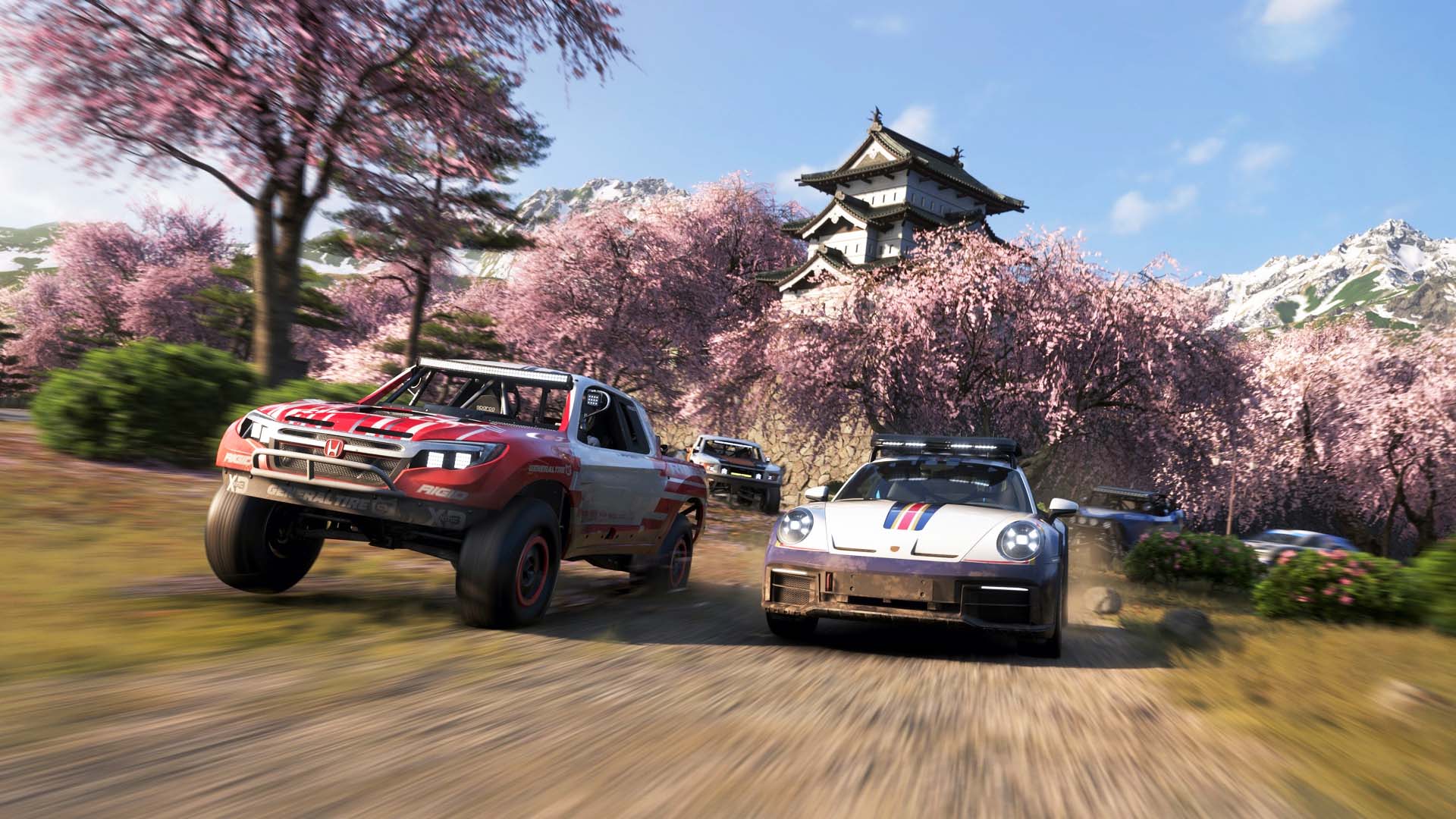
The idea of a video game, especially an open-world racing title like Forza Horizon, taking players to the beautiful and diverse landscapes of Japan has been a dream for many fans for a very long time. Imagine tearing through bustling Tokyo streets, drifting around the serene curves of Mount Fuji, or speeding past ancient castles and vibrant cherry blossom trees. The potential for stunning visuals and thrilling races in a Japanese setting is truly immense, and it's something gamers have actively wished for across various online forums and social media platforms for years. The iconic imagery of Japan, from its high-tech cities to its tranquil countryside, seems like a perfect match for the adventurous spirit of the Forza Horizon series.
However, bringing such a rich and culturally significant location to life in a video game isn't just about creating pretty graphics or exciting race tracks. It involves a deep understanding and respect for the country's heritage, traditions, and sacred sites. Game developers, particularly Playground Games, the studio behind Forza Horizon, face a complex challenge: how to capture the essence of a real-world location while also ensuring that all cultural elements are represented thoughtfully and respectfully. This balance is crucial, especially when dealing with elements that hold significant spiritual or historical value to a population.
The Dream of Forza Horizon Japan
Forza Horizon is known for its ability to transport players to incredibly detailed and vibrant open-world environments. From the sun-drenched beaches of Australia in Forza Horizon 3, to the stunning British countryside in Forza Horizon 4, and more recently, the breathtaking vistas of Mexico in Forza Horizon 5, each game has offered a unique cultural and geographical experience. Players aren't just racing; they're exploring, discovering, and immersing themselves in a digital recreation of a real place. The allure of Japan as the next destination is understandable. It offers an incredible blend of natural beauty—from snowy mountains and dense forests to picturesque coastlines—and modern architectural marvels, alongside a deep history and unique cultural identity.
Imagine driving through fields of blooming cherry trees, a scene often depicted in Japanese art and photography, just like the one in the image above. These "sakura" are not just beautiful; they symbolize the fleeting nature of life and beauty, a profound concept in Japanese culture. Recreating such natural wonders accurately would undoubtedly enhance the game's visual appeal and provide players with truly memorable moments. Beyond the natural landscapes, Japan's diverse urban environments, from the neon glow of Shibuya to the historical charm of Kyoto, offer endless possibilities for exciting street races, drift challenges, and exploration. The variety is what makes Japan such an exciting prospect for an open-world game, promising an experience that would feel distinct from previous iterations of the series.
Cultural Sensitivity in Game Development
While the excitement for a Japanese setting is high, Playground Games, like many responsible developers today, considers the profound importance of cultural sensitivity. The snippet from the original text highlights a key decision: "Playground Games also opted to not include some Japanese temples and shrines to avoid being disrespectful." This seemingly simple statement reveals a deep ethical consideration at the heart of modern game development. It's not just about what you can put in a game, but what you should or should not include, especially when dealing with sacred or historically significant locations.
Temples and shrines in Japan are not merely tourist attractions or architectural landmarks. They are sacred places of worship, meditation, and cultural heritage. They hold immense spiritual significance for millions of people and are deeply embedded in the fabric of Japanese society and religion, including Shintoism and Buddhism. To include them in a racing game, where players might be encouraged to drive at high speeds, perform stunts, or even accidentally (or intentionally) crash into structures, could be seen as deeply offensive and disrespectful. The interactive nature of a video game means players have agency, and that agency, if unchecked, can lead to actions that desecrate or trivialize sacred spaces.
Why Exclude Sacred Sites?
The decision to omit temples and shrines stems from several key concerns when developing a game like Forza Horizon:
- Respect for Religious and Cultural Significance: As mentioned, these are sacred spaces. Their primary purpose is spiritual. Incorporating them into a context focused on high-speed racing fundamentally changes their perceived purpose, potentially trivializing their importance.
- Risk of Disrespectful Interaction: In a racing game, players might drive through, over, or crash into buildings. While this is acceptable for fictional obstacles, doing so to a digital representation of a sacred site could be deeply insulting to those who hold these places dear. Even if destruction isn't possible, the mere act of racing past a digital shrine at 200 mph might feel wrong to some.
- Avoiding Misrepresentation: Video games, especially those with realistic graphics, can heavily influence perceptions of a place. Developers have a responsibility to accurately and respectfully represent cultures, rather than inadvertently creating a caricature or a setting where sacred elements are reduced to mere background props.
- Maintaining Atmosphere and Tone: The high-octane, sometimes chaotic, atmosphere of a Forza Horizon festival might clash with the serene, contemplative nature associated with temples and shrines. Blending these two distinct moods without causing dissonance or disrespect is a difficult task.
- Legal and Ethical Scrutiny: In an increasingly interconnected world, misrepresentation or disrespect in media can quickly lead to widespread criticism, affecting a game's reputation and potentially facing backlash from cultural groups or even governments. Developers are becoming more aware of these risks and often seek to proactively avoid such issues.
Balancing Authenticity with Respect
The challenge for Playground Games and other developers isn't to create a sterile or bland version of Japan. Instead, it's about finding ways to celebrate and capture the country's unique beauty and cultural richness without crossing lines of respect. This means focusing on elements that are broadly appreciated and don't carry the same sacred weight as religious structures. For example, showcasing Japan's stunning natural landscapes, its modern cityscapes, its traditional architecture (that isn't sacred), and its vibrant seasonal changes can still offer an incredibly authentic and immersive experience.
Think about the importance of those cherry blossom trees mentioned earlier. They are a universal symbol of Japan, cherished for their beauty and their philosophical meaning, yet they are not sacred sites in the same way a shrine is. Including them in abundance, ensuring their seasonal bloom is accurately depicted, adds immense cultural flavor without risk of disrespect. Similarly, incorporating elements like traditional Japanese gardens (carefully, ensuring no sacred elements are involved), bustling street markets, iconic bridges, and unique architectural styles can create an undeniable sense of place.
The Role of Cultural Consultants
To navigate these complex issues, leading game development studios often employ or consult with cultural experts and local consultants. These individuals, who have a deep understanding of the specific culture being represented, can provide invaluable guidance on what can and cannot be included, how elements should be portrayed, and what nuances might be missed by an external development team. Their role is to ensure that the game not only looks authentic but also feels authentic and respectful to the people whose culture it represents.
A cultural consultant might advise on the appropriate use of specific architectural styles, the correct way to depict certain natural phenomena, or indeed, the complete exclusion of highly sensitive landmarks. This collaborative approach helps prevent accidental cultural appropriation, stereotyping, or disrespect, leading to a richer and more universally appreciated game experience. It ensures that the desire for authenticity doesn't overshadow the need for respect. This partnership between creative vision and cultural expertise is vital for modern game development.
What Can We Expect from a Forza Horizon Japan Setting?
Even without direct recreations of specific temples and shrines, a Forza Horizon game set in Japan could be incredibly rich and diverse. Here are some elements that could be included to provide an authentic and exciting Japanese experience, while maintaining cultural respect:
- Iconic Natural Landscapes: Beyond cherry blossoms, Japan boasts incredible natural wonders like the majestic Mount Fuji, serene bamboo forests, rugged coastlines, steaming volcanic hot springs (onsens), and lush national parks. These provide varied terrain for racing, exploration, and spectacular photography opportunities within the game.
- Diverse Urban Environments: From the futuristic skyscrapers and neon signs of Tokyo (perhaps a fictionalized version inspired by the real city) to the charming, narrower streets of older cities like Kyoto, these offer distinct driving challenges and visual spectacles, immersing players in both modern and traditional urban Japan.
- Traditional Non-Sacred Architecture: Historically inspired buildings like grand samurai castles (ruins or preserved sites that are more historical landmarks than active places of worship), traditional farmhouses, and old merchant districts with their unique wooden structures can add depth and character to the open world.
- Seasonal Changes: Japan experiences four distinct seasons, each with its unique beauty—snowy winters, vibrant spring blossoms, lush green summers, and fiery autumn foliage. Forza Horizon is famous for its dynamic seasons, and Japan would be a perfect canvas for this feature, offering constantly evolving visual experiences.
- Cultural Events and Festivals (Non-Religious): While avoiding sacred elements, Japan has many lively festivals (matsuri) focused on food, art, or seasonal celebrations that could inspire in-game events, challenges, or simply add to the atmosphere with colorful decorations and crowds.
- Unique Road Networks: Japan is known for its incredible roads, from challenging mountain passes and winding coastal routes perfect for drifting to efficient modern highways. These would be a dream for racing game enthusiasts, offering a wide variety of driving experiences.
- Local Fauna and Flora: Incorporating elements of Japanese wildlife (within appropriate game mechanics) and diverse plant life, beyond just cherry trees, would further enhance the sense of place and ecological authenticity of the digital environment.
- Music and Sound Design: An authentic soundtrack incorporating traditional Japanese instruments and modern Japanese genres, alongside accurate ambient sounds from urban and rural environments, would significantly contribute to immersion and the overall cultural experience.
The goal would be to create a Japan that is recognizable and beautiful, filled with opportunities for exhilarating driving, without treading on sensitive cultural ground. It's about capturing the *spirit* of Japan, rather than a literal, unedited recreation of every single landmark, especially those that are sacred.
The Broader Impact of Cultural Representation in Gaming
The decision by Playground Games regarding Japanese temples and shrines is part of a larger trend in the video game industry. As games become more globalized and reach wider audiences, developers are increasingly aware of their role in cultural representation. This isn't just about avoiding offense; it's also about promoting understanding and appreciation of different cultures. When done well, a game can introduce players to new places, histories, and traditions in an engaging and respectful way, fostering a broader global perspective.
Conversely, poor or disrespectful representation can perpetuate stereotypes, cause offense, and alienate potential players. The gaming community itself is more diverse than ever, and players are vocal about wanting authentic and respectful portrayals of their own cultures and those they admire. This growing awareness pushes developers to invest more in research, consultation, and thoughtful design choices, moving beyond simplistic or stereotypical depictions.
This approach extends beyond specific landmarks. It influences character design, narrative choices, music, and even gameplay mechanics. For example, if a game features characters from a certain culture, developers might ensure their clothing, dialogue, and mannerisms are authentic and not stereotypical. If a story touches on historical events, it's crucial to approach them with accuracy and sensitivity, understanding their true impact and avoiding trivialization.
For a racing game like Forza Horizon, the focus is largely on the environment and the cars. Therefore, the environmental design team bears a significant responsibility. Their task is to craft a world that is visually stunning, fun to drive in, and culturally resonant. By choosing to omit sacred sites, they are prioritizing respect, demonstrating a commitment to creating a game that can be enjoyed by everyone, including those for whom these places hold deep personal meaning. This thoughtful consideration strengthens the game's universal appeal.
Player Expectations vs. Developer Responsibilities
Players often desire complete freedom and maximum realism in open-world games. They might expect to see every famous landmark recreated with perfect accuracy. However, developers have a responsibility that goes beyond fulfilling every player wish. They must also consider ethical implications, legal rights (for certain landmarks or designs), and the potential impact of their creative choices on a global audience.
In the case of Japan, while some players might wish for an exact 1:1 replica of famous shrines, the developers are weighing that desire against the potential for cultural insensitivity and disrespect. This often leads to a compromise where the *spirit* of the location is captured through a combination of fictionalized but inspired landmarks, iconic natural features, and culturally specific architectural styles that are not sacred. This allows for an immersive experience without risking offense, creating a harmonious balance between fantasy and respect.
This decision-making process is a testament to the evolving landscape of game development, where social responsibility is becoming as important as technical innovation and graphical fidelity. It's about creating content that not only entertains but also respects the world it draws inspiration from. Developers are increasingly seen as cultural storytellers, and with that comes a heightened sense of accountability to accurately and respectfully portray the diverse tapestry of global cultures. This is a positive step forward for the industry.
Conclusion: A Thoughtful Journey
The prospect of a Forza Horizon game set in Japan remains incredibly exciting, promising a breathtaking blend of high-speed racing and stunning scenery. The decision by Playground Games to thoughtfully exclude specific Japanese temples and shrines, though perhaps surprising to some, highlights a commendable commitment to cultural respect. It’s a nuanced approach that seeks to deliver an authentic and immersive experience while prioritizing sensitivity towards the deeply held cultural and religious values associated with these sacred sites.
This choice signifies a mature and responsible approach to game design. It acknowledges that not all elements of a real-world location are suitable for direct translation into a video game, especially one focused on dynamic and sometimes destructive interactions. By focusing on Japan's incredible natural beauty, its diverse modern and traditional non-sacred architecture, and its vibrant atmosphere, the developers can still craft a compelling and respectful digital representation. Ultimately, this thoughtful consideration will likely lead to a game that is not only visually spectacular and thrilling to play but also one that fosters appreciation and respect for the rich culture of Japan, ensuring a positive experience for players worldwide. This balance between engaging gameplay and deep cultural awareness is what will make a potential Forza Horizon Japan a truly special entry in the series.
from Kotaku
-via DynaSage
