
Foldable iPhone 'Ultra' Rumored to Launch in Just Two Colors
Apple's Foldable iPhone 'Ultra' Set for a Groundbreaking Launch with a Surprisingly Classic Color Palette
The tech world is buzzing with anticipation for Apple's first-ever foldable iPhone, widely expected to be named the "iPhone Ultra." This device promises to redefine smartphone innovation, introducing a new form factor to Apple's iconic lineup. However, as excitement builds for its cutting-edge technology and revolutionary design, new insights from multiple leakers suggest a surprisingly restrained approach to its aesthetics, particularly concerning its color options. Sources indicate that the iPhone Ultra may launch with as few as two colors, deliberately avoiding the bold or vibrant finishes often seen in other smartphone lines. This strategic decision, while perhaps unexpected by some, aligns with Apple's historical approach to introducing groundbreaking products and navigating the complexities of advanced manufacturing.
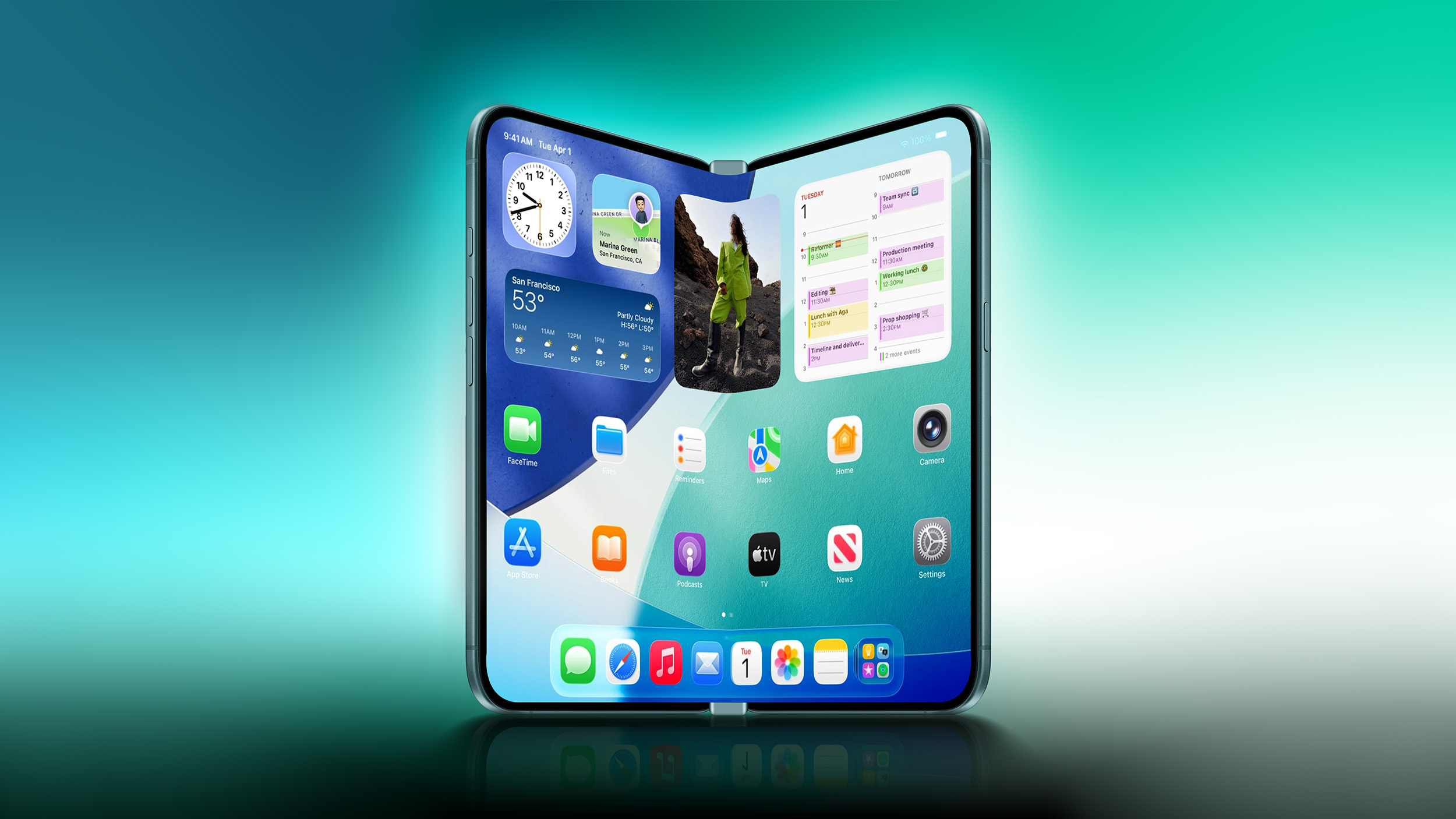
Unpacking the Color Rumors: A Glimpse into the iPhone Ultra's Aesthetic Direction
The journey into understanding the iPhone Ultra's potential color palette began earlier this year, setting a conservative tone for what many expect to be Apple’s most ambitious smartphone project to date. In February, the well-regarded Weibo leaker known as "Instant Digital" offered an initial account of the foldable iPhone's design. At that time, Instant Digital reported that the device would be available in just two color options. Of these, white was the only shade "confirmed," leaving the second option shrouded in mystery. This early report immediately hinted at a departure from the broader, sometimes more playful, color offerings Apple provides for its standard iPhone models, instead pointing towards a more premium and understated aesthetic for its foldable debut.
The credibility of this initial leak was significantly bolstered when Instant Digital revisited their February report more recently. Crucially, in their updated assessment, they did not alter any details regarding the color options, maintaining the prediction of a two-option launch. This reaffirmation from a consistent and generally accurate source lends considerable weight to the speculation that Apple intends to keep the initial color selection extremely limited. For many in the tech community, consistent reporting from multiple, reliable leakers often indicates a high probability of accuracy, suggesting that the iPhone Ultra will not be a device that seeks to dazzle primarily with a wide array of chromatic choices but rather with its core technology and design innovation.
Adding further detail to these early reports, Macworld, citing an unnamed supply chain source, recently provided new information about the foldable's potential color options. According to this source, the iPhone Ultra will likely debut in a classic silver and white model, alongside an intriguing indigo option. This indigo shade is described as being similar to the Deep Blue finish seen on the iPhone 17 Pro. This description suggests a sophisticated, muted blue rather than a bright, eye-catching hue. The Deep Blue on the iPhone 17 Pro was known for its subtlety and richness, shifting tones slightly depending on the light, which would align perfectly with the earlier reports of Apple avoiding "bold or vibrant colors" for the Ultra.
The same supply chain source further confirmed that the foldable device would offer fewer choices than the forthcoming iPhone 18 Pro models. This distinction is significant. Apple often differentiates its "Pro" lines with more understated, professional color options, while standard models might feature a broader and more playful palette (think of the vibrant colors available for the standard iPhone 15, for example). For the iPhone Ultra, being even more limited than the Pro models underscores a strategic decision to prioritize aspects other than aesthetic variety at launch. The confirmed absence of bold or vibrant colors speaks volumes about Apple's initial positioning of this groundbreaking device—it's likely intended to be seen as a premium, cutting-edge tool designed for innovation and functionality first, rather than a fashion statement primarily defined by its external hues. This aligns with a strategy that emphasizes the technological marvel beneath the surface, allowing the device's revolutionary form factor to be the main visual draw.
This approach isn't arbitrary; it reflects a carefully considered strategy, likely influenced by a combination of design philosophy, production realities, and premium market positioning. Apple, known for its meticulous attention to detail and deliberate product launches, rarely makes such decisions without significant underlying reasons. The color choices, or lack thereof, for the iPhone Ultra are therefore more than just aesthetic preferences; they are indicators of Apple's overall vision for its entry into the foldable smartphone market. They suggest a focus on timeless elegance and technological gravitas, aiming to create a device that looks as sophisticated as the innovation it contains.
A Look Back: The iPhone X Precedent and Apple's Launch Strategy for Groundbreaking Devices
For those familiar with Apple's product launch history, the strategy of introducing a revolutionary device with a limited color palette might ring a familiar bell. This isn't the first time Apple has opted for a minimalist aesthetic offering when unveiling a truly transformative product. The launch of the iPhone X in November 2017 serves as a compelling and highly relevant precedent. At the time, the iPhone X represented a generational leap for Apple, introducing an entirely new design language that would shape the iPhone's aesthetic for years to come. It was the first iPhone to feature an all-screen design, replacing the iconic home button with Face ID facial recognition and intuitive gesture controls. This radical redesign came with a then-record starting price of $999, signifying its premium positioning and advanced technology, and setting it apart as a luxury item within Apple's own product family.
Crucially, the iPhone X similarly launched in just two colors: Silver and Space Gray. These were classic, understated hues that projected sophistication and technological prowess rather than playful vibrance. The Silver option featured a clean, almost clinical white front and back with polished stainless steel edges, while the Space Gray offered a darker, more brooding aesthetic with a black front and back and a darker, PVD-coated steel frame. Apple's decision to limit the color options for such a pivotal device was not an oversight but a deliberate strategy. It allowed the focus to remain squarely on the technological innovation, the bold new design (especially the edge-to-edge OLED display and the "notch"), and the novel user experience that accompanied these changes. By offering a constrained color selection, Apple reinforced the idea that the iPhone X was a premium, cutting-edge instrument, an object of desire defined by its advanced capabilities rather than a fashion accessory that needed to cater to diverse color preferences.
The parallel with the upcoming iPhone Ultra is striking and informative. Like the iPhone X, the foldable iPhone represents a significant departure from Apple's traditional smartphone form factor. It introduces an entirely new mechanical design (the hinge), a flexible display (a technological marvel in itself), and likely a suite of new software optimizations specifically tailored to take advantage of its unique capabilities as a device that can transform its shape. It is, by all accounts, another "generational leap" – arguably even more profound than the iPhone X was, given the physical transformation of the device. Therefore, adopting a similar limited color strategy for the iPhone Ultra makes perfect sense within Apple's established historical playbook for launching truly transformative products. It emphasizes that the core innovation and user experience are paramount, with aesthetic diversity taking a back seat during this initial, critical phase.
Furthermore, Apple's strategy with the iPhone X wasn't static; it demonstrated a phased approach to product evolution. A year later, when the iPhone XS was introduced as the successor, Apple expanded the lineup by adding a luxurious Gold finish. This gradual expansion suggests a potential roadmap for the iPhone Ultra as well. It implies that while the initial launch will focus on core innovation, establishing market presence, and perhaps streamlining complex production, future iterations of the foldable iPhone—perhaps the "iPhone Ultra 2" or a similar successor—could introduce additional color options. This phased approach allows Apple to test the market, gather user feedback, further optimize manufacturing for the new and complex form factor, and then, once the initial challenges are overcome, broaden the aesthetic appeal. For early adopters willing to pay a premium for the latest technology, the initial limited color choice might be a minor consideration compared to the allure of being among the first to own Apple's revolutionary foldable device, especially knowing that more options might follow once the product category matures. This historical context is vital because it demonstrates that Apple isn't being creatively stifled but is rather applying a well-honed strategy for its most ambitious product launches. The focus is on the fundamental technological advancement, with aesthetic variety following once the foundational product is firmly established in the market. This approach manages expectations, streamlines initial production, and elevates the perception of the device as a high-end, exclusive piece of technology.
Behind the Scenes: Production Constraints and Supply Chain Realities
Beyond strategic marketing and design philosophy, a highly practical and significant factor contributing to a limited color offering for the iPhone Ultra is the intricate and often challenging reality of its production outlook. Developing and mass-producing a foldable smartphone is an incredibly complex endeavor, far more so than manufacturing a traditional slab phone. This inherent complexity translates directly into potential supply chain hurdles and production bottlenecks, especially during the early stages of a completely new product category for Apple. It's not just about assembling components; it's about perfecting new materials, intricate mechanics, and precise fabrication techniques on an industrial scale.
Renowned supply chain analyst Ming-Chi Kuo, highly respected for his accurate insights into Apple's manufacturing processes and future product plans, has issued warnings regarding these very challenges. Kuo indicated that early-stage yield and ramp-up challenges could significantly impact the availability of the foldable iPhone. "Yield" in manufacturing refers to the percentage of defect-free products out of the total produced. For a new technology like flexible OLED displays (which must withstand hundreds of thousands of folds without degradation) and complex, durable hinge mechanisms, initial yield rates are often low. This means a larger number of units fail stringent quality control checks, reducing the overall output of usable devices and making each successful unit more costly to produce. Achieving high yield rates for such intricate components is a monumental engineering feat.
"Ramp-up" refers to the process of increasing production volume from initial small batches to full-scale mass production. This phase is critical for any new product, but it's particularly challenging for cutting-edge technology that requires precision engineering, the sourcing of new materials (like ultra-thin glass or specialized polymers for the screen), and the deployment of highly specialized manufacturing equipment. For the iPhone Ultra, overcoming these initial hurdles to achieve smooth, high-volume shipments might not happen until as late as 2027. This suggests that potential shortages could persist through at least the end of 2026, making the device a rare commodity in its initial year. Consumers interested in purchasing the first foldable iPhone may need to act quickly or prepare for extended waiting periods, reminiscent of early iPhone launches or highly sought-after new Apple products.
Kuo further clarified the often-cited order figure of 15 to 20 million foldable iPhones. He stressed that this figure likely represents the *cumulative demand* across the product's full two to three-year lifecycle, rather than an annual production target for 2026 alone. This distinction is crucial for understanding the real-world availability. If 15-20 million units are spread over several years, it indicates that annual volumes will be modest, especially in the initial launch year. For example, if it's a three-year cycle, annual shipments could be in the range of 5-7 million units. For an Apple product, particularly a new flagship that generates immense global interest, this volume is considered quite limited. This modest annual volume directly impacts how many different variants Apple can reasonably produce and distribute, as splitting already limited production across many SKUs would make each individual option even scarcer.
The manufacturing process for each additional color variant is not a trivial undertaking. It adds layers of complexity and cost to an already challenging production pipeline. Each color requires separate batches of materials (e.g., anodized aluminum or glass back panels in different hues), potentially different finishing techniques to ensure color consistency and durability, and distinct quality control parameters. Furthermore, every new color variant means introducing an additional Stock Keeping Unit (SKU) that needs to be managed through the entire supply chain—from manufacturing and inventory management to logistics, packaging, and retail distribution. With a device already anticipated to be in short supply due to its complexity and new technology, Apple has little commercial incentive to broaden the initial color palette. The resources and efforts required to manage more SKUs and different production lines for various colors would be better spent ensuring a stable supply of the core product, regardless of its hue, maximizing the availability of the most important innovation.
Consider the sheer number of components and precise processes involved in a foldable phone: the multi-layered flexible OLED panel, the sophisticated multi-link hinge mechanism that allows for smooth folding and unfolding, the internal components, the specialized battery design, and the external casing materials. Ensuring high quality and consistency for all these elements across *one* or *two* color variants is already a Herculean task requiring immense investment in R&D and manufacturing. Expanding this to three, four, or even more colors multiplies the potential points of failure, introduces delays, and inevitably increases cost. When demand is expected to far outstrip supply for the fundamental technology, the prudent business decision is to streamline production as much as possible, and limiting color options is a highly effective way to achieve this, ensuring that Apple can meet at least a portion of the overwhelming initial demand with a high-quality product.
Economic Calculus: Pricing, Target Audience, and Commercial Incentives
The economic considerations surrounding the iPhone Ultra further solidify the rationale behind a limited color launch. This isn't just about manufacturing efficiency; it's also about strategic market positioning and a keen understanding of the core demographic for such a groundbreaking, high-end device. According to Bloomberg's Mark Gurman, a highly respected analyst known for his accurate insights into Apple, the iPhone Ultra's starting price is expected to "cross the $2,000 threshold." This places it firmly in the ultra-premium segment of the smartphone market, a price point that few devices currently occupy and even fewer consumers can afford or are willing to pay. This elite pricing strategy immediately defines its intended audience.
At such an exorbitant price, the iPhone Ultra is unlikely to attract the kind of mainstream buyer who might be significantly swayed by a wider range of vibrant color options. The demographic for a device costing over $2,000 typically includes early adopters, tech enthusiasts who crave the absolute latest innovations, professionals who require cutting-edge tools, and consumers seeking exclusivity, status, and a unique technological statement. These buyers are generally more concerned with the device's groundbreaking features, its technological capabilities (like the flexible display and advanced hinge), and its unique form factor than they are with having a rainbow of color choices. For them, the innovation itself, the prestige of owning Apple's first foldable, and the performance benefits will be the primary drivers of purchase, with color being a secondary, if not tertiary, consideration.
In this high-end market segment, classic, understated colors like silver, white, or a deep indigo often resonate more strongly. These tones convey a sense of luxury, professionalism, and timeless design that aligns perfectly with the premium price tag. Such colors are perceived as sophisticated and elegant, reflecting the high value and advanced nature of the product. Bold, vibrant colors, while incredibly popular and successful in more accessible smartphone lines (like the standard iPhone models), can sometimes detract from this perceived luxury, making the device feel more playful or less 'serious' than intended for an ultra-premium offering. By sticking to a restrained palette, Apple can reinforce the iPhone Ultra's image as a sophisticated, serious piece of technology designed for a discerning clientele who appreciate subtlety and enduring style over fleeting trends.
Therefore, the commercial incentive to broaden the initial color palette is minimal. If Apple knows, based on market research and historical data, that the device will be in high demand from a specific, affluent market segment that prioritizes innovation and exclusivity over a wide color variety, investing additional resources into developing and producing more colors becomes an unnecessary expense. The device will likely sell out regardless of how many colors are offered initially, making the calculation for a limited launch even simpler from a business perspective. Apple can effectively maximize profit margins and manage demand by focusing on a few core, universally appealing colors that enhance the device's premium appeal without adding unnecessary complexity to the supply chain or diluting its exclusive image. This lean approach allows Apple to concentrate its efforts and resources where they will have the most impact: on the revolutionary technology itself.
This decision also aligns with a common strategy often observed in the luxury goods market, where exclusivity and a focus on core craftsmanship and brand identity often take precedence over extensive customization options at launch. High-end cars, designer watches, and premium fashion items frequently begin their product cycles with a limited, classic selection, gradually introducing more variations or special editions as the product matures and production processes become more refined. Apple is applying a similar playbook to its most ambitious smartphone launch to date, ensuring that the initial impression is one of unparalleled innovation and refined exclusivity, setting a high standard for its entry into the foldable arena. This approach not only streamlines production but also reinforces the brand's image as a purveyor of high-end, meticulously crafted technology.
The Road Ahead: Anticipating the iPhone Ultra's Debut
All signs point to the iPhone Ultra being a headline-grabbing announcement in September 2026. This highly anticipated device is expected to be unveiled alongside the next generation of Apple's traditional flagship smartphones, the iPhone 18 Pro and iPhone 18 Pro Max. The timing of this launch positions the iPhone Ultra not just as another addition to the iPhone lineup, but as the ultimate demonstration of Apple's engineering prowess, likely taking center stage at the annual fall event as the "one more thing" that captures global attention. This concurrent launch also helps to distinguish the Ultra as a truly separate, ultra-premium tier above even the Pro models.
When it finally makes its debut, the iPhone Ultra will represent more than just a new phone; it will signify Apple's formal entry into the competitive and rapidly evolving foldable smartphone market. This move has been anticipated for years, ever since foldable technology first began to emerge from competitors. Its arrival is expected to send ripples across the entire tech industry, potentially setting new benchmarks for design, durability, software integration, and user experience in the foldable category, much like the original iPhone revolutionized the smartphone market. While the limited color options might seem like a minor detail to some, they are, as we've explored, deeply intertwined with Apple's overarching strategic vision for this monumental product, contributing to its premium image and focused launch.
The choice to launch with a restrained palette of sophisticated colors like silver, white, and indigo underscores Apple's intent to position the iPhone Ultra as a premium, cutting-edge device focused on technological breakthrough and refined elegance, rather than broad aesthetic appeal. It reflects a calculated approach to managing the inherent complexities of introducing a completely new form factor, optimizing intricate production processes, and strategically targeting a specific, high-end demographic. Just as the iPhone X paved the way for modern smartphones with its revolutionary design and limited launch colors, setting a new standard for smartphone aesthetics and functionality, the iPhone Ultra is poised to do the same for the foldable era, establishing a foundation upon which future iterations and broader options can build, once the core technology is firmly established and perfected in the market.
Ultimately, while consumers might initially desire more vibrant choices, the strategy behind the iPhone Ultra's limited colors is a testament to Apple's pragmatic and long-term approach to innovation. It’s about delivering a truly revolutionary device first, ensuring its uncompromising quality, durability, and managing its complex production, before expanding its aesthetic range. This deliberate pacing allows Apple to perfect the core product experience, which is particularly crucial for a device that introduces an entirely new way of interacting with a smartphone. The wait for the iPhone Ultra continues, and with each new detail, the picture of Apple’s most ambitious smartphone yet becomes clearer – a powerful blend of groundbreaking technology, understated elegance, and a strategically managed entry into the future of mobile computing.
This article, "Foldable iPhone 'Ultra' Rumored to Launch in Just Two Colors" first appeared on MacRumors.com
Discuss this article in our forums
from MacRumors
-via DynaSage
