
Energizer Launches AirTag-Compatible Batteries That Prevent Ingestion Burns
A New Era for Child Safety: Energizer's Innovative AirTag Batteries Combat Ingestion Burns
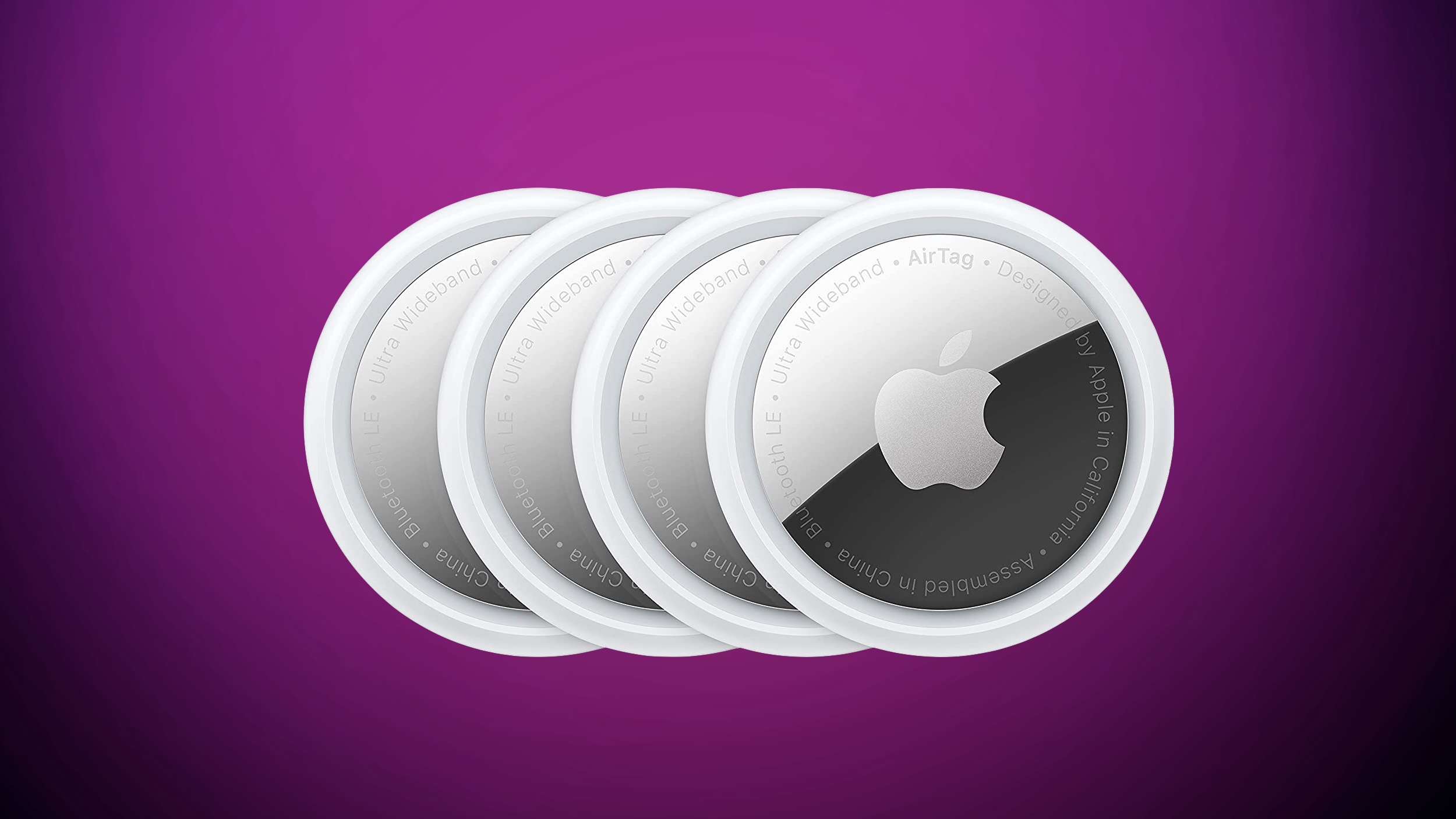
In a significant step forward for child safety, Energizer has recently unveiled a groundbreaking innovation: the new Energizer Ultimate Child Shield coin lithium batteries. These revolutionary batteries are designed to prevent life-threatening ingestion burns, a hazard that has tragically affected countless families worldwide. Importantly, they are available in the 2032 size, making them fully compatible with popular devices like Apple's AirTags.
This launch marks a pivotal moment, addressing longstanding concerns about the dangers posed by small, coin-shaped batteries to curious children. For years, parents and safety advocates have grappled with the severe risks associated with these common power sources. Energizer's new line of batteries, packed with multiple innovative safety features, promises to bring much-needed peace of mind to caregivers, transforming a potential danger into a significantly safer product. This development not only enhances the safety of devices like AirTags but also sets a new standard for battery design across the industry.
Understanding the Silent Threat: Why Coin Batteries Are Dangerous
Coin lithium batteries, often referred to as button cells, are ubiquitous in modern homes. They power a vast array of small electronic devices, from remote controls and calculators to watches, toys, medical devices, and, notably, Apple AirTags. Their small, shiny, and easily swallowed shape makes them particularly attractive and dangerous to infants and toddlers who explore their world by putting objects in their mouths.
The danger of these batteries goes far beyond simple choking. When a coin lithium battery is swallowed and gets lodged in a child's esophagus or other moist body tissues, saliva acts as a conductor, completing an electrical circuit. This rapidly triggers an electrochemical reaction, leading to the formation of hydroxide, a highly corrosive alkaline chemical. This process essentially causes an electrical burn that can lead to severe tissue damage, often within a mere two hours of ingestion. The speed and severity of this reaction are what make these incidents so critical and often life-threatening.
The consequences of such ingestion can be devastating and long-lasting. Children can suffer from perforations of the esophagus, damage to the trachea (windpipe), vocal cord paralysis, and even erosion into major blood vessels, leading to fatal hemorrhages. Many survivors face extensive surgeries, feeding tubes, and years of ongoing medical care. Recognizing the symptoms of battery ingestion can also be challenging, as they often mimic common childhood illnesses like colds, flu, or simple choking, leading to delayed diagnosis and treatment, which further exacerbates the damage. This silent and swift danger underscores the urgent need for enhanced safety measures.
Energizer's Multi-Layered Approach to Child Safety
Energizer's Ultimate Child Shield batteries introduce a comprehensive suite of safety innovations designed to mitigate the risks of accidental ingestion. These features work in concert to protect children at multiple stages, from deterrence to immediate alert.
Preventing Ingestion Burns: A Revolutionary Chemical Design
The most significant breakthrough in these new batteries is their inherent inability to cause ingestion burns if swallowed. Traditional coin lithium batteries, when exposed to saliva, create an electrical current that generates corrosive hydroxide, causing severe internal burns. Energizer has engineered its Ultimate Child Shield batteries with a patented design or chemical modification that effectively prevents this dangerous electrochemical reaction from occurring when the battery comes into contact with moist tissues. This fundamental change in battery chemistry or construction means that even if a child swallows the battery and it lodges internally, the life-threatening burning reaction will not take place, dramatically reducing the risk of severe injury or death. This innovation moves beyond traditional deterrents to fundamentally alter the hazard itself.
Immediate Alert System: The Mouth-Blue Indicator
Beyond preventing burns, Energizer has integrated an ingenious visual alert system. The Child Shield batteries include a special element that turns the mouth blue upon exposure to saliva. This innovative feature serves as an immediate, unmistakable signal to caregivers that ingestion has occurred. In situations where children might not be able to articulate what they've done, or where symptoms are non-specific, this blue indicator provides critical, rapid detection. Early detection is paramount in any accidental ingestion scenario, allowing parents or guardians to act quickly, seek medical attention, and ensure any necessary interventions are applied without dangerous delays. This simple yet effective visual cue bridges a critical gap in accidental ingestion management.
Deterrent Coating: A Bitter Taste for Safety
As an initial line of defense, the new batteries also incorporate a non-toxic bitter coating. This coating is designed to make the battery taste unpleasant, deterring children from putting it in their mouths or quickly spitting it out if they do. Bitter coatings have been a recognized safety feature in various products for children, and their application to coin batteries provides an important initial barrier. While not foolproof, as determined children might still manage to swallow them, it significantly reduces the likelihood of ingestion and adds an extra layer of protection, making the product less appealing for oral exploration.
Together, these three features – burn prevention, immediate visual alert, and bitter deterrence – create a robust, multi-faceted safety solution that significantly enhances the protection offered by these small yet powerful batteries. Energizer's proactive approach sets a new benchmark for product safety in a category that has long been a source of parental concern.
Apple AirTags and the Child Safety Debate
When Apple launched its AirTag item trackers in 2021, the convenience and utility they offered were immediately apparent. Using ultra-wideband technology and Apple's vast global Find My network, AirTags quickly became popular for locating lost keys, wallets, and other personal items. However, their design, specifically the user-replaceable CR2032 coin lithium battery, soon sparked a significant safety debate.
A concerned retailer in Australia made headlines by stopping the sale of AirTags, citing worries that the battery compartment was too easily accessible to children. To replace the battery in an AirTag, a user needs to press down on the metallic back cover and twist it counter-clockwise, a two-step process. Apple maintained that this "press and twist" mechanism met international child safety standards for battery compartments, which typically require a tool or two independent and simultaneous movements to open.
Despite Apple's assurances, the controversy gained traction, leading Australia's Competition and Consumer Commission (ACCC) to issue a public warning. The ACCC advised parents to keep AirTags out of reach of children, expressing concerns that the press and twist motion, while technically meeting some standards, might not be sufficiently child-resistant in practice, especially for persistent or older toddlers. The commission highlighted the severe risks associated with coin battery ingestion and underscored the need for utmost caution.
In response to the growing public interest and regulatory scrutiny, Apple took proactive steps in the U.S. The company added a prominent warning label to the AirTag box, explicitly stating that the coin-cell battery should be kept out of reach of children due to the risk of injury or death if ingested. Additionally, Apple incorporated a similar warning within the AirTag section of the Find My app, which appears when a user attempts to change the battery, reinforcing the critical safety message at a relevant moment. These measures, while important, were primarily informational and placed the onus of safety largely on the consumer, highlighting the ongoing challenge of making such widely used devices truly child-safe.
Reese's Law: A Catalyst for Stricter Safety Standards
Apple's decision to add these crucial warning labels to AirTag packaging and within the Find My app was not made in a vacuum. It came in the wake of significant legislative action in the U.S., specifically the adoption of "Reese's Law." This landmark legislation, passed in 2022, is named in memory of Reese Hamsmith, a courageous 18-month-old toddler who tragically died in 2020 after swallowing a coin-cell battery. The battery, in her case, came from a remote control, underscoring that the danger extends far beyond just AirTags to any household device powered by these small cells.
Reese's Law mandates that consumer products containing coin or button cell batteries must have child-resistant battery compartments. This means that such compartments must require a tool or at least two independent and simultaneous actions to open, making it much more difficult for young children to access the batteries. Furthermore, the law also requires warning labels on product packaging to clearly communicate the ingestion hazards. This legislation, enforced by the Consumer Product Safety Commission (CPSC), represents a monumental shift towards mandating "safety by design" for manufacturers.
The tragic story of Reese Hamsmith galvanized parents, advocates, and lawmakers, drawing critical attention to the devastating reality of coin battery injuries. Her case, along with countless others, highlighted how rapidly these batteries can cause severe, life-altering burns. As mentioned earlier, coin-cell batteries can get stuck in a child's esophagus, where saliva triggers an alkaline reaction that can lead to burns in under an hour. Reese's Law serves as a powerful testament to how individual tragedies can drive systemic change, compelling manufacturers to prioritize child safety in product design rather than relying solely on warnings or parental vigilance. This legislative push created an urgent demand for innovative solutions, paving the way for products like Energizer's new child-safe batteries.
Addressing Compatibility: Overcoming Previous Challenges
A significant hurdle for new battery technologies, particularly those incorporating safety features like bitter coatings, has historically been compatibility with existing devices. Apple itself had previously warned against using coin lithium batteries with non-toxic bitter coatings specifically in AirTags. The reason for this caution was practical: the coating, if not applied precisely, could interfere with the electrical contacts inside the AirTag, potentially preventing the device from functioning correctly or consistently. This presented a dilemma for parents who wanted to use safer batteries but also needed their AirTags to work reliably.
The fact that Energizer's new Ultimate Child Shield batteries are explicitly marketed as AirTag-compatible, and are even available in the 2032 size used by AirTags, signifies a major engineering triumph. It suggests that Energizer has successfully developed a bitter coating application method, or perhaps an entirely different contact design, that bypasses Apple's previous concerns about contact interference. This meticulous engineering ensures that the bitter coating, while effective as a deterrent, does not impede the battery's electrical connection, allowing AirTags to operate as intended. This resolution is crucial because it eliminates the need for parents to choose between a safer battery and a functional device, making the adoption of these innovative batteries a straightforward and highly beneficial decision.
This achievement by Energizer not only demonstrates their commitment to child safety but also highlights their technical prowess in overcoming complex design challenges. For parents who want to use an AirTag while also making sure their children are safe from accidental ingestion, these new batteries offer an ideal solution, combining advanced safety features with reliable performance. Their availability for purchase in stores across the U.S. means that this enhanced level of safety is now readily accessible to a broad consumer base.
The Broader Picture: Enhancing Child Safety in the Home
Energizer's new Ultimate Child Shield batteries represent a significant leap in product safety, but they also serve as a powerful reminder of the ongoing need for vigilance and innovation in protecting children within the home. While coin batteries pose a unique and severe threat, they are just one of many potential hazards that parents and caregivers must be aware of.
Child safety in the home encompasses a wide array of considerations. Beyond battery ingestion, common dangers include choking hazards from small toys or food, accidental poisoning from household cleaners or medications, falls from unsecured furniture or stairs, burns from hot liquids or appliances, and electrical shock from uncovered outlets. Creating a truly child-safe environment requires a multi-faceted approach that combines responsible product design, parental awareness, and continuous education.
The trend towards "safety by design," exemplified by Reese's Law and Energizer's innovations, is a positive development. It shifts some of the responsibility from solely parental vigilance to manufacturers, encouraging them to engineer products that inherently reduce risks. This proactive approach helps to build a stronger safety net around children, especially as they explore their surroundings and interact with an increasing number of electronic devices.
However, parental vigilance remains an indispensable component of child safety. Regularly inspecting toys for small parts, keeping hazardous substances locked away, securing furniture to prevent tip-overs, and using safety gates are all crucial steps. Education about common household dangers, recognizing the signs of distress, and knowing how to respond in an emergency are equally vital. As technology advances and new products enter the market, it is imperative for parents to stay informed about potential risks and to advocate for and choose products that prioritize the well-being of their children.
Choosing Safe Products and Staying Informed
For parents and caregivers, the launch of Energizer's Ultimate Child Shield batteries provides an immediate and actionable way to enhance safety, especially for those using Apple AirTags or other devices powered by CR2032 coin lithium batteries. Making the switch to these innovative batteries is a simple yet impactful decision that can drastically reduce the risk of severe injury from accidental ingestion.
Beyond specific product choices, it is essential to adopt broader best practices for battery safety in the home:
- Keep Batteries Out of Reach and Sight: Store all batteries, new and used, in their original child-resistant packaging or in a locked cabinet or drawer, completely out of children's sight and reach.
- Secure Battery Compartments: Ensure that all battery compartments in toys, remote controls, and other devices are securely fastened. Use screws where provided, and if a compartment is broken, dispose of the device safely.
- Dispose of Used Batteries Safely and Immediately: Used batteries can still be dangerous. Do not leave them lying around. Tape them up to prevent short-circuiting and dispose of them properly at a designated recycling point or immediate disposal.
- Know the Symptoms of Ingestion: Be aware that symptoms can be subtle and mimic other illnesses: coughing, gagging, drooling, difficulty swallowing, decreased appetite, fever, or an unexplained upset stomach. If you suspect ingestion, even without seeing the act, seek immediate medical attention.
- Act Quickly in Suspected Cases: If you suspect a child has swallowed a battery, do not wait for symptoms. Go to the nearest emergency room immediately. Do not try to make the child vomit or offer food/drink before medical advice, as this could worsen the situation.
By empowering themselves with knowledge and making informed choices about the products they bring into their homes, parents can significantly contribute to creating a safer environment for their children. The introduction of technologies like Energizer's child-safe batteries is a testament to the fact that innovation, when driven by a commitment to safety, can truly make a life-saving difference.
Conclusion: A Brighter, Safer Future
The introduction of Energizer's Ultimate Child Shield coin lithium batteries marks a significant milestone in the ongoing effort to protect children from accidental battery ingestion. By fundamentally preventing ingestion burns, providing an immediate visual alert, and adding a bitter deterrent, these batteries offer an unparalleled level of safety for devices like Apple AirTags and countless other household electronics. This innovation directly addresses the critical concerns raised by parents, retailers, and regulatory bodies, providing a tangible solution to a pervasive and life-threatening hazard.
This development is not just about a single product; it symbolizes a broader movement towards safer consumer goods, influenced by tragic events like Reese's Law and the persistent advocacy of child safety organizations. It demonstrates that manufacturers can and should prioritize safety through design, working to eliminate hazards at their source rather than relying solely on warnings or post-incident interventions. The collaborative effort between innovative companies like Energizer, proactive regulators, and vigilant parents is crucial for fostering an environment where children can explore and grow without facing preventable dangers.
The availability of these truly child-safe batteries alleviates fears for many parents who wish to utilize the convenience of devices like AirTags while ensuring their children's well-being. As these batteries become more widely adopted, we move closer to a future where the tragic consequences of coin battery ingestion become a rare occurrence, allowing families to enjoy peace of mind and children to play and learn in safer homes. This innovation is more than just a battery; it's a beacon of hope for a brighter, safer future for our youngest generation.
This article, "Energizer Launches AirTag-Compatible Batteries That Prevent Ingestion Burns" first appeared on MacRumors.com
Discuss this article in our forums
from MacRumors
-via DynaSage
