
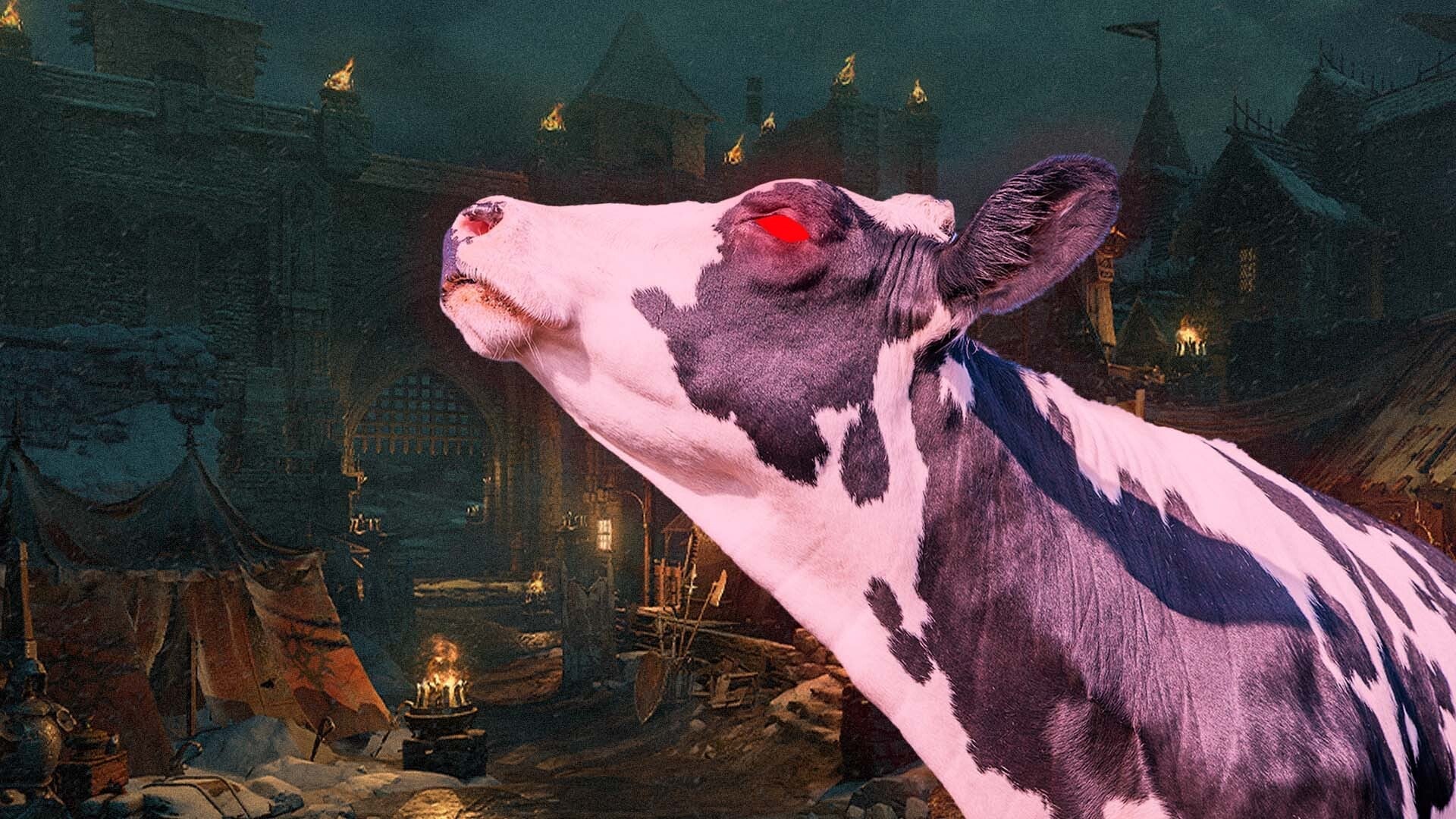
Diablo 4′s Secret Cow Level Has Finally Been Found, So Now Obviously Players Are Trying To Summon The Cow God
Milking the Cash Cow: When Gaming Franchises Push the Limit
The phrase "milking this for all it's worth" is a colorful idiom, often heard when someone is getting the absolute maximum benefit from a situation, opportunity, or resource. It implies a thorough, sometimes relentless, extraction of value. While it can suggest shrewd business acumen, it can also carry a hint of over-exploitation, of pushing something to its very limits until it yields nothing more. In the vast and dynamic world of video games, this concept is incredibly relevant, particularly when we talk about beloved gaming franchises. Developers and publishers, much like farmers with a prize-winning cow, often find themselves in a position to "milk" their most successful titles for continued revenue, player engagement, and brand longevity.
But when does smart business strategy cross the line into over-saturation? When does giving fans "more of what they love" become a wearying parade of similar experiences? This isn't just a simple question of profit; it's a complex dance involving player loyalty, creative integrity, market trends, and the inherent risks of a multi-billion dollar industry. This exploration will delve into the multifaceted nature of "milking" gaming franchises, examining why it happens, how players react, and what it means for the future of our favorite virtual worlds.
The Business Imperative: Why Developers "Milk" Their Successes
Creating a modern video game is an incredibly expensive and time-consuming endeavor. A blockbuster title can cost hundreds of millions of dollars and take years, sometimes even a decade, to develop. With such massive investments, companies naturally seek to maximize their return. Once a game proves to be a hit, establishing a "franchise" becomes the most logical and often safest business strategy. The reasoning is sound: an established brand already has recognition, a built-in fanbase, and a proven market. Marketing a sequel or spin-off is inherently less risky than launching an entirely new intellectual property (IP) from scratch.
Think about the sheer weight of a name like "Call of Duty," "Pokémon," or "Mario." These titles instantly evoke a gameplay style, a universe, and a certain expectation of quality for millions worldwide. Publishers like Activision, Nintendo, and others leverage this powerful brand equity in multiple ways. They can release annual sequels, as seen with many sports games and the aforementioned Call of Duty, knowing that a significant portion of their audience will consistently buy the latest iteration. They can introduce spin-offs that explore different genres or gameplay mechanics within the same universe, like Pokémon Mystery Dungeon or Mario Kart, appealing to diverse player tastes while still cashing in on the core brand.
Moreover, modern development often involves creating sophisticated game engines, character models, and world-building assets that can be reused or adapted for future titles. This significantly reduces development costs and time compared to building everything from the ground up for a new IP. Expansions, downloadable content (DLC), season passes, and even mobile game adaptations further extend the life and profitability of a successful franchise. Each new piece of content, each new platform, is another opportunity to generate revenue from an already beloved product, essentially "milking" the original investment for all it's worth. For an industry driven by profit and shareholder value, this approach is not just common; it's often expected and strategically vital for survival and growth.
Different Flavors of "Milking"
The act of "milking" a franchise isn't monolithic; it comes in various forms, each with its own impact on the player base and the industry:
- Annual Sequels: The most straightforward approach, releasing a new main entry every year or two. Examples include Call of Duty and many sports titles like FIFA (now EA Sports FC) and NBA 2K. This model relies on consistent player engagement and often incremental improvements rather than revolutionary changes.
- Spin-offs and Companion Games: Exploring different genres or stories within the same universe. Mario has spawned racing games, sports games, RPGs, and party games. Pokémon has its main RPG series alongside mobile games like Pokémon GO, fighting games like Pokkén Tournament, and mystery dungeon titles.
- Remasters and Remakes: Revitalizing older titles for modern platforms with updated graphics, improved gameplay, or even complete overhauls. The success of games like Final Fantasy VII Remake and the Resident Evil remakes shows the demand for revisiting classics with a fresh coat of paint.
- DLC and Expansions: Adding significant new content, stories, or features to an existing game after launch. This extends the lifespan of the original title and provides ongoing revenue. Games like The Witcher 3: Wild Hunt and Cyberpunk 2077 have set high standards for what quality DLC can be.
- Microtransactions and Live Service Models: Building games designed for continuous engagement and optional purchases (cosmetics, battle passes, seasonal content). While not always tied to a "sequel," this is a form of continuous "milking" of player investment and time, turning a single purchase into a long-term revenue stream, as seen in games like Fortnite or Genshin Impact.
The Player's Perspective: A Mix of Love, Loyalty, and Frustration
For players, the experience of a "milked" franchise is a complex emotional journey. Initially, the announcement of a new sequel, spin-off, or even a well-made remaster of a beloved game often sparks immense excitement. Nostalgia plays a huge role; revisiting familiar characters, worlds, and gameplay mechanics can feel like coming home. Fans often crave more stories, more challenges, and more opportunities to immerse themselves in universes they adore. This initial enthusiasm fuels the industry's desire to keep the content flowing.
However, this positive sentiment can quickly erode if the "milking" becomes excessive or perceived as exploitative. "Franchise fatigue" is a very real phenomenon. When games are rushed out annually with minimal innovation, players begin to feel that developers are prioritizing quantity over quality. Each new entry starts to look and feel too much like the last, leading to a sense of déjà vu and declining interest. The magic fades when the formula becomes predictable, and the creative spark seems diminished. This is when players start to question whether the developers truly care about the game or just about the bottom line.
Furthermore, the increasing prevalence of aggressive monetization strategies within long-running franchises can breed resentment. Loot boxes, excessive microtransactions for cosmetic items, and battle passes that demand constant play to unlock rewards can make players feel exploited. They remember a time when a single purchase delivered a complete experience, and the current models can feel like a constant drain on their wallets and time. Concerns also arise regarding game quality; some players fear that resources are diverted from core game development to create endless streams of purchasable content, ultimately hurting the main experience. The balance between offering optional extras and nickel-and-diming the player base is a tightrope walk that many publishers struggle to master.
Ultimately, players want to feel valued, respected, and entertained. They want innovation, fresh ideas, and a sense that their continued support is genuinely appreciated. When a franchise stops delivering on these fronts, the loyal fanbase that once championed the series can become its harshest critic, leading to declining sales, negative word-of-mouth, and ultimately, the slow demise of a once-great name. It’s a delicate relationship, where trust and creative integrity are just as important as the immediate sales figures.
The Delicate Balancing Act: When "Milking" Becomes an Art Form
Despite the potential pitfalls, some franchises manage to navigate the complexities of sustained release schedules and continuous content additions with remarkable grace. These are the series that have turned "milking" into an art form, not by simply churning out more of the same, but by evolving, innovating, and adapting while still honoring their roots. Franchises like The Legend of Zelda, Final Fantasy (despite its occasional stumbles), and even the long-running Super Mario series are prime examples of how to keep a franchise fresh and relevant for decades.
The key often lies in strategic innovation within familiarity. Developers understand the core appeal of their franchise – whether it's exploration, narrative, character development, or unique gameplay mechanics – and then find ways to reinterpret or expand upon it with each new installment. The Legend of Zelda: Breath of the Wild, for instance, reinvented the series' traditional structure by embracing open-world exploration, yet it retained the iconic characters, puzzles, and sense of adventure that define Zelda. Similarly, Final Fantasy has always been willing to experiment with combat systems, world settings, and even narrative tones, ensuring that while the name is consistent, the experience is often novel.
Listening to the community is also paramount. Successful developers pay attention to player feedback, understanding what works, what doesn't, and what fans are yearning for. This doesn't mean blindly following every demand, but rather using player sentiment to inform creative decisions and avoid repeating past mistakes. Strategic pauses between major releases can also be incredibly beneficial. Giving players time to miss a franchise, to anticipate its return, builds excitement and allows development teams ample time to refine and innovate, rather than being rushed to meet an annual deadline. This space also allows for the integration of new technologies and game design philosophies that can truly elevate the next installment.
Ultimately, it comes down to creative direction. Leaders who can blend established lore and beloved characters with bold new ideas, who understand the delicate line between homage and repetition, are the ones who allow franchises to thrive for generations. It’s about ensuring that each new chapter feels like a meaningful addition, not just a contractual obligation. When done right, "milking" isn't a dirty word; it's a testament to enduring creativity and intelligent stewardship of a valuable IP.
For more insights on how franchises evolve, check out Game Developer Magazine.
When the Well Runs Dry: The Downside of Over-Milking
For every success story, there are cautionary tales of franchises that have been "milked" past their prime, leading to diminishing returns, player disillusionment, and eventual decline. The gaming graveyard is littered with once-popular series that succumbed to over-saturation, where the relentless pursuit of short-term gains overshadowed long-term brand health. When a franchise begins to feel like a production line rather than a passion project, the signs of trouble quickly emerge.
A prime example often cited is the Guitar Hero and Rock Band craze of the late 2000s. After an initial burst of innovation and immense popularity, annual releases, numerous spin-offs (like Band Hero, DJ Hero), and an overwhelming amount of DLC eventually flooded the market. Players became fatigued by the constant stream of new peripherals, similar tracklists, and minor incremental changes. The genre, despite its initial brilliance, burnt itself out due to rapid over-expansion, leading to a significant drop in sales and a hiatus for years. Similarly, the Tony Hawk's Pro Skater series, after a string of highly acclaimed titles, saw its quality decline with too many iterations and experimental spin-offs, losing its core identity before a recent revival.
Over-milking leads to a loss of goodwill, which is incredibly difficult to regain. When players feel their loyalty is being taken for granted, or that new games are merely glorified asset flips, they vote with their wallets and their voices. Negative reviews, online backlash, and a general sense of apathy replace the initial excitement. This not only impacts sales of the current game but also poisons the well for future releases. The brand name itself, once a symbol of quality, becomes associated with disappointment.
Furthermore, internal impacts on development studios can be severe. Constant pressure to deliver annual sequels can lead to developer burnout, stifled creativity, and a reliance on safe, familiar formulas rather than bold new ideas. Talented artists and designers may leave in search of more creatively fulfilling projects. This can create a vicious cycle where a lack of innovation leads to declining sales, which in turn leads to even tighter budgets and less room for risk-taking, ultimately sealing the franchise's fate. A healthy game development ecosystem thrives on innovation, and over-milking can be its biggest enemy.
Understanding these pitfalls is crucial for publishers. It’s a stark reminder that even the most profitable "cash cows" need periods of rest and rejuvenation, or they risk becoming barren.
Beyond Games: "Milking" in Other Entertainment Media
While our focus has primarily been on the gaming industry, the phenomenon of "milking a franchise" is far from unique to video games. It’s a pervasive strategy across the entire entertainment landscape, reflecting universal business desires to capitalize on successful intellectual property. Understanding its broader context helps to highlight why it's such a persistent practice.
Consider the film industry, particularly the prevalence of superhero franchises and cinematic universes. Marvel and DC, for example, have built interconnected storylines spanning dozens of films, TV shows, and animated series. While this provides a rich tapestry for fans, it also represents a sustained effort to extract maximum value from popular characters and storylines. Sequels, prequels, spin-offs, reboots, and extended universe content are all forms of "milking," designed to keep audiences engaged and spending money at the box office and on streaming subscriptions. The debate about "superhero fatigue" mirrors the discussion around gaming franchise fatigue, as viewers question whether quantity is truly enhancing quality.
Television, too, is ripe with examples. Successful sitcoms or dramas often spawn spin-offs that attempt to extend the life of beloved characters or explore tangential stories (e.g., Frasier from Cheers, or countless shows from the Law & Order universe). Reboots and revivals of classic shows decades later are also common, aiming to tap into nostalgia while attracting new viewers. The music industry sees this in the form of deluxe editions, remastered albums, greatest hits compilations, and posthumous releases that package unreleased material for long-time fans.
Even literature isn't immune. Hugely popular book series often lead to prequels, sequels written by different authors, or adaptations into other media. The motivation is always the same: leverage established brand power, appeal to a loyal fanbase, and generate continued revenue from something that has already proven to be a hit. The challenges, too, are similar – maintaining creative integrity, avoiding reader/viewer fatigue, and ensuring that new content genuinely enhances the original rather than diluting its impact.
This widespread practice across entertainment underscores that "milking" is not inherently negative but rather a core facet of how creative industries operate. The critical distinction lies in how it's executed – with genuine care and innovation, or with cynical exploitation. For further reading on this trend across media, explore articles on The Hollywood Reporter.
The Future of Franchises: What's Next for Our Beloved Worlds?
The gaming landscape is constantly evolving, and with it, the strategies for sustaining and "milking" franchises. The rise of live-service games has perhaps been the most significant shift in recent years. Instead of discrete sequels, many major titles are now designed as ongoing platforms that receive continuous updates, new content, and seasonal events for years after their initial release. Games like Destiny 2, Fortnite, Apex Legends, and Genshin Impact represent a continuous form of "milking," where the focus shifts from selling new games to retaining players and encouraging ongoing microtransactions or battle pass purchases. This model offers an unending stream of content, but also carries the risk of player burnout from constant grinding or pressure to spend.
Subscription services, such as Xbox Game Pass and PlayStation Plus, are also reshaping how franchises are consumed. These services encourage developers to keep their games evergreen, providing reasons for players to jump back in, as the "cost" of entry is bundled into the subscription. This could lead to a focus on sustained quality content rather than purely new titles, but also poses challenges for traditional sales models.
Another emerging trend is community-driven content and user-generated experiences. Games that empower players to create and share their own levels, stories, or modifications can significantly extend the life of a franchise organically. Titles like Minecraft and Roblox have built empires on this model, where the "milking" comes from endless player creativity rather than developer-pushed content. This approach offers a powerful way to keep a franchise vibrant and relevant without constant direct intervention from the original creators.
The challenge for developers and publishers moving forward will be finding a sustainable equilibrium. How do you honor the legacy of a beloved franchise while embracing new technologies and player expectations? Will there be a renewed push for entirely new intellectual properties to inject fresh blood into the industry, or will the allure of established brands remain too strong to resist? The pendulum often swings, and perhaps we will see cycles where new IPs gain prominence before their own success leads to a new generation of "milking."
Ultimately, the future of our beloved gaming worlds hinges on a careful understanding of what makes them special. It's about remembering that at the heart of every successful franchise is a great game, a compelling story, or a unique experience that captured players' imaginations in the first place. The ability to "milk" that initial magic, without diluting it, will define which franchises endure for decades to come and which fade into memory.
Stay updated on the latest industry discussions and future predictions by visiting our gaming trends blog.
Conclusion: The Art of Sustainable "Milking"
The phrase "milking this for all it's worth," when applied to the world of video game franchises, encapsulates a fundamental tension. On one side, it represents the strategic and often necessary business practice of maximizing return on investment from a successful product. In an industry where development costs are astronomical and competition fierce, leveraging established brands through sequels, spin-offs, remasters, and ongoing content is a logical path to financial stability and growth. It's how iconic characters and worlds are allowed to live on, providing continuous entertainment for millions of dedicated fans.
On the other side, "milking" can veer into the territory of over-exploitation. When the pursuit of profit overshadows creative integrity, when quality gives way to quantity, or when monetization strategies feel predatory, player loyalty can quickly turn into fatigue and resentment. The delicate balance lies in understanding that a franchise is not just a product; it's a relationship with its audience. It's a shared experience, built on trust, innovation, and a genuine passion for the craft.
The most successful franchises are those that have mastered the art of sustainable "milking." They evolve without abandoning their core identity, they listen to their community, and they respect the player's investment of time and money. They understand that true longevity comes not from squeezing every last drop out of an existing formula, but from nurturing the source, allowing it to regenerate, and introducing fresh elements that keep the experience vibrant and exciting. As the gaming industry continues its rapid evolution, the challenge will be to find new and meaningful ways to extend the life of our favorite virtual worlds, ensuring that "milking" always enriches the experience rather than exhausting it.
Ultimately, a healthy franchise is like a healthy relationship: it requires care, communication, and a shared vision for the future. When developers and players can align on these values, the "milk" can flow bountifully, sustaining creativity and enjoyment for generations to come. Thank you for reading this deep dive into the business and player dynamics of video game franchises. We hope it has provided a clearer understanding of a complex, yet crucial, aspect of the gaming world.
from Kotaku
-via DynaSage
