
Dev Behind Creepy Shooter With A Brilliant Trailer Says ‘It Hurts To Be Sitting At 48% Positive Ratings After Putting All Our Hearts And Souls Into This Game Over 4 Years’
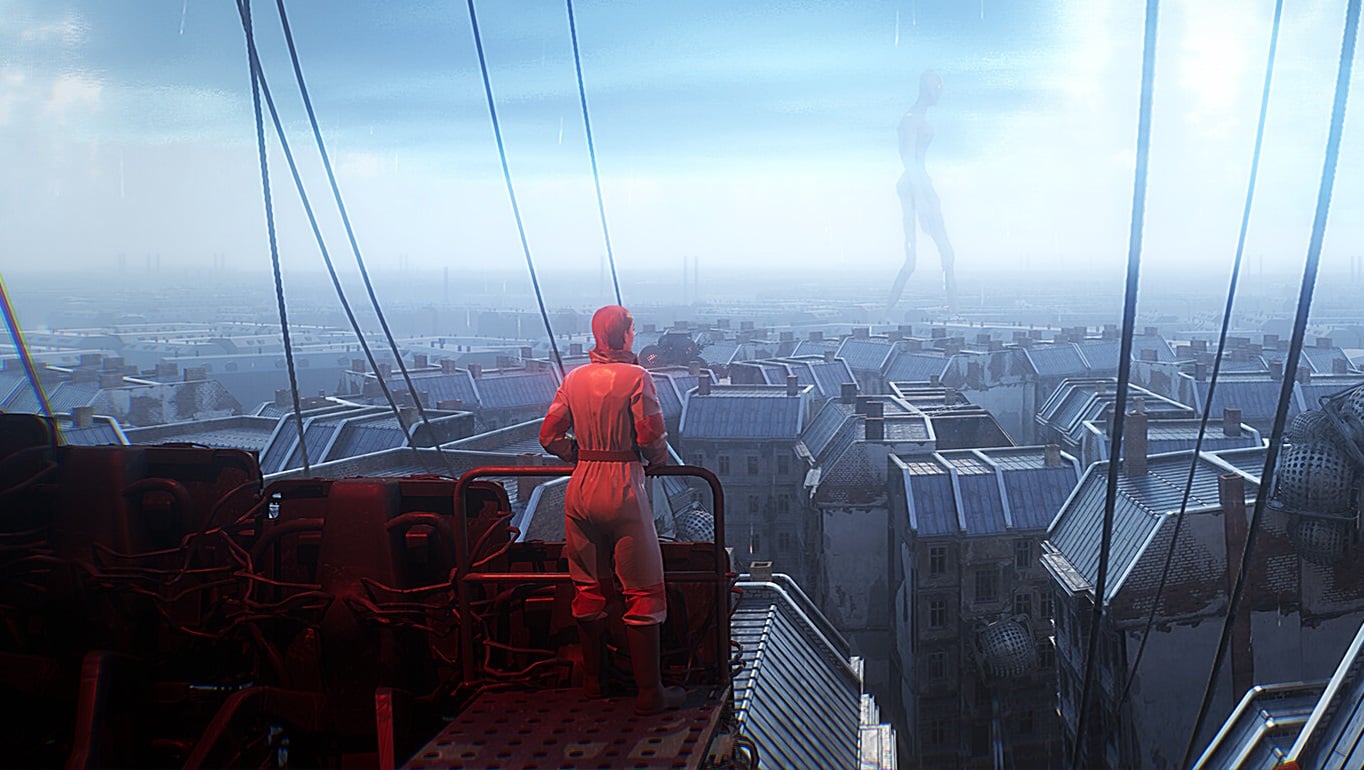
The Rocky Launch of Industria 2: A Deep Dive into a Troubled Start
The anticipation for Industria 2, the highly awaited sequel to the critically acclaimed atmospheric shooter, was palpable among gamers worldwide. Fans had eagerly marked their calendars, ready to dive back into its unique blend of alternate history and surrealist sci-fi horror. However, as the digital doors opened and players streamed in, a wave of disappointment quickly followed. It's clear that Industria 2 is not off to a great start, grappling with a myriad of issues that have left both long-time fans and newcomers feeling let down. This article explores the various problems plaguing the game's launch, the community's reaction, and what this rocky beginning could mean for its future.
The Weight of Expectation: A Legacy to Uphold
The original Industria, developed by Bleakmill and published by Headup, carved out a niche for itself with its compelling narrative, haunting atmosphere, and distinctive art style. Set in an alternate Cold War Berlin that quickly spirals into a mysterious, abandoned parallel dimension, it offered a fresh perspective on the first-person shooter genre. Players praised its strong sense of place, the eerie quiet broken by sudden, intense combat, and a story that truly made them think. The first game was a success because it didn't just rely on flashy graphics or endless action; it built an experience. This foundation set a very high bar for its successor.
Gamers expected Industria 2 to not only build upon this foundation but to expand on it in meaningful ways. They hoped for deeper lore, more refined gameplay mechanics, an even more immersive world, and a narrative that would push the boundaries of its unique setting. The developers, known for their passion and commitment to their vision, had hinted at ambitious plans, including larger environments, more diverse enemy types, and an expanded storyline that promised to unravel more mysteries of the strange parallel dimension. These promises, coupled with impressive pre-release trailers showcasing breathtaking vistas and intense action sequences, fueled a powerful hype train. The community was ready for another masterpiece, a truly memorable sequel that would solidify the franchise's place in gaming history.
Launch Day Blues: A Catalog of Disappointment
The moment the game went live, the excitement quickly turned into frustration for many. Reports flooded forums and social media platforms, detailing a range of issues that severely impacted the player experience. From fundamental technical flaws to questionable design choices, the launch of Industria 2 became less of a celebration and more of a cautionary tale. It wasn't just one or two isolated incidents; it was a widespread pattern of problems that quickly soured the initial impression.
Crippling Technical Issues
Performance was arguably the most immediate and glaring problem. Players with high-end gaming rigs reported surprisingly low frame rates, constant stuttering, and inexplicable drops in performance, even on the lowest graphical settings. This wasn't just a minor annoyance; it often made the game unplayable, especially during intense combat sequences where smooth performance is crucial. Loading times were also excessively long, breaking immersion and testing the patience of players. Beyond frame rate issues, the game was plagued with frequent crashes to desktop, forcing players to repeatedly restart their sessions and lose progress. These crashes often occurred without warning, sometimes even during pivotal story moments, further diminishing the enjoyment and leaving players exasperated.
Graphical bugs added to the technical woes. Textures often failed to load properly, resulting in blurry environments or character models that looked unfinished. Lighting glitches created bizarre visual artifacts, while object pop-in was noticeable even at short distances. Some players reported physics bugs where enemies would clip through walls or get stuck in environmental objects, making combat either too easy or frustratingly difficult. The lack of optimization was evident across various hardware configurations, suggesting a rushed release without sufficient quality assurance and testing across a wide range of systems. This widespread technical instability created a barrier that prevented many from experiencing the game's core content, regardless of its underlying quality.
Unpolished Gameplay Mechanics
Beyond the technical hurdles, the core gameplay loop suffered from a lack of polish and refinement. Controls, which were tight and responsive in the original, now felt clunky and unresponsive. Movement often felt sluggish, and aiming, especially with a mouse and keyboard, lacked the precision expected from a modern first-person shooter. The gunplay, a central element of the experience, felt unsatisfying; weapons lacked impact, sound design for firearms felt weak, and enemy hit reactions were often inconsistent, leading to a disconnected feeling during engagements. This undermined the intensity that the first game so expertly crafted.
Enemy AI proved to be another significant point of contention. Foes would frequently exhibit erratic behavior, sometimes ignoring the player entirely, while at other times demonstrating an unnatural ability to detect the player through walls. Pathfinding issues were common, with enemies getting stuck on geometry or simply standing still, making them easy targets. This inconsistent AI trivialized some encounters and made others feel unfairly random, stripping away the tactical depth that was a hallmark of the first Industria. Puzzles, which were previously clever and atmospheric, often felt convoluted or poorly explained, leading to frustrating trial-and-error rather than satisfying logical progression. The overall gameplay experience felt less like a carefully crafted sequel and more like an early access title still in need of significant development.
A Disconnected Narrative and World Building
The narrative, a strong suit of the original, also faced criticism. While the premise of exploring the mysterious parallel dimension remained, many players felt the story in Industria 2 lacked the coherence and emotional depth of its predecessor. Plot points felt rushed, character development was shallow, and the overall pacing of the story left much to be desired. The sense of dread and mystery that permeated the first game was diluted by expository dialogue that felt unnatural or by moments that simply didn't resonate emotionally. The atmosphere, once thick with tension and surreal beauty, now felt somewhat generic, losing the unique identity that defined the series. The expansion of the world felt less like a natural evolution and more like a collection of disparate environments stitched together without a strong thematic link.
The Roar of the Community: Players Speak Out
The collective disappointment quickly manifested across various online platforms. Steam reviews plummeted, with many players leaving "Not Recommended" ratings accompanied by detailed accounts of their frustrations. Reddit threads dedicated to the game were filled with negative feedback, bug reports, and calls for immediate patches. Social media was awash with memes and discussions highlighting the game's myriad issues, often comparing its launch unfavorably to other infamously troubled releases.
The sentiment was largely one of betrayal and deep disappointment. Fans who had eagerly supported the developers, sometimes for years, felt their trust had been broken. There was a strong sense that the game had been released prematurely, before it was truly ready for public consumption. While some players expressed their frustrations constructively, providing detailed bug reports and suggestions, others resorted to more aggressive forms of criticism, including review bombing and expressing their anger directly at the developers. The sheer volume of negative feedback created a palpable atmosphere of discontent around the game, overshadowing any positive aspects or potential that the title might still hold. This immediate backlash highlighted how quickly player sentiment can turn when expectations are not met, especially for a highly anticipated sequel.
Developer's Dilemma: Responding to the Crisis
In the face of such overwhelming negative reception, the developers at Bleakmill and publisher Headup found themselves in a difficult position. Initially, there was a brief period of silence, likely due to the need to assess the situation internally and formulate a coherent response. However, as the outcry grew louder, a response became inevitable. The studios eventually issued a public statement, acknowledging the widespread issues and apologizing to the community for the disappointing launch experience. This initial communication, while appreciated by some for its honesty, was just the first step in what promises to be a long road to recovery.
The developers promised immediate action, outlining plans for urgent hotfixes and more substantial patches aimed at addressing the critical technical problems first. They also committed to improving performance, fixing major bugs, and refining the core gameplay mechanics based on community feedback. A tentative roadmap for future updates was shared, signaling their intent to continue supporting the game. However, rebuilding trust will require more than just promises; it demands consistent, transparent communication and, most importantly, tangible improvements delivered in a timely manner. The eyes of the gaming community are now firmly fixed on Bleakmill, waiting to see if they can turn this troubled launch around and deliver the experience players originally hoped for.
Analyzing What Went Wrong: Lessons for the Industry
The troubled launch of Industria 2 raises important questions about game development, marketing, and release strategies. Several factors likely contributed to its poor state at launch:
Rushed Development and Ambitious Scope
It's possible that the game was rushed to meet a predetermined release window, perhaps due to financial pressures or contractual obligations. Developing a sequel, especially one that aims to expand on a beloved original, is an incredibly complex undertaking. If the scope of Industria 2 was too ambitious for the development team's size or timeline, corners might have been cut in areas like optimization, quality assurance, and polish. This often leads to a game being shipped before it's truly ready, sacrificing quality for expediency.
Insufficient Quality Assurance (QA)
The sheer volume and variety of bugs reported suggest a significant shortfall in the quality assurance process. A robust QA phase involves extensive testing across multiple platforms and hardware configurations to identify and rectify issues before release. If the game wasn't thoroughly tested, or if the feedback from testers was not adequately addressed, it explains why so many critical bugs made it into the final product. Investing in proper QA is not a luxury but a necessity for any modern game release.
Communication Breakdown
Leading up to the launch, developers and publishers have a responsibility to manage expectations. While pre-release marketing often focuses on showing the game in its best light, it's equally important to be transparent about any known limitations or areas still under development. If there was a disconnect between what was promised or implied and the reality of the game's state, it only exacerbates player disappointment. Open communication with the community, even about potential delays or challenges, can sometimes mitigate negative reactions.
The Road to Recovery: A Glimmer of Hope?
Despite the disastrous launch, not all hope is lost for Industria 2. The gaming industry has seen numerous examples of games that started with severe issues but eventually turned their fortunes around through dedicated post-launch support. Titles like No Man's Sky and Cyberpunk 2077 serve as powerful reminders that a bad launch is not necessarily a death sentence, provided the developers are committed to fixing their game. The journey to redemption for Industria 2 will require several key steps:
Prioritizing Critical Fixes
The immediate focus must be on stabilizing the game. This means rapidly addressing the most severe performance issues, game-breaking bugs, and frequent crashes. Until players can experience the game without constant technical interruptions, any other improvements will be largely meaningless. Hotfixes and urgent patches should be released frequently to show tangible progress.
Transparent Communication and Regular Updates
Bleakmill needs to maintain an open and honest dialogue with its player base. Regular developer updates, detailing what bugs are being worked on, what new features are being considered, and when players can expect the next patch, are crucial. This transparency helps rebuild trust and keeps the community informed, fostering a sense of involvement rather than alienation. A public roadmap, even if subject to change, can provide players with a sense of direction and hope.
Listening to Community Feedback
The developers should actively engage with their community on forums, social media, and dedicated feedback channels. While not every suggestion can or should be implemented, understanding the core frustrations and desires of the player base is vital. Incorporating player feedback into patch priorities and future development decisions can make players feel heard and valued, transforming critics into potential advocates.
Long-Term Content and Refinement
Once the critical issues are resolved, the focus can shift to polishing existing features and introducing new content. This might involve re-evaluating problematic gameplay mechanics, refining the narrative experience, and adding new areas, enemies, or story elements that align with the original vision. This is where the game can truly begin to live up to the expectations set by its predecessor and its initial marketing.
The Impact on Bleakmill and the Future of the Franchise
A troubled launch like this can have significant ramifications for a small studio like Bleakmill. Beyond the immediate financial impact of potential refunds and reduced sales, there's the long-term damage to their reputation. Building a positive reputation in the gaming industry takes years, but it can be undone in mere days by a poor release. This could affect future projects, investor confidence, and even the morale of the development team, who likely poured their hearts into the game.
The future of the Industria franchise itself is now uncertain. A successful recovery could see Industria 2 eventually praised as a redemption story, securing the series' future. However, if the issues persist or the developers fail to deliver on their promises, it could severely cripple the franchise, making a potential Industria 3 a difficult sell. The gaming landscape is littered with once-promising series that faltered due to a single misstep.
A Call for Patience and Support (with Caution)
For players, the dilemma is whether to stick with Industria 2 in its current state or to wait for significant improvements. While it's understandable to feel frustrated, some members of the community advocate for a degree of patience, especially when dealing with smaller studios that may lack the vast resources of AAA developers. Constructive feedback, rather than aggressive criticism, can be more beneficial in guiding the developers towards fixes.
However, players also have a right to expect a functional and enjoyable product at launch. Supporting a game through a bad launch is a personal decision, but it's important to do so with caution. Waiting for reviews of future patches or for the game to reach a more stable state before purchasing is a perfectly valid approach. The power of the player base, both in its criticism and its eventual support, will ultimately determine the fate of Industria 2.
Conclusion: A Long Road Ahead
The launch of Industria 2 has undoubtedly been a bumpy ride, marked by significant technical shortcomings, gameplay frustrations, and a disappointing narrative that failed to live up to the high standards set by its predecessor. The initial wave of player feedback has been overwhelmingly negative, reflecting a deep sense of disappointment within the community. While the developers have acknowledged the problems and committed to fixing them, the path to redemption will be long and arduous.
For Industria 2 to truly succeed, Bleakmill must prioritize stability, engage in transparent communication, and consistently deliver meaningful updates that address the core issues. It’s a classic example of how even a promising game with a strong legacy can stumble at the finish line if not given the proper time and care. The hope remains that Industria 2 can emerge from its troubled beginning as a testament to developer perseverance and community feedback, ultimately transforming into the captivating experience it was always meant to be. Only time will tell if this sci-fi journey can find its footing and reclaim the respect of its once-eager audience.
What are your thoughts on Industria 2's launch? Share your experiences and predictions in the comments below!
from Kotaku
-via DynaSage
