
Clair Obscur’s Publisher Explains Why It’s Launching A Physical Gaming Magazine In The Year 2026
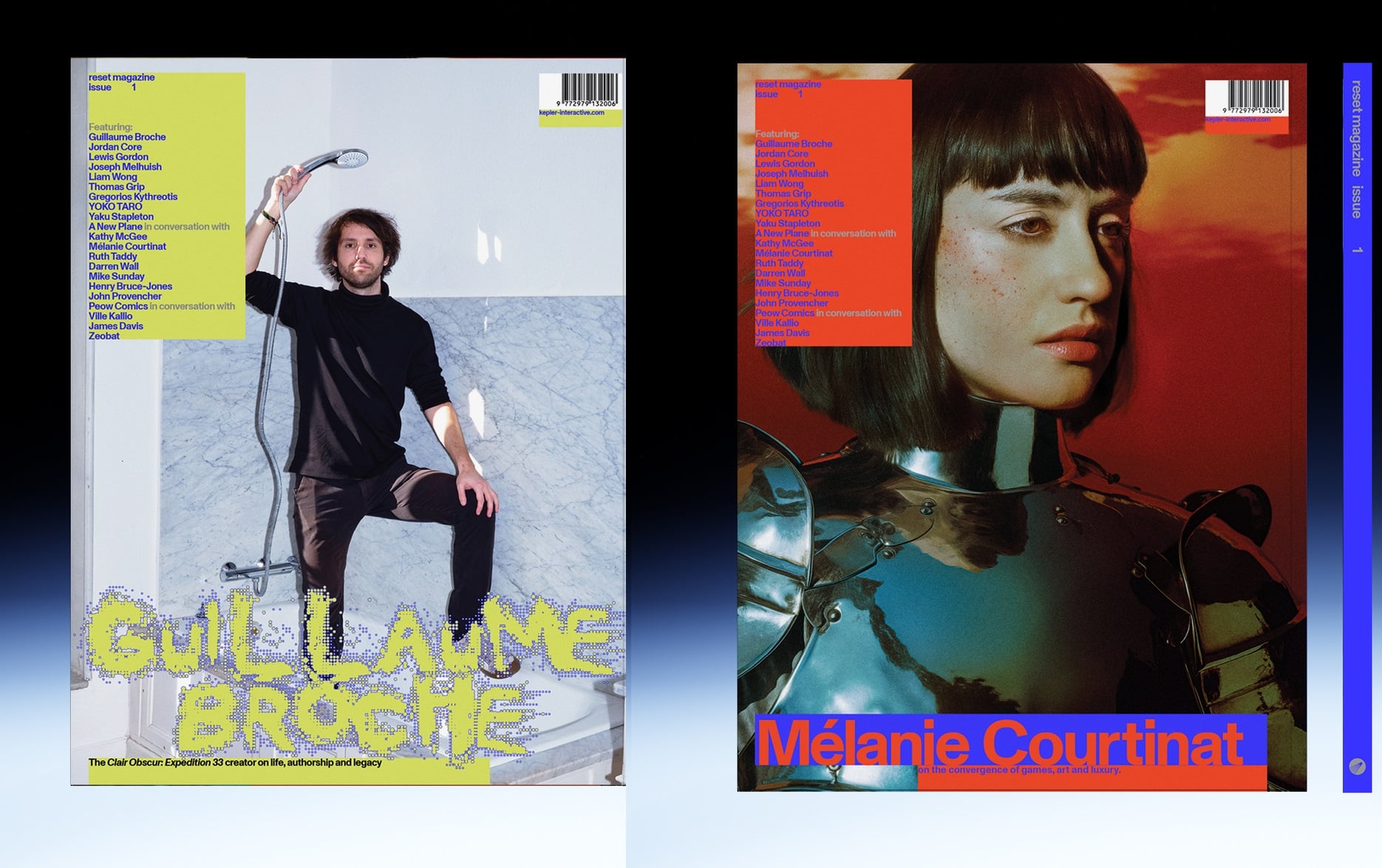
Reset: Exploring the Artistic Soul Where Games Meet Art
In a world where lines between different forms of expression are constantly blurring, video games have emerged as a powerful medium, challenging traditional definitions of art. For years, games have captivated millions, not just as entertainment but as profound cultural statements. They weave together visual splendor, intricate narratives, haunting music, and interactive experiences into something truly unique. Recognizing this deep artistic potential, Kepler Interactive is embarking on an exciting new journey with the launch of "Reset," a publication dedicated to exploring the rich tapestry where video games intersect with other established art forms.
Kepler Interactive, known for its commitment to creative excellence and empowering visionary developers, understands that games are more than just pixels and code. They are canvases for storytelling, stages for performance, and galleries for breathtaking visuals. "Reset" aims to be the definitive voice in this conversation, curating stories that highlight the profound connections between games and the worlds of film, literature, music, visual arts, and even architecture. This blog post delves into what "Reset" promises to deliver, how Kepler Interactive's unique approach shapes this venture, and why understanding games as art is more important now than ever before.
Kepler Interactive's Vision: A Design Sensibility Rooted in Artistry
At its core, Kepler Interactive represents a philosophy that champions the artist. Unlike traditional publishers, Kepler operates as a collective, empowering independent studios and creators with the resources and autonomy to bring their most ambitious visions to life. This collaborative spirit fosters an environment where innovation thrives, and artistic integrity remains paramount. Their "design sensibility" isn't just about making good games; it's about crafting experiences that resonate, provoke thought, and push the boundaries of interactive media. It’s about recognizing the human touch, the passionate dedication, and the creative genius behind every successful title.
This sensibility manifests in several key ways:
- Creator-First Approach: Kepler believes in giving developers the freedom to explore unique ideas without heavy-handed intervention. This often results in games with strong, singular artistic voices.
- Emphasis on Innovation: They are not afraid to invest in projects that challenge norms, experiment with new mechanics, or tell stories in unconventional ways. This pushes the entire industry forward.
- Commitment to Quality: From the smallest detail in environmental design to the grandest orchestral score, Kepler's partners strive for excellence, understanding that true artistry lies in meticulous execution.
- Holistic Experience: For Kepler, a game isn't just gameplay; it's a complete sensory and emotional journey. This means equal attention to visuals, sound, narrative, and player interaction.
It is this deeply ingrained artistic philosophy that makes Kepler Interactive the perfect force behind "Reset." They don't just see games as a product; they see them as profound cultural artifacts deserving of serious artistic discussion. "Reset" is a natural extension of their mission, a platform to articulate and celebrate the artistic achievements within the gaming world and its interwoven relationships with other creative domains.
Games as a Synthesis: Where Art Forms Converge
One of the most compelling aspects of video games is their ability to act as a grand synthesis of nearly every other art form. They don't just borrow elements; they integrate and transform them into something entirely new and interactive. "Reset" will meticulously explore these convergences, showcasing how games stand as a testament to humanity's boundless creativity.
The Visual Canvas: Games and Fine Arts
From the lush landscapes of fantasy worlds to the stark minimalism of abstract experiences, visual art is the immediate gateway into any game. "Reset" will feature deep dives into:
- Concept Art and Illustration: The initial sparks of imagination that shape characters, creatures, and environments. How artists translate ideas into visual blueprints.
- Stylized Aesthetics: Games like Cuphead, with its 1930s cartoon animation, or Gris, with its watercolor-inspired beauty, demonstrate how unique visual styles can elevate a game to fine art.
- Photorealism and Digital Sculpting: The painstaking work of rendering lifelike characters and environments, often mirroring techniques found in CGI films and digital sculpture.
- Environmental Storytelling: How level artists use visual cues, architecture, and subtle details to convey narrative, history, and emotion without a single line of dialogue, much like a painting can tell a story.
The pixel artists, 3D modelers, texture artists, and animators within the game industry are true visual artists, pushing digital aesthetics to new heights. "Reset" will spotlight their craft, comparing their techniques and inspirations to those of traditional painters, sculptors, and animators.
The Interactive Narrative: Games and Literature
Storytelling is arguably the oldest art form, and games have become one of its most dynamic new frontiers. "Reset" will examine:
- Branching Narratives and Player Agency: How games go beyond passive reading or viewing, allowing players to influence the plot, shape characters, and make choices with real consequences, mirroring "choose your own adventure" books but with far greater depth.
- World-Building: The incredible detail and lore found in game universes, often rivaling complex literary sagas. Titles like The Elder Scrolls or The Witcher create entire mythologies.
- Character Development: The psychological depth and evolution of game characters, sometimes more nuanced than those found in novels, as players spend dozens or even hundreds of hours in their shoes.
- Themes and Philosophy: Games that tackle profound philosophical questions, social commentary, or explore the human condition, such as Disco Elysium, stand as powerful literary works in their own right.
Through interviews with game writers and narrative designers, "Reset" will connect their craft to playwrights, novelists, and poets, highlighting the shared goal of evoking emotion and meaning through words and situations.
The Sonic Tapestry: Games and Music/Sound Design
Sound is often the unsung hero of the gaming experience, yet its impact is undeniable. "Reset" will explore:
- Original Scores: From the epic orchestral arrangements of a game like God of War to the emotionally charged melodies of Ori and the Blind Forest, game soundtracks are increasingly recognized as standalone musical masterpieces.
- Dynamic Music: How scores adapt in real-time to player actions, intensity of gameplay, or changes in environment, a complexity rarely seen in film or television scores.
- Soundscapes and Foley Art: The intricate craft of designing every rustle of leaves, creak of a door, or distant roar, building immersive sonic worlds that transport players.
- Voice Acting and Performance: The evolving artistry of voice actors who bring characters to life, often employing techniques similar to stage or screen actors, but within an interactive context.
"Reset" will spotlight the composers, sound designers, and voice artists who create these auditory wonders, drawing parallels to classical musicians, sound engineers, and theatrical performers.
The Interactive Spectacle: Games and Cinema/Theater
Modern games often feel like interactive movies, blurring the lines between passive viewing and active participation. "Reset" will investigate:
- Cinematography and Pacing: How game directors utilize camera angles, editing, and dramatic pacing in cutscenes and gameplay to build tension, convey emotion, and guide the player's eye, much like a film director.
- Performance Capture: The advanced technology and acting talent that go into creating realistic character performances, allowing actors to truly embody digital roles.
- Interactive Drama: Games that prioritize narrative choice and character interaction, resembling immersive theater where the audience's decisions directly impact the unfolding story, such as Detroit: Become Human.
- Scene Direction: The careful blocking of characters, objects, and events within a game world to achieve a specific emotional or narrative effect.
By comparing game direction to film direction and interactive moments to stage plays, "Reset" will illuminate the shared language of dramatic presentation across these mediums.
The Built Environment: Games and Architecture
The worlds we inhabit in games are meticulously designed spaces, often reflecting principles of architecture and urban planning. "Reset" will feature articles on:
- Level Design as Spatial Art: How game designers create navigable, aesthetically pleasing, and functionally effective environments that guide player movement and enhance immersion.
- World Cohesion: The architectural consistency and logical layout of cities, dungeons, and landscapes within games, creating believable and memorable places, from the gothic spires of Dark Souls to the art deco grandeur of BioShock.
- Emotional Architecture: How the design of spaces can evoke specific feelings—claustrophobia, awe, curiosity, danger—much like real-world buildings can affect our mood.
Architects, urban planners, and environmental artists find common ground in the creation of these interactive spaces, a relationship "Reset" is eager to explore.
Reset: Curating the Narrative of Interconnected Creativity
"Reset" is envisioned as more than just a magazine or a website; it’s a meticulously curated collection of insights, stories, and critiques. It will be a meeting place for thought leaders from across artistic disciplines, fostering a deeper appreciation for the complex creative processes behind video games. The "magazine pages" mentioned in the original text suggest a visually rich, perhaps even tactile, experience that complements the depth of its content.
What can readers expect from "Reset"?
- In-Depth Creator Interviews: Hear directly from the visionaries behind beloved games, discussing their artistic inspirations, challenges, and philosophies. This includes game directors, writers, composers, artists, and even their collaborators from outside the game industry.
- Analytical Essays: Expert writers and critics will deconstruct specific games or artistic trends, exploring their cultural significance, thematic depth, and technical artistry. These pieces will use a language accessible to both seasoned gamers and those new to the medium.
- Behind-the-Scenes Features: Exclusive looks into the development process, showcasing the iterative nature of game creation and the countless hours of artistic endeavor required to bring a game to fruition.
- Cross-Disciplinary Spotlights: Articles that directly compare and contrast game design principles with those of film cinematography, literary prose, musical composition, or architectural planning. For instance, an article might examine how Control's brutalist architecture is as narratively crucial as a setting in a Kafka novel.
- Historical Context: Tracing the evolution of games as an art form, from their early pixelated beginnings to today's cinematic epics, and how they have continually absorbed and influenced other artistic movements.
- Diverse Voices: "Reset" will strive to feature a wide range of perspectives, celebrating creativity from all corners of the globe and from creators with varied backgrounds, ensuring a rich and inclusive dialogue.
By offering this comprehensive and carefully crafted content, "Reset" aims to elevate the discourse around video games, moving beyond superficial discussions of graphics or sales figures to genuinely engage with their profound artistic merit. It will serve as a valuable resource for anyone interested in the future of storytelling, interactive media, and the ever-expanding definition of art itself.
The Impact and Future of This Dialogue
The launch of "Reset" by Kepler Interactive marks an important moment for the cultural standing of video games. Its impact is likely to be far-reaching, influencing not only how games are perceived but also how they are created and discussed.
Firstly, by legitimizing games as a serious art form through high-quality, curated content, "Reset" can help break down lingering prejudices and encourage a wider audience—including those from traditional art circles—to engage with interactive entertainment on a deeper level. This cross-pollination of ideas and perspectives can only enrich both worlds.
Secondly, for game developers themselves, "Reset" will serve as a source of inspiration and validation. To see their work analyzed with the same rigor and appreciation typically reserved for films, novels, or paintings can be incredibly motivating. It encourages creators to push even further, to experiment with new forms of expression, and to continue viewing games as a powerful medium for artistic statement.
Moreover, "Reset" contributes to the ongoing academic and critical conversation surrounding games. It provides a robust platform for critical analysis, theoretical exploration, and historical documentation, filling a vital gap in the existing media landscape. As games continue to evolve, becoming ever more complex and narratively sophisticated, a publication like "Reset" becomes indispensable for understanding their place in the broader cultural dialogue.
The future of art is inherently interdisciplinary, and video games stand at the forefront of this movement. They are a medium that demands a synthesis of visual, auditory, literary, and performative skills. "Reset" will not just document this evolution; it will actively participate in shaping it, encouraging new dialogues, fostering greater appreciation, and inspiring the next generation of creators to explore the boundless artistic possibilities that games offer.
Conclusion: A New Chapter for Games as Art
Kepler Interactive's "Reset" is more than just a new publication; it's a statement of intent, a testament to the profound belief that video games are a vital and evolving art form. By applying their distinctive design sensibility—one that prioritizes artistic vision, creator autonomy, and innovative storytelling—Kepler is poised to deliver a unique platform that celebrates the intricate ways games intersect with and draw inspiration from the wider world of art.
Through captivating stories, insightful interviews, and thoughtful analysis, "Reset" promises to unlock new perspectives for gamers and art enthusiasts alike. It invites us all to look closer, listen deeper, and experience the rich tapestry of creativity that makes interactive entertainment so compelling. As we move further into a future where digital and traditional art forms increasingly merge, "Reset" will undoubtedly serve as a crucial guide, illuminating the path forward for games as a truly global and impactful artistic medium.
Stay tuned as "Reset" begins to unveil its pages, offering a vibrant new space to explore the artistic soul of video games. This is an exciting journey into the heart of interactive creativity, and one that promises to reshape our understanding of what art can be.
from Kotaku
-via DynaSage
