
BioWare Veteran Talks About Burnout On Sci-Fi RPG Exodus: ‘You Have To Be Cutting The Baby In Half All The Time’
The Heavy Crown: Why Leading an Ambitious Game Studio Like Exodus Took a Toll on James Ohlen's Health
In the exciting, yet demanding, world of video game creation, few names carry as much weight and respect as James Ohlen. He's a veteran game designer and a key creative mind behind some of the most cherished role-playing games (RPGs) ever made. Recently, Ohlen openly shared a very personal struggle that shines a light on the hidden pressures of the gaming industry. He admitted that leading the studio responsible for an ambitious new game, which many believe to be "Exodus" based on early glimpses and industry talk, had a negative impact on his health. This isn't just one person's story; it's a powerful reminder of the huge demands placed on creative leaders who are striving to build groundbreaking entertainment.
Ohlen's statement is a strong testament to the intense environment that game developers, especially those in charge of an entire studio, face every single day. It makes us look past the excitement of big game releases and truly consider the human cost involved in creating the immersive digital worlds we love. In this detailed look, we'll explore who James Ohlen is, what "Exodus" represents as a bold new project, and why the job of a studio head in today's game development can become such an overwhelming challenge, even for the most experienced professionals.
Who is James Ohlen? A Legacy Forged in RPG Excellence
Before we dive into the details of his recent revelation, it's important to understand James Ohlen's impressive background. For many years, he was a central figure at BioWare, a studio known for its rich storytelling, deep character development, and complex RPG mechanics. Ohlen's influence can be seen in classic games that shaped a generation of players. He was a lead designer for the original Baldur's Gate series, games still praised for their vast worlds and intricate stories. He further secured his legendary status as the lead designer for Star Wars: Knights of the Old Republic (KOTOR), a title that not only thrilled Star Wars fans but also set new standards for games where player choices truly matter.
His remarkable list of achievements also includes his work on other highly acclaimed titles like Dragon Age: Origins, where his talent for building worlds and crafting narratives truly shined. After leaving BioWare in 2018, Ohlen co-founded Archetype Entertainment, a new studio under the umbrella of Wizards of the Coast, which is part of Hasbro. The announcement of his involvement in a new, ambitious science-fiction RPG immediately grabbed the attention of fans worldwide. This background isn't just a list of accomplishments; it shows a career built on passion, dedication, and a strong commitment to creating unforgettable interactive experiences. When someone with this much experience talks about the health impact of leadership, it's not a casual comment; it's a deep observation from years at the very top of game creation.
Exodus: The Weight of Ambition
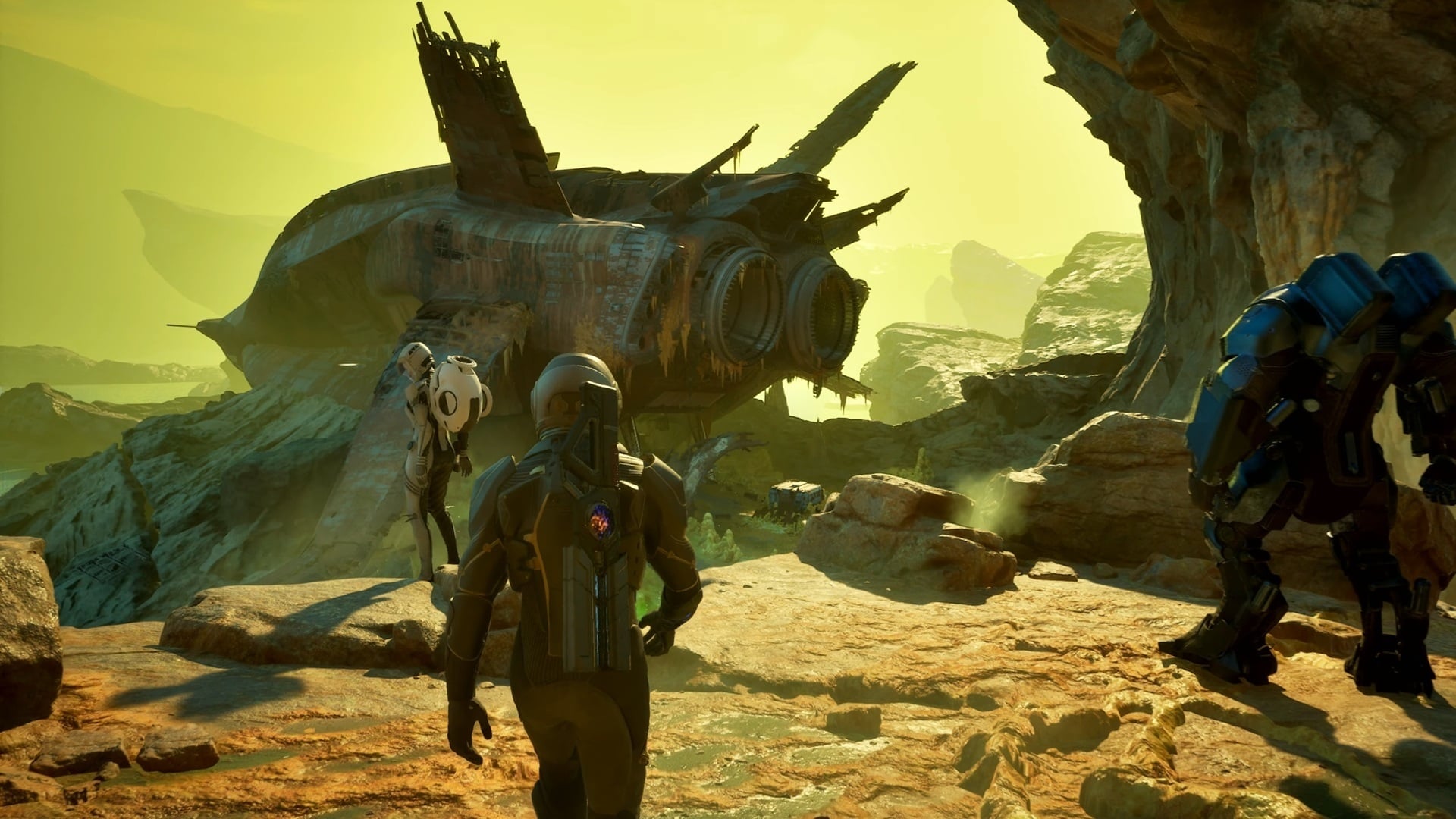
The game in question, "Exodus," appears to be Archetype Entertainment's main project, aiming to create a new space in the sci-fi RPG genre. Based on early hints and striking images, it promises a huge universe, detailed backstories, and player choices that genuinely have an impact. The very word "ambitious" carries a significant meaning in game development. It suggests pushing technological limits, improving on existing gameplay ideas, and striving for a level of polish and immersion that goes beyond anything seen before. This drive for ambition is often what motivates developers and excites players, but it also magnifies every challenge and makes every setback feel much larger.
When a studio like Archetype, with its experienced leaders but relatively new team, starts such a big journey, expectations are incredibly high. They are not only competing in a busy market dominated by well-known series, but they are also carrying the torch of Ohlen's own legendary reputation. Fans expect nothing less than a spiritual successor to the epic RPGs he helped create. This inherent pressure to deliver something truly extraordinary, something that lives up to the excitement and the legacy, places an immense burden on the shoulders of the creative director and studio head.
The Visionary's Burden: Creative Direction and Innovation
At the heart of an ambitious game like "Exodus" is a clear, central creative vision. The studio head, often the main visionary, is responsible for guiding this vision from a small idea into a fully working interactive world. This involves not only imagining the grand story and gameplay mechanics but also making sure that every single team member, from artists to programmers, understands and contributes to that single goal. The pressure to innovate, to avoid common tropes, and to deliver an experience that feels fresh and unique is constant. This isn't just about making a fun game; it's about creating a lasting legacy, a new benchmark for the genre. This creative burden alone can be incredibly tiring, requiring constant problem-solving and an unwavering belief in the project, even when facing seemingly impossible obstacles.
The Multi-Faceted Challenges of Studio Leadership
James Ohlen's statement highlights that the job of a studio head is much more complex than just making creative decisions. It's a demanding mix of artistic direction, business sense, and intense people management. The "ambitious new game" label means every one of these aspects is intensified. Let's break down the key areas where the pressures build up:
1. Creative Stewardship Versus Practicality
A studio head must be the ultimate protector of the game's creative vision. This involves making countless decisions daily that shape the game's appearance, feel, story, and mechanics. However, this artistic pursuit often clashes with practical limits like budget, time, and what's technically possible. Ohlen would have constantly balanced his grand visions for "Exodus" with what his team could realistically achieve within set boundaries. This balancing act requires not just creativity, but also common sense, negotiation skills, and the painful ability to cut beloved features for the overall good of the project. The emotional toll of compromising on a vision you are deeply passionate about can be significant.
2. Team Management and Motivation
Leading a modern game development studio means managing hundreds of highly skilled, often creatively driven individuals. This isn't like a factory assembly line; it's a collaborative environment where individual talents must blend smoothly. The studio head is responsible for fostering a positive work atmosphere, resolving disagreements, inspiring creativity, and keeping team morale high, especially during tough times like "crunch time." Ensuring that every artist, programmer, writer, and quality assurance tester feels valued and understands their part in the big picture of "Exodus" is a monumental task. The emotional effort involved in supporting and guiding such a diverse group can be incredibly draining.
3. Project Management and Deadlines
The development of an ambitious game like "Exodus" spans years and involves complex planning, scheduling, and budget allocation. The studio head is ultimately responsible for reaching milestones, staying within budget, and delivering the game on time. Delays are expensive, both financially and in terms of team morale and relationships with publishers. Ohlen would have faced constant pressure to anticipate potential problems, adapt to unexpected challenges (like technical difficulties or creative dead ends), and make tough decisions about how to use resources. This relentless cycle of planning, executing, and problem-solving leaves little room for error and can lead to ongoing stress.
4. Stakeholder Relations: Publishers, Investors, and Fans
Beyond the internal workings of the studio, the head must manage external relationships with publishers (in Archetype's case, Wizards of the Coast/Hasbro), investors, and the always present, often vocal, fan community. Publishers and investors demand returns on their significant investments, requiring regular updates, demonstrations, and assurances. Fans, excited for a new James Ohlen RPG, demand transparency, quality, and an experience that lives up to their often-high expectations. Navigating these external pressures – from financial reports to public relations – adds another layer of complexity and stress, requiring constant communication and careful management of expectations.
5. The Unpredictability of Innovation
Ambitious games often push the boundaries technically and creatively. This means dealing with a high degree of uncertainty. New technologies might not work as expected, innovative gameplay mechanics might not be well-received by playtesters, or unexpected bugs could appear that threaten entire systems. Ohlen would have been at the forefront of tackling these unpredictable elements, making high-stakes decisions with incomplete information, and constantly adjusting the development roadmap. This constant state of change, common in groundbreaking projects, can be mentally exhausting.
The "Bad for Health" Factor: Deconstructing the Toll
When James Ohlen talks about his health being negatively affected, it covers a range of issues, both mental and physical, that are unfortunately common in high-pressure creative industries. It's a deeply personal admission that resonates with many who have experienced similar strains in demanding leadership positions.
Mental Health: Stress, Burnout, and Decision Fatigue
The sheer number of critical decisions a studio head makes daily can lead to profound decision fatigue. Every choice, from a small tweak in art direction to a major overhaul in gameplay, carries weight and potential consequences for "Exodus." This constant mental load, combined with the pressure to innovate and deliver, fuels chronic stress. Unchecked stress often turns into anxiety, difficulty sleeping, and eventually, burnout – a state of emotional, physical, and mental exhaustion caused by prolonged or excessive stress. Leaders often feel an immense sense of responsibility for their team's jobs and the success of the project, which can show up as imposter syndrome, even for someone as accomplished as Ohlen, making them wonder if they are truly capable of steering such a massive project.
The "always-on" culture common in tech and gaming makes these issues worse. The lines between work and personal life blur, leading to a constant state of alertness and an inability to truly disconnect. This lack of mental rest prevents proper recovery and contributes significantly to the decline of mental well-being.
Physical Health: The Overlooked Consequences
The mental strain inevitably impacts physical health. Long working hours, often extending late into the night and through weekends, disrupt sleep patterns. Poor sleep affects concentration, mood, and overall physical strength. The sedentary nature of desk work, combined with stress-induced poor eating habits (relying on quick, unhealthy meals), can lead to weight gain, heart problems, and other ongoing health issues. Exercise often gets pushed aside when time is seen as a critical resource that must be entirely dedicated to the project. Ohlen's acknowledgment serves as a powerful reminder that neglecting these basic human needs, even when pursuing creative excellence, comes at a high price.
Work-Life Imbalance: Sacrificing Personal Life
An ambitious project like "Exodus" doesn't just demand your professional effort; it often consumes your personal life. Hobbies are forgotten, social events are missed, and time with family and friends shrinks. The boundaries between personal identity and professional role become blurred, making it hard to find fulfillment outside of work. This work-life imbalance is a significant factor in unhappiness and can strain personal relationships, further isolating the individual and making feelings of stress and loneliness worse. For a leader, this sacrifice can feel necessary, a silent agreement made to ensure the project's success, but its long-term impact on well-being can be devastating.
The Industry-Wide Conversation: Beyond James Ohlen
James Ohlen's statement is not an isolated incident; it's a touching echo of a wider conversation happening throughout the video game industry. Developers at all levels have increasingly voiced concerns about "crunch culture," unsustainable workloads, and the mental health toll of game creation. Leaders, however, often bear the heaviest, though sometimes unspoken, weight. They are expected to be unwavering symbols of stability and vision, even when they themselves are struggling.
This discussion isn't meant to criticize game development, which is a truly remarkable creative field. Instead, it aims to create greater awareness and encourage widespread changes. Studios are gradually adopting better practices, such as more realistic scheduling, improved support systems for mental health, and a push for healthier work-life boundaries. However, the inherent pressures of innovation, market competition, and fan expectations mean that the journey toward truly sustainable game development is ongoing.
Strategies for Sustainable Leadership in Game Development
While the pressures on studio heads are enormous, there are strategies and systemic changes that can help reduce the negative health impacts:
1. Realistic Project Scoping and Planning
One of the biggest causes of burnout is unrealistic expectations. Thorough initial planning, honest evaluations of what's technically possible, and careful scheduling can prevent the constant pressure of falling behind. Accepting that some features might need to be cut or scaled back early on, rather than frantically trying to implement everything, can save immense stress later.
2. Empowering and Delegating Effectively
A studio head doesn't have to carry the entire weight alone. Building a strong, empowered leadership team that can take ownership of specific areas (e.g., art, programming, narrative) and delegate tasks effectively reduces the individual burden. Trusting direct reports to make informed decisions allows the studio head to focus on the overall vision and strategic direction, rather than getting caught up in every tiny detail of "Exodus."
3. Prioritizing Personal Well-being
It sounds simple, but actively scheduling time for rest, exercise, healthy eating, and hobbies is crucial. Leaders must set a good example for their teams regarding healthy behavior. If the head of the studio is visibly burnt out, it sends a message that such sacrifices are expected. Conversely, a leader who prioritizes their well-being encourages their team to do the same. This might involve setting strict boundaries for working hours or taking regular breaks away from technology.
4. Seeking Support and Mentorship
Even the most experienced leaders benefit from outside perspectives. Connecting with other industry leaders, mentors, or even therapists can provide a safe space to discuss challenges, gain new insights, and process the emotional toll of the role. Recognizing that seeking help is a strength, not a weakness, is a crucial step toward maintaining health.
5. Fostering a Culture of Open Communication
Creating an environment where team members, including leaders, feel comfortable discussing struggles and concerns is extremely important. Transparent communication about project challenges, potential delays, and the importance of well-being can build trust and reduce feelings of isolation. This kind of culture helps catch issues before they grow into major crises.
The Future of Game Development Leadership
James Ohlen's honest admission serves as a vital call to action for the entire video game industry. As games become more complex, ambitious, and financially important, the pressure on the people creating them will only increase. It's essential that we move towards a model of game development that values human sustainability as much as creative output and financial success.
This means rethinking traditional development cycles, investing more in robust project management tools and methods, and, crucially, fostering a culture where leadership roles are not seen as a path to self-sacrifice but as a challenging yet rewarding endeavor that can be managed sustainably. For studios like Archetype Entertainment, and for games like "Exodus," ultimate success will not only be measured by critical acclaim and sales figures but also by the health and well-being of the talented individuals who poured their hearts and souls into bringing those worlds to life.
We owe it to visionary creators like James Ohlen, who continue to push the boundaries of interactive entertainment, to ensure that their passion for games doesn't come at the expense of their personal health. His courage in sharing his experience provides an invaluable opportunity for reflection and progress within the industry, reminding us all that even the most ambitious dreams require a strong foundation of human well-being. The story of "Exodus" is still unfolding, and we hope its creation continues under conditions that prioritize the health of all its contributors. You can learn more about Archetype Entertainment and their upcoming projects on their official website: Archetype Entertainment Official Website.
For more insights into game development and industry trends, consider reading our article on Balancing Innovation and Well-being in Game Development.
from Kotaku
-via DynaSage
