
Backrooms Actor Mark Duplass Defends Kane Parsons Following Claims He ‘Didn’t Direct’ The Film
The Backrooms Movie: A Young Director's Vision, A24's Trust, and the Future of Horror
The internet has long been a fertile ground for new forms of storytelling, giving birth to urban legends and digital myths that captivate millions. Few phenomena have exploded into the cultural zeitgeist quite like The Backrooms. What began as a single unsettling image and a brief paragraph of text on a forum has evolved into a vast, collaborative universe of liminal spaces, existential dread, and psychological horror. Now, this unique digital creation is making the leap to the big screen, spearheaded by A24, a studio renowned for its distinctive and often disturbing cinematic offerings, and guided by the surprising vision of a remarkably young director.
The buzz surrounding the upcoming Backrooms film is palpable, especially with recent insights from industry veteran Mark Duplass. He highlighted a truly remarkable aspect of the production: the 20-year-old director, widely understood to be the incredibly talented Kane Pixels, was "100 percent in control" during filming and "didn't need" help from any of the experienced producers involved. This statement isn't just a vote of confidence; it's a testament to the director's singular vision and A24's unwavering commitment to empowering groundbreaking talent. This isn't just another horror movie; it's a significant moment for the genre, signaling a shift in how internet-born narratives are adapted and how young creatives are trusted with major projects.
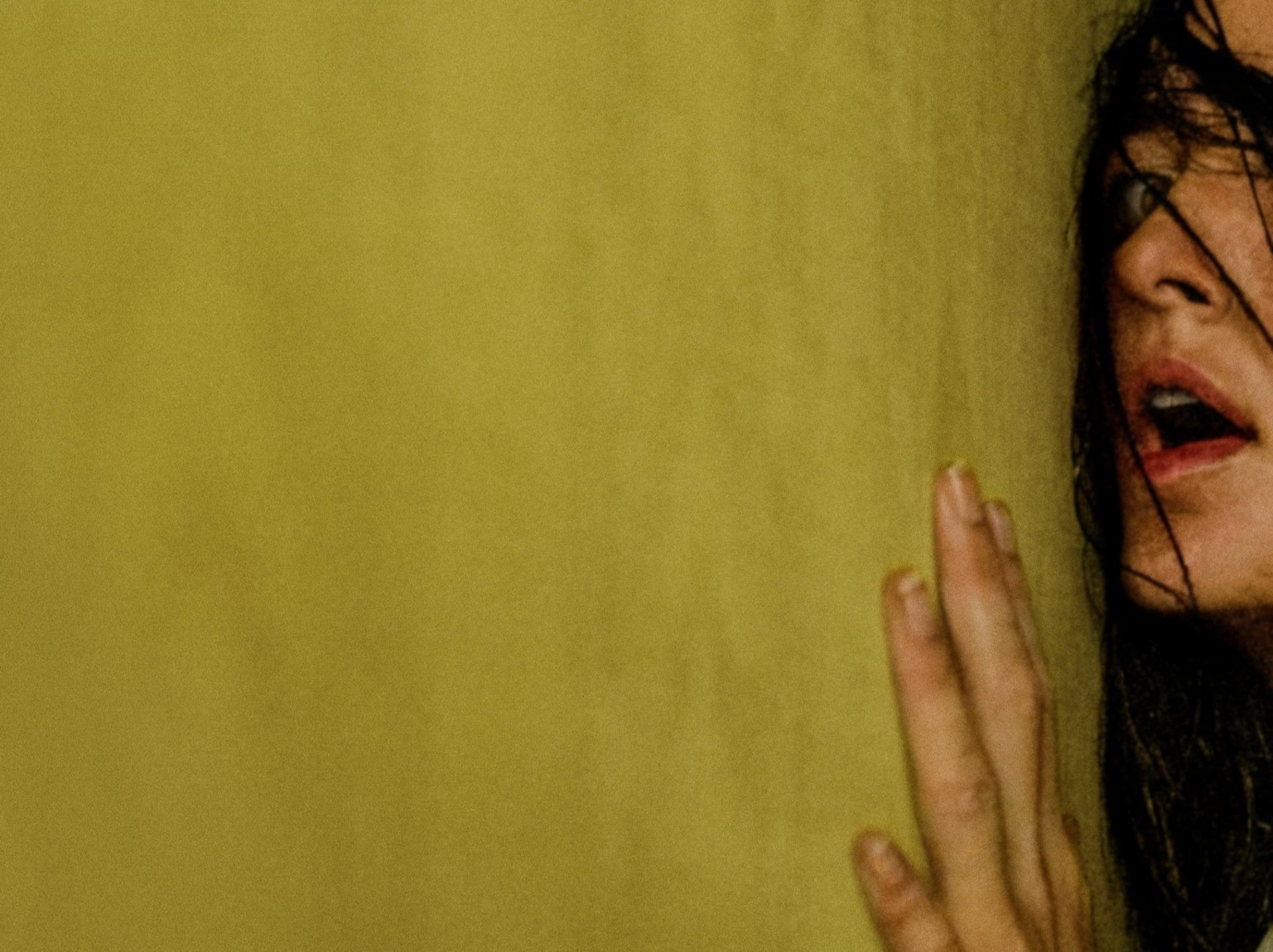
The Backrooms Phenomenon: From Creepypasta to Cultural Icon
To truly appreciate the significance of a Backrooms film, one must first understand the phenomenon itself. The Backrooms originated in 2019 from a single image posted on 4chan: a poorly lit, empty office space with yellowing walls and fluorescent hum, accompanied by a chilling caption suggesting that one might "noclip" out of reality and into this infinite, inescapable labyrinth. The image, devoid of human presence yet eerily familiar, tapped into a collective subconscious fear of liminal spaces – transitional areas that feel unsettling because they are caught between states, neither here nor there, often empty and desolate.
The concept quickly spiraled. Internet users began to expand upon the lore, creating different "levels" within The Backrooms, each with its own unique dangers, entities, and unsettling characteristics. What started as a simple creepypasta blossomed into a rich tapestry of collaborative storytelling across various platforms. YouTube became a primary hub for this expansion, with creators producing "found footage" style videos that brought the concept to life. These videos, often minimalistic and focusing on atmosphere over explicit gore, perfectly captured the psychological dread inherent in The Backrooms.
The appeal lies in its open-ended nature and universal relatability. Everyone has experienced an uncanny feeling in an empty mall, a deserted hotel corridor, or an abandoned office building. The Backrooms amplifies this feeling, turning ordinary spaces into a suffocating nightmare of endless repetition and unseen threats. It’s horror born from isolation, disorientation, and the subtle warping of the mundane. The lack of a definitive narrative or established canon has allowed for immense creativity and community engagement, making it a truly unique piece of modern folklore. This rich, fan-driven mythology is both a blessing and a challenge for any filmmaker attempting to adapt it.
A Visionary Director: The Rise of Kane Pixels
The 20-year-old director mentioned by Mark Duplass is widely known to be Kane Parsons, better known by his YouTube handle, Kane Pixels. Kane's journey from a high school student creating impressive CGI horror shorts to helming an A24 feature film is nothing short of extraordinary. His series of YouTube videos, starting with "The Backrooms (Found Footage)" in 2022, quickly went viral, garnering millions of views and critical acclaim for their masterful blend of unsettling visuals, innovative CGI, and a deep understanding of the Backrooms lore.
What sets Kane's work apart is his sophisticated use of CGI, his keen eye for atmospheric horror, and his ability to craft a compelling narrative within the found-footage framework. His videos are not just jump-scare compilations; they are meticulously crafted journeys into the heart of The Backrooms' dread, exploring themes of discovery, survival, and the unknown. He managed to create a cohesive and terrifying vision of the Backrooms that resonated profoundly with fans of the concept, elevating the creepypasta into a truly cinematic experience, even on a YouTube budget.
For Mark Duplass to state that Kane "didn't need" help and was "100 percent in control" speaks volumes about the young director's talent and preparedness. It suggests an artist with a clear, uncompromising vision, who understands his material intimately and possesses the technical skill to execute it. This level of autonomy for a debut feature film director, especially one so young, is incredibly rare in Hollywood. It implies that Kane arrived at the project with a fully formed concept, a precise storyboard, and perhaps even advanced pre-visualization work, convincing the seasoned producers that their intervention would be more hindrance than help. His previous work demonstrates an innate understanding of the visual language of horror and the power of digital storytelling, making him a unique and compelling choice for A24.
This trust placed in Kane is a testament to the changing landscape of filmmaking. Talent can now emerge from unconventional sources, and traditional gatekeepers are increasingly looking to digital platforms for fresh voices. Kane Pixels embodies this new wave of filmmakers who are not only digitally native but also possess a comprehensive understanding of visual effects, editing, and world-building from a young age. His ability to translate complex digital environments into a believable and terrifying experience is precisely what The Backrooms requires, and A24 has clearly recognized and embraced this.
A24's Midas Touch: Elevating Indie Horror
A24 is not just a film studio; it's a brand synonymous with quality, distinctiveness, and often, a particular brand of elevated, auteur-driven horror. From the folk horror of The Witch to the generational trauma of Hereditary and the cultic dread of Midsommar, A24 has consistently delivered films that challenge conventions, prioritize atmosphere and psychological depth over cheap thrills, and leave audiences profoundly unsettled. Their reputation for backing visionary directors, even those without extensive feature film experience, makes them the perfect home for The Backrooms movie and Kane Pixels.
The studio’s track record demonstrates a willingness to take risks on unique concepts and untested talent, allowing filmmakers significant creative freedom to realize their artistic visions. This philosophy aligns perfectly with Duplass's observation about Kane Pixels' complete control. A24 understands that true innovation often comes from an unfiltered artistic voice. They don't just produce movies; they curate experiences, cultivating a loyal following that anticipates their releases with an almost religious fervor. This trust extends beyond the director to the material itself, showing A24’s belief in the artistic merit and commercial potential of internet-born horror.
The Backrooms, with its blend of psychological terror, enigmatic lore, and deeply unsettling aesthetic, fits perfectly within A24's portfolio. It’s not a creature feature in the traditional sense, but rather a profound exploration of isolation, disorientation, and the uncanny – themes that A24 has masterfully explored in their other horror offerings. They excel at crafting films that linger in the mind long after viewing, sparking discussion and dissection. This aligns perfectly with the collaborative, fan-driven nature of The Backrooms, suggesting that the film will encourage similar deep dives and interpretations from its audience.
Furthermore, A24's marketing strategies are famously unique, often building intrigue and hype through subtle hints and unconventional campaigns. For a project like The Backrooms, which already has a massive pre-existing online fanbase, A24's approach will undoubtedly be instrumental in translating internet hype into box office success. They understand how to speak to discerning audiences and how to leverage the digital origins of a story to amplify its impact. This synergy between Kane's digital roots and A24's marketing prowess promises an exciting and impactful release for the film.
Mark Duplass: A Producer's Trust and Vision
Mark Duplass, along with his brother Jay, has carved out a distinctive niche in the independent film world. Known for their "mumblecore" origins and later for producing and directing a wide range of acclaimed projects (including films like Creep, also a found-footage horror), the Duplass Brothers have consistently championed unique voices and guerrilla filmmaking techniques. Mark Duplass's involvement in The Backrooms project, and his vocal support for Kane Pixels' autonomy, speaks volumes about his own philosophy as a producer.
Duplass has always been an advocate for empowering filmmakers, particularly those with a strong, original vision. His statement—that Kane Pixels "didn't need" the producers' help and was "100 percent in control"—is not an admission of hands-off neglect, but rather a profound recognition and respect for the director's talent. It implies that Kane came to the table with such a fully realized concept and such undeniable command of his craft that any interference would have been detrimental to the artistic integrity of the film. For an experienced producer like Duplass to step back and allow such freedom is a rare and powerful endorsement.
This philosophy of trust aligns perfectly with the independent spirit of A24 and the organic origins of The Backrooms. It suggests a collaborative environment where the goal is to facilitate the director's vision, rather than impose a corporate or conventional formula. Duplass's own career has been built on understanding what makes independent film thrive: authenticity, innovative storytelling, and a deep connection to the material. He likely recognized in Kane Pixels not just technical skill, but an inherent understanding of The Backrooms' unsettling essence, something that couldn't be taught or guided by traditional means.
His support also highlights a mentorship aspect, albeit one where the mentor trusts the mentee implicitly to lead. Duplass’s presence likely provided a safety net and resources, allowing Kane to operate with creative abandon while still benefiting from industry expertise. It’s a model of production that prioritizes artistic integrity and celebrates the emergence of fresh talent, paving the way for future young filmmakers to potentially receive similar levels of trust and creative control on significant projects. Duplass's public comments serve to further legitimize Kane's vision and build anticipation for a truly unique cinematic experience.
Adapting the Unadaptable: Bringing The Backrooms to the Big Screen
One of the biggest challenges in adapting The Backrooms is precisely what makes it so compelling: its lack of a fixed narrative and its reliance on ambiguity. How do you translate an infinitely expanding, procedurally generated nightmare into a linear, feature-length film without losing its core unsettling essence? Kane Pixels and A24 face the delicate task of expanding the lore and introducing characters without over-explaining the mystery or demystifying the horror.
The key will likely lie in maintaining the sense of oppressive isolation and disorientation. The visual language of liminal spaces – endless corridors, flickering lights, the sickly yellow hue – will need to be meticulously crafted through production design and cinematography to evoke the same visceral dread as the original images and videos. The "found footage" aesthetic, which Kane has already mastered, is a natural fit for The Backrooms, offering an immersive, first-person perspective that enhances the feeling of being trapped and observed.
Storytelling will also be crucial. While The Backrooms thrives on its open-ended nature, a film requires a narrative arc. The challenge will be to craft a compelling story of survival, exploration, or escape that feels organic to the Backrooms universe, rather than superimposed upon it. It could focus on a small group of individuals, an isolated explorer, or even delve into the psychological toll of being trapped in such an impossible space. The entities rumored to inhabit the Backrooms will also need careful handling, used sparingly and effectively to maximize their impact rather than devolve into generic monster horror.
Given A24's preference for psychological horror over jump scares, the film is likely to lean heavily into the existential dread of The Backrooms. The horror won't just come from what's seen, but from what's implied: the vastness of the space, the feeling of being utterly alone and forgotten, the subtle shift in reality. The sound design will be paramount – the omnipresent hum of the fluorescent lights, the distant scuttling, the echoing silence – all contributing to a pervasive sense of unease. Adapting The Backrooms is not just about showing the audience a scary place; it's about making them feel truly lost within it.
The Anticipation: What to Expect from the Backrooms Movie
The anticipation for the A24 Backrooms movie, set for release in 2026, is immense, particularly within the dedicated online community that fostered its growth. Fans are eager to see how their beloved, sprawling lore will be translated to the big screen, hopeful that Kane Pixels' vision will honor the spirit of the original concept while introducing new depths and horrors. Expectations are high for a film that avoids conventional horror tropes in favor of something more atmospheric, psychological, and uniquely unsettling, much like A24's other acclaimed horror offerings.
Viewers can likely expect a film that prioritizes mood and dread over explicit gore. The strength of The Backrooms lies in its ability to evoke fear through implication and atmosphere, rather than relying on cheap scares. We might anticipate a journey through various, increasingly terrifying levels of The Backrooms, each presenting unique challenges and visual landscapes. The film will probably delve into themes of isolation, existentialism, corporate dread (given the office park aesthetic), and the human struggle against an incomprehensible, uncaring environment. It’s expected to be a cerebral horror experience that lingers long after the credits roll.
The potential for visual innovation is also a major point of excitement. With Kane Pixels' proven CGI skills, the film has the opportunity to push boundaries in creating truly alien and unsettling environments within familiar settings. We could see breathtakingly desolate landscapes, mind-bending spatial anomalies, and subtly terrifying entities that defy easy categorization. The film is poised to validate internet-born horror as a serious contender in the cinematic landscape, showing that compelling narratives and unique artistic visions can originate outside traditional industry channels.
For many, The Backrooms movie represents a pivotal moment – not just for horror, but for how digital native creators can transition into mainstream filmmaking. It's a testament to the power of online communities to shape culture and the willingness of forward-thinking studios like A24 to recognize and cultivate raw, unbridled talent. The 2026 release date gives ample time for further speculation and excitement to build, ensuring that when the film finally arrives, it will be met with a global audience ready to plunge into its depths.
The Future of Internet-Born Horror: A New Era?
The journey of The Backrooms from a 4chan post to an A24 feature film is emblematic of a broader trend: the increasing influence of internet-born horror, often referred to as "creepypastas" or "digital folklore," on mainstream media. For years, tales like Slender Man, Smile Dog, and Jeff the Killer have captivated online audiences, proving that effective horror doesn't require massive budgets or traditional studio backing. These stories thrive on user-generated content, collaborative world-building, and a powerful sense of plausible deniability, blurring the lines between fiction and unsettling reality.
The success of The Backrooms film, under the unique circumstances of a young director's complete creative control, could usher in a new era for horror. It demonstrates that studios are increasingly willing to tap into the vast, creative wellspring of the internet, recognizing the organic fanbases and innovative storytelling techniques that emerge from these digital spaces. This collaboration between digital creators and traditional film studios represents a fascinating synergy. Studios provide the resources and reach, while online creators bring fresh perspectives, established lore, and a deep understanding of what resonates with modern audiences.
This trend has significant implications for aspiring young filmmakers. Kane Pixels' story serves as an inspiring example that talent and a distinctive vision, cultivated on platforms like YouTube, can directly lead to major opportunities. It suggests that the traditional path of film school and assistant positions is no longer the sole route to directing a feature film. Digital portfolios, viral shorts, and a proven ability to engage an audience can now be powerful calling cards. The democratization of content creation tools means that anyone with an idea and determination can now develop their craft and showcase their work to a global audience.
As we look forward to 2026, The Backrooms movie is not just another horror release; it's a cultural marker. It signifies a coming-of-age for internet lore, a validation of independent artistry, and a bold step into the future of storytelling where the lines between digital and cinematic worlds become increasingly blurred. Its success could open doors for countless other online narratives and creators, forever changing how we discover and consume horror.
A Landmark Moment for Horror and Creativity
The impending release of A24's Backrooms film, directed by the visionary 20-year-old Kane Pixels, marks a truly exciting moment in contemporary cinema. Mark Duplass's revelation about Kane's "100 percent in control" approach isn't just a fascinating anecdote; it's a powerful affirmation of a young director's talent and a studio's profound trust in an unproven yet exceptionally gifted artist. This project embodies the best of both worlds: the raw, innovative spirit of internet-born horror combined with the refined, boundary-pushing production values of A24.
From its humble origins as an enigmatic internet creepypasta, The Backrooms has captured the collective imagination, tapping into universal fears of isolation and the uncanny. Kane Pixels, through his masterful YouTube series, demonstrated a unique ability to translate this digital folklore into a genuinely terrifying visual experience. Now, with the backing of A24, a studio celebrated for its distinctive and thought-provoking horror, and the implicit trust of seasoned producers like Mark Duplass, The Backrooms is poised to become a landmark film.
This film is more than just an adaptation; it's a testament to the evolving landscape of creative talent and film production. It highlights the potential for new voices to emerge from unconventional spaces and for established industry players to embrace radical artistic freedom. As we eagerly await its 2026 release, The Backrooms movie promises to be a deeply unsettling, visually innovative, and culturally significant entry into the horror genre, reaffirming that sometimes, the most profound visions come from the least expected places and the youngest of minds.
from Kotaku
-via DynaSage
