
Apple Watch Ultra 4 Could Get Redesign and Blood Pressure Monitoring
The Future of Wearable Tech: Apple Watch Ultra 4 Set for Major Redesign and Advanced Health Monitoring
The world of wearable technology is always buzzing with anticipation, and few devices capture that excitement quite like the Apple Watch. For years, Apple has pushed the boundaries of what a smartwatch can do, not just in terms of connectivity and convenience, but also crucially in health and fitness. Now, whispers from the supply chain and industry insiders suggest that the upcoming Apple Watch Ultra 4 is poised to deliver a monumental leap forward, potentially featuring a complete redesign and the highly anticipated integration of advanced blood pressure monitoring.
According to a recent report from DigiTimes, a respected source for supply chain insights, these aren't just minor tweaks but significant innovations that could redefine the premium smartwatch experience. This potential overhaul underscores Apple's continued commitment to placing health at the forefront of its device strategy, offering users unprecedented tools to understand and manage their well-being. The implications for personal health management are enormous, suggesting a future where our wearables do more than just track our steps – they actively contribute to our preventative care and early detection of serious conditions.
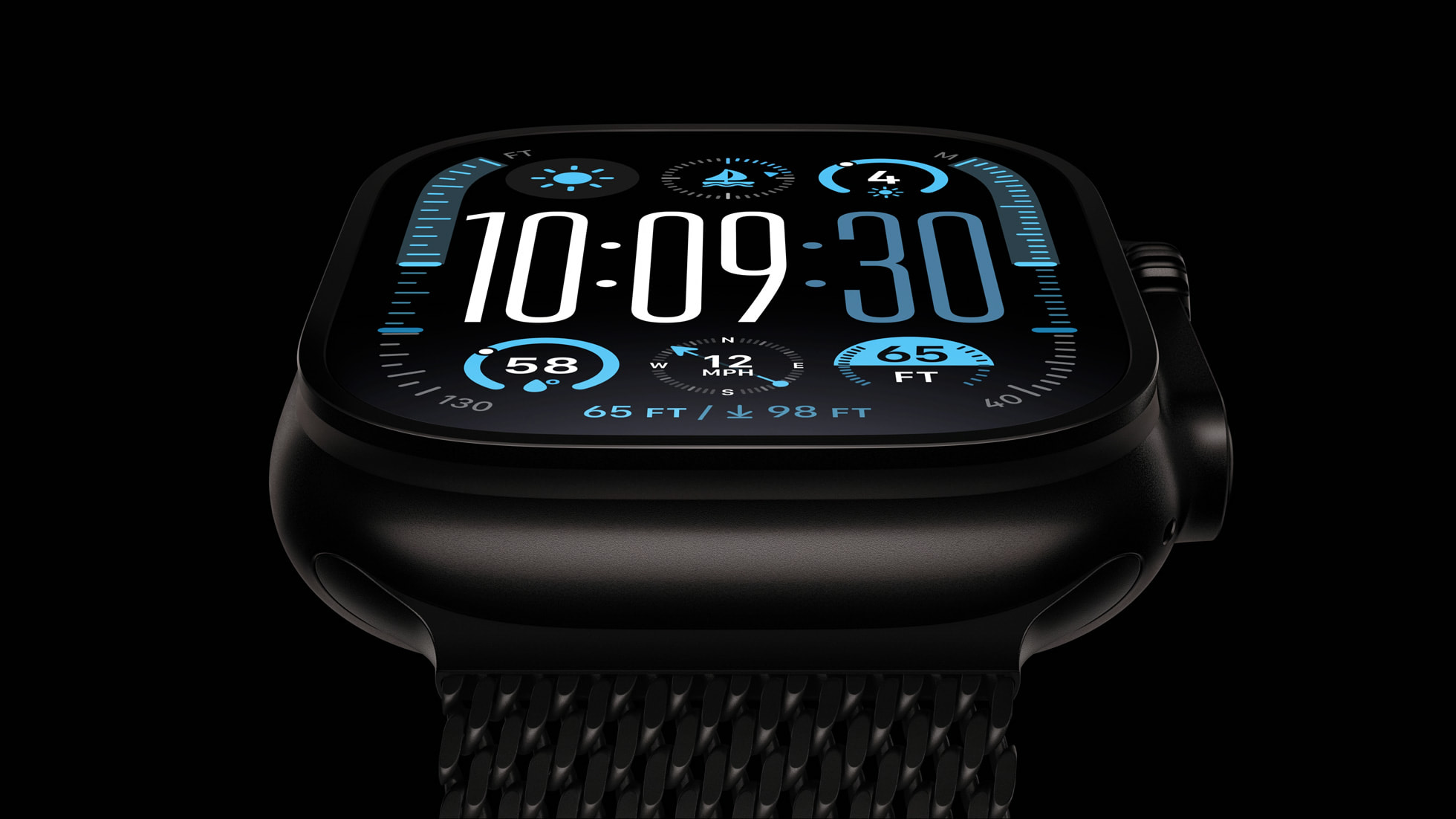
A Bold New Look: The Complete Redesign of Apple Watch Ultra 4
The very phrase "complete redesign" is enough to send ripples of excitement through the Apple community. The Apple Watch Ultra line, since its inception, has been characterized by its rugged durability, larger display, and a focus on extreme sports and outdoor adventures. While visually distinct from the standard Apple Watch models, its core design language has evolved incrementally. A "complete redesign" suggests something far more profound than just a cosmetic refresh; it hints at a re-imagining of the device's fundamental structure and user interaction.
When Apple embarks on a "full redesign," it typically signals a fundamental rethinking of the device's form, function, and user experience. This could involve radical changes to the case material, shape, display integration, and even how users interact with the physical buttons and Digital Crown. For the Ultra series, which caters to a demographic that values robust construction and ergonomic efficiency in demanding environments, any redesign would likely aim to enhance these attributes further, making the device even more suited for its adventurous purpose.
What Could a "Complete Redesign" Entail?
Speculating on the specifics, a redesign might manifest in several critical ways that would benefit users:
- Enhanced Durability and Materials: While the current Ultra is already incredibly tough, a redesign could introduce even more advanced or lighter materials. This might involve a new generation of titanium alloys, perhaps with improved scratch resistance, or strategic use of ceramics in areas that demand extreme resilience. The goal would be to make the watch even more impervious to impacts, abrasions, and the stresses of harsh environments, truly living up to its "Ultra" moniker.
- Streamlined Profile and Ergonomics: Despite its rugged nature, some users might find the current Ultra's size and bulk noticeable. A redesign could aim for a more integrated, sleeker profile without compromising screen real estate or battery life, which are crucial for adventure sports. This could involve refining the display's curve, making the watch sit more flush on the wrist, or optimizing the placement and feel of the Digital Crown and action button for easier access with gloves or during intense activity. Improved weight distribution would also be a key focus, ensuring comfort during prolonged wear.
- Optimized Sensor Placement: The report from DigiTimes last year hinted at "eight sensors arranged in a ring pattern on the back of the device." A complete redesign would be the perfect opportunity to implement such an intricate sensor array seamlessly into the watch's back crystal. This pattern could allow for more accurate and diverse health readings by ensuring consistent and optimal skin contact, distributing sensor functions effectively, and potentially reducing interference. It represents a significant engineering challenge, but one that could unlock entirely new levels of physiological data collection and analysis, which are vital for advanced health features.
- New Display Technology or Form Factor: While radical shifts like rollable screens are unlikely for a rugged device, a redesign could coincide with advancements in display technology. This might mean a brighter, more power-efficient display, or one that seamlessly integrates into the watch's casing with even thinner bezels, maximizing the screen-to-body ratio for better readability of maps and metrics during outdoor activities.
This "full redesign" is therefore not just about aesthetics; it's about optimizing the device for its core functions – robust outdoor performance and cutting-edge health monitoring. The synergy between a new exterior design and upgraded internal sensing capabilities, as highlighted by the "significant upgrade to sensing functions" mentioned in the report, is what makes this rumor particularly compelling. It suggests a holistic approach to elevating the Apple Watch Ultra experience, ensuring that every design choice supports enhanced functionality and user utility.
Revolutionizing Health Monitoring: Onboard Blood Pressure Tracking
One of the most anticipated and impactful new features rumored for the Apple Watch Ultra 4 is onboard blood pressure monitoring. High blood pressure, or hypertension, is a silent killer, often showing no symptoms but significantly increasing the risk of heart disease, stroke, and kidney failure. Regular monitoring is crucial for early detection and management, yet many people only check their blood pressure during occasional doctor visits or with cumbersome home devices. The ability to monitor this vital sign discreetly and continuously from the wrist could be a game-changer for public health.
Apple's proposed feature aims to change this paradigm by bringing continuous, convenient blood pressure insights directly to the user's wrist. The new high blood pressure notification feature is said to utilize the existing optical heart-rate sensor on the back of the device. This sensor, which uses green LED lights to detect blood flow through the wrist, would be repurposed and enhanced. It would analyze how blood vessels expand and contract, or how they respond to each heartbeat, providing a wealth of data on vascular tone and pulse wave velocity. By detecting abnormal patterns in these responses – deviations from a user's baseline or medically accepted norms – the watch could send timely, proactive alerts to the user, prompting them to seek medical advice or make necessary lifestyle changes before a condition becomes critical.
Beyond Existing Notifications: A Clinically Validated Approach
It’s important to clarify how this new capability might differ from Apple's existing health features to understand its significance. Apple already introduced a Hypertension Notifications feature with watchOS 26 last fall. That feature also uses the optical heart sensor to analyze blood vessel responses, but it typically monitors trends over 30-day periods, identifying patterns suggestive of hypertension risk. The new feature, as described by DigiTimes, appears to represent a "more refined or clinically validated implementation" of that underlying hardware.
What does "more refined or clinically validated" mean in practice? It suggests a higher degree of accuracy, reliability, and specificity, potentially moving beyond general trend analysis to provide more specific, actionable insights closer to a diagnostic reading. This might involve improved algorithms that can filter out noise and interpret signals more precisely, better sensor calibration specifically for blood pressure indications, or even the ability to take on-demand readings that, while not a substitute for a medical-grade cuff, offer a more immediate and reliable indication of blood pressure fluctuations. The key difference could lie in the level of data interpretation and the confidence with which the watch can flag potential issues, offering a more direct and immediate alert to elevated blood pressure rather than just long-term risk patterns. This distinction is crucial, particularly as it relates to regulatory approval and how the information can be used by both individuals and healthcare professionals.
The Significance of FDA Review
The report explicitly states that the feature is "under FDA review." This is a critical detail that cannot be overstated. The U.S. Food and Drug Administration (FDA) is responsible for ensuring the safety and effectiveness of medical devices. For a consumer product like the Apple Watch to offer a health monitoring feature that approaches diagnostic capabilities or directly informs health decisions, it must undergo rigorous review and approval processes. This often involves extensive clinical trials, robust data submission to demonstrate accuracy and reliability across diverse populations, and strict adherence to medical device standards.
An FDA clearance would lend immense credibility to Apple's blood pressure monitoring feature, distinguishing it from general wellness trackers and positioning it as a legitimate, medically recognized tool for health management. It would allow Apple to make more definitive claims about the feature's utility, significantly increasing its value for users and healthcare providers alike. It signifies that Apple is not just providing raw data, but validated, actionable health information that can be trusted and potentially integrated into broader healthcare strategies. This clearance would be a major milestone, not just for Apple, but for the entire wearable tech industry, setting a new standard for medical-grade health monitoring on consumer devices.
The Next Frontier: Non-Invasive Blood Glucose Monitoring
Beyond blood pressure, the report briefly touches upon Apple's ongoing pursuit of non-invasive blood-glucose monitoring. This is often referred to as the "holy grail" of wearable health tech, representing one of the most challenging and potentially impactful areas of innovation. Diabetes affects hundreds of millions worldwide, and the current standard for blood glucose monitoring involves painful finger-prick tests multiple times a day or expensive continuous glucose monitors (CGMs) that require inserting a sensor under the skin, which can be uncomfortable and inconvenient.
A truly non-invasive method, one that could measure blood sugar levels simply by wearing a watch or another wearable device, would be a transformative breakthrough. It would empower individuals with diabetes to monitor their condition more easily and frequently, leading to better management, reduced complications, and significantly improved quality of life. For pre-diabetics, it could offer early warnings and motivate crucial lifestyle changes to prevent the onset of full-blown diabetes. Furthermore, it could offer valuable insights for general wellness, helping anyone understand how their diet and activity impact their blood sugar levels throughout the day.
Apple has reportedly been working on this technology for many years, investing significant resources in advanced research and development, exploring various spectroscopic and sensing techniques. The challenges are immense, involving highly complex biochemical sensing without breaking the skin, and achieving clinical-grade accuracy consistently. The technology would need to be incredibly precise, reliable, and immune to various interferences to be clinically useful and trustworthy. Like blood pressure monitoring, this capability would undoubtedly require extensive government approval and validation from health authorities worldwide before it could be rolled out to consumers. While it's not expected to be integrated into the Apple Watch Ultra 4, its continued mention underscores Apple's long-term vision for pushing the boundaries of personal health technology and its commitment to tackling some of the most pressing health challenges through innovative wearable solutions.
Building on Prior Insights: The Consistency of Rumors
Today's report is not an isolated incident; it largely aligns with earlier whispers and reports from reliable sources, lending even more weight to the validity of these exciting developments. Specifically, it is largely consistent with a DigiTimes report from last year. That previous report had already indicated that at least one new Apple Watch model would feature a "significant redesign," with supply chain sources specifically mentioning exterior design changes, including the aforementioned "eight sensors arranged in a ring pattern on the back of the device."
The evolution of the language from "significant redesign" to "full redesign" and the explicit mention of "significant upgrade to sensing functions" in today's update suggests a deepening conviction within the supply chain about the scale and ambition of Apple's plans. It implies that what was once a strong possibility is now a more concrete expectation, with design and technical specifications firming up as production timelines approach. This reinforces the idea that Apple is making a strategic, long-term investment in these advanced capabilities.
The "eight sensors in a ring pattern" is a particularly intriguing detail that warrants further consideration. While the exact function of each sensor is not specified in the current reports, such an intricate array could enable a multitude of advanced measurements, far beyond what current smartwatches offer. Beyond the optical heart rate sensor, these additional sensors could potentially include:
- Improved ECG Capabilities: A multi-point sensor array could provide more precise electrical activity monitoring of the heart, potentially offering more detailed insights into heart rhythm irregularities than current single-point ECGs.
- Enhanced Skin Temperature Sensing: While current Apple Watches offer skin temperature tracking, an expanded array could offer greater accuracy and more localized readings, benefiting everything from advanced cycle tracking for women to early illness detection and detailed workout recovery analysis.
- Advanced Body Composition Analysis: Potentially using bioelectrical impedance analysis (BIA) technology, similar to some smart scales, the watch could estimate body fat, muscle mass, and hydration levels, providing a more holistic view of fitness and health.
- Environmental Sensing: Specialized sensors might be included to detect ambient conditions, such as improved UV exposure monitoring, air quality indicators (e.g., volatile organic compounds), or even specific chemical compounds in sweat for unique health insights.
- More Granular Sleep Tracking: With more contact points and varied sensor types, sleep tracking could become even more sophisticated, offering finer distinctions between sleep stages, better detection of sleep disorders, and deeper insights into sleep quality.
- Refined Motion and Activity Sensors: While already robust, an expanded sensor suite could further fine-tune accelerometer and gyroscope data, leading to even more accurate tracking of athletic performance metrics, complex movements, and fall detection.
The integration of multiple specialized sensors in a deliberate pattern indicates a move towards a more comprehensive and medically relevant health platform on the wrist. It’s a design choice driven by the need for robust, multi-modal data collection to support advanced features like the rumored blood pressure monitoring and to lay the groundwork for future health innovations. This level of sensing capability positions the Apple Watch Ultra 4 not just as a consumer gadget, but as a sophisticated personal health laboratory.
Market Impact and Supply Chain Momentum
A product with such significant upgrades – a complete redesign paired with groundbreaking health features – is naturally expected to have a substantial impact on the market. Market observers cited in the report predict that the redesign alone could boost Apple Watch shipments by a remarkable 20% to 30% compared to 2025 figures. This forecast highlights the immense pent-up demand for innovation within the premium smartwatch segment and the power of Apple's ecosystem to drive consumer adoption and upgrades.
Such a boost in shipments would be a significant win for Apple, solidifying its dominant position in the wearable market and demonstrating the continued vitality of the smartwatch category. It also reflects the increasing consumer demand for smartwatches that do more than just tell time or deliver notifications; users are actively seeking devices that can genuinely contribute to their health and well-being, providing actionable data and preventative insights. This shift towards health utility is a key driver for the growth of the entire wearable tech industry.
The sensor upgrades, particularly for critical health features like blood pressure monitoring, are also poised to be a major boon for Apple's exclusive supplier of sensor components, Taiwan-Asia Semiconductor (TASC). With large-volume orders anticipated as early as July, TASC is preparing for a significant ramp-up in production capacity. This close relationship with an exclusive supplier like TASC underscores Apple's meticulous control over its supply chain, ensuring that these cutting-edge sensors meet its stringent quality, performance, and scalability standards. The sheer scale of anticipated orders suggests that these are not experimental features but core components of a mass-market product, indicating Apple's confidence in their success and broad adoption.
The Grand Unveiling: Fall 2026 Apple Event
If these rumors hold true, the Apple Watch Ultra 4 is expected to be one of the star attractions at Apple's traditional fall event in 2026. This period is typically when Apple unveils its most important new products, particularly its latest iPhone models, which always garner immense global attention. The Ultra 4 would likely be announced alongside the Apple Watch Series 12, marking the annual refresh for the standard smartwatch line and ensuring a comprehensive update across Apple's wearable offerings.
But the 2026 event could be even more monumental, as it's also rumored to include the highly anticipated iPhone 18 Pro, iPhone 18 Pro Max, and a potentially revolutionary foldable device, tentatively dubbed the "iPhone Ultra." The concurrent launch of such a powerful suite of new devices, encompassing smartphones, premium smartwatches, and potentially a new form factor like a foldable iPhone, would send a clear and emphatic message about Apple's aggressive innovation roadmap across its entire ecosystem. It would showcase a coordinated effort to push the boundaries in multiple product categories simultaneously.
The Apple Watch Ultra 4, positioned at the pinnacle of Apple's wearable offerings, would play a crucial role in this broader ecosystem narrative. It would showcase the company's prowess in integrating advanced hardware with sophisticated software to deliver truly personalized and impactful user experiences, especially in the realm of health. The seamless interplay between a redesigned, feature-rich Apple Watch Ultra and the latest iPhones would highlight Apple's vision of a tightly integrated digital life, where devices work together intelligently to empower users in unprecedented ways.
Why This Matters to You
For consumers, these developments herald a new era of personal health management, shifting from reactive to proactive care. Imagine having a device on your wrist that not only tracks your activity and sleep with incredible precision but also keeps a watchful eye on your blood pressure, alerting you to potential issues before they become serious. This continuous, discreet, and intelligent monitoring can be life-changing, empowering individuals to take greater control over their well-being, identify risks early, and make informed decisions about their health with unprecedented ease.
The combination of a stunning new design, potentially more comfortable, durable, and aesthetically pleasing, with such powerful and clinically relevant health capabilities means the Apple Watch Ultra 4 isn't just an incremental upgrade; it's a statement about the future of personal technology. It's a future where your devices don't just connect you to the world but also provide vital, validated insights into your own body, making health monitoring more accessible, integrated, and intelligent than ever before. This could reduce the burden on healthcare systems, promote healthier lifestyles, and ultimately lead to a better quality of life for millions.
As we inch closer to fall 2026, the anticipation for the Apple Watch Ultra 4 will only continue to build. If the rumors from DigiTimes and other supply chain sources prove accurate, Apple is preparing to deliver a device that is not just aesthetically refreshed but fundamentally re-engineered to be a powerful guardian of our health, making complex medical insights an integrated, intuitive, and trusted part of our everyday lives. This potential evolution of the Apple Watch Ultra represents a significant step towards a future where technology truly empowers us to live healthier, more informed lives.
The journey towards truly smart, preventive healthcare is long and complex, requiring rigorous testing, regulatory approval, and continuous innovation. However, with ambitious innovations like these rumored for the Apple Watch Ultra 4, Apple appears to be taking decisive and impactful steps forward, reinforcing its vision for a healthier, more connected future for all its users.
This article, "Apple Watch Ultra 4 Could Get Redesign and Blood Pressure Monitoring" first appeared on MacRumors.com
Discuss this article in our forums
from MacRumors
-via DynaSage
