
Apple Grew U.S. iPhone Sales While Broader Smartphone Market Declined in Q1
Apple's Remarkable Triumph: Growing iPhone Sales While the Smartphone Market Dips in Early 2026
In a surprising turn of events for the smartphone industry, Apple has once again showcased its incredible resilience and strategic prowess. During the first three months of 2026, a period known as the first quarter (Q1), Apple's smartphone sales in the United States actually went up by 1.3% compared to the same time last year. This impressive growth stands out even more when you consider that the overall U.S. smartphone market experienced a significant decline of 5.7% during this exact timeframe. These revealing figures come from the respected market analysis firm, Counterpoint Research, painting a clear picture of Apple's ability to defy prevailing market trends.
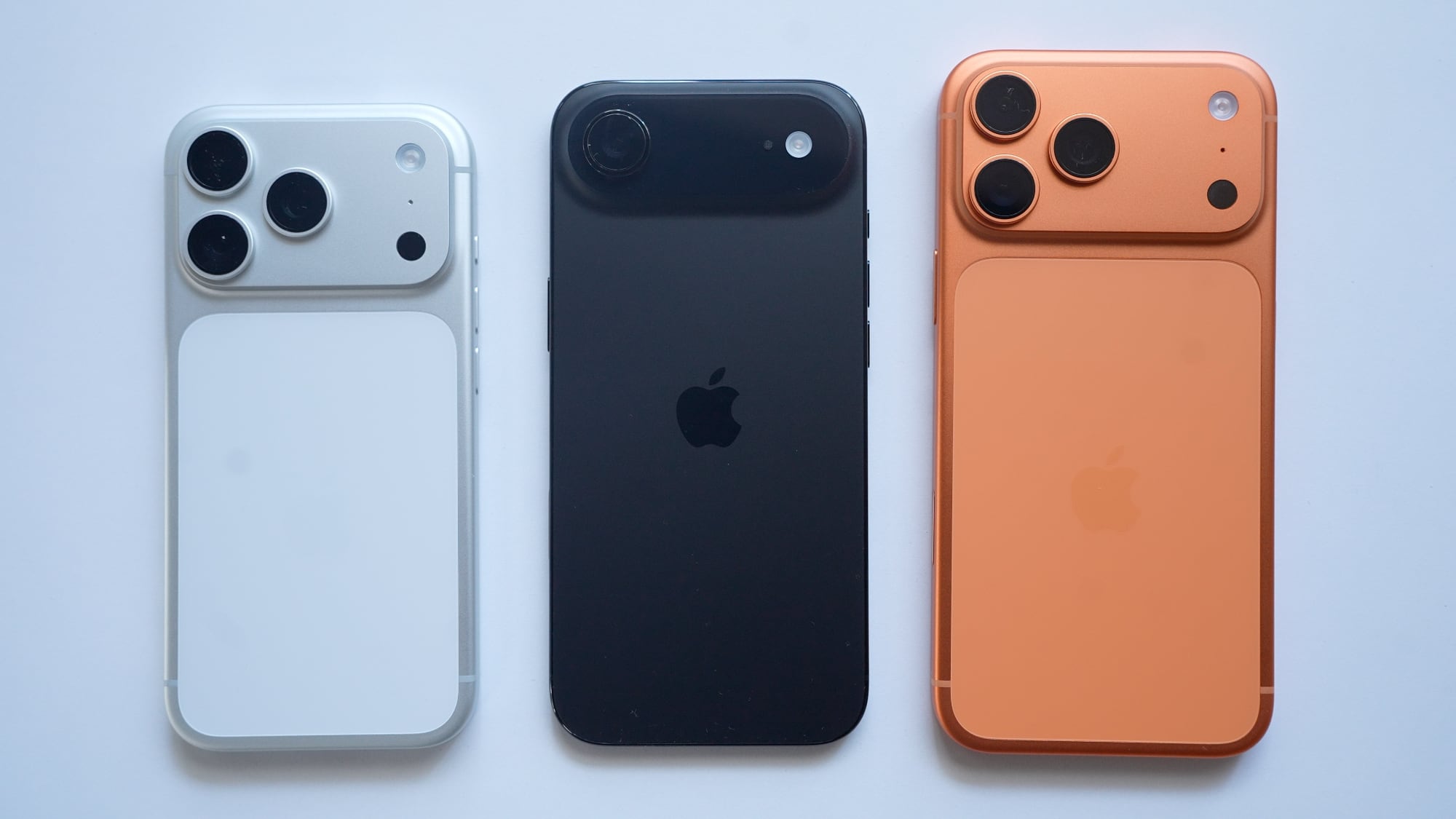
This period saw a stark contrast in performance between the two dominant mobile operating systems. While Apple celebrated a sales increase, devices running on the Android operating system faced considerable headwinds, with their sales declining by a substantial 14.4%. This disparity allowed Apple to significantly expand its footprint, with its market share growing by an impressive 4% year-over-year. Such a swing in market share is not merely a statistical anomaly; it reflects underlying shifts in consumer preference, strategic execution, and the competitive landscape.
The iPhone 17's Stellar Performance: A Key Driver of Apple's Success
One of the primary reasons cited for Apple's outstanding performance is the strong showing of its latest smartphone lineup, the iPhone 17 series. Each new iteration of the iPhone traditionally generates significant excitement, but the iPhone 17 appears to have struck a particularly strong chord with consumers. Its advanced features, improved camera technology, enhanced processing power, and perhaps even subtle design refinements likely contributed to its appeal. In a market where innovation can often feel incremental, the iPhone 17 seemingly offered enough compelling reasons for both existing Apple users to upgrade and for some Android users to make the switch.
Beyond the inherent strengths of the iPhone 17 itself, external market factors also played a crucial role. Counterpoint Research points out that Apple benefited from a strategic timing advantage: Samsung's flagship Galaxy S26 series, a direct competitor, launched later in March. This delay gave the iPhone 17 a longer period of unchallenged dominance in the premium segment of the market, allowing Apple to capture a larger share of early-quarter sales without immediate direct competition from Samsung's latest offerings. This staggered release schedule inadvertently created a window of opportunity that Apple was well-positioned to capitalize on.
Dominance Across Major U.S. Carriers: A Clear Indicator of Market Strength
Apple's growing market share wasn't just an overall statistic; it was evident across the most critical sales channels in the United States. The company saw its market share increase at all three major U.S. cellular carriers: Verizon, AT&T, and T-Mobile. These carriers are the primary distribution points for smartphones in the U.S., and their sales figures are highly indicative of broader consumer trends. This means that at the point of sale, where consumers make their purchasing decisions, Apple's iPhones were consistently chosen more often.
The extent of this dominance is quite staggering. At these three major carriers, the iPhone accounted for a remarkable 75% of all smartphone sales. In contrast, Android devices made up the remaining 25%. This 3:1 ratio in favor of Apple at the country's largest mobile service providers highlights a significant preference among U.S. consumers, or perhaps aggressive promotional strategies by Apple in partnership with these carriers. This kind of market penetration at the carrier level is a powerful competitive advantage, as it ensures wide availability and often preferred promotional treatment for Apple's devices.
Strategic Pricing and Value: Apple's Edge in a Challenging Economy
In an economic climate where many consumers are cautious about spending, Apple's pricing strategy has proven to be a shrewd move. Counterpoint Research believes that Apple will continue to attract users to its iOS ecosystem because it maintained its pricing with models like the iPhone 17e, and in some cases, even increased the amount of storage available to users without hiking up the price. This approach offers consumers more value for their money, a compelling proposition when other manufacturers are facing different pressures.
Many smartphone makers, particularly those relying on the Android platform, often operate with slimmer hardware profit margins. This means they have less financial flexibility to absorb rising component costs or offer significant value additions without increasing the final price for consumers. As a result, these manufacturers have been compelled to raise their prices, potentially making their devices less appealing to price-sensitive buyers. Apple, with its robust profit margins and strong brand loyalty, has the strategic advantage of being able to hold prices steady or even enhance value, making its offerings comparatively more attractive.
The research firm further elaborated on this dynamic:
If Apple can avoid significant price increases and continue to outpace its peers in promotional dollars, it will be tough for Android OEMs to keep up in the year ahead.
This statement underscores Apple's formidable position. Its ability to manage costs, maintain appealing pricing, and likely invest heavily in marketing and promotional activities gives it a distinct edge that Android original equipment manufacturers (OEMs) struggle to match, setting the stage for continued market leadership.
Tim Cook's Optimism: The iPhone 17 as Apple's Most Popular Lineup Ever
During Apple's earnings call on April 30, CEO Tim Cook provided additional insight into the company's strong performance. He proudly declared that the iPhone 17 family was unequivocally the "most popular lineup in Apple's history." This is a significant claim, considering the long lineage of highly successful iPhone models. Such a statement from the CEO indicates not just strong sales, but also perhaps high customer satisfaction and widespread adoption globally. Cook's remarks, detailed in a MacRumors report, resonated with investors and analysts, affirming the iPhone's enduring appeal.
Reinforcing this positive outlook, Cook also mentioned that data from IDC, another prominent market research firm, indicated that Apple had gained market share during the quarter. This independent corroboration from IDC further solidifies the findings from Counterpoint Research, painting a consistent picture of Apple's growth and market expansion in the face of a contracting overall market.
"Off the Charts" Demand and Looming Supply Challenges
Despite the celebratory tone regarding sales, Tim Cook also revealed a less rosy aspect of the quarter: iPhone demand was "off the charts," leading to significant supply constraints. In simpler terms, Apple was selling iPhones faster than it could produce them. This is a double-edged sword: it signifies incredible consumer interest and loyalty, but it also means lost sales opportunities for products that couldn't be manufactured and shipped in time.
The root cause of these supply chain issues lay in the manufacturing of critical components. Specifically, Apple was experiencing difficulties in getting enough A19 and A19 Pro chips from its primary supplier, TSMC (Taiwan Semiconductor Manufacturing Company). TSMC is the world's largest independent semiconductor foundry, responsible for producing many of the most advanced chips for a wide range of companies, including Apple. The problem wasn't a lack of capability on TSMC's part, but rather an overwhelming demand for other high-priority components.
The Impact of AI Server Chips on Smartphone Production
The bottleneck at TSMC was directly linked to the burgeoning demand for AI (Artificial Intelligence) server chips. The global race to develop and deploy AI technologies, from large language models to advanced data analytics, has led to an unprecedented surge in orders for specialized chips designed for AI servers. These AI chips are highly complex and often require the most advanced manufacturing processes, consuming a significant portion of TSMC's cutting-edge production capacity. As TSMC prioritized these high-demand, high-margin AI server chips, the capacity available for manufacturing smartphone processors like Apple's A19 and A19 Pro chips was stretched thin, leading to delays and shortages for Apple.
This situation highlights the interconnectedness of the global tech supply chain. A boom in one sector (AI) can have ripple effects, creating shortages and challenges in another (smartphones). For Apple, a company known for its meticulous supply chain management, such constraints are a significant concern, potentially impacting its ability to fully meet consumer demand and capture all possible sales.
Looking Ahead: Memory Shortages and Rising Costs in Late 2026
Tim Cook also provided a forward-looking warning about future challenges that could impact Apple later in 2026. According to Cook, memory shortages and rising costs are expected to have a "more of an impact" on the company as the year progresses. This is a critical concern, as memory components (like RAM and flash storage) are essential for every smartphone, dictating performance and storage capacity.
Apple is anticipating "significantly higher" memory costs. This could be due to several factors: continued high demand across the tech industry, limited manufacturing capacity for specific types of memory, geopolitical tensions affecting supply chains, or even raw material costs. When core component costs rise, companies like Apple face a difficult decision: absorb the increased costs, which impacts their profit margins, or pass them on to consumers, which could lead to higher device prices.
Cook stated that Apple plans to look at a "range of options" for mitigation to address these looming memory challenges. However, he declined to provide any specific insights into how Apple intends to deal with the problem. This silence naturally sparked speculation among analysts and consumers. Crucially, he also did not comment on whether Apple would be forced to raise the prices of its future iPhone models or other devices to offset these higher memory costs. The prospect of increased iPhone prices is always a sensitive topic, as it could impact sales volumes and market competitiveness, especially if Android competitors find ways to mitigate similar cost pressures more effectively.
The Broader Implications of Memory Cost Increases
The anticipated rise in memory costs isn't just an Apple-specific issue; it's a global industry challenge. Memory is a fundamental component for almost all electronic devices, from computers and servers to smart home gadgets and automotive systems. A significant increase in memory prices can impact the entire technology sector, potentially leading to higher prices for a wide range of products across different brands. For Apple, whose products are already positioned at the premium end of the market, managing these costs effectively without alienating its customer base will be a key strategic test.
Possible mitigation strategies for Apple could include negotiating long-term supply contracts, diversifying its memory suppliers, optimizing its device architectures to use memory more efficiently, or even investing in new memory technologies or manufacturing capabilities in the long run. The secrecy surrounding Apple's plans suggests that these are complex strategic decisions with significant implications for its product roadmap and financial performance.
Apple's Enduring Ecosystem and Brand Loyalty
Beyond the quarterly numbers and supply chain challenges, Apple's long-term success is deeply rooted in its powerful ecosystem and unparalleled brand loyalty. The seamless integration between iPhones, iPads, Macs, Apple Watches, and services like iCloud, Apple Music, and the App Store creates a "sticky" experience that encourages users to stay within the Apple family. Once invested in this ecosystem, users often find it more convenient and beneficial to continue purchasing Apple products, benefiting from features like Handoff, AirDrop, and universal clipboard across their devices.
Furthermore, Apple's reputation for privacy, security, consistent software updates for many years, and high resale value for its devices contribute significantly to customer satisfaction and retention. These factors, combined with a premium brand image and effective marketing, create a strong foundation that helps Apple navigate market fluctuations and competitive pressures more effectively than many of its rivals. While Android offers a broader range of devices and price points, the cohesive experience and perceived quality of Apple's offerings continue to attract and retain a dedicated user base.
Conclusion: A Resilient Leader Navigating Future Headwinds
Apple's performance in Q1 2026 was nothing short of remarkable. Growing its U.S. iPhone sales by 1.3% while the broader smartphone market declined by 5.7% is a testament to the strength of the iPhone 17 lineup, strategic market timing, effective pricing, and dominant carrier relationships. The company's ability to increase its market share by 4% and capture 75% of sales at major U.S. carriers underscores its powerful position in the critical American market.
However, the path ahead is not without its challenges. The "off the charts" demand for the iPhone 17, while positive, exposed vulnerabilities in the supply chain, particularly regarding the availability of critical A19 chips due to the overwhelming global demand for AI server chips from TSMC. Looking further into 2026, Apple faces the specter of significantly higher memory costs and potential shortages, a challenge that could force difficult decisions regarding pricing and profitability. While Apple is exploring a "range of options" to mitigate these issues, the company remains tight-lipped about whether consumers should brace for higher prices.
Despite these anticipated headwinds, Apple's robust ecosystem, strong brand loyalty, and proven strategic execution position it well to continue leading the smartphone market. The company's ability to innovate, maintain value, and effectively manage its supply chain will be critical as it navigates the complex interplay of global demand, manufacturing constraints, and evolving economic conditions in the coming quarters. Apple's journey in 2026 promises to be a compelling watch, demonstrating how a tech giant adapts and thrives in an ever-changing world.
This article, "Apple Grew U.S. iPhone Sales While Broader Smartphone Market Declined in Q1" first appeared on MacRumors.com
Discuss this article in our forums
from MacRumors
-via DynaSage
