
Apple Cuts More Mac Studio and Mac Mini RAM Options as Memory Shortage Worsens
Apple, the tech giant known for its sleek computers, is currently navigating a tricky situation. For those looking to get their hands on powerful desktop Macs, especially the Mac mini and Mac Studio, things have gotten a bit complicated. The company has quietly removed several popular configurations from its online store, making it harder to buy models with higher amounts of memory, also known as RAM. This isn't just a minor tweak; it's a direct response to a global shortage of memory chips, a problem that's sending ripples across the entire technology industry.
Understanding the Recent Changes: What Macs Are Affected?
In recent weeks, Apple has significantly scaled back the options available for both the Mac mini and Mac Studio, particularly concerning their RAM capacities. This means that if you've been eyeing a new desktop Mac with serious processing power, you might find your choices limited.
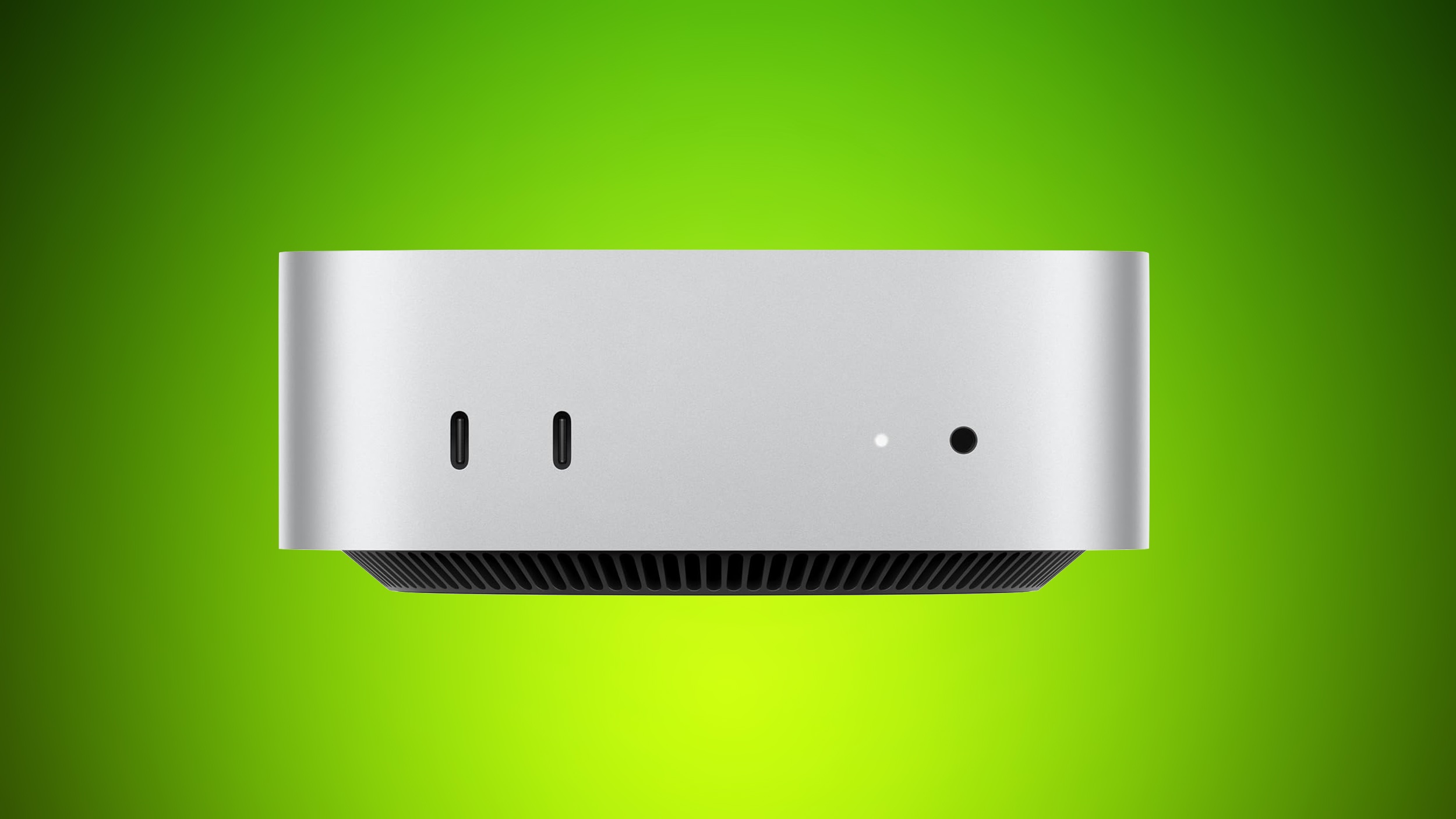
Mac Studio: A Powerful Machine with Fewer High-End Options
The Mac Studio, designed for professional users who demand top-tier performance, has seen some of the most drastic cuts. Specifically, the powerful M3 Ultra Mac Studio is no longer available with a massive 256GB of RAM. Previously, this configuration was a dream for users working with extremely large files, complex 3D rendering, or heavy-duty video editing. Now, the M3 Ultra Mac Studio is capped at a 96GB RAM configuration. While 96GB is still a substantial amount of memory, it represents a significant reduction for those who truly push their machines to the limit and were relying on the 256GB option for future-proofing or specific demanding workflows.
It's not just the M3 Ultra model that's feeling the squeeze. Both the M3 Mac Studio and M4 Max Mac Studio models are currently facing lengthy delivery estimates, stretching out to 9 to 10 weeks. This extended wait time isn't just inconvenient; it suggests that even the available configurations are experiencing supply constraints, likely due to the same underlying memory shortage.
Mac mini: Price Hikes and Reduced Memory Choices
The Mac mini, a popular choice for its compact size and versatility, has also been significantly impacted. For users seeking the more powerful M4 Pro Mac mini, the maximum RAM option has been reduced from 64GB to 48GB. This means if you were planning on equipping your Mac mini with the highest possible memory for intense tasks, that option is no longer on the table.
Even the standard M4 Mac mini has seen its memory choices shrink. The 32GB RAM option, a sweet spot for many users balancing performance and cost, has been removed. Customers can now only purchase the M4 Mac mini with either 16GB or 24GB of RAM. This forces users who need more than 24GB to consider the M4 Pro model, which now also has reduced top-end RAM.
Adding to these memory woes, Apple previously removed the Mac mini with 256GB of SSD storage from its lineup. This seemingly minor change had a significant impact on the entry-level price. By making the 512GB model the new minimum storage option, the effective starting price of the Mac mini jumped from $599 to $799. This combination of higher baseline prices and reduced memory options makes the Mac mini a more expensive proposition for many prospective buyers.
These recent changes are not isolated incidents. Apple had already begun to stop accepting orders for certain Mac Studio and Mac mini configurations with higher amounts of RAM back in March and April, signaling the growing problem well in advance.
Why the Shortage? Unpacking the Global Memory Crisis
The core reason behind these configuration cuts and extended delivery times is a severe global shortage of memory chips. But what exactly does that mean, and why is it happening now?
What is RAM and Why is it So Important?
RAM, or Random Access Memory, is essentially your computer's short-term memory. It's where your computer stores data that it needs to access quickly and frequently. When you open an application, load a large file, or work on multiple tasks simultaneously, your computer uses RAM to hold all that active information. The more RAM your computer has, the more tasks it can juggle smoothly without slowing down. For professionals working with high-resolution video, complex design software, or large datasets, ample RAM is not just a luxury; it's a necessity for efficient workflow.
The Rise of AI: A Memory Black Hole
The biggest driver of the current memory shortage is the explosive growth of Artificial Intelligence (AI) and machine learning. Training and running sophisticated AI models, especially large language models (LLMs) like those powering generative AI tools, requires immense amounts of data and, consequently, immense amounts of memory. AI servers, which are the backbone of these operations, are being built with unprecedented quantities of high-bandwidth memory (HBM) and standard DRAM (Dynamic Random-Access Memory).
Companies around the world are pouring billions into developing and deploying AI infrastructure, leading to an insatiable demand for these memory chips. Manufacturers, despite increasing production, are struggling to keep up with this surge. The current capacity for producing these advanced memory chips simply wasn't designed for the sudden, exponential demand brought on by the AI revolution. This imbalance between soaring demand from AI data centers and the existing supply capacity is hiking up prices and making these chips scarce for other sectors, including personal computers.
Underestimated Demand and Broader Supply Chain Challenges
Apple CEO Tim Cook himself acknowledged that Apple underestimated the demand for the Mac mini and Mac Studio. Many customers are looking for powerful machines capable of running AI and agentic tools locally, bypassing cloud-based solutions for privacy, speed, or cost reasons. This unexpected surge in demand from the consumer/prosumer segment, combined with the broader industrial demand for AI, created a perfect storm.
Beyond AI, the global tech supply chain has faced several challenges in recent years, from geopolitical tensions impacting manufacturing to lingering effects of the pandemic on logistics and labor. While the memory industry is cyclical, the current upswing is exacerbated by these unique pressures. Tim Cook also warned that Apple expects significantly higher memory costs in the months to come, confirming that the increased demand and limited supply are directly translating into elevated prices for component manufacturers like Apple.
Apple's Strategy: Conserving Supply and Managing Expectations
In response to this challenging environment, Apple is employing a clear strategy: conserve its existing memory chip supply by limiting the configurations available to consumers. By removing the highest-capacity RAM options, Apple ensures that it can still produce and sell a certain number of units, even if those units are not at the very top end of their performance spectrum.
As Tim Cook stated, "We think, looking forward, that the Mac mini and Mac Studio may take several months to reach supply demand balance." This candid admission sets expectations for customers: don't anticipate a quick return to full availability. This isn't just a temporary hiccup; it's a multi-month challenge that will impact purchase decisions and possibly product development cycles.
The company's decision to effectively raise the price of the entry-level Mac mini by eliminating the 256GB SSD option and only offering 512GB as a minimum is also part of this strategy. While it might seem purely financial, it could also be a way to rationalize production or manage the economics of a constrained supply chain. By increasing the base price, Apple might offset some of the higher memory costs it anticipates.
For a company known for its meticulous supply chain management, this situation highlights the unprecedented nature of the current global memory shortage. Even Apple, with its immense purchasing power and long-standing relationships with suppliers, is not immune to these external pressures.
Impact on Consumers and Professionals: Making Difficult Choices
These supply constraints have direct implications for anyone considering a new Mac mini or Mac Studio. The primary impact is a significant reduction in choice and an increase in effective pricing.
Limited Choices and Compromises
Users who previously relied on or planned for configurations with 32GB, 64GB, or even 256GB of RAM for their demanding workflows now have to adjust their expectations. For video editors, 3D artists, software developers compiling large projects, or researchers running complex simulations, every gigabyte of RAM makes a difference. Being forced to downgrade to 96GB on a M3 Ultra Mac Studio or 48GB on an M4 Pro Mac mini could mean slower rendering times, more frequent disk swapping, and an overall less efficient workflow. This pushes some professionals to consider if the available Mac configurations still meet their needs, or if they should explore alternatives.
The Higher Cost of Entry
The effective price increase for the Mac mini due to the removal of the 256GB SSD option, coupled with potentially needing to buy a higher-tier model to get sufficient RAM, means that these Macs are becoming more expensive investments. For individuals and small businesses, this can be a significant hurdle, especially when budgeting for essential work tools.
The "Wait and See" Dilemma
Many potential buyers might now be in a "wait and see" mode. Should they buy a currently available configuration that might be less than ideal, or should they wait several months in hopes that higher RAM options return and supply normalizes? The risk of waiting, however, is that prices could continue to rise, or new models might be introduced with similar constraints. This uncertainty makes purchase decisions much harder.
Future-Proofing Challenges
One common strategy for tech purchases is future-proofing – buying a machine with more power and memory than you currently need, so it remains capable for longer. With current limitations, future-proofing becomes more difficult. If a user buys a Mac with less RAM than they ideally want, they might find themselves upgrading sooner than expected, which is not only costly but also less sustainable.
Navigating the Shortage: Tips for Buyers
Given the current situation, potential buyers of a Mac mini or Mac Studio need to approach their purchase with careful consideration. Here are a few tips:
1. Accurately Assess Your RAM Needs
Before making a purchase, meticulously evaluate your actual RAM requirements. Don't just go for the highest available; truly understand what your most demanding applications need. Tools like Activity Monitor on macOS can show you how much RAM your current setup uses. If your workflow involves heavy video editing (4K or 8K), complex graphic design, large software development projects, or intensive data analysis, aim for the highest available RAM you can reasonably afford, even if it means settling for a slightly lower maximum than previously offered. For general productivity, web browsing, and lighter creative tasks, 16GB or 24GB might still be perfectly adequate.
2. Consider the M4 Pro Mac mini as an Alternative
If you were eyeing a base Mac Studio but find its configurations too limited or pricey, the M4 Pro Mac mini (now maxing out at 48GB RAM) could be a compelling alternative. It offers significant performance in a compact form factor, potentially hitting a sweet spot for many prosumers who need more than the standard Mac mini but don't require the extreme power (or price) of a Mac Studio.
3. Be Patient or Be Proactive
If your current machine can hold out for a few more months, waiting for supply to stabilize might yield better options. However, if you need a machine now, be proactive: check Apple's online store and authorized resellers regularly, as stock can fluctuate. Some configurations might become available briefly. Remember the 9-10 week delivery estimates for some Mac Studio models; factor that into your planning.
4. Explore the Refurbished Market (with Caution)
Apple's certified refurbished store can sometimes offer good deals on slightly older models with potentially higher RAM configurations that are no longer offered new. These come with Apple's warranty and are thoroughly inspected. However, ensure the older chip generation (e.g., M2 vs. M3/M4) still meets your performance needs, especially for AI-related tasks where newer neural engines are more efficient.
5. Cloud Computing for AI Tasks
If your primary need for high RAM is specifically for AI model training or inference, consider offloading these tasks to cloud computing platforms (AWS, Google Cloud, Azure, etc.). While this involves ongoing costs, it might be more accessible and scalable than waiting for a local machine with extreme RAM, especially if you only need that capacity occasionally.
6. Don't Overlook SSD Storage
While RAM is the focus of the shortage, remember the Mac mini's increased baseline SSD storage. If you work with large files, 512GB might be the bare minimum. Opting for 1TB or more will significantly enhance your experience and system longevity, as you can't upgrade internal storage later.
The Broader Tech Landscape: A Sign of Things to Come?
The memory shortage impacting Apple's desktop Macs is not an isolated incident. The ripple effects of intense AI demand for specialized memory chips are being felt across the entire technology industry. Other computer manufacturers, server providers, and even smartphone makers are facing similar pressures, leading to higher component costs and potential supply disruptions.
This situation underscores a fundamental shift in the tech world. AI is not just a software phenomenon; it's a hardware-intensive revolution. The demand for powerful processors, advanced cooling systems, and, critically, high-bandwidth, high-capacity memory is reshaping manufacturing priorities and supply chains globally. While memory manufacturers are racing to ramp up production, it takes time and massive investment to build new fabrication plants and perfect new memory technologies.
For consumers, this means that the era of readily available, highly customizable, and affordable high-end components might be temporarily on hold. Prices for essential components like RAM could remain elevated for the foreseeable future, impacting the final cost of everything from personal computers to data center servers. Companies like Apple will continue to adapt by optimizing configurations and potentially adjusting their product roadmaps to align with component availability.
Conclusion: A Challenging Period for Mac Enthusiasts
The current situation with Apple cutting RAM options for the Mac mini and Mac Studio is a clear indicator of the profound impact of the global memory shortage, largely driven by the explosive demand for AI computing. While Apple is doing its best to manage its supply chain, the reality is that high-capacity memory configurations are now harder to get and more expensive.
For creative professionals, developers, and power users, this means careful planning and potentially making compromises on their next desktop Mac. The "several months" outlook provided by Tim Cook suggests that patience will be a virtue. As the tech industry continues to grapple with the demands of AI, how Apple and other companies adapt their product offerings and supply strategies will be crucial to meeting the evolving needs of their customers.
Keep an eye on official Apple channels for any updates, and remember to thoroughly evaluate your needs before making a purchase in this constrained market. The future of computing, deeply intertwined with AI, will undoubtedly bring powerful innovations, but it also presents new challenges in terms of hardware availability and cost.
This article, "Apple Cuts More Mac Studio and Mac Mini RAM Options as Memory Shortage Worsens" first appeared on MacRumors.com
Discuss this article in our forums
from MacRumors
-via DynaSage
