
Apple Announces WWDC 2026 Schedule, Sends Media Invites
Get Ready for Innovation: Apple Announces WWDC 2026 Schedule and What to Expect
The annual gathering that sets the stage for the next year of Apple's technological advancements, the Worldwide Developers Conference (WWDC), is officially on the calendar for 2026. Apple has just released its highly anticipated schedule for WWDC 2026, confirming key dates, times, and a glimpse into what enthusiasts and professionals alike can expect. This monumental event, running from June 8 to June 12, promises to unveil the future of Apple’s software ecosystem, featuring major updates to iOS, iPadOS, macOS, and a revolutionary reimagining of Siri.
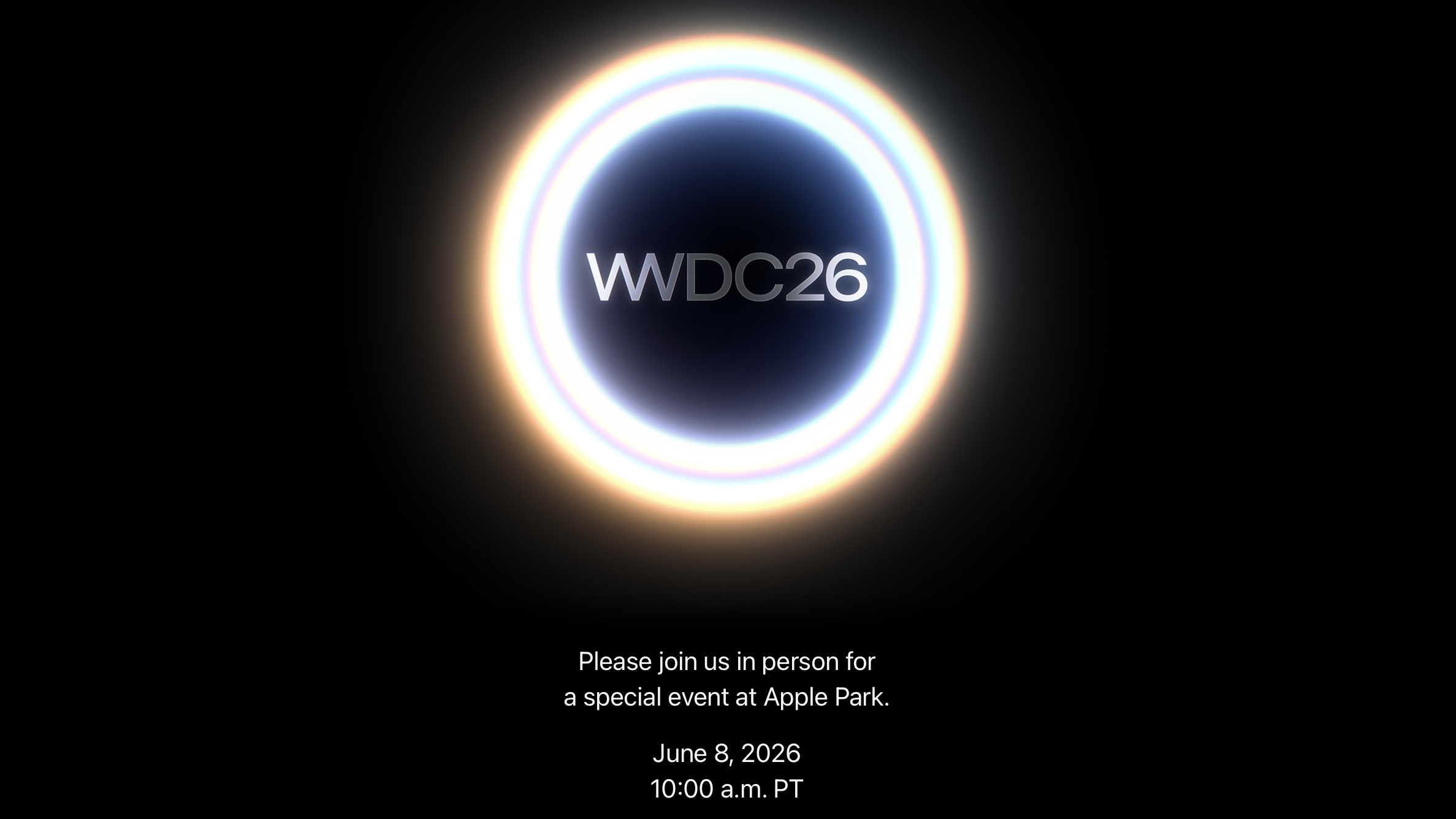
Excitement is already building as media members have received exclusive invitations to attend an in-person keynote viewing at the iconic Apple Park. This move signals a hybrid approach, combining the global accessibility of online streaming with the exclusive, experiential atmosphere for a select few at Apple’s futuristic campus. For millions around the world, the keynote will be a digital spectacle, marking the beginning of a week packed with insights, learning, and groundbreaking announcements.
The Main Event: The Keynote Address
The cornerstone of every WWDC is the opening keynote address, where Apple’s top executives take the stage to introduce the world to their latest innovations. For WWDC 2026, the keynote is scheduled to kick off at the standard time of 10:00 a.m. Pacific Time, which translates to 1:00 p.m. Eastern Time. This timing is a tradition that many Apple followers have come to expect, allowing a global audience to tune in from various time zones throughout the day.
The keynote is more than just an announcement; it's a carefully orchestrated presentation that articulates Apple's vision for the future. It's where the company reveals its strategic direction, highlights new user experiences, and often subtly hints at future hardware. From the opening remarks by the CEO to the detailed walkthroughs of new software features by various VPs, every segment is designed to captivate and inform. For the media invited to Apple Park, this means not only witnessing these reveals firsthand but also experiencing the ambiance and innovation that permeate Apple’s headquarters. This exclusive in-person experience for media fosters a deeper connection with the brand and allows for immediate, firsthand reporting from the heart of Apple’s creative hub.
While a limited number of media representatives will gather at Apple Park, the vast majority of the global audience, including millions of developers, tech enthusiasts, and casual users, will experience the keynote remotely. This democratic approach ensures that Apple's message and innovations reach every corner of the planet simultaneously. The keynote is a highly anticipated event, often generating immense discussion and analysis across social media, tech blogs, and news outlets immediately following its conclusion. It sets the tone for the entire week of WWDC, igniting conversations about the future of technology and how Apple plans to shape it. The impact of the keynote extends far beyond the tech community, influencing design trends, user expectations, and even the broader consumer electronics market. It’s a moment that can redefine how we interact with our digital world and what we come to expect from our most personal devices.
How to Tune In: Streaming WWDC 2026
Apple has made it incredibly easy for anyone, anywhere, to experience the magic of WWDC 2026. The keynote event, along with many other sessions throughout the week, will be available to stream across multiple accessible platforms. This commitment to broad accessibility underscores Apple's desire to engage with its global community, regardless of geographic location.
One of the primary platforms for streaming the keynote is directly through Apple.com. The company's official website will host a dedicated landing page for WWDC, providing a high-quality live stream that is usually compatible with a wide range of devices and browsers. This is often the go-to choice for many who prefer a direct, uncluttered viewing experience straight from the source. The website also typically provides replays and additional resources after the live event, ensuring that those who miss it can catch up at their convenience. Watching on Apple.com often means a clean interface, free from distractions, allowing viewers to fully immerse themselves in the announcements.
Another excellent option for Apple device owners is the Apple TV app. Available on iPhones, iPads, Macs, and of course, Apple TV devices, this app offers a seamless and integrated viewing experience. Watching through the Apple TV app often provides enhanced features, such as easy navigation to related content or the ability to effortlessly stream to a larger screen for a more immersive experience. For those deeply embedded in the Apple ecosystem, the Apple TV app is often the most convenient and intuitive way to watch. It integrates with your existing Apple ID, making it simple to find and start the stream, and often offers superior video quality, especially on 4K-enabled devices.
For viewers who prefer to use a widely accessible video platform, Apple also streams the keynote and other key events on its official Apple YouTube channel. YouTube’s ubiquity means that almost anyone with an internet connection can easily find and watch the stream, often with features like live chat interactions and easy sharing options. This platform helps Apple reach an even broader audience, including those who may not own Apple devices but are still interested in the company’s innovations. The YouTube stream is reliable and widely recognized as a convenient way to follow major tech events, providing robust infrastructure to handle millions of simultaneous viewers. Its widespread adoption ensures that even users outside the direct Apple ecosystem can easily tune in.
Beyond these official channels, dedicated tech news outlets like MacRumors.com will also be providing comprehensive live coverage. For those who are unable to watch the video stream live, or who prefer to follow along with real-time text updates, analysis, and commentary, MacRumors.com offers an invaluable resource. Their live blogs often include screenshots, immediate reactions, and summaries of key announcements, ensuring that readers stay fully informed even if they can't dedicate time to the full video. This multi-faceted approach to broadcasting and reporting ensures that no one misses out on the pivotal moments of WWDC 2026. This is particularly useful for professionals who might be in meetings or can't watch a video, allowing them to stay updated without interruption. It also offers a different perspective, often including expert commentary and contextual information that enhances the viewing experience.
A Week for Developers: Diving Deep into the Future
While the keynote address captures global headlines, the true heart of WWDC truly lies in its week-long program dedicated to developers. This is where Apple empowers the creators who build the apps and experiences that define its platforms. WWDC 2026 is structured to provide an unparalleled learning opportunity, featuring a variety of sessions, labs, and interactive opportunities designed to help developers harness the full potential of Apple's latest technologies.
Following the main keynote, Apple will host the **Platforms State of the Union** for developers at 1:00 p.m. Pacific Time on the opening day. This session is critically important for the developer community. Unlike the consumer-focused keynote, the Platforms State of the Union dives deep into the technical specifics of the new operating systems and frameworks. It unveils the new Application Programming Interfaces (APIs), developer tools, and best practices that developers will need to integrate the newly announced features into their own applications. This session often highlights subtle but powerful changes that can unlock entirely new categories of apps and functionalities, providing the technical roadmap for the coming year. It's where the rubber meets the road, translating broad vision into actionable technical guidance, crucial for any developer planning to update or build new apps.
Throughout the rest of the week, a wealth of **video sessions and guides** will be released. These sessions are meticulously crafted by Apple engineers and designers to provide detailed explanations and practical demonstrations of new features, frameworks, and tools across all of Apple’s platforms. From advanced machine learning APIs to new SwiftUI components, privacy enhancements, and performance optimizations, these videos are an essential resource for developers worldwide. They are typically accompanied by comprehensive documentation, code samples, and design guidelines, enabling developers to hit the ground running with the latest Apple technologies. The on-demand nature of these video sessions allows developers to learn at their own pace and revisit complex topics as needed, providing a flexible and effective learning environment that caters to different schedules and learning styles.
One of the most valuable aspects of WWDC for developers are the **Group Labs and Q&A sessions**. These interactive opportunities provide direct access to the very Apple engineers and designers who built the new technologies. Developers can bring their specific questions, discuss implementation challenges, and receive personalized guidance from the experts. These sessions are invaluable for troubleshooting, gaining deeper insights into design philosophies, and understanding the nuances of new features. They foster a collaborative environment where the developer community can directly influence and shape the future of Apple’s platforms by providing feedback and identifying areas for improvement. This direct interaction is a highlight for many attendees, offering a unique chance to connect with Apple's engineering talent and get tailored advice that can accelerate their development process.
In essence, the entire week of WWDC is a masterclass in innovation and development. It's a testament to Apple's commitment to its developer ecosystem, recognizing that the strength of its platforms relies heavily on the creativity and dedication of third-party developers. By providing these comprehensive resources and direct access to experts, Apple ensures that its new software features are adopted quickly and integrated seamlessly into the myriad of apps that users depend on daily. For any developer working within the Apple ecosystem, attending or closely following WWDC is not just beneficial, it's essential for staying at the forefront of mobile and desktop innovation. It represents an investment in the future of the entire Apple platform, ensuring that the apps users love continue to evolve and adapt with the latest technologies.
Anticipated Unveilings: The Software Stars of WWDC 2026
WWDC is synonymous with software. Each year, Apple uses this platform to introduce the next generation of its operating systems, bringing new features, design refinements, and performance improvements to its vast user base. WWDC 2026 is set to continue this tradition with the unveiling of several major updates, including iOS 27, iPadOS 27, and macOS 27. These updates are expected to bring a host of advancements that will shape the user experience across all of Apple’s core devices for the foreseeable future.
iOS 27: A New Era for iPhone
The most anticipated announcement for many will undoubtedly be iOS 27, the next major iteration of the operating system that powers the iPhone. Given the rapid pace of technological advancement, especially in areas like artificial intelligence, iOS 27 is expected to be a significant release. Our detailed roundup on what's coming in iOS 27 suggests a strong focus on enhancing user productivity, personalization, and perhaps most notably, a radical evolution of Siri. Beyond Siri, users can anticipate a range of general improvements, including further refinements to the user interface for even greater intuitiveness, potential new customization options for the Home Screen and Lock Screen, and enhancements to core applications like Mail, Messages, and Safari.
Privacy and security, always a cornerstone of Apple’s philosophy, will undoubtedly see further advancements in iOS 27. We can expect new controls and transparency features that give users even more power over their data and how apps access it. Performance optimizations are also a given, ensuring that even older supported iPhone models run smoothly and efficiently. Battery life improvements are always a welcome addition, and Apple continuously strives to optimize its software for power efficiency. Furthermore, with the increasing reliance on iPhones for everything from mobile payments to health monitoring, iOS 27 will likely introduce new features that enhance these critical aspects of daily life. Expect more robust health tracking, deeper integration with smart home devices, and perhaps even innovative accessibility features that make the iPhone more usable for everyone, emphasizing Apple’s commitment to inclusive design. Potential updates to widgets, App Library functionality, and Focus modes could also elevate the daily iPhone experience, making it more tailored and efficient for individual users.
iPadOS 27: Bridging the Gap Between Tablet and Computer
Alongside iOS 27, Apple will introduce iPadOS 27, which continues to evolve the iPad as a distinct and powerful computing device. Since its separation from iOS, iPadOS has focused on delivering features that leverage the iPad's larger screen and touch interface, pushing it closer to a laptop-like experience without sacrificing its tablet roots. iPadOS 27 is expected to further this ambition, potentially bringing more sophisticated multitasking capabilities. This could include more flexible window management, enhanced external display support that allows for more desktop-like workflows, and perhaps even deeper integration with accessories like the Magic Keyboard and Apple Pencil.
Pro users, particularly those in creative fields, will likely see improvements aimed at professional workflows. This could involve new features for graphic design, video editing, and music production, making the iPad an even more compelling alternative to traditional computers for specific tasks. File management, which has seen significant improvements in recent years, may receive further refinements to make it more robust and intuitive. The goal with iPadOS 27 will be to empower users to accomplish more on their iPad, whether they are sketching ideas, writing lengthy reports, or editing high-resolution video, blurring the lines between what a tablet and a traditional computer can do. Expect enhancements to Stage Manager, if it continues to be a core feature, or potentially an entirely new approach to managing multiple apps and windows that makes the iPad an even more versatile productivity machine for both touch-first and keyboard-and-trackpad workflows.
macOS 27: Powering the Desktop Experience
The Mac operating system, a critical component of Apple's ecosystem, will also receive its annual update with macOS 27. With Apple Silicon now firmly established across the Mac lineup, macOS continues to be optimized for these powerful custom chips, delivering unparalleled performance and efficiency. macOS 27 is expected to introduce new features that enhance productivity, creativity, and the overall user experience on Apple's desktop and laptop computers.
We can anticipate new system-level applications or significant updates to existing ones, further improving workflows for professionals and casual users alike. Continuity features, which seamlessly connect the Mac with iPhone and iPad, are always a focal point and will likely see new integrations, making the Apple ecosystem feel even more cohesive. Design refinements to the user interface, perhaps drawing inspiration from the evolution of iOS and iPadOS, could also be on the cards, ensuring a modern and consistent visual language across platforms. Gaming on the Mac has also become a growing area of focus, so macOS 27 might include features designed to enhance gaming performance and developer tools. From advanced accessibility features to deeper integration with cloud services, macOS 27 will aim to solidify the Mac's position as a powerful and user-friendly computing platform. Expect refined Finder capabilities, enhanced Mail and Safari features, and potentially a deeper integration with the iCloud ecosystem to make data management even more seamless and secure across all Apple devices.
The Siri Revolution: A ChatGPT-Style Chatbot
Perhaps the most significant and widely anticipated announcement at WWDC 2026 revolves around the future of Siri. The text explicitly mentions that an updated version of Siri, described as "smarter and more like a ChatGPT-style chatbot," will be unveiled. This is a monumental shift for Apple’s virtual assistant, indicating a profound evolution driven by the advancements in generative artificial intelligence.
For years, Siri has been a reliable, if sometimes limited, voice assistant. While capable of setting timers, sending messages, and answering basic queries, it has often lagged behind competitors in natural language understanding, contextual awareness, and multi-turn conversations. The rise of large language models (LLMs) like ChatGPT has set a new standard for AI interaction, and Apple’s response with a "ChatGPT-style chatbot" signifies a commitment to bringing state-of-the-art AI capabilities to its millions of users.
What does "smarter" Siri truly mean? It implies a Siri that can understand more complex commands, process nuanced language, retain context across multiple interactions, and even initiate proactive suggestions based on user behavior and preferences. Imagine a Siri that can not only tell you the weather but can then, in the same conversation, suggest an umbrella based on your calendar or offer driving directions to avoid anticipated rain. This level of contextual intelligence would transform Siri from a command-response tool into a genuine digital assistant, capable of anticipating needs and performing more complex tasks autonomously or with minimal prompting. This could mean deep integration across all native and third-party apps, making Siri an omnipresent and genuinely helpful co-pilot for your digital life.
The integration of generative AI also suggests that Siri will be able to perform tasks that require understanding and creation of content, not just retrieval. This could include summarizing documents, drafting emails, brainstorming ideas, or even helping with creative writing, all through natural language prompts. The implications for productivity, accessibility, and general user convenience are immense. Users could potentially interact with their devices in a far more fluid and intuitive manner, blurring the lines between human and machine communication. This also opens up possibilities for personalized learning, creative assistance, and even more advanced smart home automation where Siri can predict and execute complex routines based on environmental cues and user habits.
The text also states that "multiple design changes to accommodate Siri's new abilities" will accompany this overhaul. This suggests that Siri's visual interface will also evolve significantly. The current Siri interface, often a full-screen overlay or a small orb at the bottom of the screen, might be reimagined to be less intrusive, more context-aware, and visually communicative. Perhaps Siri will appear as a subtle overlay that provides information directly within the app you’re using, or offers proactive suggestions in a less disruptive way. Visual cues could become more informative, helping users understand Siri’s current state of understanding or its proposed actions. These design changes would be crucial to ensure that the new, more powerful Siri integrates seamlessly and elegantly into the overall Apple user experience, maintaining Apple’s renowned focus on design and user-friendliness. This could include dynamic animations, intelligent use of screen real estate, and visual feedback that makes interacting with the AI feel natural and efficient.
The privacy implications of such a powerful AI are also paramount for Apple. Given Apple's strong stance on user privacy, it’s highly probable that a significant portion of Siri’s advanced processing will occur on-device, leveraging the neural engines within Apple Silicon chips. This "on-device intelligence" minimizes data transfer to the cloud, enhancing both speed and privacy. For tasks requiring cloud computation, Apple will likely emphasize its differential privacy techniques and strict data handling policies to reassure users that their conversations and data remain secure and private. The balance between powerful AI capabilities and unwavering privacy will be a key differentiator for Apple in the crowded AI landscape, aiming to build user trust by putting personal data security at the forefront of this technological leap. This approach will be critical for user adoption and for Apple to maintain its reputation as a privacy-focused company.
This reimagined Siri could truly redefine how users interact with their iPhones, iPads, and Macs. It would elevate Apple's AI capabilities to be competitive with, if not surpass, offerings from Google, Amazon, and other tech giants, particularly within the context of the highly integrated Apple ecosystem. It’s an exciting prospect that could fundamentally change the daily use of Apple devices, making them more intelligent, proactive, and genuinely helpful companions. This move could also influence the smart home market, making HomePod devices more central to intelligent living, and expand Siri’s capabilities in vehicles through CarPlay and beyond.
The Broader Apple Ecosystem and Future Vision
The announcements at WWDC 2026 are not isolated events but interconnected pieces of Apple's grander vision for its ecosystem. Each software update, from iOS to macOS, and especially the advancements in Siri, serves to strengthen the coherence and utility of the entire Apple experience. The seamless integration between devices, known as "Continuity," will undoubtedly see further enhancements, allowing users to effortlessly move between their iPhone, iPad, Mac, and Apple Watch.
This interconnectedness is a key differentiator for Apple. A smarter Siri, for instance, won't just benefit the iPhone but will extend its intelligence to the Mac, iPad, Apple Watch, and HomePod, creating a truly unified and intelligent personal assistant across all user touchpoints. New features introduced in one operating system often have complementary elements in others, reinforcing the idea of a cohesive digital life powered by Apple technology. For example, a new feature in iOS 27 for photo editing might have a more powerful, pro-level counterpart in macOS 27, ensuring that users get the best experience on their preferred device while maintaining a consistent workflow.
For developers, WWDC is not just about adopting new APIs but about understanding Apple's strategic direction. The themes presented at the conference—whether it’s a renewed focus on AI, enhanced privacy controls, or new modes of interaction—guide developers in creating the next generation of applications that will thrive within this evolving ecosystem. Apple provides the tools and the canvas, and developers bring the incredible breadth of experiences to life. The health of Apple's App Store and the innovation it fosters are direct reflections of the tools and guidance provided at WWDC. It's a symbiotic relationship that drives continuous improvement and novel application development.
The conference also provides insight into Apple's long-term commitment to key areas such as accessibility, environmental sustainability, and education. While not always headline-grabbing, these foundational principles are woven into the fabric of Apple’s software and hardware development, reflecting a broader corporate responsibility that extends beyond purely technological innovation. WWDC often includes sessions dedicated to making apps more accessible to users with disabilities or showcasing how Apple technologies can be used to improve learning outcomes. This commitment to societal impact demonstrates Apple’s broader vision for technology as a force for good, emphasizing that powerful tools should be available and beneficial to everyone, regardless of their circumstances or abilities.
The buzz around WWDC 2026 highlights the enduring relevance of this annual event. It is a critical moment for Apple to showcase its technological leadership, inspire its vast developer community, and excite its millions of users about the future possibilities of their devices. The updates coming in iOS 27, iPadOS 27, macOS 27, and the transformative new Siri are poised to set the standard for innovation in the tech world for the year ahead. These advancements will not only redefine personal computing but also continue to shape the digital experiences that permeate every aspect of our lives.
Conclusion: The Future Begins June 8th
As the clock ticks down to June 8th, the anticipation for WWDC 2026 continues to build. Apple has laid out a clear schedule for a week that promises to be packed with crucial announcements and deep dives into its software future. From the globally streamed keynote unveiling iOS 27, iPadOS 27, and macOS 27, to the transformative new "ChatGPT-style" Siri, this year's conference is shaping up to be one of the most impactful in recent memory.
The blend of in-person media presence at Apple Park and the comprehensive online resources for developers underscores Apple's commitment to both high-profile communication and grassroots empowerment. Developers will have unprecedented access to Apple engineers and detailed sessions, enabling them to quickly adopt and innovate with the new technologies, ensuring a rich and diverse app ecosystem for users.
For users, the forthcoming updates represent more intelligent devices, more seamless experiences, and more powerful tools to enhance daily life. The evolution of Siri, in particular, stands out as a potential game-changer, promising to redefine our interactions with artificial intelligence on personal devices, making them more intuitive, proactive, and deeply integrated into our daily routines.
Mark your calendars for June 8th, 10:00 a.m. Pacific Time. Whether you're watching live on Apple.com, the Apple TV app, the Apple YouTube channel, or following the live coverage on MacRumors.com, prepare to witness the future of Apple unfold. The innovations revealed at WWDC 2026 will undoubtedly shape the technological landscape for years to come. Don't miss out on what promises to be an extraordinary week of discovery and forward-thinking technology, setting new benchmarks for intelligent, user-friendly computing.
This article, "Apple Announces WWDC 2026 Schedule, Sends Media Invites" first appeared on MacRumors.com
Discuss this article in our forums
from MacRumors
-via DynaSage
