
YouTube’s Gaming Historian Explains Why He’s Stepping Away After 15 Years
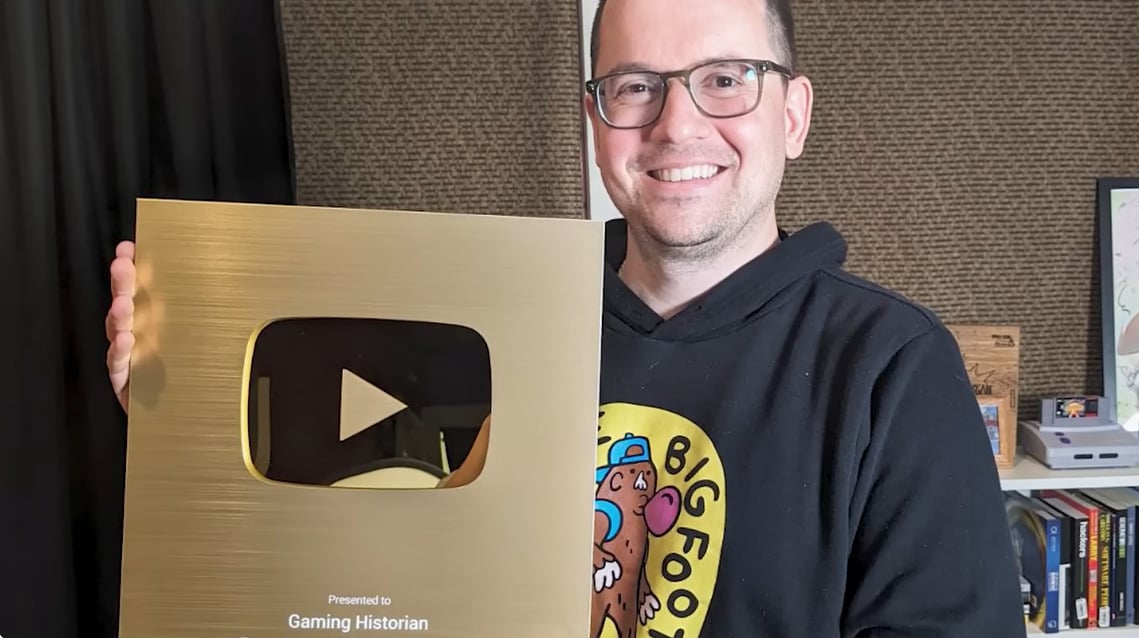
A Farewell to a Legend: Gaming Historian Steps Down, Leaves Us with a Final Gift
The gaming community is experiencing a moment of mixed emotions as a much-loved figure, the acclaimed video game chronicler known widely as "Gaming Historian," has announced his decision to step away from creating regular content. After dedicating many years to meticulously researching and wonderfully presenting the complex history of video games, he shared that he has "lost the spark" that fueled his passion. This news marks the end of an important era for countless fans who have relied on his channel for accurate, engaging, and deeply insightful explorations into the origins and growth of our favorite pastime. While his departure leaves a noticeable gap, he isn't leaving empty-handed; instead, he's offering a final, grand gesture: a special video focused on the iconic King of Kongs himself, Donkey Kong. This extensive look at one of gaming’s most fundamental characters promises to be a fitting goodbye, showcasing the dedication and high quality that defined his remarkable career.
Who is the Gaming Historian? Unpacking a Legacy of Dedication
For more than a decade, the Gaming Historian has been a vital source of educational gaming content online. His channel wasn't just about sharing facts; it was about telling compelling stories, bringing forgotten moments and legendary figures back to life with a narrative skill usually found in professional documentaries. Each video was a brilliant example of research, often digging into original documents, old magazines, interviews with creators, and obscure archives to uncover the true stories behind gaming's biggest myths and most important milestones. From the famous burial of the Atari E.T. game to the complicated development of groundbreaking consoles, he approached every topic with a scholarly rigor that was both easy to understand and fascinating. His unique style, known for clear narration, well-paced editing, and a genuine love for the subject, set a high standard for historical video game content. He didn't just report history; he carefully reconstructed it, making complex technical details and intricate corporate dramas simple for anyone to grasp and appreciate.
His influence went far beyond simply entertaining. The Gaming Historian educated millions, fostering a deeper appreciation for the cultural and technological importance of video games. He helped establish video game history as a legitimate field of study, inspiring countless viewers to look beyond the pixels and explore the rich stories and human creativity that shaped the industry. His commitment to accuracy was legendary; viewers knew that when the Gaming Historian presented a fact, it had been thoroughly checked and confirmed. This dedication to truth in an online world often filled with rumors and guesswork earned him immense trust and respect within the community. He was more than just a content creator; he was an archivist, a scholar, and a storyteller all in one, leaving a lasting mark on how we view and understand the history of interactive entertainment.
The Flicker Fades: Understanding "Losing the Spark"
The phrase "lost the spark" deeply resonates with many creators and their audiences, representing a significant shift in passion and motivation. For someone like the Gaming Historian, whose work demanded incredible intellectual effort and an unwavering commitment to detail, this loss can be particularly challenging. Producing his unique in-depth videos was not a casual task; it involved countless hours of research, writing scripts, recording voiceovers, careful editing, and fact-checking – a process that could take weeks or even months for just one episode. The constant pressure to not only maintain but also improve previous quality standards, combined with the endless cycle of content creation, can lead to severe burnout. This isn't just about feeling tired; it's about the well of creativity running dry, the joy in the process diminishing, and the passion that once fueled the work becoming a distant memory.
Creator burnout is a common issue in the digital age. The expectation for consistent, high-quality output often clashes with the reality of limited energy and inspiration. For historical content creators, the demands are even higher. They must navigate vast amounts of information, distinguish truth from myth, and present it in an engaging yet accurate way. This intellectual work, combined with the technical demands of video production and the emotional toll of public scrutiny, can become overwhelming. When the intrinsic reward – the "spark" – fades, the entire endeavor feels less like a passion project and more like a difficult job. It's a testament to his dedication that he maintained such high standards for so long. His decision to step back, while sad for fans, is also a powerful reminder of the importance of mental well-being and recognizing when it's time to prioritize oneself over continuous creative output.
A Final Bow: The "Parting Gift of Kong"
Amidst the news of his departure, the announcement of a "parting gift of Kong" brings excitement and anticipation for his dedicated fanbase. While specific details are still emerging, the message is clear: a final, comprehensive, and undoubtedly epic deep dive into the history of Donkey Kong. Why Donkey Kong? The choice is incredibly significant. Donkey Kong isn't just a character; it's a foundational pillar of Nintendo's heritage and a critical landmark in arcade history. Released in 1981, it marked Shigeru Miyamoto's first major success, introduced Mario (then "Jumpman") to the world, and pioneered many gameplay mechanics that would become standard in the industry. A project of this magnitude, coming from the Gaming Historian, promises to explore every aspect: from its controversial creation amidst legal battles and internal company pressures to its groundbreaking impact on game design and its lasting cultural importance.
Imagine the meticulous detail we can expect: examinations of early concept art, interviews with key developers (if available), breakdowns of the original arcade hardware, analysis of its competitive scene, and perhaps even a look at its many ports and sequels. This isn't just about a single game; it's about understanding a pivotal moment where Nintendo transformed from making playing cards and running love hotels into becoming a global video game powerhouse. Such a video would perfectly represent everything the Gaming Historian excelled at: uncovering hidden truths, connecting different historical facts, and weaving it all into a coherent, compelling story. It's a grand finale that not only celebrates one of gaming's most important franchises but also perfectly showcases the historical storytelling ability that will be so deeply missed. It’s a thank you note, a final lesson, and a demonstration of his craft all in one package, ensuring his final act is as memorable as his entire career.
The Gaming Historian's Impact and Enduring Legacy
The legacy of the Gaming Historian is rich and deeply woven into the fabric of online gaming culture. Before his rise to prominence, detailed video game history content was scarce, often limited to written articles or casual discussions. He transformed the format, showing that video game history could be presented with the same seriousness and academic rigor as any other historical subject. By combining careful research with high production quality and engaging narration, he created a model that many aspiring creators would follow. He didn't just entertain; he educated, turning casual viewers into informed enthusiasts eager to understand the "why" and "how" behind their favorite games and consoles.
His work played a crucial role in validating video game history as a legitimate and important field of study. Through his videos, he highlighted the technological innovations, artistic expressions, and complex business decisions that shaped an entire industry. This advocacy for game preservation and historical understanding has had a widespread effect, inspiring academic programs, museum exhibits, and countless other content creators to explore and document gaming's past. Furthermore, he built a community based on shared curiosity and respect for history. His comment sections and discussion forums were often places of genuine learning and polite conversation, a rare achievement in the often-divided online world. The vast archive of his videos stands as a monumental resource, a digital library of gaming's past that will continue to inform and inspire future generations of gamers and historians alike. His departure might leave a void, but the foundation he built and the standards he set will undoubtedly continue to shape the landscape of video game history for years to come.
A Broader Look: Creator Burnout in the Digital Age
The Gaming Historian’s decision to step away due to "losing the spark" is not an isolated incident but rather a symptom of a larger, widespread issue within the digital content creation industry: pervasive creator burnout. In an era where platforms like YouTube, Twitch, and TikTok dominate media consumption, the pressure on creators to constantly produce fresh, engaging, and high-quality content is immense. The algorithm demands consistency, audiences expect new things, and the market rewards originality. This environment often forces creators into an unrelenting cycle where self-worth becomes tied to view counts, subscriber numbers, and how much interaction their content gets. What often starts as a passion project can quickly become an all-consuming job, eroding the very joy that initially inspired the creator.
The "always-on" nature of social media makes this problem worse. Creators are not just artists or educators; they are also community managers, marketers, business owners, and often, their own entire production teams. The blurred lines between work and personal life make it hard to disconnect and recharge. For niche content creators like the Gaming Historian, the demands are even more specific. Deep research and fact-checking cannot be rushed, yet the digital world often values speed. This conflict leads to a constant internal struggle: maintaining quality versus meeting arbitrary deadlines. The emotional and mental toll of this high-pressure, high-output environment can be severe, leading to anxiety, depression, and ultimately, the feeling of "losing the spark." It highlights the urgent need for platforms, audiences, and creators themselves to foster a more sustainable model, one that prioritizes the well-being of the individual over the endless pursuit of viral content.
What This Means for the Gaming Community
The news of the Gaming Historian's break or retirement ripples through the gaming community, bringing a mix of sadness, gratitude, and understanding. For many, his videos were more than just entertainment; they were educational journeys, comforting viewing, and a cherished connection to gaming's rich past. His departure leaves a significant gap, as few can match his unique blend of academic thoroughness, storytelling ability, and production quality. Fans will undoubtedly miss his carefully crafted stories and insightful analyses, especially when new historical questions or anniversaries arise in the gaming world.
However, this moment also offers an opportunity for reflection and growth within the community. It serves as a clear reminder of the human element behind the screens and the intense dedication required to produce such high-caliber content. While no one can truly replace the Gaming Historian, his groundbreaking work has inspired a generation of new creators. This departure might encourage emerging talents to step forward, bringing their own unique perspectives and voices to the field of video game history. It’s a call to action for the community to continue supporting those who strive to preserve and explore gaming’s heritage, whether they are experienced content creators or fresh faces. Ultimately, while the initial feeling is one of loss, it is balanced by immense gratitude for his contributions and an understanding that creators, like everyone else, deserve to prioritize their well-being. The community's response has largely been one of appreciation for his incredible body of work and good wishes for his future endeavors, emphasizing that his legacy will continue to resonate for years to come.
Beyond the Screen: A Personal Reflection on Content Creation
The Gaming Historian's decision to step back serves as a powerful reminder that behind every popular channel, every carefully edited video, and every engaging post, there is a real person with their own limits, hopes, and challenges. Content creation, especially at the high level of quality he consistently maintained, is an intensely personal and demanding effort. It often begins as a labor of love, a desire to share passion and knowledge with the world. However, as channels grow, so do expectations – from the audience, from collaborators, and most strongly, from the creators themselves. The line between hobby and job becomes blurred, and the pressure to perform can quietly chip away at the initial joy that started the journey.
This situation encourages us, as consumers of content, to develop empathy and understanding. It’s easy to view creators as an endless source of entertainment, forgetting the immense time, effort, and emotional investment poured into their work. Respecting a creator’s decision to prioritize their mental health and personal well-being is incredibly important, even if it means losing access to content we value. It prompts us to reflect on our own consumption habits and the broader culture of demanding continuous output. Perhaps it’s a moment to appreciate the existing body of work rather than regretting what won't come next. Ultimately, the story of the Gaming Historian reminds us that sustainable creativity requires self-care, boundaries, and the courage to step away when the "spark" needs time to reignite, or when new paths call. His honesty about his reasons offers a valuable lesson in self-awareness and the human cost of relentless digital work.
Remembering the Classics: A Glimpse Back at Iconic Episodes
While we eagerly await his final "gift of Kong," it's also a perfect time to revisit some of the outstanding work that defined the Gaming Historian's career. His archive is a treasure chest of expertly told stories, each shedding light on different aspects of video game history. Consider his detailed explorations of console wars, where he meticulously broke down the strategies, mistakes, and innovations that defined generations of gaming. He didn't just tell us who won; he explained why, delving into marketing campaigns, technological advantages, and cultural shifts that influenced public opinion. His deep dives into specific, often little-known, pieces of hardware were equally captivating, revealing the complex engineering and design philosophies behind consoles that either achieved great success or failed spectacularly.
Beyond hardware, he masterfully covered the origins of iconic franchises, tracing their humble beginnings, unexpected changes, and eventual dominance of the gaming landscape. These videos weren't merely timelines; they were intricate narratives filled with human drama, creative breakthroughs, and unforeseen challenges. He also highlighted the unsung heroes of game development – the programmers, artists, and designers whose contributions often went unnoticed but were crucial to the industry's evolution. Each video, whether it focused on a single game, a console, or a broader industry trend, was a testament to his dedication to truth and his ability to make history feel alive and relevant. These "classic" episodes are more than just old videos; they are lasting educational resources and a powerful testament to the Gaming Historian’s unique and irreplaceable contribution to the understanding and appreciation of video game history.
The Future of Gaming History: Carrying the Torch
The departure of a pioneering voice like the Gaming Historian naturally brings up questions about the future of video game history documentation. While his presence will be deeply missed, the strong foundation he laid will undoubtedly continue to support and inspire new generations of historians and content creators. He demonstrated the immense value of rigorous research, objective analysis, and compelling storytelling when exploring gaming's past. His work legitimized the field, showing that the history of video games is not just trivial nostalgia but a rich academic discipline worthy of serious investigation.
The torch he carried will now be passed to others, both established and emerging, who share his passion for preserving and interpreting this dynamic cultural heritage. There are numerous talented individuals and groups who continue to delve into game preservation, oral histories, and archival research, building upon the standards he helped to establish. The community itself has grown more aware of the importance of documenting history, from archiving old magazines and developer interviews to gathering information about obscure titles. The Gaming Historian's legacy is not just in his videos, but in the increased awareness and enthusiasm he cultivated for the subject matter. His absence might even motivate more people to contribute, ensuring that the stories of gaming's past continue to be told, analyzed, and celebrated, adapting to new formats and perspectives while honoring the spirit of careful exploration that he championed so brilliantly.
Saying Goodbye, But Not Forgetting
As the Gaming Historian prepares to close this significant chapter of his life, the overwhelming sentiment from the community is one of deep gratitude and good wishes. His contributions to the understanding and appreciation of video game history are immeasurable, shaping how an entire generation views the origins and evolution of interactive entertainment. He didn't just record history; he made it accessible, engaging, and genuinely exciting for millions. His dedication to accuracy, his commitment to storytelling, and his sheer passion for the subject matter created a legacy that will endure long after his final video is published.
While the "spark" may have faded for him, the fire he ignited in countless viewers to explore and appreciate gaming's past will continue to burn brightly. We eagerly await his "parting gift of Kong," a final testament to his exceptional talent and unwavering dedication. It will serve not only as a grand finale but also as a reminder of the quality and depth that he brought to every single project. As he moves on to new endeavors and perhaps finds new passions, the Gaming Historian will forever be remembered as a pioneer, a scholar, and a beloved storyteller. His work will continue to be a go-to resource, a benchmark of excellence, and a cherished part of video game culture. Thank you, Gaming Historian, for everything. Your legacy is secure, and your impact will not be forgotten.
from Kotaku
-via DynaSage
