
Trump And The FAA Targeting Gamers To Help Solve Air Traffic Controller Shortage
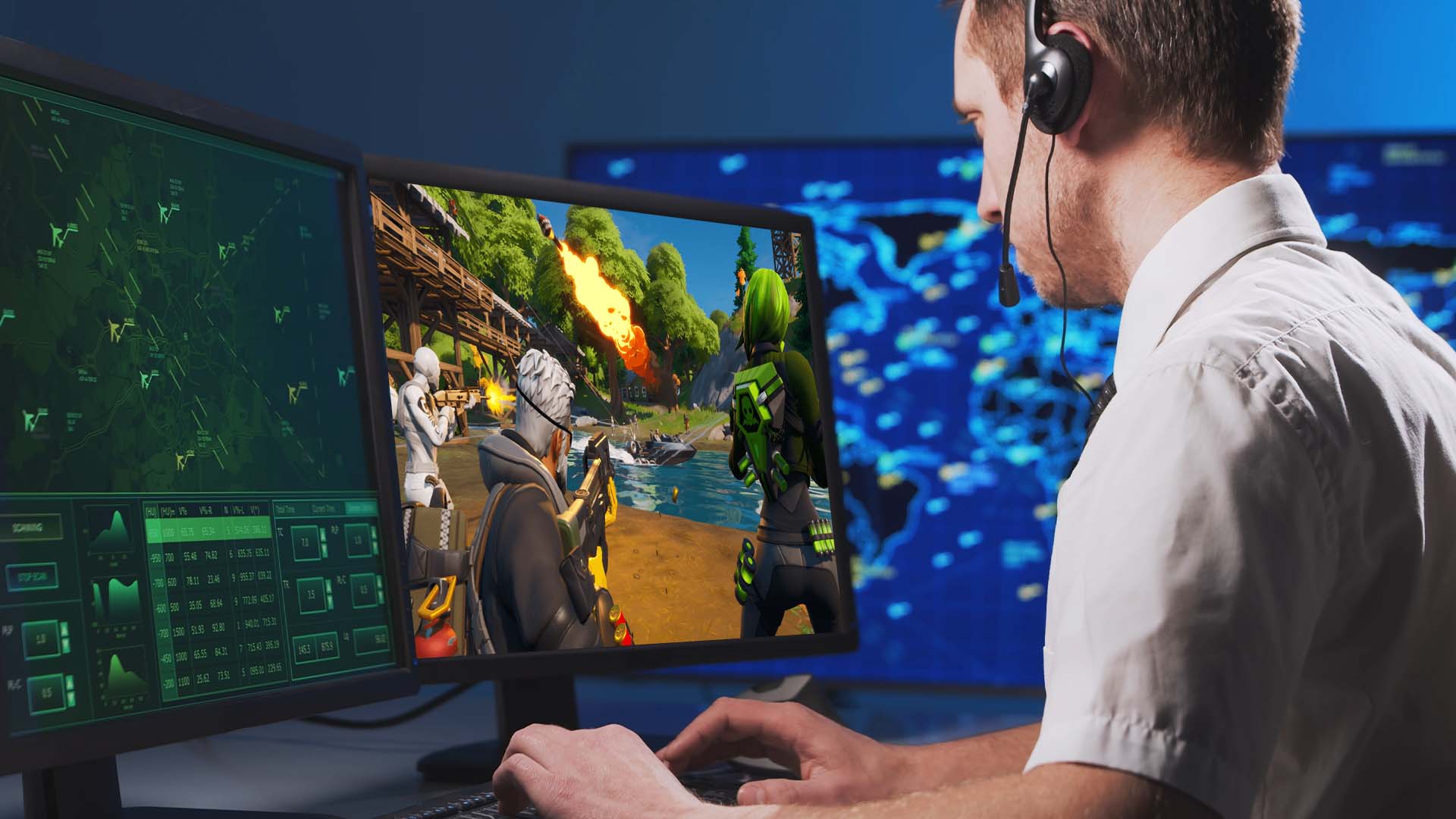
The U.S. government is looking for people just like you, especially if you spend a lot of time gaming, to join a crucial team as an air traffic controller. This isn't just any job; it's a high-stakes, high-reward career that relies on skills you might already be honing in front of your screen. If you've ever thought about a career that offers great pay, incredible benefits, and the chance to make a real difference, then stick around, because the world of air traffic control might be your next big adventure.
Are You a Gamer? Your Skills Are Needed in the Sky!
It might sound surprising, but the unique abilities developed through gaming translate directly into the demanding world of air traffic control. Think about it: when you're deep into a complex strategy game, a fast-paced shooter, or a detailed simulation, what skills are you using?
Quick Thinking and Problem Solving Under Pressure
In many games, especially competitive ones, you have to make split-second decisions that can determine victory or defeat. An enemy appears, a resource is scarce, or your team needs a quick strategy change. You analyze the situation, weigh your options, and execute a plan—all in moments. Air traffic controllers face similar scenarios daily. They constantly monitor multiple aircraft, weather conditions, and potential conflicts, needing to make rapid, accurate decisions to keep planes safely separated and on schedule. The ability to stay calm and think clearly when the stakes are high is a shared trait between an ace gamer and an expert air traffic controller.
Exceptional Multitasking and Focus
Ever played a game where you're managing resources, coordinating with teammates, watching a minimap, and keeping an eye on your character's health all at once? That's multitasking at a high level. Air traffic controllers do this continuously. They manage multiple aircraft trajectories, communicate with pilots, coordinate with other controllers, and monitor radar screens, all while processing a constant stream of information. The ability to switch focus seamlessly and maintain a high level of concentration for extended periods is absolutely essential, and it's a skill often perfected by dedicated gamers.
Pattern Recognition and Spatial Awareness
Many games require you to recognize patterns quickly – whether it's an enemy's movement, a resource spawn, or the optimal path through a level. Similarly, understanding how objects move in a 3D space, predicting their future positions, and navigating complex environments is key. For air traffic controllers, this translates to visualizing aircraft in three dimensions (altitude, heading, speed), predicting their paths, and identifying potential conflicts before they occur. They essentially "see" the airspace and its occupants, much like a gamer visualizes the game world.
Communication and Teamwork
While often seen as a solitary activity, many popular games are built around teamwork and clear communication. Coordinating with your squad in an online multiplayer game, giving precise callouts, and following instructions from a leader are critical for success. Air traffic control is a highly collaborative environment. Controllers constantly communicate with pilots, other controllers in adjacent sectors, and ground staff. Clear, concise, and accurate communication is paramount to prevent misunderstandings and ensure safety. Gamers who thrive in team-based environments often possess excellent communication skills that are directly transferable.
Adapting to Dynamic Environments
Game environments can change rapidly, forcing players to adapt on the fly. New challenges, unexpected events, or shifts in strategy demand flexibility. The skies are just as dynamic. Weather changes, unexpected aircraft issues, or sudden route changes mean that air traffic controllers must constantly adapt their plans and strategies to maintain efficiency and safety. This constant need for adaptability is a core skill for both gamers and controllers.
What Exactly Does an Air Traffic Controller Do?
Air traffic controllers are the unsung heroes of the aviation world. They are the highly trained professionals responsible for safely and efficiently guiding aircraft through the nation's airspace, from takeoff to landing and everything in between. Their primary goal is to prevent collisions, organize the flow of air traffic, and provide vital information to pilots.
Imagine a complex, invisible highway in the sky, crisscrossed by thousands of aircraft every day. Air traffic controllers are the traffic cops of this highway, using radar, radio communication, and advanced computer systems to manage every single vehicle. It's a job that requires intense focus, quick thinking, and an unwavering commitment to safety.
Key Responsibilities of an ATC
- Directing Aircraft Movement: Issuing instructions to pilots regarding altitude, speed, heading, and route clearances.
- Maintaining Separation: Ensuring aircraft maintain safe distances from each other, both horizontally and vertically. This is their most critical duty.
- Monitoring Weather: Providing pilots with up-to-date weather information and advising on potential hazards.
- Emergency Response: Guiding aircraft in distress, coordinating with emergency services, and helping pilots navigate unforeseen problems.
- Traffic Flow Management: Working to minimize delays and optimize the flow of aircraft to and from airports and through various sectors of airspace.
- Communication: Constantly communicating with pilots, other controllers, and airport personnel using precise, standardized language.
The job is incredibly challenging but also immensely rewarding. Controllers often work shifts that include nights, weekends, and holidays, reflecting the 24/7 nature of air travel. The mental demands are high, and the training is rigorous, but the payoff—knowing you contribute directly to the safety of millions of travelers—is significant.
Why the U.S. Government Needs More ATCs Now
The need for skilled air traffic controllers is more pressing than ever. The U.S. Federal Aviation Administration (FAA), the agency responsible for managing the national airspace, is facing a significant staffing challenge. For years, the system has been dealing with a wave of retirements, as many controllers hired during a previous boom period reach the end of their careers. At the same time, air travel continues to grow, meaning more flights and more demand on the existing workforce.
This creates a critical gap that needs to be filled. The FAA is actively recruiting and training new controllers to ensure the safety and efficiency of the National Airspace System (NAS) for decades to come. This isn't just about replacing retiring staff; it's about preparing for the future of aviation, which includes more commercial flights, the rise of drone technology, and new aerospace innovations. The government is investing heavily in recruiting and training programs to ensure the U.S. remains a leader in aviation safety and efficiency.
Your Path to Becoming an Air Traffic Controller
Becoming an air traffic controller is a serious commitment, but for those with the right skills and dedication, it's an attainable and highly rewarding career. Here's a breakdown of the typical journey:
1. Meeting the Basic Requirements
Before you even apply, you'll need to meet several fundamental criteria:
- Citizenship: You must be a U.S. citizen.
- Age: You must be no older than 30 years of age before the closing date of the application period. This age limit is strict for initial entry, though some exceptions might exist for federal employees with prior ATC experience.
- Education/Experience: You need either a bachelor's degree, or at least three years of progressively responsible work experience, or a combination of post-secondary education and experience. A specific track for those graduating from an FAA-approved Air Traffic Collegiate Training Initiative (CTI) program also exists.
- English Proficiency: You must be able to speak English clearly, as all air traffic control communications are in English.
- Background Check: You'll undergo an extensive background investigation to ensure you meet security requirements.
- Medical Certificate: You must pass a rigorous physical examination to obtain an FAA Class II Medical Certificate. This ensures you are medically fit to perform the duties of an ATC, free from conditions that could impair performance.
2. The Application Process
The FAA typically announces job openings for air traffic controllers on the official U.S. government jobs website, USAJOBS.gov. These announcements are highly competitive and can attract thousands of applicants.
- Online Application: Submit your application through USAJOBS, ensuring all required documents and information are provided.
- Air Traffic Skills Assessment (ATSA): If your application is accepted, you'll be invited to take the ATSA. This is a crucial, computer-based test designed to assess your aptitude for air traffic control, measuring things like spatial reasoning, multitasking ability, memory, and logical reasoning—skills often sharpened by gaming!
- Panel Interview: Successful ATSA candidates will typically move on to an interview where your communication skills, decision-making abilities, and motivation will be evaluated.
3. FAA Academy Training (Oklahoma City)
If selected, you'll be hired by the FAA and sent to the FAA Academy in Oklahoma City for several months of intensive, paid training. This is where you learn the foundational knowledge and procedures of air traffic control. The curriculum includes:
- Airspace classifications and regulations.
- Aircraft characteristics and performance.
- Air traffic control procedures (non-radar and radar).
- Emergency procedures.
- Extensive simulation exercises.
Failure to pass any phase of the Academy training will result in termination of employment.
4. On-the-Job Training (OJT) at an Air Traffic Facility
Upon successful completion of the Academy, you'll be assigned to an air traffic control facility (tower, TRACON, or ARTCC) somewhere in the United States. This is where the real learning begins. Under the guidance of certified trainers, you'll gain hands-on experience, applying the knowledge from the Academy to live air traffic. This phase is intense and can last anywhere from one to three years, depending on the complexity of the facility. You'll progress through various stages, eventually becoming certified in specific sectors or positions within the facility.
5. Certification and Beyond
Once you've successfully completed OJT and demonstrated proficiency in controlling live traffic, you'll earn a "Facility Rating" for that specific position. This means you are a fully certified air traffic controller, ready to manage air traffic independently. Most controllers aim to become "full-performance level" (FPL) controllers at their assigned facility, which typically comes with higher pay and more responsibility.
Types of Air Traffic Control Facilities
There are three main types of FAA air traffic control facilities, each with distinct responsibilities:
- Air Traffic Control Towers (ATCT): Controllers in towers manage aircraft on the ground (taxiways, runways) and in the immediate vicinity of the airport (usually within 5-10 miles). They authorize takeoffs and landings, and guide aircraft to and from terminal gates.
- Terminal Radar Approach Control (TRACON): TRACON controllers handle aircraft flying to and from busy airports within a larger, often 30-50 mile radius. They guide aircraft as they descend for landing or climb after takeoff, sequencing them efficiently into and out of the tower's airspace.
- Air Route Traffic Control Centers (ARTCC) / En Route Centers: These centers manage aircraft flying at higher altitudes across vast geographical areas between airports. ARTCC controllers work in "sectors," handing off aircraft from one sector to the next as they traverse the country. This is where long-distance domestic and international flights are monitored.
The Incredible Benefits of an ATC Career
Beyond the inherent excitement and challenge of the job, a career as an air traffic controller offers an impressive package of benefits that few other professions can match.
Outstanding Salary Potential
Air traffic controllers are among the highest-paid federal employees. While starting salaries at the Academy are modest (around $40,000 - $50,000 as a trainee), wages increase significantly as you progress. Once you complete training and become a certified controller at a facility, salaries can quickly jump to $80,000 - $120,000 per year, and experienced, full-performance level controllers at busy facilities can earn well over $150,000, and sometimes even into the $200,000 range with overtime and locality pay. The compensation reflects the immense responsibility and stress of the job.
Exceptional Federal Benefits Package
As a federal employee, you'll enjoy a comprehensive benefits package that is widely regarded as one of the best in the nation:
- Health Insurance: Access to a wide range of health, dental, and vision insurance plans through the Federal Employees Health Benefits (FEHB) program.
- Retirement System: Participation in the Federal Employees Retirement System (FERS), which includes a three-tiered retirement plan:
- A FERS Basic Benefit Plan (a defined benefit pension).
- Social Security.
- The Thrift Savings Plan (TSP), which is similar to a 401(k) with government matching contributions, offering an excellent way to build substantial retirement savings.
- Paid Time Off: Generous annual leave (vacation time) and sick leave accrual, which increases with years of service.
- Life Insurance: Options for Federal Employees Group Life Insurance (FEGLI).
- Flexible Spending Accounts: Opportunity to set aside pre-tax money for healthcare and dependent care expenses.
- Employee Assistance Programs: Resources and support for personal and work-related challenges.
Job Security
The demand for air traffic controllers is consistent and critical. Air travel isn't going anywhere, and the need for skilled professionals to manage it safely remains constant. Once certified, your job security as an ATC is excellent, particularly within the federal system. This stability is a huge advantage in today's unpredictable job market.
A Challenging and Rewarding Career
This isn't a desk job where you watch the clock. Every day presents new challenges, and you'll constantly be using your intellect and skills. The sense of accomplishment that comes from successfully guiding hundreds of aircraft safely through complex airspace each day is incredibly rewarding. You are directly contributing to the safety of millions of lives and the smooth functioning of global commerce.
Making a Real Impact
Few jobs offer such a direct and profound impact on public safety and the nation's infrastructure. Air traffic controllers are the guardians of the sky, and their vigilance and expertise are absolutely essential to modern life.
Challenges of the ATC Profession
While the rewards are significant, it's important to acknowledge that air traffic control is not a career for everyone. It comes with unique challenges:
- High Stress: The job involves immense responsibility. A single mistake can have catastrophic consequences, leading to high-pressure environments.
- Irregular Hours: Airports operate 24/7, meaning controllers work shifts that can include nights, weekends, and holidays. This can impact work-life balance and social schedules.
- Intense Training: Both the FAA Academy and the on-the-job training are rigorous. Not everyone makes it through, and the pressure to perform at a high level is constant.
- Strict Performance Standards: Controllers are constantly evaluated, and there's little room for error. Maintaining peak performance is crucial throughout one's career.
- Relocation: Initial facility assignments are based on FAA needs, meaning you might need to relocate to a different part of the country. While you can bid for transfers later in your career, initial flexibility is often required.
These challenges highlight why the FAA seeks individuals with specific aptitudes and mental fortitude, like those often found in dedicated gamers.
Ready to Take Flight? How to Apply
If reading this has sparked your interest and you believe your gaming-honed skills could make you an excellent air traffic controller, here are the steps you should take:
1. Research and Prepare
Start by thoroughly researching the FAA's official information on air traffic control careers. Their website is an invaluable resource:
- Visit the official FAA Air Traffic Control Careers page for the most up-to-date information on requirements, application processes, and career paths.
- Explore the different types of facilities (towers, TRACONs, ARTCCs) to understand the nuances of each role.
2. Monitor USAJOBS.gov
All federal job announcements, including those for air traffic controllers, are posted on USAJOBS.gov.
- Create an account and set up job alerts for "Air Traffic Control Specialist" or "1001" (the federal job series code for ATCs).
- Be aware that job announcements for ATCs are not open continuously. They typically open for short periods (e.g., one week) and attract a huge number of applicants. You need to be ready to apply as soon as an announcement goes live.
3. Consider a CTI Program (Optional but Beneficial)
While not strictly required for all applicants, attending an FAA-approved Collegiate Training Initiative (CTI) program can provide a solid foundation and potentially a slightly different application path. These programs are offered at various colleges and universities across the U.S. and provide specialized training in air traffic control.
- You can find a list of FAA-approved CTI programs on the FAA website.
- Graduates of CTI programs often receive a hiring preference or a direct path to the FAA Academy, bypassing some initial screening processes.
4. Prepare for the ATSA
The Air Traffic Skills Assessment (ATSA) is a critical hurdle. While you can't "study" for it in the traditional sense, understanding the types of cognitive abilities it tests can help. Look for resources that describe the test components, which often include:
- Memory recall.
- Spatial reasoning.
- Logical decision-making.
- Problem-solving under time pressure.
- Multitasking simulations.
Many of these skills are exactly what you practice in complex video games. Maintaining mental sharpness through cognitive exercises and focused activities can be beneficial.
5. Sharpen Your Communication Skills
Effective verbal communication is paramount in air traffic control. Practice speaking clearly, concisely, and confidently. If you participate in online gaming with voice chat, use it as an opportunity to refine your communication in a fast-paced environment.
Your Next High-Score Challenge Awaits
The call from the U.S. government to gamers isn't a gimmick; it's a recognition of the valuable and unique skills you've developed. The ability to process information rapidly, make critical decisions under pressure, multitask effectively, and maintain keen spatial awareness—these are the hallmarks of both a skilled gamer and an exceptional air traffic controller. If you're looking for a career that's more than just a job, one that offers outstanding compensation, unparalleled benefits, and the profound satisfaction of keeping millions safe, then take that next step. Your next big challenge, and perhaps your most rewarding one, could be waiting for you in the skies above.
Don't just play the game; help control the world's busiest airspace. The future of aviation needs you.
from Kotaku
-via DynaSage
