
Trading Card Games Are Taking Over And It’s Not Just Pokémon And Magic: The Gathering
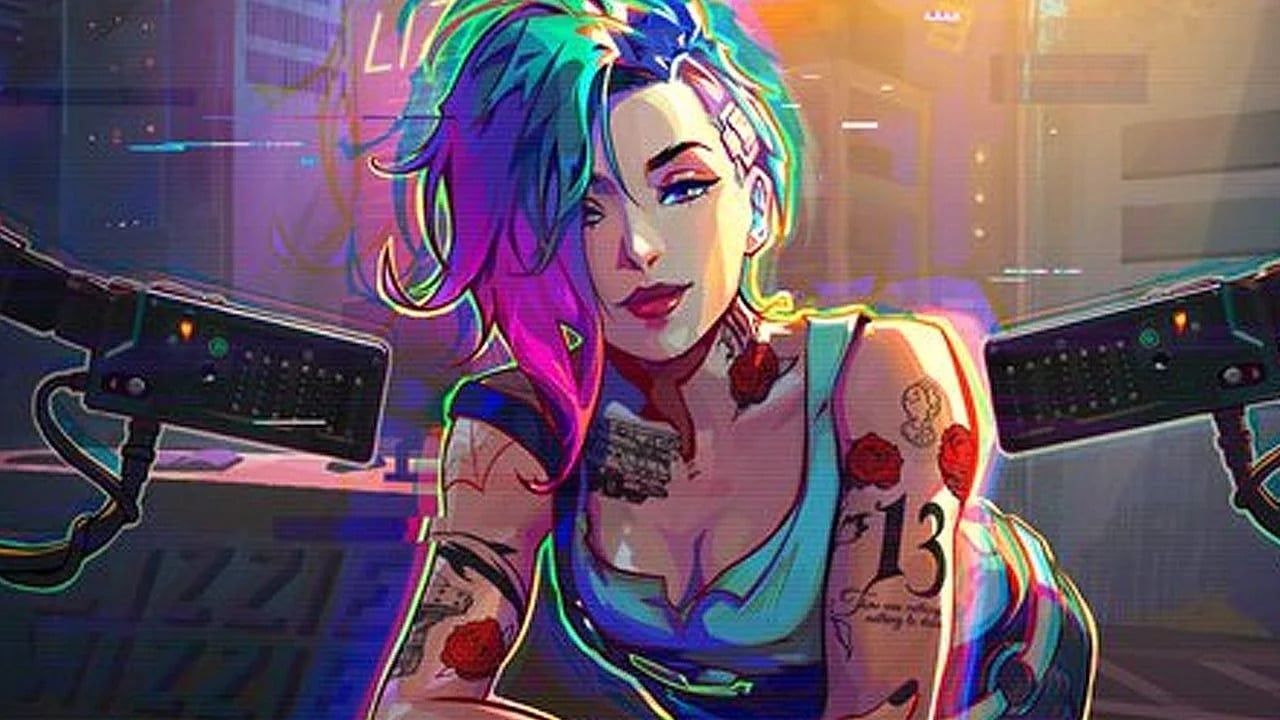
The Next Big Thing in Gaming: New Card Games from Cyberpunk 2077 and League of Legends Are Here!
The world of video games is buzzing with excitement as two major titles, Cyberpunk 2077 and League of Legends, are venturing into the realm of collectible card games (TCGs). These new card games are generating a huge amount of hype, promising to bring the rich worlds and deep strategies of their original games to a whole new format. Gamers everywhere are eager to see how these beloved universes will translate into tactical card battles, offering fresh ways to engage with familiar characters, stories, and mechanics.
Collectible card games have been a popular genre for decades, known for their blend of strategy, luck, and personal collection. From classic physical card games to modern digital versions, TCGs offer endless replayability and a constantly evolving meta-game. The success of games like Hearthstone, Magic: The Gathering Arena, and Legends of Runeterra proves there's a massive appetite for well-designed digital card games. Now, with the immense popularity and detailed lore of Cyberpunk 2077 and League of Legends, these new TCGs are set to capture the hearts of millions and potentially redefine the landscape of digital card gaming.
Diving into the Cyberpunk 2077 TCG: A Look at Night City's Card Battles
Cyberpunk 2077 is an open-world action role-playing game set in Night City, a massive metropolis obsessed with power, glamour, and body modifications. Players take on the role of V, a mercenary looking for a unique implant that grants immortality. The game is known for its deep story, stunning visuals, and gritty futuristic setting. Now, imagine bringing that intense world into a card game. The idea alone is incredibly exciting, promising a unique blend of high-tech combat and street-level scheming.
Why a Card Game for Cyberpunk?
The world of Cyberpunk 2077 is perfect for a TCG. It's packed with distinct factions, memorable characters, advanced technology, and a strong emphasis on tactical decisions. Players in the video game often have to choose between different approaches to a mission – stealth, brute force, or hacking – and these choices reflect the kind of strategic thinking that is core to TCGs. A card game can capture the essence of Night City's power struggles, allowing players to build decks around different gangs, corporations, or even iconic individuals like Johnny Silverhand or Panam Palmer.
The various elements of the game, such as cyberware (body modifications), quickhacks (digital attacks), and different weapon types, can easily be represented as cards with unique abilities. Factions like Arasaka, Militech, Maelstrom, or the Voodoo Boys could form the basis of different playstyles and deck archetypes. The game's narrative often revolves around alliances and betrayals, which could be translated into clever card interactions and counter-plays. This rich tapestry provides an incredible foundation for complex and engaging card mechanics.
Anticipated Gameplay Mechanics and Themes
A Cyberpunk 2077 TCG could offer several innovative mechanics. Imagine a "Netrunning" phase where players can deploy hacker units to attack an opponent's digital defenses, aiming to disrupt their resources or reveal their hand. Another core mechanic could involve "Cyberware" cards that modify your units, giving them powerful but potentially risky upgrades, much like in the video game where excessive chrome can have negative consequences. Resource management might involve "Eurodollars" for buying cards or "Reputation" for playing powerful characters.
Combat would likely be central, with units representing different mercenaries, gang members, or corporate soldiers. Each unit could have unique attack and defense values, along with special abilities that trigger under certain conditions. Deck building would revolve around choosing a faction or a particular playstyle – perhaps a deck focused on high-damage cyberpunks, a stealthy netrunner deck, or a corporate espionage deck that manipulates the opponent's strategy. The possibilities are vast and exciting, promising a truly thematic experience that captures the dangerous charm of Night City.
The Lore and Art Style Translated
One of the strongest appeals of a Cyberpunk 2077 TCG will undoubtedly be its art style and lore. The game is renowned for its stunning visuals, neon-drenched streets, and unique character designs. Translating this into card art will be a feast for the eyes, with each card telling a piece of Night City's story. Imagine seeing beautifully illustrated versions of iconic characters, weapons, and locations, all rendered in the game's distinctive aesthetic.
The lore itself provides endless material for card effects and flavor text. Cards could represent pivotal moments from the game's story, character relationships, or the political landscape of Night City. This allows players to not only enjoy a strategic card game but also to further immerse themselves in the deep narrative and world-building that CD Projekt Red masterfully created. For fans of the original game, this TCG offers a new window into their favorite dystopian future.
Community Expectations and Potential Impact
The community for Cyberpunk 2077 is passionate and dedicated, and their excitement for a TCG is palpable. Players are expecting a game that honors the source material, provides deep strategic gameplay, and offers plenty of room for creative deck building. The success of this TCG could open up new avenues for expanding the Cyberpunk universe, potentially introducing new characters, stories, and lore through card expansions. It could also attract a new audience to the franchise, drawing in TCG enthusiasts who might not have played the original video game but are captivated by the rich setting and strategic potential.
Exploring the League of Legends TCG: Legends of Runeterra and Beyond
When people talk about a "League of Legends TCG," they are often referring to Legends of Runeterra (LoR). Launched by Riot Games, LoR is a critically acclaimed digital collectible card game set in the vast universe of Runeterra, the world of League of Legends (LoL). LoL itself is one of the most popular multiplayer online battle arenas (MOBAs) in the world, featuring a massive roster of champions, diverse regions, and a constantly evolving meta. The success of LoR demonstrates the incredible potential for a card game derived from such a rich universe, and the continuous updates and new content for LoR continue to generate significant hype.
What is League of Legends and Why a TCG?
League of Legends is a team-based strategy game where two teams of five powerful champions clash to destroy the opposing team's base. The game is renowned for its strategic depth, diverse cast of characters, and vibrant world. Each champion has unique abilities and a compelling backstory, fitting into one of several distinct regions within Runeterra, such as Demacia, Noxus, Ionia, or Zaun.
The core elements of LoL – champions, spells, items, and regional affiliations – are perfectly suited for translation into a card game. The strategic thinking required in LoL, from team composition to in-game decision-making, naturally translates into the deck-building and tactical play of a TCG. Legends of Runeterra has already proven this by successfully adapting the champions' unique abilities and regional identities into engaging card mechanics, allowing players to embody the spirit of their favorite champions in a new strategic format.
Gameplay Mechanics in Legends of Runeterra
Legends of Runeterra stands out with its dynamic and interactive gameplay. Unlike some other TCGs, LoR features a unique "alternating turn" system, where players can react to each other's actions within the same turn, making for constant engagement. This mirrors the back-and-forth nature of skirmishes in LoL. The game also incorporates a unique mana system, where unused mana carries over into a "spell mana" pool, encouraging strategic planning over multiple turns.
Champions in LoR are powerful cards that "level up" after meeting certain conditions, gaining new abilities and becoming even stronger, much like leveling up in the MOBA. Spells represent the various abilities and magical effects from the LoL universe, while Followers are lesser units that support the champions. Each of Runeterra's regions has a distinct playstyle, allowing for incredible deck diversity. For example, Noxus might focus on aggressive attacks, while Freljord specializes in defensive tactics and overwhelming power in later turns. This regional identity ensures that every deck feels unique and thematic, truly bringing the world of LoL to life.
The Rich Universe and Visuals
The world of Runeterra is expansive and deeply fleshed out, with years of lore development, animated shorts, comics, and even a hit Netflix series (Arcane). This rich universe provides an endless well of material for Legends of Runeterra. Every card in LoR tells a piece of Runeterra's story, featuring stunning artwork that captures the essence of its champions, creatures, and locations. The visual fidelity and thematic consistency are a major draw, allowing players to explore the world of LoL in a new, interactive way.
The game’s art style is vibrant and distinct, perfectly mirroring the diverse aesthetics of each region. From the steampunk technology of Piltover and Zaun to the ancient magic of Ionia, the visual design of LoR cards is a testament to the dedication to the source material. For fans who adore the lore and characters of League of Legends, Legends of Runeterra offers an unparalleled opportunity to delve deeper into the stories and conflicts that define their favorite universe.
Community Engagement and Continuous Hype
The community surrounding League of Legends is enormous, and a significant portion of that community has embraced Legends of Runeterra. Riot Games consistently updates LoR with new champions, regions, keywords, and game modes, ensuring that the meta remains fresh and exciting. This continuous flow of new content is what keeps the hype alive for the "League of Legends TCG." Each expansion introduces new strategic possibilities, challenges players to adapt their decks, and deepens the lore of Runeterra, maintaining a vibrant and engaged player base.
The ongoing success and evolution of Legends of Runeterra serve as a fantastic example of how a well-executed TCG can expand and enrich a beloved gaming franchise. It proves that there's not just initial hype for a new TCG, but sustained enthusiasm when developers commit to quality, balance, and consistent new content. This model provides valuable insights for the upcoming Cyberpunk 2077 TCG, demonstrating the importance of long-term vision and community support.
The Broader TCG Landscape: Why Now is the Perfect Time
The emergence of new TCGs from such prominent franchises isn't just a coincidence; it reflects a broader trend in the gaming industry. The TCG market, especially digital TCGs, is experiencing a renaissance. Players are looking for games that offer deep strategic thinking, a sense of progression through collecting, and vibrant online communities. These new titles are perfectly positioned to capitalize on this growing interest.
The Rise of Digital TCGs
Digital TCGs have several advantages over their physical counterparts. They eliminate the need for manual shuffling, tracking complex board states, and finding opponents in person. Online matchmaking, animated card effects, and convenient digital card ownership make them highly accessible and engaging. The free-to-play model, common in many digital TCGs, lowers the barrier to entry, allowing more players to try the game before committing financially. This accessibility is crucial for attracting both seasoned TCG players and newcomers.
Furthermore, digital platforms allow for faster updates and balance changes, keeping the game fresh and competitive. Developers can introduce new cards, tweak existing ones, and roll out new game modes much more quickly than with physical card games. This dynamic environment is a key factor in maintaining long-term player engagement and sustaining hype around the game.
What Makes a TCG Successful?
A successful TCG needs a few core ingredients. First, it requires a robust and balanced gameplay system that offers strategic depth without being overly complicated. Players should feel like their decisions matter and that there are multiple paths to victory. Second, a compelling theme and art style are essential for immersion and attraction. Games like Magic: The Gathering, Hearthstone, and Pokémon TCG all have distinct visual identities and strong lore that resonate with their audiences.
Third, a good TCG fosters a strong community. This involves active developer communication, organized play (tournaments, ladders), and tools for players to connect and share strategies. Finally, a sustainable business model that balances player acquisition with monetization through card packs, cosmetic items, and battle passes is crucial for the game's longevity. Both Cyberpunk 2077 and League of Legends have the foundational elements – deep lore, strong communities, and experienced developers – to potentially meet these criteria for their respective TCGs.
Challenges and Opportunities
While the potential is huge, these new TCGs will also face challenges. The market is competitive, and standing out requires not just a good game, but an excellent one. They will need to offer unique mechanics that differentiate them from established titans and cater to different player preferences. Balancing the game is an ongoing process, and developers must be responsive to community feedback to prevent the meta from becoming stale or unfair.
However, the opportunities are even greater. By leveraging the existing fanbases and world-renowned IPs, these TCGs have a head start in attracting players. They can introduce innovative mechanics that push the genre forward and create a lasting legacy. Success could mean not just a popular new game, but a significant expansion of two major franchises, offering new ways for fans to interact with their favorite characters and stories for years to come.
Why the Hype is Real for These New Card Games
The excitement surrounding the Cyberpunk 2077 and League of Legends TCGs isn't just random; it's built on several solid foundations that make them incredibly promising ventures. These factors combine to create a perfect storm of anticipation within the gaming community.
Brand Recognition and Existing Fanbases
Both Cyberpunk 2077 and League of Legends are household names in the gaming world. They boast millions of dedicated fans who are already deeply invested in their universes. This massive pre-existing audience means that the TCGs don't have to start from scratch to build a player base. Fans are naturally curious and eager to experience their beloved franchises in a new format. This built-in audience provides a significant boost, ensuring that these games will have a strong launch and a passionate community from day one.
Rich Lore and World-Building
The worlds of Night City and Runeterra are incredibly rich and detailed. They are filled with fascinating characters, complex histories, compelling conflicts, and diverse environments. This extensive lore provides an inexhaustible source of material for card design, flavor text, and game mechanics. Developers don't need to invent new worlds from scratch; they can draw upon years of established storytelling and world-building. This ensures that the TCGs will feel authentic and deeply connected to their source material, enriching the player's experience with familiar faces and places.
Strategic Depth and Replayability
At their core, both Cyberpunk 2077 and League of Legends are strategy-heavy games. This translates perfectly into the TCG genre. Players expect a card game to offer deep strategic choices, diverse deck-building options, and dynamic gameplay that keeps them coming back for more. The complexity of character abilities, faction unique traits, and environmental factors from the original games provides a strong basis for intricate card interactions and diverse playstyles. This ensures high replayability, as players can constantly experiment with new decks and strategies.
Community Engagement and Trust
Both CD Projekt Red (developers of Cyberpunk 2077) and Riot Games (developers of League of Legends and Legends of Runeterra) have track records of engaging with their communities and delivering high-quality experiences. While Cyberpunk 2077 had a rocky launch, CD Projekt Red has consistently worked to improve the game, rebuilding trust. Riot Games has a long history of supporting its games with constant updates and listening to player feedback. This trust in the developers reassures players that these new TCGs will be well-supported, balanced, and continue to evolve over time, fostering a healthy and active community.
What This Means for Gamers and the Industry
The arrival of these highly anticipated TCGs represents more than just new games; it signifies a dynamic shift in how major franchises are expanding and interacting with their fanbases. For gamers, this means more ways to experience and enjoy the worlds they love. Whether you're a fan of the gritty streets of Night City or the magical realms of Runeterra, these card games offer a fresh perspective and a new set of challenges.
It also highlights the growing appeal of the TCG genre itself. Developers are recognizing the strategic depth, collecting aspect, and community-building potential that card games offer. By tying them to established IPs, they can attract a broader audience than ever before, blurring the lines between different gaming genres and creating cross-platform experiences.
For the gaming industry, these TCGs could set new standards for how existing IPs are adapted into different genres. Their success will likely encourage other major developers to explore similar ventures, leading to a new wave of innovative and engaging card games. This expansion not only diversifies the gaming market but also provides new opportunities for storytelling, character development, and community engagement within beloved franchises. The competition will also drive innovation, pushing developers to create even more polished and unique experiences for players.
Conclusion: A Bright Future for TCGs and Fan-Favorite Worlds
The hype surrounding the new collectible card games based on Cyberpunk 2077 and League of Legends is well-deserved. These ventures promise to merge the rich, immersive worlds of their original games with the deep strategic gameplay inherent to the TCG genre. From the gritty, tech-infused battles of Night City to the champion-driven skirmishes of Runeterra, players are eager to dive into these new experiences.
With strong foundations in lore, established fanbases, and the creative minds of their respective developers, these TCGs are poised for significant success. They represent not just new entries in the card game market but a testament to the versatility and enduring appeal of strategy games. As these titles continue to evolve and capture the imagination of players worldwide, they are set to leave a lasting impact on both their respective franchises and the broader landscape of digital gaming.
The future of gaming is bright, filled with endless strategic possibilities and new ways to explore beloved universes. Get ready to shuffle your decks, because the next big card battle is just around the corner!
from Kotaku
-via DynaSage
