
Top Stories: iPhone Rumors, Apple's MacBook Neo Dilemma, and More
The tech world is buzzing with excitement as rumors continue to swirl about Apple's upcoming flagship iPhone models, expected to launch later this year. These devices are always highly anticipated, and the latest whispers give us a glimpse into what new features and improvements we might see. At the same time, Apple is reportedly facing an unexpected challenge with the immense popularity of its new MacBook Neo laptop, a success that has created a unique "dilemma" for the company.
Beyond the speculation, this past week also brought tangible updates for Apple users. We saw the release of important software updates: iOS and macOS 26.4.1, designed to improve performance and fix bugs across iPhones, iPads, and Mac computers. Furthermore, the Apple CarPlay system, which brings iPhone functionality to your car's dashboard, gained several popular new apps, making in-car digital experiences even richer. Read on to get all the details on these stories and more, giving you a comprehensive overview of the most significant Apple news from the past week!
Top Stories from the Apple Universe
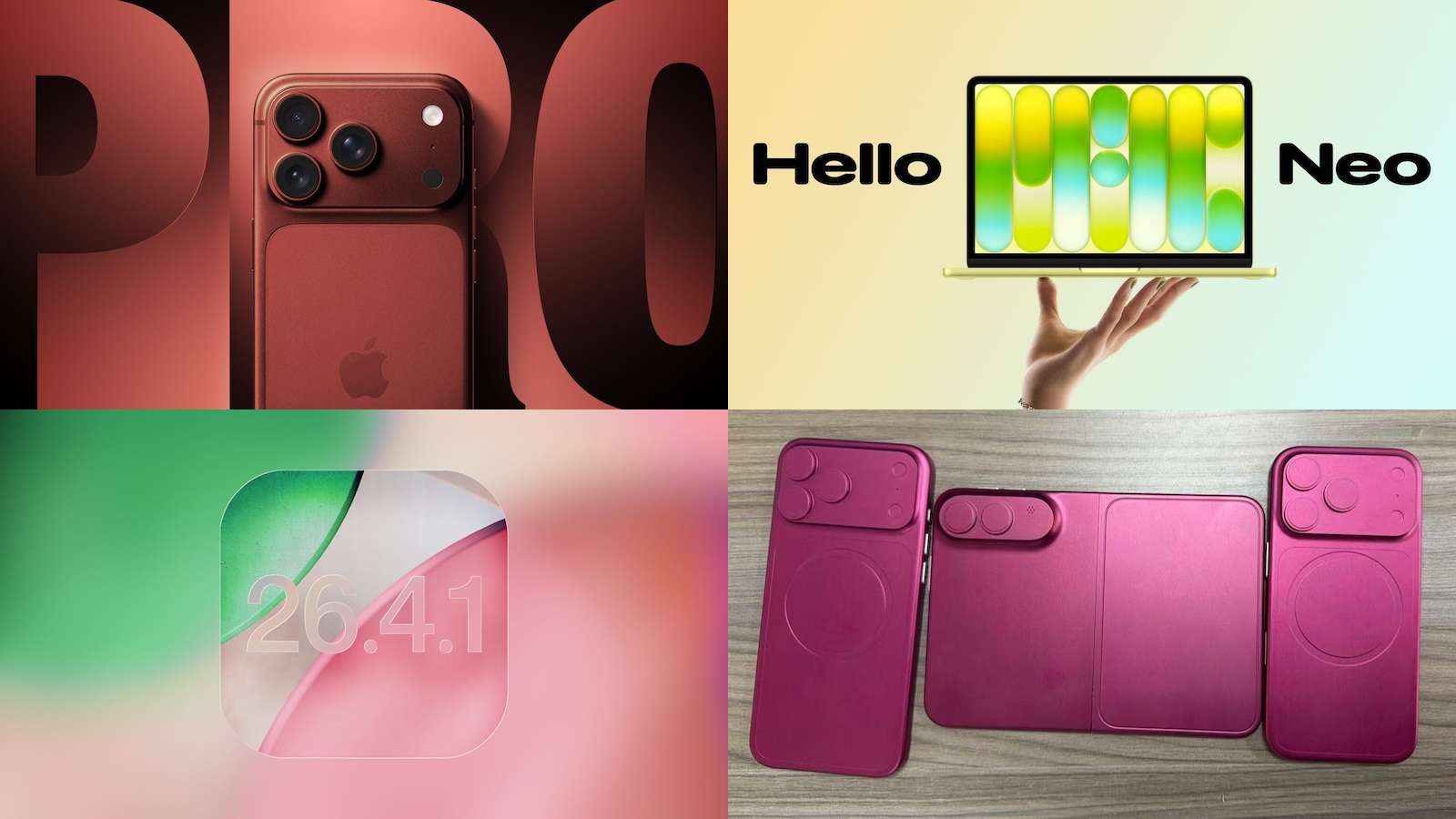
Anticipating the iPhone 18 Pro: A Look at 12 New Features on the Horizon
Even though we're still about five months away from the expected launch of the next-generation iPhone 18 Pro and its larger sibling, the iPhone 18 Pro Max, the rumor mill is already working overtime. Enthusiastic leaks and industry insiders are providing an exciting preview of what these premium smartphones might offer. For those eager to catch up on all the details we've gathered so far, including a comprehensive list of potential new features, we’ve put together an updated recap outlining everything we've heard. This is your go-to guide for understanding the future of Apple's most advanced smartphones.
One of the most fascinating areas of speculation revolves around the display and how Apple plans to integrate its sophisticated Face ID technology. Initially, there were widespread reports suggesting a revolutionary change: the iPhone 18 Pro models would feature a display with a fully hidden, under-screen Face ID system. This would mean that the only visible element on the top of the screen would be a tiny cutout for the front-facing camera, creating an even more immersive, edge-to-edge viewing experience. Such a design would represent a significant leap in display technology and user interface, pushing the boundaries of what a smartphone screen can achieve.
However, the latest and more refined rumors tell a slightly different story, indicating a more incremental, though still significant, step forward. It now appears that only one key Face ID component will be moved underneath the screen on these upcoming devices. While this might not achieve the 'completely invisible' Face ID that was initially rumored, it still promises a major improvement: a noticeably smaller Dynamic Island. The Dynamic Island, introduced with the iPhone 14 Pro, intelligently adapts to display alerts, notifications, and ongoing background activities. A smaller Dynamic Island would mean less screen real estate is taken up by the cutout, offering a more expansive and less interrupted display for content consumption, gaming, and general use. This refinement reflects Apple's continuous effort to maximize screen space while retaining essential features, enhancing the overall aesthetic and user experience of its flagship iPhones.
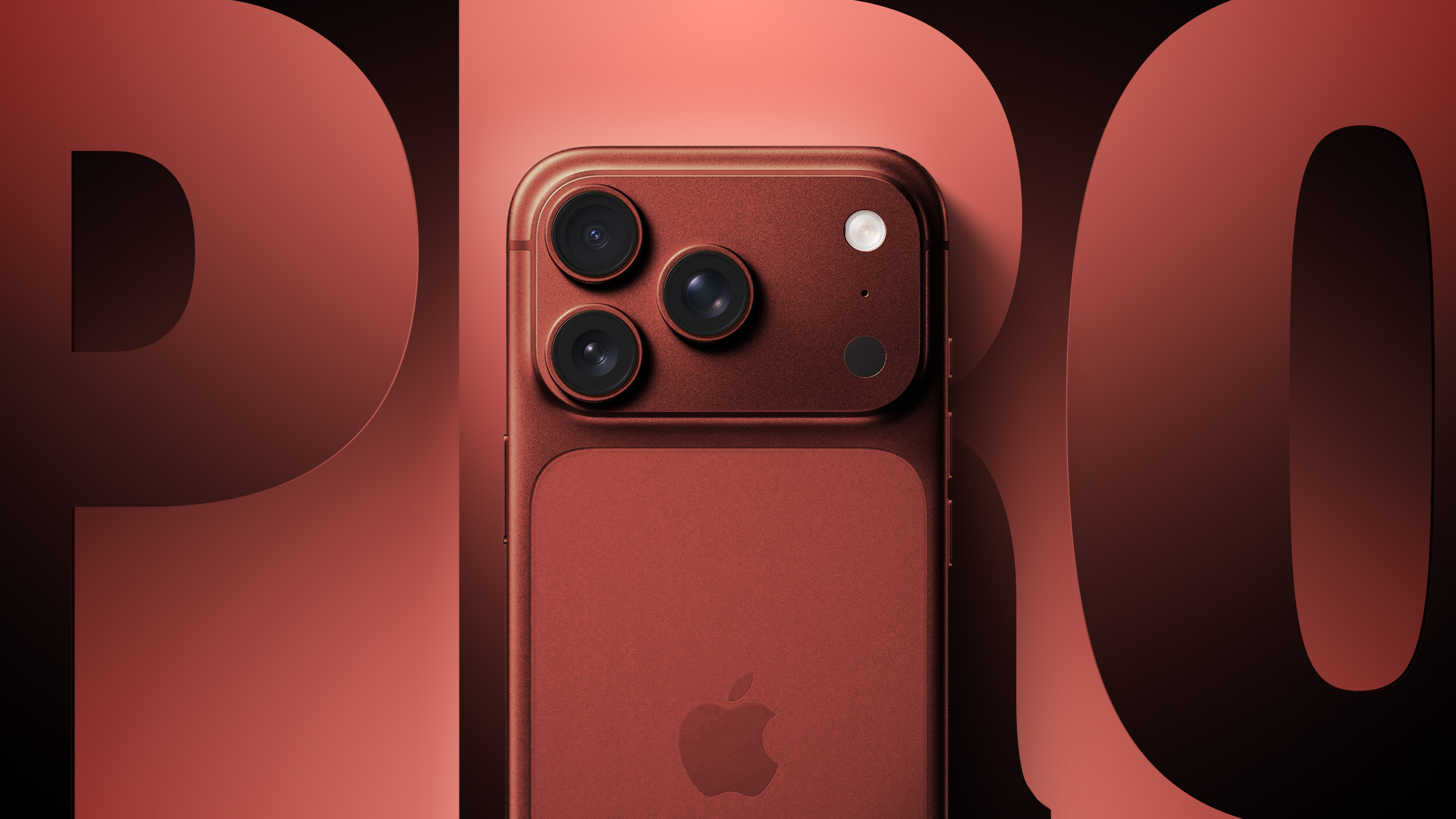
Apple Faces a 'Massive Dilemma' Due to MacBook Neo's Unexpected Success
The tech industry is abuzz with reports that Apple is grappling with an unusual problem: the immense and unforeseen popularity of its new MacBook Neo has been such a hit that Apple is facing a "massive dilemma," according to insights from Tim Culpan, a respected Taiwan-based tech columnist and former Bloomberg reporter. This situation highlights a classic double-edged sword of success: while high demand is generally a cause for celebration, it can also create significant supply chain challenges, particularly when relying on complex, custom-made components.
The core of this dilemma lies in the MacBook Neo's powerful yet specially configured A18 Pro chip. This chip, which provides the laptop with its exceptional performance, features a 5-core GPU (Graphics Processing Unit). Interestingly, this isn't a chip designed from scratch for the Neo; instead, it's a "binned" version of the more robust A18 Pro chip with a 6-core GPU, which is primarily used in the iPhone 16 Pro models. "Binning" is a common practice in semiconductor manufacturing where chips are tested and categorized (or "binned") based on their performance and defect levels. Chips discovered to have a faulty GPU core during the rigorous manufacturing process would normally be deemed unusable and discarded. However, through the clever process of binning, Apple is able to repurpose some of these slightly imperfect chips for other devices, like the MacBook Neo, where a 5-core GPU is still more than sufficient for its intended performance profile. This strategy allows Apple to minimize waste and efficiently utilize its chip production.
The problem arises because the MacBook Neo has proven to be far more popular than Apple initially anticipated. The demand for this laptop has rapidly outstripped the natural supply of these "binned" A18 Pro chips with a 5-core GPU. Apple is now quickly running out of these specific chips, creating a significant bottleneck in production. The usual flow of slightly imperfect chips from the iPhone 16 Pro manufacturing line simply isn't enough to meet the overwhelming consumer appetite for the MacBook Neo.
To overcome this supply crunch and meet the relentless demand, Apple may be faced with a difficult and costly decision. The company might have to intentionally disable one core on fully functional A18 Pro chips that originally passed all tests as 6-core GPUs, effectively turning them into 5-core versions suitable for the MacBook Neo. While this would solve the supply issue, it comes at a significant cost. These fully functional 6-core chips are more expensive to produce and command a higher value. Disabling a core means Apple would be using a premium chip in a configuration that effectively downgrades its value, directly impacting its profit margins. This illustrates the complex balancing act between satisfying consumer demand and maintaining financial efficiency in high-volume tech production.
Looking ahead, Apple is likely already preparing for future iterations of its popular laptop. The company is reportedly stockpiling "binned" A19 Pro chips derived from this year's new Pro iPhone models. These chips are earmarked for use in an updated MacBook Neo due next year. This proactive approach suggests Apple has learned from its current dilemma and is planning to ensure a more stable supply chain for its next-generation models. Interestingly, the iPhone Air already utilizes "binned" A19 Pro chips with a 5-core GPU. However, the iPhone Air has not been selling as well as expected, which could inadvertently benefit the MacBook Neo's future. The slower sales of the iPhone Air mean there may still be significant numbers of these specific "binned" A19 Pro chips available. This surplus could provide a ready and ample supply for next year's MacBook Neo, potentially preventing a recurrence of the current supply chain challenges and ensuring that Apple can meet consumer demand for its highly successful laptop without compromising profit margins.
The New Apple TV: Why It's Waiting for Siri and What to Expect Upon Launch
For many Apple enthusiasts, an update to the Apple TV has been long overdue. Rumors and whispers about an imminent refresh have been circulating since late last year, building anticipation for what new capabilities and improvements the next iteration of Apple's streaming device might bring. However, the latest information suggests that those eager for an upgrade might have to wait a little longer than expected. It's now sounding like we won't see a new version of the Apple TV for several more months, and the primary reason for this delay points directly to ongoing challenges and enhancements related to Siri, Apple's intelligent virtual assistant.
Siri's role in the Apple TV ecosystem is crucial, serving as the primary interface for voice commands, content search, and smart home control. Any significant upgrade to the Apple TV would likely involve substantial improvements to Siri's capabilities, accuracy, and integration, especially as Apple continues to push for more sophisticated on-device AI and seamless cross-device functionality. A delay related to Siri suggests that Apple is working on a more powerful and intuitive voice experience, perhaps leveraging new AI models or integrating deeper intelligence to make content discovery and interaction even more effortless and natural for users. This could mean more contextual understanding, faster responses, and a broader range of commands that Siri can handle directly from your living room.
For those who have been patiently holding out for a new Apple TV model, wondering whether to continue waiting or to purchase the current version, we understand the dilemma. To help you make an informed decision, we've put together a comprehensive recap of what to expect when the new model eventually comes out. This guide delves into rumored hardware upgrades, potential new features beyond Siri, and how these might enhance your home entertainment experience. It will help you weigh the benefits of waiting for a potentially more advanced device against the immediate satisfaction of upgrading to the current, still-capable Apple TV. Considerations might include faster processors for smoother performance, improved graphics for gaming, support for new video codecs or smart home standards, or even a redesigned remote control. The wait could be worthwhile if these rumored enhancements align with your expectations for a cutting-edge home media hub.
Apple CarPlay Just Got Three Popular iPhone Apps, Enhancing Your In-Car Experience
Apple's CarPlay system, which allows iPhone users to safely and conveniently access a curated selection of their favorite apps directly on their vehicle's dashboard screen, received a significant boost last week. This crucial in-car platform received three popular apps last week, greatly expanding its utility and appeal for drivers and passengers alike. The new additions include ChatGPT, Google Meet, and Audiomack, each bringing unique functionalities to the driving environment. ChatGPT's integration could revolutionize how drivers interact with AI for navigation, information retrieval, or even just creative brainstorming on the go, all through voice commands to minimize distraction. Google Meet makes it easier for professionals to stay connected with hands-free video conferencing (audio only while driving, of course) for important calls. Audiomack rounds out the additions by offering another robust option for music streaming and podcast listening, catering to diverse audio preferences and ensuring users have access to their entire digital audio library.
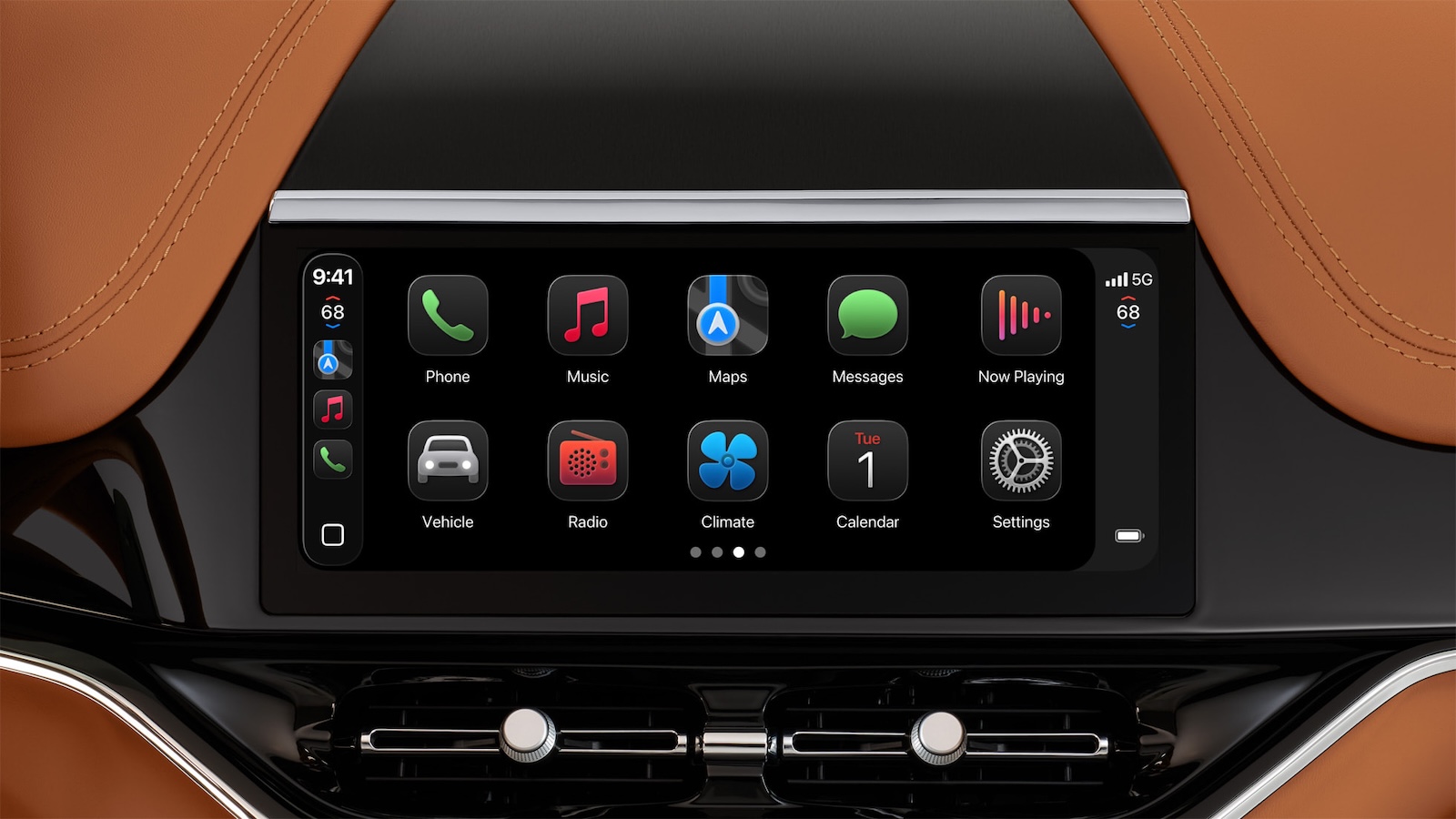 CarPlay Ultra in an Aston Martin
In addition to these brand-new integrations, a well-established communication tool also received a significant update for CarPlay. WhatsApp released a revamped CarPlay app, moving beyond its previous, more basic Siri-based functionality. This improved version now offers users much more comprehensive control and access to their messaging and calling features directly from their car's display. Drivers can now enjoy full access to their recent chats, making it easier to review conversations without needing to pick up their phone. The update also includes access to call history and favorite contacts, streamlining the process of initiating calls or messages to frequently contacted individuals. This enhancement to WhatsApp on CarPlay is a testament to Apple's commitment to making the in-car experience safer, more integrated, and more reflective of the full capabilities of iPhone apps. It ensures that essential communication tools are not only present but also fully optimized for the unique demands of the driving environment, allowing users to stay connected responsibly.
iOS 26.4.1 and macOS 26.4.1: Essential Updates for Your Apple Devices
Keeping your Apple devices up-to-date is crucial for both security and performance, and this week brought important updates for iPhone, iPad, and Mac users. After we spotted early signs of its imminent release through our site analytics earlier this week, Apple officially released iOS and iPadOS 26.4.1 on Wednesday. This minor but critical update is designed to address specific issues that some users may have encountered since the previous major release.
The iOS and iPadOS 26.4.1 update includes a crucial fix for an iOS 26.4 bug affecting iCloud syncing. Many users rely on iCloud to seamlessly synchronize their photos, documents, contacts, and other important data across all their Apple devices. A bug in the syncing process can lead to data discrepancies, lost files, or frustrating delays in accessing information. This fix ensures that your data remains consistent and accessible, restoring the smooth and reliable cloud experience that users expect from Apple. Furthermore, the update also enhances user security by activating Stolen Device Protection by default for an expanded group of users. Stolen Device Protection, a vital security feature, makes it significantly harder for thieves to access your personal information even if they have your passcode, by requiring Face ID or Touch ID for critical actions like changing your Apple ID password or turning off Find My. By extending this default activation, Apple is further reinforcing the security posture of its devices, offering greater peace of mind to a wider range of iPhone and iPad owners.
Following the mobile device updates, Apple also released a corresponding software patch for its desktop operating system. The company followed up with a macOS 26.4.1 update on Thursday. This update is particularly important for owners of Apple's latest computers, as it includes a specific fix for a Wi-Fi issue that had been affecting the new M5 MacBook Air and the M5 Pro and M5 Max MacBook Pro models. Wi-Fi connectivity is fundamental to nearly all modern computer use, from browsing the web to downloading software and streaming content. A reliable Wi-Fi connection is essential for productivity and entertainment, so addressing this issue promptly ensures that users of these cutting-edge machines can enjoy stable and fast internet access without interruption. These timely software releases underscore Apple's commitment to swiftly addressing bugs and enhancing security and functionality across its entire ecosystem, ensuring a smooth and reliable experience for all its users.
The Foldable iPhone: Not 'Fold' but 'Ultra' – What We Know About Apple's Next Big Thing
The long-rumored foldable iPhone has been one of the most hotly debated and anticipated devices in the tech sphere. For a while, the collective Apple rumor mill had confidently dubbed Apple's upcoming flexible smartphone the "iPhone Fold," a logical choice given the device's defining characteristic. However, new information suggests that Apple might be opting for a different, perhaps more premium-sounding, moniker. A prominent leaker now claims it will arrive under an "iPhone Ultra" name. This potential name change could signify Apple's strategy to position its foldable device not just as a new form factor but as the pinnacle of its smartphone lineup, similar to how the "Ultra" designation is used for its most advanced Apple Watch models, implying superior features, durability, and performance.
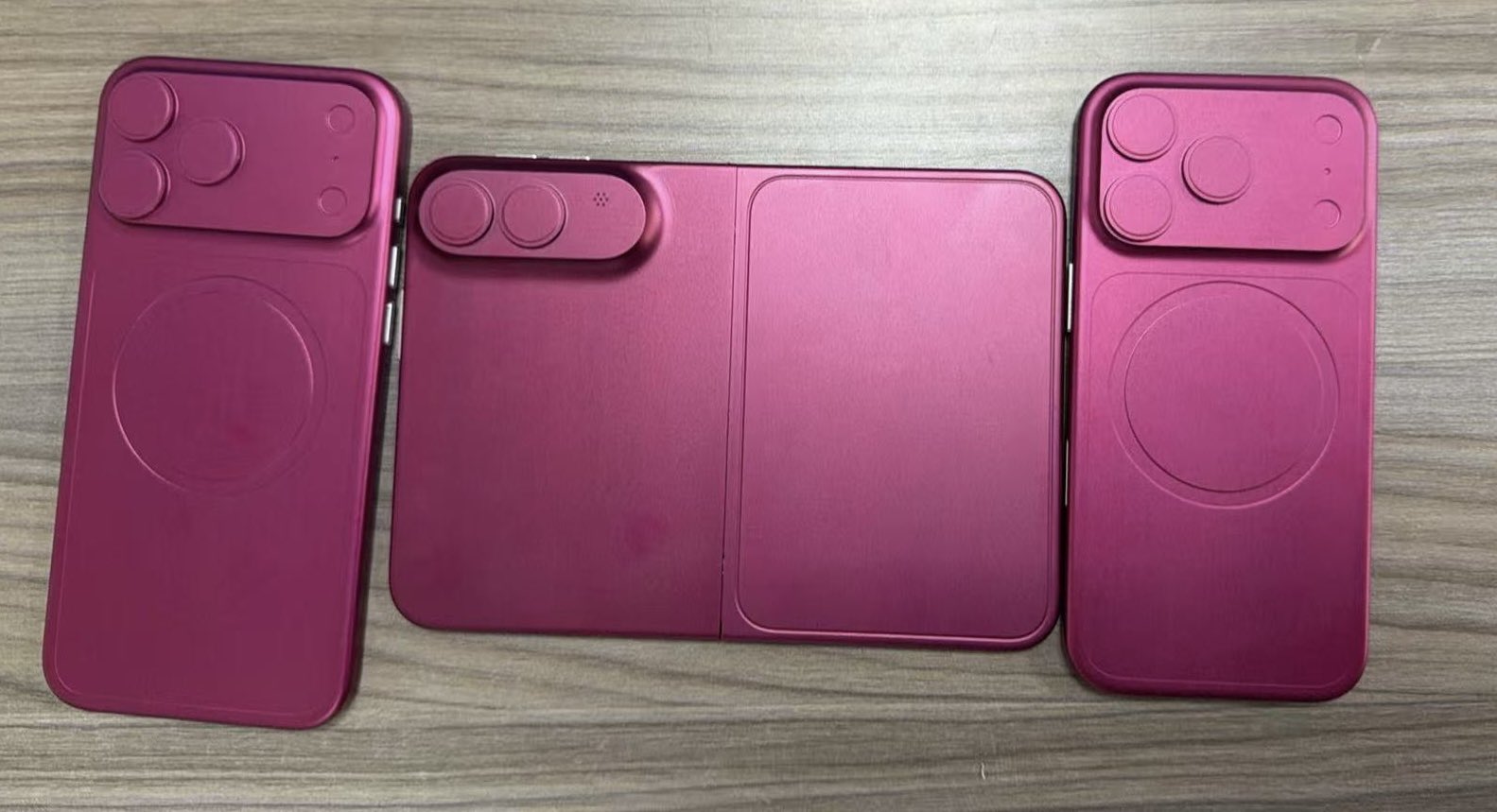
This week also offered an exciting visual development, as we got our first look at high-quality dummy units of what is believed to be the iPhone Fold or, as now suggested, the iPhone Ultra. These physical mock-ups, often created from leaked schematics, provide valuable insights into the potential design, size, and hinge mechanism of the device, giving us a tangible sense of what to expect from Apple's entry into the foldable market. The appearance of these dummy units fuels the anticipation, even amid mixed rumors regarding the actual release timeline. Industry analysts and consumers alike are keen to see how Apple addresses the challenges of foldable technology, from screen durability to hinge reliability, and how it differentiates its offering from existing foldable phones on the market.
Regarding its launch window, the latest word comes from the highly credible Mark Gurman of Bloomberg, who indicates that the foldable iPhone should launch alongside or shortly after the iPhone 18 Pro models. This would place its release in the traditional autumn timeframe for Apple's flagship products. However, Gurman also cautions that initial supplies may be tight. Launching a brand-new product category, especially one as technologically complex as a foldable phone, often comes with production hurdles. Apple will likely be working diligently to iron out these manufacturing issues, so early adopters might need to act quickly or prepare for a potential wait to get their hands on this groundbreaking device. The limited initial availability could also contribute to its premium perception and exclusivity.
As for pricing, this cutting-edge technology and premium branding will undoubtedly come with a hefty price tag. Current estimations suggest that the foldable iPhone could expect pricing to come in at around $2,000, or even higher, depending on the chosen storage capacity. This places the iPhone Ultra firmly in the ultra-premium segment of the smartphone market, catering to early adopters and users who prioritize the absolute latest in mobile technology and are willing to pay a premium for it. The pricing strategy will be a key indicator of Apple's positioning for this device: is it a niche product to test the waters, or a bold statement about the future of mobile phones? Regardless of the name or the exact launch date, the arrival of Apple's foldable device, be it the "Fold" or the "Ultra," represents a significant moment in the evolution of smartphone design and technology, promising to reshape how we interact with our most personal devices.
Stay Up-to-Date with the MacRumors Newsletter
For those who want to keep a finger on the pulse of the Apple world without sifting through countless articles, our weekly email newsletter is the perfect solution. Each week, we carefully curate and publish an email newsletter much like this recap, highlighting the most important and trending Apple stories. It’s designed to be a bite-sized, yet comprehensive, overview of the week's events, hitting all of the major topics we've covered and intelligently tying together related stories. This approach provides you with a big-picture view, helping you understand the broader implications of each piece of news and how it fits into Apple's overarching strategy and product roadmap.
Subscribing to our newsletter is an excellent way to ensure you never miss out on critical updates, exciting rumors, and essential product insights. You'll receive a concise digest that covers everything from iPhone and MacBook developments to software updates and accessory news, delivered directly to your inbox. This convenient format allows you to quickly get up to speed on all things Apple, making it an invaluable resource for casual fans and dedicated enthusiasts alike. So, if you want to have top stories like the above recap delivered to your email inbox each week, subscribe to our newsletter today and join a community of informed Apple users!
This article, "Top Stories: iPhone Rumors, Apple's MacBook Neo Dilemma, and More" first appeared on MacRumors.com
Discuss this article in our forums
from MacRumors
-via DynaSage
