
The Super Mario Galaxy Movie Is A Sugary Barrage Of References And Not Much Else
A Galaxy of Familiarity: Why the Super Mario Galaxy Movie Sequel Misses the Mark
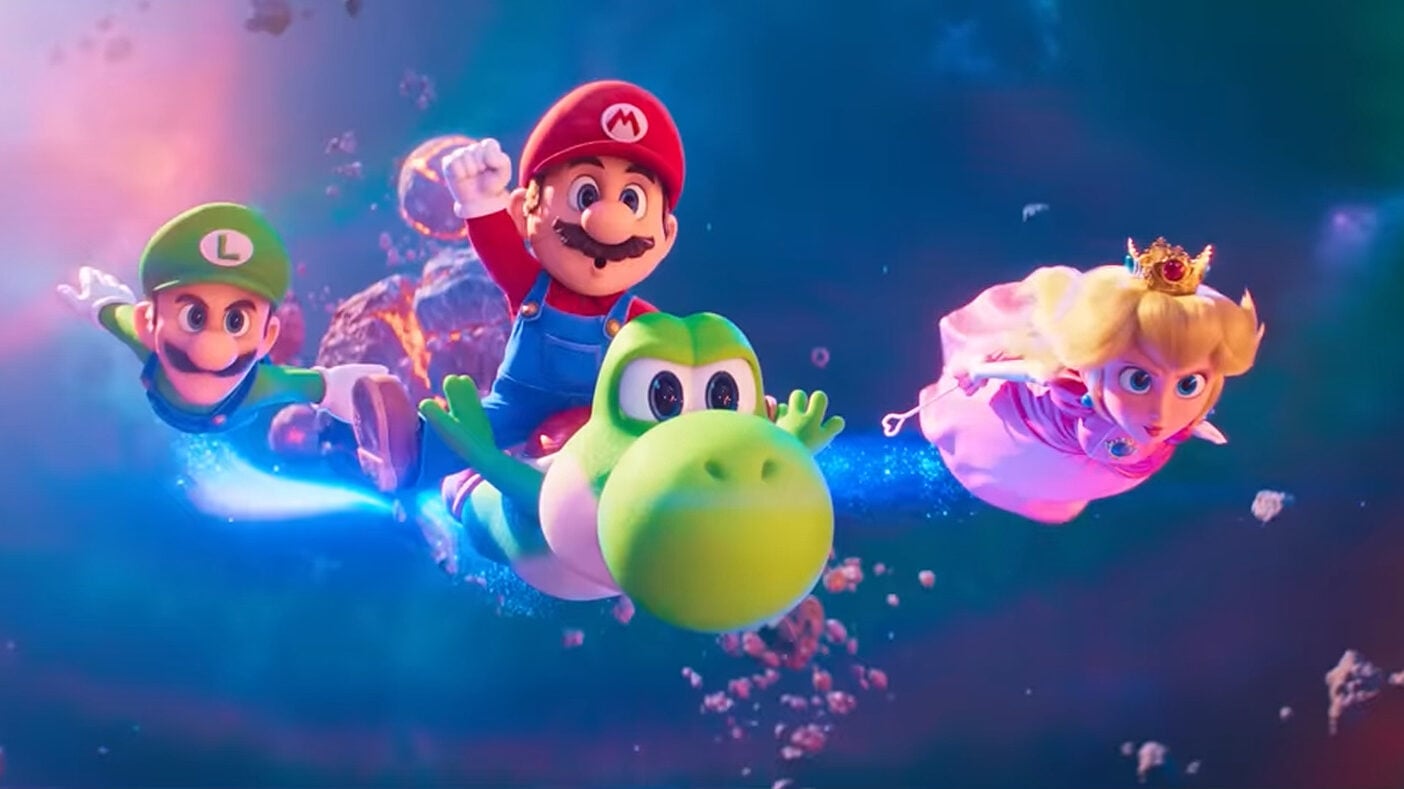
The much-anticipated sequel, the Super Mario Galaxy Movie, has finally landed in theaters, promising another thrilling adventure with everyone's favorite plumber. However, much like a perfectly wrapped but empty gift box, the film delivers a dazzling visual experience that is, unfortunately, hollow at its core. It relentlessly mirrors the approach of its predecessor, showering viewers with a wave of familiar sights and sounds that trigger warm memories, but ultimately offers nothing substantial underneath the shiny veneer. This over-reliance on nostalgia, while initially charming, ultimately exposes a significant lack of original thought and genuine storytelling, leaving audiences with a feeling of having re-watched a slightly altered version of something they already knew.
The Irresistible Pull of Nostalgia in Gaming Adaptations
Nostalgia is a potent force, especially in the realm of video game adaptations. For decades, fans have dreamed of seeing their beloved characters and worlds brought to life on the big screen. When a movie like the first Super Mario Bros. Movie arrives, it carries the weight of those expectations. It's not just about telling a good story; it's about validating years of cherished playtime, recognizing iconic moments, and hearing familiar music. The success of the initial film largely hinged on its ability to tap into this deep well of affectionate memory. It understood what fans wanted to see: power-ups, recognizable enemies, famous locales, and the unbreakable bond between Mario and Luigi.
When executed well, nostalgia can enhance a film, making it a richer experience for long-time fans while still being accessible to newcomers. It can provide a foundation upon which new stories are built, adding layers of meaning for those who catch every subtle reference. However, there's a delicate balance. When nostalgia becomes the *sole* driving force, when it replaces genuine narrative development or character growth, it transforms from a delightful bonus into a narrative crutch. This is precisely the pitfall into which the Super Mario Galaxy Movie sequel tumbles headfirst, mistaking recognition for revelation and familiarity for profundity.
Recalling the Predecessor's Winning Formula
To understand the sequel's missteps, it's crucial to look back at the original animated Super Mario Bros. Movie. That film, against many expectations, was a colossal box office success. Its formula was simple yet effective: a whirlwind tour through the Mushroom Kingdom and beyond, packed with fan service, vibrant animation, and a high-energy plot. The story, while not groundbreaking, was a straightforward hero's journey. Mario and Luigi, two ordinary plumbers, are thrust into an extraordinary world, learn to harness its powers, and ultimately save the day. The film's strength lay in its confident embrace of the source material's whimsical nature, its visual spectacle, and its relentless pace. It didn't try to be too deep; it aimed to be fun, and it largely succeeded.
Characters like Peach, Bowser, Donkey Kong, and Toad were instantly recognizable, each fulfilling a role that resonated with their video game counterparts. The world-building was superficial but effective, presenting a colorful tapestry of biomes and dangers. Musical cues were expertly woven in, triggering dopamine hits with every familiar melody. This "formula" wasn't about complex storytelling but about delivering a blockbuster spectacle that honored its roots without feeling bogged down by them. It set a high bar for visual fidelity and a joyous tone, leading many to believe that future adaptations could build upon this foundation. Unfortunately, the sequel seems to have mistaken the foundation for the entire building. For more insights on the first film's impact, you can check out this article on IGN's review of the original movie.
The Sequel's Uninspired Repetition and Nostalgic Drenching
From the opening scene, the Super Mario Galaxy Movie sequel makes its intentions clear: to replicate the first film's success by simply doing more of the same. The plot, if one can call it that, feels like a patchwork quilt of familiar mission objectives from the Super Mario Galaxy games themselves, strung together with minimal narrative glue. Mario, Peach, and Luigi embark on yet another quest to collect cosmic power stars, stop Bowser from an ill-defined space threat, and restore order to the universe. We see them jump across familiar planets, encounter Lumas, battle Goombas in zero-gravity, and even get a brief cameo from Rosalina that feels more like a checklist item than a meaningful character introduction.
Every frame seems engineered to elicit a "hey, I know that!" reaction. The camera lingers on iconic enemies, famous level designs are meticulously recreated, and the score constantly swells with orchestrated versions of classic tunes. While this might give an initial rush, it quickly becomes tiresome. The visual language is identical to the first movie, but without the novelty. The vibrant colors and dynamic action sequences, which were a breath of fresh air previously, now feel like a well-worn path. It's like being shown a photo album of your own memories; pleasant, but ultimately you’re just looking at old pictures, not making new ones. The film assumes that showing is enough, that the mere presence of these beloved elements will equate to a compelling cinematic experience.
Familiarity Over Innovation
The problem isn't just that the film reuses elements; it's that it reuses them without adding anything new or interesting to their context. When Mario dons a Bee Mushroom suit, it’s not for a clever puzzle or a new comedic situation; it’s simply to float across a gap, just as he did in the game. When he uses the Spin Attack, it's merely a combat animation, devoid of the strategic timing or environmental interaction that made it exciting in the original *Galaxy* games. The joy of these adaptations should come from seeing familiar mechanics translated into a new medium with creative twists, not just copied verbatim.
Even the emotional beats feel recycled. There's another scene where Mario doubts himself, another moment of brotherly bonding between Mario and Luigi, and another grand speech from Peach about hope and friendship. These moments, which resonated in the first film because they helped establish the characters and their journey, now feel like hollow echoes. They lack the genuine emotional weight because the characters aren't truly growing or facing new internal conflicts; they're merely going through the motions prescribed by the "formula." The audience is meant to feel something because they felt it before, not because the current narrative earns it.
The Glaring Absence of Substance: What's Truly Missing?
The phrase "no substance whatsoever" might sound harsh, but in the context of the Super Mario Galaxy Movie sequel, it's alarmingly accurate. Substance in storytelling refers to the depth, meaning, emotional resonance, and genuine impact of a narrative. It's what makes a story memorable beyond its surface-level entertainment. Unfortunately, this sequel is paper-thin.
Static Characters, Stagnant Growth
Perhaps the most critical failing is the complete lack of character development. Mario, Luigi, Peach, and even Bowser, remain exactly where they were at the end of the first film. There's no new dimension to their personalities, no exploration of their fears or aspirations that we haven't already seen. Mario is still the brave hero, Luigi the timid but loyal brother, Peach the strong-willed leader, and Bowser the comically inept villain obsessed with Peach. While consistency can be comforting, a sequel needs its characters to evolve, to face new challenges that force them to change or grow in unexpected ways.
Consider Bowser. In the first film, his relentless pursuit of Peach and the Mushroom Kingdom was established. In the sequel, he's just... doing it again, but in space. There's no exploration of *why* he's so obsessed, no new tactic, no moment of self-reflection. He's simply the antagonist, a recognizable obstacle for Mario to overcome. This stagnation prevents any real emotional investment in the characters' journey, turning them into mere puppets performing a familiar play.
A Predictable and Uninspired Plot
The story itself is a predictable cycle of fetch quests and boss battles. Mario and co. need to retrieve a MacGuffin (another set of Stars, or perhaps a cosmic artifact) before Bowser does. They travel from one visually stunning but narratively inert planet to another, overcoming simple obstacles that feel less like genuine challenges and more like excuses for an action sequence. There are no surprising twists, no genuine stakes that feel earned, and no moments of true suspense. The audience always knows how things will play out because they've seen it before, not just in the games, but in countless other adventure films. The film fails to offer any narrative tension that would compel viewers to invest in the outcome.
Rehashing Worlds, Not Expanding Them
The Super Mario Galaxy games were celebrated for their inventive level design and creative world-building. Each galaxy was a unique miniature ecosystem with its own rules and aesthetics. The movie sequel, however, simply recycles these ideas without giving them any fresh perspective. We visit planets that look exactly like Honeyhive Galaxy, Good Egg Galaxy, or Gusty Garden Galaxy, but their cinematic renditions lack the interactive depth that made them special in the games. They are beautiful backdrops, but nothing more. There's no sense of exploration or discovery for the characters or the audience. The universe feels less like a boundless cosmos and more like a limited theme park, where every ride is a slightly redecorated version of the last.
Missing Deeper Themes and Emotional Connection
The original Super Mario Galaxy games, particularly with Rosalina's storybook, managed to weave in surprisingly poignant themes of loss, hope, and the cyclical nature of the universe. The games had heart. The movie sequel, in contrast, is devoid of any such thematic depth. It’s pure surface spectacle. There’s no underlying message about courage, friendship, or overcoming adversity that feels genuinely explored. The film's attempts at emotional resonance are superficial, relying on the audience's pre-existing affection for the characters rather than building new emotional connections. The narrative doesn't earn its moments of triumph or its quiet reflections; it simply presents them as expected beats.
The Original Games' Legacy: Innovation and Heart
It’s particularly frustrating that the Super Mario Galaxy Movie sequel falls flat in substance when its source material, the Super Mario Galaxy video games, are renowned for their incredible innovation and emotional depth. Released on the Wii, *Super Mario Galaxy* and its sequel *Super Mario Galaxy 2* redefined 3D platforming. They introduced revolutionary gravity mechanics, imaginative planetoid levels, and a sense of cosmic wonder that was unparalleled.
Beyond the gameplay, the first *Super Mario Galaxy* game also featured one of Nintendo's most compelling and bittersweet narratives through Rosalina's Storybook. This optional but deeply impactful backstory explored themes of loss, family, and the vastness of space, giving a surprising emotional weight to the otherwise lighthearted adventure. It proved that a Mario game could be both incredibly fun and profoundly moving. The movie sequel had a golden opportunity to translate this unique blend of playful mechanics and heartfelt storytelling into a cinematic experience, but it chose instead to skim the surface, prioritizing recognizable imagery over genuine narrative aspiration. Learning more about the games can highlight this contrast; check out Nintendo's official page for Super Mario Galaxy.
The Pitfalls of Excessive Fan Service
Fan service, when used sparingly and creatively, can be a delightful nod to dedicated fans. It can be a clever Easter egg, a subtle reference that rewards attentive viewers without alienating newcomers. However, the Super Mario Galaxy Movie sequel takes fan service to an extreme, making it the bedrock of its entire existence. Every character, every power-up, every enemy, and every location is trotted out with an almost desperate plea for recognition. This isn't subtle appreciation; it's a relentless barrage.
When a film prioritizes fan service above all else, it often sacrifices crucial elements like pacing, character development, and narrative coherence. Moments are included not because they serve the story, but because they are "cool" references for fans. This leads to a disjointed experience where the plot feels less like a natural progression and more like a series of checkpoints on a nostalgia tour. Instead of serving the story, the story is forced to serve the fan service, which ultimately cheapens both. It also creates a barrier for new audiences who might not understand the significance of every little detail, making the film less universally appealing.
Missed Opportunities for a Cosmic Adventure
The concept of a Super Mario Galaxy movie offers boundless potential. The universe itself is ripe for exploration, with countless unique planets, cosmic phenomena, and intriguing lore. Imagine a film that delves deeper into the origins of Rosalina and the Lumas, expanding upon the game's poignant storybook. Picture a narrative that explores new corners of the cosmos, introducing original alien races or never-before-seen cosmic threats that challenge Mario and his friends in truly novel ways.
The sequel could have innovated with its gravity mechanics, translating the game's unique platforming into creative action sequences that defy cinematic norms. It could have given Luigi a more central, heroic role, allowing him to step out of Mario's shadow and develop his own arc. It could have explored the nuances of Bowser's character, perhaps even a begrudging team-up for a greater threat, a common trope that could have been handled with charm. Instead, the film plays it safe, choosing the path of least resistance by merely echoing what came before. This conservative approach, while potentially lucrative, squanders the immense creative potential inherent in the *Super Mario Galaxy* universe. For ideas on what could have been, you might enjoy exploring fan theories and discussions on the Super Mario Galaxy subreddit.
The Business of Sequels: Why Studios Play it Safe
It’s easy to criticize a film for lacking substance, but it’s also important to acknowledge the commercial pressures that often drive these creative decisions. Studios invest hundreds of millions of dollars into blockbuster sequels, and the desire to minimize risk is paramount. The first Super Mario Bros. Movie was a massive hit, and its formula proved incredibly profitable. From a business perspective, replicating that formula with minor variations for a sequel seems like a safe bet.
Nostalgia is a proven money-maker. It guarantees an initial audience of dedicated fans and often attracts casual viewers looking for a comforting, familiar experience. Innovation, while artistically laudable, can be risky. A new direction, a deeper story, or a more complex character arc might alienate a segment of the audience that simply wants more of what they loved. Thus, many sequels, especially those based on beloved IPs, fall into the trap of prioritizing "what worked" over "what could be." The Super Mario Galaxy Movie sequel feels like a product of this risk-averse mentality, designed to check all the boxes of its predecessor without daring to draw outside the lines.
Audience and Critical Reception: A Divide?
Given its heavy reliance on nostalgia, the Super Mario Galaxy Movie sequel is likely to receive a mixed reception. Casual viewers and younger audiences, unfamiliar with the deeper lore or the games' innovations, might find the film to be a perfectly enjoyable, albeit forgettable, visual spectacle. The bright colors, energetic action, and lovable characters are still present, offering surface-level entertainment. They might leave the theater feeling satisfied, having seen Mario and friends in another grand adventure.
However, for long-time fans of the Super Mario Galaxy games and critics who seek more from their cinema, the film's lack of substance will be a significant disappointment. These viewers will recognize the missed opportunities, the recycled plot points, and the absence of the creative spark that made the games so special. They might appreciate the visual fidelity and the attention to detail in recreating beloved elements, but they will likely yearn for a story that genuinely pushes the boundaries or offers a new perspective. The film will be seen as a technically proficient but narratively stagnant entry, a testament to what happens when familiarity completely overshadows imagination.
The Peril of Pure Nostalgia: A Concluding Thought
The Super Mario Galaxy Movie sequel serves as a powerful reminder of the double-edged sword that is nostalgia. While it can connect generations and create a shared sense of joy, it can also become a barrier to genuine creativity and meaningful storytelling. A truly great sequel doesn't just replicate its predecessor; it builds upon it, expanding the world, deepening the characters, and telling a new story that honors the past while forging its own path.
This film, in its unwavering commitment to the familiar, ultimately undermines its own potential. It’s a beautiful, polished product that dazzles the eyes but fails to engage the mind or stir the heart in any lasting way. Viewers are indeed drenched in nostalgic familiarity, but much like a fleeting dream, the experience evaporates quickly, leaving little more than a colorful but ultimately unsubstantial memory. While the future of the Super Mario cinematic universe holds promise, one hopes that future installments will learn from this sequel's shortcomings, choosing innovation and substance over mere recognition. The vastness of space and the beloved characters of the Mario universe deserve stories that are as grand and imaginative as their digital origins, not just echoes of what has come before.
from Kotaku
-via DynaSage
