
The Mass Effect TV Show Will Reportedly Be Rewritten To Appeal To ‘Non-Gamers’
Mass Effect on Amazon: Unpacking the Excitement and the Scripting Challenge
The universe of Mass Effect has captivated millions with its deep lore, unforgettable characters, and monumental choices. For years, fans have dreamed of seeing this epic space opera brought to life on the screen. That dream is closer than ever to becoming a reality, with an Amazon adaptation reportedly "on the verge" of beginning production. However, like any ambitious venture into uncharted cosmic territory, there are hurdles to overcome – chief among them, ensuring the scripts are perfectly crafted to honor the beloved source material.
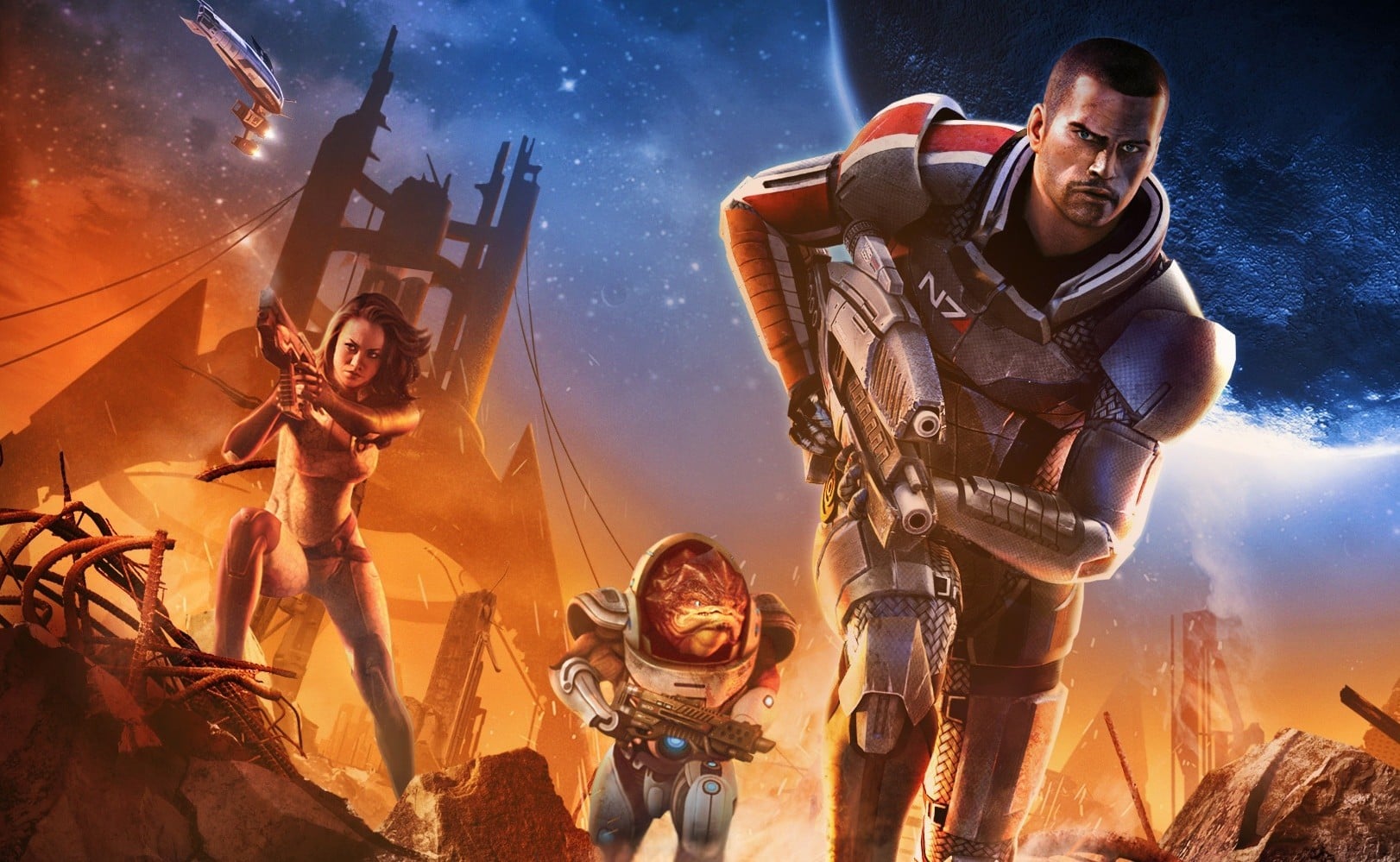
The news that production on the Amazon adaptation of Mass Effect is so close to beginning has sent ripples of excitement through the gaming community. This isn't just another video game adaptation; it's an opportunity to bring one of the most acclaimed science fiction narratives of the 21st century to a brand new audience, while deeply satisfying the existing fanbase. The mere mention of "Mass Effect" often conjures images of epic space battles, heartfelt character moments, and galaxy-altering decisions, all of which are perfectly encapsulated by images like the official poster for Mass Effect 2. But before cameras can roll, the foundation of any great series—its script—must be absolutely solid.
The Unparalleled Legacy of Mass Effect
For those unfamiliar with the phenomenon, Mass Effect is a series of action role-playing games developed by BioWare. It tells the story of Commander Shepard, a customizable elite soldier who must unite the various species of the Milky Way galaxy against a terrifying mechanical race known as the Reapers. The original trilogy, launched in 2007, 2010, and 2012 respectively, redefined storytelling in video games.
What makes Mass Effect so beloved? It's a combination of several factors:
- Rich Universe: The galaxy is filled with diverse alien species, each with their own cultures, histories, and political complexities. From the stoic Turians to the wise Asari and the cunning Salarians, every interaction expands the universe.
- Compelling Story: The overarching narrative is a classic epic – a desperate fight for survival against an ancient, overwhelming threat. But it's the smaller, personal stories and side quests that truly give it depth.
- Memorable Characters: Commander Shepard is just the beginning. The squadmates you gather on your ship, the Normandy, become like family. Characters like Garrus Vakarian, Tali'Zorah nar Rayya, Liara T'Soni, and Mordin Solus are not just companions; they are intricately written individuals whose stories evolve with your choices.
- Player Choice: The series famously allows players to make decisions that have far-reaching consequences, influencing relationships, plotlines, and even the fate of entire species across multiple games.
Mass Effect 2, highlighted by its striking official poster, is often considered the pinnacle of the series. It perfected the blend of action and role-playing, focusing heavily on recruiting a diverse crew for a seemingly impossible "Suicide Mission." The emotional investment in each character and the high stakes of their loyalty missions made the game an unforgettable experience. The challenge for any adaptation is to capture this magic and translate it into a passive viewing experience without losing the essence that made it so special.
Amazon's Ambitious Vision for Sci-Fi
Amazon Prime Video has demonstrated a clear ambition to become a major player in the realm of large-scale science fiction and fantasy adaptations. Their portfolio already includes critically acclaimed series like "The Expanse" (which they rescued and continued) and the monumental "The Lord of the Rings: The Rings of Power." This track record suggests they have the resources, technical capabilities, and creative vision to tackle a universe as vast and complex as Mass Effect.
The Mass Effect series fits perfectly within Amazon's strategy of producing high-budget, premium content that can attract a global audience. It offers a rich tapestry of stories, characters, and visual spectacles that could easily fill multiple seasons. For Amazon, Mass Effect isn't just another show; it's a potential tentpole series that could define their sci-fi offerings for years to come, drawing in millions of new subscribers while delighting a passionate existing fanbase. The opportunity to expand the Mass Effect lore beyond the games, exploring new corners of the galaxy or delving deeper into known cultures, presents an exciting frontier for storytelling.
"On the Verge": Understanding Pre-Production Hype
When industry reports state that production is "on the verge" of starting, it usually means that the project has passed significant milestones. This phrase often indicates that major elements like securing funding, attaching key creative talent (director, showrunner), initial casting discussions, and location scouting are well underway or nearing completion. It signifies a strong commitment from the studio (Amazon, in this case) and a belief that the project is moving forward with momentum.
However, "on the verge" is not "officially started." It implies that there are still critical pieces that need to fall into place. In Hollywood, projects can be "on the verge" for months, or even years, and sometimes fall apart entirely if those final pieces don't align. For Mass Effect, the most crucial of these remaining pieces, as the reports suggest, is the script. This isn't necessarily a bad sign; it speaks to the meticulousness required for a project of this magnitude. Rushing a script, especially for a beloved franchise, is a recipe for disaster. The time spent perfecting the story, characters, and dialogue now will pay dividends in the quality of the final product.
The Scripting Challenge: Crafting a Galactic Masterpiece
The news that "the scripts still need some work" is perhaps the most telling detail in the update. While it might sound concerning, it’s a standard and often necessary part of developing any major television series, especially one based on such a rich and interactive source. The process of adapting a video game like Mass Effect into a linear television show presents unique and formidable challenges for screenwriters.
Translating Player Choice to a Linear Narrative
One of Mass Effect's defining features is player choice. Commander Shepard's gender, appearance, personality (Paragon or Renegade), and countless major decisions throughout the trilogy fundamentally shape the story. How do you translate this into a single, cohesive narrative for a TV series?
- Defining a Canon: The writers will need to decide on a "canon" version of Shepard's journey – specific choices made, specific characters recruited, specific relationships pursued. This is one of the trickiest parts, as every fan has their own "Shepard." The goal will be to create a version that feels authentic to the spirit of the games without alienating the diverse experiences of players.
- Handling Morality: The Paragon/Renegade system allowed players to be altruistic heroes or ruthless pragmatists. The show's Shepard will likely need a consistent moral compass, perhaps leaning towards a nuanced blend of both, making tough decisions that reflect the complexities of war and diplomacy.
Pacing, Structure, and Story Arcs
Video games and television operate on vastly different pacing structures. A single Mass Effect game can take dozens of hours to complete, filled with exploration, combat, dialogue trees, and side quests. A TV series needs to distill this into digestible episodes and season-long arcs.
- Condensing Content: Not every side quest or minor character interaction from the game can make it into the show. The writers must judiciously select which elements are crucial to the main story and character development, and which can be streamlined or cut.
- Maintaining Engagement: Unlike games, where player interaction drives engagement, a TV show relies purely on narrative momentum. The scripts need to ensure there are compelling cliffhangers, rising stakes, and satisfying resolutions within each episode and across entire seasons.
- Balancing Action and Dialogue: Mass Effect is known for its intense combat sequences but also for its extensive, well-written dialogue. The adaptation needs to find the right balance, ensuring action serves the story and dialogue drives character development.
Bringing Beloved Characters to Life
The heart of Mass Effect lies in its characters. Shepard and their crew are iconic. The scripts must ensure that:
- Authentic Portrayal: Each character, from the wise Garrus to the fiercely loyal Tali, needs to feel true to their game counterparts. Their personalities, quirks, and unique voices must be preserved, even if their specific storylines are tweaked for the medium.
- Character Arcs: While the games provided strong arcs, the series can expand on them, exploring different facets of their personalities or giving them new challenges that weren't fully explored in the games.
- Casting Implications: The quality of the scripts directly influences casting. A well-written character attracts better actors, which is vital for bringing these beloved figures to life.
Lore Accuracy Versus Accessibility
The Mass Effect universe has extensive lore, spanning thousands of years of galactic history, complex political systems, and intricate technological details.
- For Newcomers: The show needs to be accessible to viewers who have never played the games. This means introducing concepts like Element Zero, Mass Relays, biotic powers, and different alien species in a way that is understandable without feeling like an info-dump.
- For Fans: At the same time, the scripts must respect the established lore and details that fans cherish. Deviating too far from the source material can lead to backlash. The challenge is to weave in exposition naturally and keep the core elements intact.
Exploring Core Themes
Mass Effect grapples with profound themes: morality, prejudice, unity, artificial intelligence, xenophobia, and the existential threat to all organic life. The scripts need to ensure these themes are central to the narrative, providing depth and resonance beyond just action and spectacle. The nuanced exploration of these ideas is what elevates Mass Effect beyond a simple space shooter.
The Iterative Process of Script Development
The fact that the scripts "still need some work" is a testament to the rigorous, iterative nature of high-quality television production. It implies:
- Multiple Drafts: Scripts typically go through numerous revisions. Early drafts establish plot and character; later drafts refine dialogue, pacing, and emotional beats.
- Feedback Loops: Writers work closely with showrunners, producers, network executives, and potentially even BioWare representatives to ensure the story is engaging, consistent, and true to the IP.
- Refining the Vision: This stage is where the overall tone, visual style, and thematic depth are solidified. It’s about ensuring every scene, every line of dialogue, serves the larger vision.
The pressure on the writing team is immense. They are not just writing a show; they are adapting a cultural phenomenon. Getting the scripts right is paramount to building a strong foundation for the entire series. It ensures that the millions of dollars Amazon is investing will result in a show that lives up to the monumental expectations of a passionate fanbase and attracts new viewers.
What Fans Are Hoping For
Beyond the technical aspects of scriptwriting, fans have very clear hopes for the Mass Effect series:
- Respect for the Source: Above all, fans want a show that respects the core narrative, characters, and themes of the games. They want to see the Mass Effect universe they love faithfully translated.
- High Production Value: The Mass Effect universe is visually stunning. Fans expect cinematic-quality visuals, from alien designs to spacecraft, biotics, and the scale of the environments.
- Strong Casting: While actors won't be identical to player-created Shepards, the casting for key characters like Shepard, Garrus, Tali, Liara, and others will be scrutinized. Fans want actors who can embody the spirit and personality of these beloved figures.
- Emotional Depth: The games were known for their profound emotional moments, from tragic losses to triumphant victories. The series needs to evoke similar feelings and build strong emotional connections with the characters.
- Expansion, Not Just Retelling: While following the main story is important, there's also an appetite for expanding the lore, perhaps showing events mentioned in the game or exploring new character backstories that weren't fully developed.
Potential Pitfalls and Paths to Success
Any adaptation carries risks, and Mass Effect is no exception.
- Pitfalls: Misunderstanding the source material, poor pacing, budget constraints impacting visual quality, casting choices that don't resonate, or attempting to appeal too broadly and losing the essence of what makes Mass Effect unique. The biggest pitfall would be a script that fails to capture the emotional core and epic scope.
- Paths to Success: A deep respect for the established lore, combined with creative freedom to adapt it for a new medium. Strong, character-driven scripts that balance action and drama. A dedicated creative team that understands and loves the source material. And, crucially, a script that has been thoroughly vetted and polished to perfection before filming begins.
Conclusion: A Universe on the Cusp of a New Beginning
The Mass Effect Amazon adaptation stands at an incredibly exciting juncture. The fact that it's "on the verge" of production signals significant progress and a strong commitment from Amazon. Yet, the acknowledgment that "the scripts still need some work" is not a cause for alarm, but rather an indicator of the meticulous care being taken to ensure this beloved franchise gets the adaptation it deserves.
The Mass Effect universe is vast, intricate, and deeply cherished. Bringing Commander Shepard's journey to the screen requires not just immense resources but also an unwavering dedication to storytelling excellence. By taking the time to perfect the scripts, Amazon and the creative team are laying the groundwork for what could be a truly monumental science fiction series. Fans around the world will be eagerly watching for further updates, hoping that when the cameras finally roll, the galaxy is truly ready for its next great adventure.
What are your thoughts on the Mass Effect adaptation? What aspects of the games are you most excited to see brought to life, and what challenges do you think the writers face? Share your comments below!
from Kotaku
-via DynaSage
