
The Mario Galaxy Movie Could Be Arriving On Streaming To Babysit My Kids In Record Time
The Super Mario Bros. Movie: A Blockbuster That Conquered the World in Less Than a Month
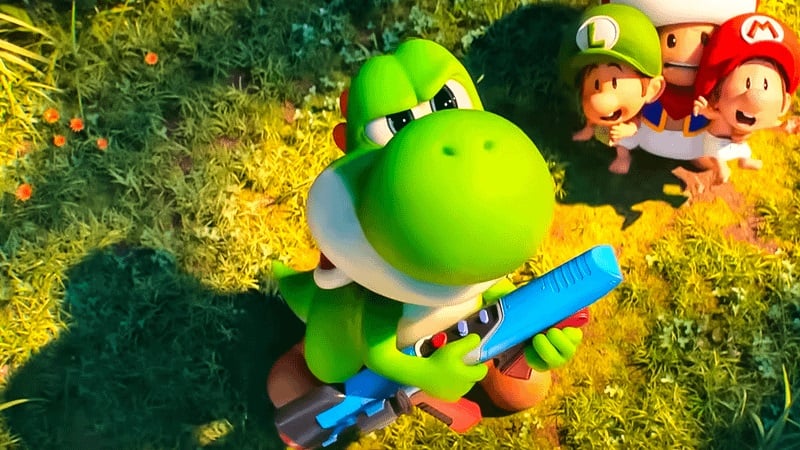
In the blink of an eye, an animated adventure took the global box office by storm, captivating audiences of all ages and setting new records. We're talking, of course, about The Super Mario Bros. Movie. Barely a whole month into its release, this film from Nintendo and Illumination has become an unstoppable force, redefining what a video game adaptation can achieve. It has smashed expectations, bringing the beloved characters of the Mushroom Kingdom to life in a way fans have dreamed of for decades. The excitement has been palpable, with families rushing to theaters, drawn by the promise of vibrant animation, laugh-out-loud humor, and a heartwarming story that honors its gaming roots. The image above, hinting at the bond between characters like Mario and Yoshi, captures just a fraction of the magic and adventure audiences have experienced.
This movie isn't just a hit; it's a cultural phenomenon. Its immediate and massive success proves that when creators genuinely understand and respect their source material, while also bringing fresh ideas to the table, audiences will respond enthusiastically. It has quickly become a landmark film in the world of animation and a benchmark for future adaptations of popular video games. The film's triumph signals a turning point, showing Hollywood that the vast and loyal fanbase of video games is ready for high-quality, authentic cinematic experiences that resonate deeply with their long-held affections for these digital worlds and their iconic heroes.
The Phenomenal Success Story: Beyond the Box Office Numbers
The Super Mario Bros. Movie didn't just perform well; it exploded onto the scene. Its opening weekend alone was historic, shattering records for animated films and video game adaptations. It quickly became the highest-grossing film of 2023 globally and an all-time top earner for its studio, Illumination, and its distributor, Universal Pictures. This financial success wasn't accidental; it was the result of a perfectly timed release, a globally recognized brand, and a film that genuinely delivered on its promise. The movie's appeal transcended geographical and demographic boundaries, drawing in everyone from hardcore Nintendo fans to casual moviegoers looking for a fun family outing. Children were mesmerized, parents were nostalgic, and even teenagers found themselves humming the catchy tunes.
While some professional critics offered mixed reviews, the audience's response was overwhelmingly positive. Online rating platforms, social media buzz, and word-of-mouth spread like wildfire, painting a clear picture: people loved this movie. This disconnect between critics and the general public often highlights different priorities in film appreciation. For many viewers, the film was a joyous celebration of a franchise they grew up with, filled with moments that perfectly captured the spirit of the games. It wasn't trying to be a groundbreaking cinematic masterpiece but rather an entertaining, heartfelt tribute that put smiles on faces. This public adoration fueled its continued success, leading to packed theaters weeks after its premiere, an uncommon feat in today's rapid-fire entertainment landscape. For an in-depth look at its financial journey, you can often find details on sites like Box Office Mojo.
The triumph of the Mario movie extends beyond mere monetary figures. It represents a victory for the concept of respecting a beloved intellectual property. For years, video game movies have had a mixed reputation, often failing to capture the magic of their source material. The Super Mario Bros. Movie broke that curse, proving that with careful planning, collaboration with the original creators (Nintendo was heavily involved), and a clear vision, a video game film can not only succeed but excel. Its global impact is undeniable, sparking conversations, merchandise sales, and renewed interest in the entire Mario franchise, from games to theme park attractions. It has become a significant topic of discussion across all forms of media, from casual chats among friends to detailed analyses in entertainment news outlets, solidifying its place as a major cultural event.
A Journey Through Nostalgia and Faithful Adaptation
One of the key ingredients in the movie's secret sauce was its masterful blend of nostalgia and contemporary storytelling. For anyone who has ever picked up a Nintendo controller, the film was a treasure trove of references, Easter eggs, and familiar sounds. From the iconic warp pipes to the distinctive sound effects of collecting coins and power-ups, every scene was carefully crafted to evoke a sense of familiarity and joy. The animators and writers clearly understood the deep emotional connection fans have with Mario, Luigi, Peach, and the entire Mushroom Kingdom. They weren't just making a movie; they were celebrating a legacy that spans over four decades.
The film didn't shy away from incorporating elements from various Mario games, creating a rich tapestry that felt both new and familiar. We saw references to Mario Kart's frantic races, Donkey Kong's jungle antics, and even subtle nods to lesser-known titles. This attention to detail delighted long-time fans who could spot every hidden gem, making the viewing experience a participatory one. It was a communal experience in theaters, with gasps and cheers erupting as audiences recognized beloved characters or iconic level designs. This deep respect for the source material ensured that the movie felt authentic, not just like a Hollywood cash-in. The creators understood that Mario isn't just a character; he's a part of many people's childhoods, and they treated that legacy with the reverence it deserved.
Beyond the surface-level references, the movie captured the essence of what makes Mario games so enjoyable: the sense of adventure, the colorful worlds, and the simple joy of overcoming challenges. It translated the platforming mechanics of the games into dynamic chase sequences and thrilling action, allowing viewers to vicariously experience the excitement of a Mario level. The very structure of Mario and Luigi's journey, from Brooklyn plumbers to interdimensional heroes, mirrored the progression and discovery found in the games. This commitment to faithful adaptation, while still allowing for cinematic creativity, set a new standard. It showed that it's possible to translate the interactive joy of gaming into a passive viewing experience without losing its core spirit. This delicate balance is often what previous video game adaptations struggled with, making Mario's success even more significant.
Character Reimagination and Development: Old Friends, New Depths
The heart of The Super Mario Bros. Movie lies in its characters, who were both familiar and refreshingly new. The film successfully maintained their core identities while giving them arcs and personalities that resonated with a modern audience. Mario and Luigi, for instance, are portrayed as hardworking but struggling plumbers from Brooklyn whose strong brotherly bond drives the entire narrative. Their journey into the Mushroom Kingdom is not just an adventure but a quest to prove themselves and save each other. Luigi’s endearing timidity and Mario’s unwavering courage, despite his initial struggles, create a dynamic that is both humorous and genuinely touching. Their commitment to one another, often seen in the games as a simple premise for co-op play, is here elevated to the central emotional core of the film, reminding us why these two plumbers have captured hearts for decades.
Princess Peach received one of the most significant and celebrated updates. No longer just a damsel in distress waiting to be rescued, she is a powerful, resourceful, and capable ruler of the Mushroom Kingdom. She takes charge, trains Mario, and actively participates in the battle against Bowser. This reimagining was widely praised for giving Peach more agency and making her a strong female character that children can look up to. Her leadership qualities and combat skills demonstrate a modern sensibility without betraying her royal charm. She’s still the benevolent ruler, but now she’s also a formidable warrior, ready to defend her people at any cost. This portrayal offers a great example of how to evolve classic characters for new audiences while retaining their fundamental appeal.
Bowser, the King of the Koopas, also got a memorable makeover. While still a terrifying villain determined to conquer the world, his portrayal also included unexpected layers of humor and even a touch of relatable, albeit misguided, romantic longing for Peach. Jack Black's voice acting brought an incredible amount of personality to the character, particularly through his viral song "Peaches," which became an instant fan favorite. Bowser’s humor made him less one-dimensional and more entertaining, allowing him to be genuinely menacing in some moments and hilariously pathetic in others. This blend made him a far more engaging antagonist than many expected, proving that even a classic bad guy can be given new life through clever writing and an inspired performance.
The supporting cast also shone brightly. Toad, voiced by Keegan-Michael Key, was a loyal and brave companion to Peach and Mario, providing comic relief and surprising bursts of courage. Donkey Kong, voiced by Seth Rogen, was reimagined as a confident, slightly arrogant but ultimately heroic primate who forms an unlikely alliance with Mario. The iconic Kong clan, with its distinct personality and environment, added another layer of depth and excitement to the narrative. And, of course, the movie cleverly hinted at the eventual appearance of Yoshi, a beloved character from the games, with a delightful scene showing baby Yoshi's hatching from an egg, which perfectly ties into the kind of imagery suggested by our featured image, where a character similar to Yoshi appears alongside Mario. This tease left audiences eagerly anticipating future installments and the further expansion of this cinematic universe.
The Visual Spectacle: Animation and World-Building Masterclass
Beyond its compelling characters and nostalgic touches, The Super Mario Bros. Movie is a feast for the eyes, a true animation masterclass. Illumination, the studio behind beloved franchises like Despicable Me and Minions, brought its signature vibrant style to the world of Nintendo, resulting in stunning visuals that pop off the screen. Every frame is bursting with color, detail, and dynamic movement, perfectly capturing the playful and imaginative aesthetic of the Mario games. The animation is fluid, expressive, and meticulously crafted, making every character and environment feel alive and tangible. From the bustling streets of Brooklyn to the fantastical landscapes of the Mushroom Kingdom, the film’s visual storytelling is simply breathtaking, drawing viewers completely into its whimsical universe.
The world-building is another standout aspect. The film successfully translates the disparate yet cohesive worlds of the Mario games into a unified cinematic universe. The Mushroom Kingdom is a vibrant paradise, filled with adorable Toads and towering fungi. The Jungle Kingdom is a lush, sprawling environment ruled by the Donkey Kong clan, complete with exhilarating chase sequences that recall the best of Mario Kart. Bowser’s Dark Lands are suitably menacing and fiery, a stark contrast to the colorful realms Mario typically inhabits. Each location is distinct and beautifully rendered, creating a sense of grand adventure and scale. The animators paid close attention to bringing the iconic level designs and environmental details from the games into the film, enhancing the feeling of familiarity for fans while impressing newcomers with the sheer creativity on display.
The attention to detail extends to character animation as well. Mario’s expressive face, Luigi’s nervous mannerisms, Peach’s regal gestures, and Bowser’s exaggerated movements all contribute to their personalities. The way characters interact with their environment, whether sliding down a pipe or bouncing off a platform, feels true to the physics and spirit of the games. Even the power-ups, like the Super Star or the Tanooki Suit, are depicted with dazzling visual effects that make them feel powerful and exciting. The animators managed to strike a perfect balance between creating a visually spectacular film and staying true to the established look and feel of the Nintendo universe. This commitment to visual authenticity is a major reason why the film resonated so deeply with its audience and why it stands out as a high-quality animated production.
This film clearly demonstrates Illumination's ability to evolve its animation style to fit the unique requirements of a property like Mario. While retaining their accessible and appealing character design, they pushed the boundaries with environmental complexity and dynamic action sequences, delivering a visual treat that elevates the source material. It wasn't just about rendering characters; it was about recreating entire universes with passion and precision. This visual richness invites repeat viewings, as audiences discover new details and admire the craftsmanship with each watch. For more insights into Illumination's animation process, their official website Illumination Entertainment often shares behind-the-scenes glimpses.
The Power of Voice: Casting and Unforgettable Performances
Before its release, the casting of The Super Mario Bros. Movie was a major talking point, particularly the choice of Chris Pratt as Mario. Many fans were skeptical, accustomed to Mario’s classic high-pitched voice from the games. However, the final product largely diffused these concerns. Chris Pratt delivered a performance that gave Mario a grounded, relatable voice, fitting his character as an ordinary plumber thrust into extraordinary circumstances. His Mario felt like a genuine, heartfelt hero, and his voice work helped to establish the character's emotional core, making his journey feel more personal and impactful. He successfully brought a sense of everyman charm and determination to the role, which ultimately won over many of the initial skeptics.
The rest of the star-studded cast delivered equally memorable performances. Charlie Day's Luigi perfectly captured the character's lovable cowardice and devotion to his brother, providing many of the film's funniest and most endearing moments. Anya Taylor-Joy brought a regal strength and modern intelligence to Princess Peach, making her a commanding yet compassionate leader. Seth Rogen's Donkey Kong was an unexpected delight, his gruff voice adding a layer of comedic bravado to the ape character. Keegan-Michael Key's Toad was full of enthusiastic energy, embodying the spirit of the Mushroom Kingdom residents with charm and humor.
However, it was arguably Jack Black's portrayal of Bowser that stole the show. Black fully embraced the role, transforming Bowser into a hilariously theatrical villain with a surprisingly vulnerable side. His performance went viral, especially with the release of "Peaches," Bowser's piano ballad expressing his unrequited love for Princess Peach. This song, both genuinely funny and surprisingly catchy, became an internet sensation and a highlight of the film, showcasing Black's unique comedic talent and musical prowess. It demonstrated how an actor can truly elevate a character beyond the script, creating an iconic moment that will be remembered long after the credits roll.
The overall voice direction and performances were instrumental in bringing the film’s characters to life in a new and exciting way. The ensemble cast worked together to create a cohesive and engaging audio experience that complemented the stunning visuals. The choices, initially controversial, proved to be inspired, providing new dimensions to these beloved icons. The blend of experienced voice actors and Hollywood stars created a unique dynamic that appealed to a broad audience, ensuring that the film’s audio landscape was as rich and entertaining as its visual one. For more information about the voice cast, you can check out resources like IMDb's page for the movie.
Beyond the Screen: Impact, Legacy, and the Future of Nintendo
The Super Mario Bros. Movie is far more than just a successful animated film; it's a game-changer. Its unprecedented global box office success has firmly established it as the benchmark for future video game adaptations. It proves that there's a massive, hungry audience for well-made films based on interactive entertainment. For years, the "video game movie curse" was a common topic, but Mario has decisively shattered that perception, paving the way for other beloved gaming franchises to make the leap to the big screen with greater confidence and higher production values. This success will undoubtedly inspire more studios to invest heavily in adapting popular game titles, potentially leading to a new golden age for this genre.
The film's impact extends far beyond the cinema. It has revitalized interest in the entire Mario franchise, leading to increased sales of video games, merchandise, and related products. Toys, apparel, and collectibles featuring Mario and his friends flew off shelves, demonstrating the film’s ability to drive consumer engagement across multiple platforms. The movie also serves as a fantastic gateway for new generations, introducing them to the magic of Mario before they even pick up a controller. This broad appeal ensures the longevity of the brand, continually drawing in fresh fans while satisfying long-time enthusiasts. Nintendo's strategic involvement in the film's production clearly paid off, demonstrating the power of creative control and brand synergy.
Perhaps most significantly, The Super Mario Bros. Movie has ignited widespread speculation about the potential for a larger "Nintendo Cinematic Universe." With countless beloved characters and rich worlds under its belt, Nintendo could follow a similar path to Marvel, creating interconnected films and series featuring characters like Link from The Legend of Zelda, Samus Aran from Metroid, or even Kirby. The mid-credits scene, hinting at Yoshi's role in a sequel, explicitly sets the stage for future adventures. This opens up exciting possibilities for fans and filmmakers alike, promising a future filled with animated adaptations that could redefine the landscape of family entertainment. The success of Mario has made such a grand vision seem not just possible, but highly probable, turning long-held fan dreams into tangible realities.
This movie also represents a critical shift in Nintendo's overall strategy, moving beyond just games to become a comprehensive entertainment company. By successfully leveraging its most iconic intellectual property in a new medium, Nintendo has opened doors to expand its reach and influence globally. This film isn't just a win for Universal or Illumination; it's a massive victory for Nintendo, demonstrating the enduring power and appeal of its characters across various forms of media. It solidifies Mario's status as a global icon and ensures that the plumber from Brooklyn will continue to embark on thrilling adventures, both on consoles and on the silver screen, for many years to come. The future looks incredibly bright for the Mushroom Kingdom and beyond, thanks to this monumental animated blockbuster. For official updates on Nintendo's projects, always refer to their main website at Nintendo.com.
Conclusion: More Than Just a Movie, It's a Celebration
In summary, The Super Mario Bros. Movie has achieved something truly remarkable in a very short span of time. It arrived with a burst of color and excitement, quickly establishing itself as a dominant force in the global entertainment industry. Through its incredible financial success, its heartfelt embrace of nostalgia, its vibrant animation, and its memorable character portrayals, the film has delivered a joyous experience that resonated deeply with audiences worldwide. It has proven that with respect for the source material and a genuine understanding of what makes these characters special, a video game adaptation can not only avoid past pitfalls but soar to unprecedented heights.
This movie is more than just an animated blockbuster; it's a celebration of a cultural icon, a testament to the enduring appeal of simple heroism, brotherly love, and colorful adventure. It has set a new standard, not just for video game films but for animated storytelling in general, reminding us of the power of well-crafted, universally appealing content. As the credits roll, and the final notes of its fantastic soundtrack fade, one thing is clear: Mario, Luigi, Peach, Bowser, and all their friends have once again conquered the world, proving their timeless appeal and securing their place in cinematic history for generations to come. The journey has just begun, and fans are eagerly awaiting what comes next for these beloved characters.
from Kotaku
-via DynaSage
