
Street Fighter 6’s Long-Awaited Incest Nerf Is Here And Does Basically Nothing
Unpacking the Mystery: Is Capcom Rewriting Alex's Backstory to Erase Controversial Lore?
The world of video games is a dynamic tapestry woven with intricate lore, compelling characters, and ever-evolving narratives. Developers frequently revisit and refine their creations, sometimes leading to subtle shifts in a character's history. But what happens when these changes touch upon something deeply rooted, or even controversial? A recent whisper within the gaming community suggests that legendary developer Capcom might be doing just that with Alex, the beloved grappler from the iconic Street Fighter series. The claim? That Capcom is actively trying to make Alex’s backstory more vague, perhaps to help fans "forget" a particular, rather awkward detail: the rumor that he married his cousin sister.
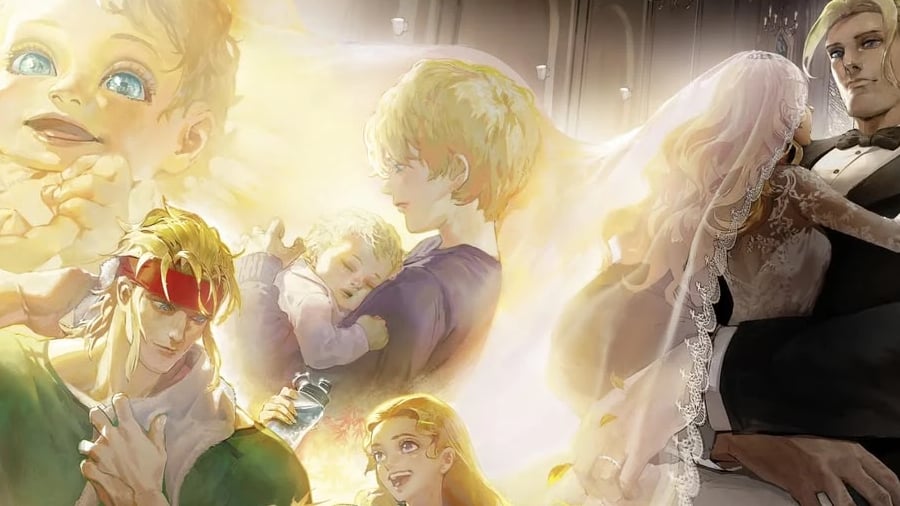
This intriguing assertion opens up a fascinating discussion about character development, the sensitivity of game lore, and the delicate balance game companies must strike when evolving their long-standing franchises. Is this a deliberate "retcon" or simply a natural streamlining of older, less emphasized details? Let's dive deep into the potential reasons behind such a move, the implications for Alex's character, and what it means for the broader Street Fighter universe.
The Enigma of Alex: A Brief Introduction
Alex burst onto the scene in Street Fighter III: New Generation, quickly becoming a fan favorite for his powerful grappling moves, unique aesthetic, and compelling backstory as a young fighter seeking revenge for his mentor. Unlike Ryu or Ken, who had been mainstays since the beginning, Alex offered a fresh perspective and a new face to lead the series into its next generation. His story, deeply intertwined with the enigmatic Gill and the quest for justice, resonated with players. However, as with many characters introduced in the mid-to-late 90s, some of Alex's background details have been subject to various interpretations and, at times, obscurity.
Over the years, Alex has appeared in several other Street Fighter titles, including Street Fighter V, keeping him relevant in the modern era of the franchise. Each appearance offers a chance to either solidify existing lore or introduce subtle changes. It's in these subtle shifts that the community often finds hints of developers' intentions to either embrace or sidestep certain aspects of a character's past.
The Controversial Detail: The "Cousin Sister" Rumor
The core of this speculation revolves around Alex’s alleged marriage to his "cousin sister." This particular piece of lore, if true, comes from an older, potentially less scrutinized era of game development. The term itself, "cousin sister," can be a bit ambiguous, often used in certain cultural contexts to refer to a female cousin, but sometimes implying a closer, more familial relationship that might be considered taboo in many Western societies, particularly if it implies a marital bond. The very idea raises eyebrows and could be a source of discomfort for a global audience.
Where did this detail originate? Often, obscure lore like this can emerge from supplementary materials, older interviews, character profiles that were translated differently, or even fan theories that gained traction. Sometimes, details are included in original Japanese texts that, when translated directly, carry different connotations or social acceptability in other languages and cultures. For instance, in some cultures, marriage between cousins is not uncommon or legally prohibited, while in others, it is heavily frowned upon or outright illegal. For a global franchise like Street Fighter, navigating these cultural nuances is paramount.
If this detail was ever officially part of Alex's backstory, even implicitly, it’s understandable why a modern game developer, aiming for broad appeal and avoiding potential controversy, might wish to downplay or quietly remove it. The gaming landscape has become far more global and culturally sensitive than it was decades ago, and what might have been an innocuous detail then could be problematic now.
For more insights into Alex's canonical background, you might want to check out the unofficial but comprehensive Street Fighter Wiki page on Alex, though be aware that fan wikis often compile information from various sources, some of which may be unconfirmed or outdated.
Why Would Capcom Make Alex's Backstory More Vague?
There are several compelling reasons why a major developer like Capcom might choose to obscure or "retcon" parts of a character's history. These reasons often stem from a blend of creative, commercial, and social considerations.
1. Avoiding Cultural Sensitivity and Controversy
This is perhaps the most obvious reason. In an increasingly globalized world, video games reach audiences across diverse cultures with varied social norms and expectations. A detail like marrying a "cousin sister," regardless of its original intent or cultural context, can be perceived negatively by a significant portion of the player base. Such details can lead to awkward questions, negative publicity, or even hinder a character’s marketability in certain regions. By making Alex's romantic life or familial relationships more vague, Capcom can sidestep potential controversy entirely, ensuring Alex remains a universally appealing character.
2. Modernizing Character Lore
Franchises like Street Fighter have existed for decades, and their lore has been built incrementally over many games, comics, and supplementary materials. Not all older lore stands the test of time or fits seamlessly into contemporary storytelling. Developers often find it necessary to streamline, update, or even discard older elements to create a more cohesive and modern narrative experience. This isn't just about controversial elements; it can also be about simplifying overly complex backstories or removing details that no longer serve the character's current narrative direction.
3. Creative Freedom for Future Narratives
A vague backstory offers developers more flexibility. If Alex's past is not rigidly defined by specific relationships or events, it leaves more room for new story arcs, character interactions, and romantic possibilities without conflicting with established canon. This "clean slate" approach can be beneficial for writers working on future installments, allowing them to craft fresh narratives without being shackled by potentially restrictive or problematic prior lore.
4. Focusing on Core Character Identity
Sometimes, developers decide that certain aspects of a character's backstory are simply not essential to their core identity or their role in the game's overall narrative. Alex, at his heart, is a powerful wrestler seeking justice and challenging strong opponents. Details about his marriage, particularly an unconventional one, might be considered extraneous to his fighting spirit and heroic journey. By de-emphasizing such elements, Capcom can refocus attention on what truly defines Alex as a fighter and a protagonist.
5. Responding to Fan Feedback (Implicitly)
While game companies rarely directly address every fan rumor or piece of obscure lore, they are certainly aware of community discussions. If the "cousin sister" detail has been a recurring point of confusion, awkwardness, or even mild criticism among fans, subtly removing it from the forefront of Alex's characterization could be a quiet way of responding to that feedback without making a grand announcement or apology. This allows the community to gradually move on from the detail without official confirmation or denial.
For more on how game lore evolves, articles like "The Art of the Retcon: How Video Game Stories Change" can provide valuable context on industry practices.
The Broader Implications: Retcons and Reboots in Gaming
The idea of a "retcon" (retroactive continuity) is not new in video games, or in any long-running narrative medium for that matter. Comics, movies, and TV shows frequently alter past events or character details to fit new storylines or reflect changing sensibilities. Capcom itself has a history of refining its narratives across various franchises:
-
Resident Evil: The series has seen numerous reboots and retcons, particularly in its cinematic universe but also within the games, to keep the horror fresh and the Umbrella Corporation's machinations evolving. Details about characters like Albert Wesker or the origins of various viruses have been expanded, tweaked, or sometimes completely overhauled.
-
Devil May Cry: The controversial DmC: Devil May Cry was a complete reboot that radically altered Dante's design and backstory, showcasing a more aggressive approach to changing established lore, though the original series eventually continued its own timeline.
-
Street Fighter's Own Lore: The Street Fighter timeline itself has always been somewhat flexible. Characters' ages, specific motivations, and the exact chronology of events have been adjusted between titles and supplementary materials. For example, the precise nature of Ryu's Satsui no Hado journey or Sagat's redemption arc has been elaborated upon and sometimes re-contextualized over the years.
These examples illustrate that game developers are not afraid to adapt their narratives. The question then becomes: where is the line between natural evolution and a deliberate attempt to erase potentially problematic elements? For many fans, the authenticity of a character's history is crucial to their investment. When lore is changed, it can sometimes alienate long-time followers who feel their established understanding of the universe is being disrespected.
Fan Reactions: A Spectrum of Opinions
How would the Street Fighter community react if it were confirmed that Alex's "cousin sister" lore was being phased out? Fan bases are rarely monolithic, and reactions would likely span a wide spectrum:
-
The Apathetic: Many players are primarily concerned with gameplay mechanics, character balance, and new content. For them, obscure lore details are secondary, and changes might go unnoticed or be deemed insignificant.
-
The Appreciative: Some fans would welcome the change, particularly if they found the original detail uncomfortable or distracting. They might see it as a positive move by Capcom to make the character more accessible and less problematic in a modern context.
-
The Lore Purists: A dedicated segment of the fanbase cherishes every detail of a character's history. For them, any change or omission, especially one perceived as a "retcon" of a long-standing detail (even if obscure), can be frustrating. They might feel that the character's original identity is being diluted or rewritten for commercial purposes.
-
The Debaters: These fans would engage in deep discussions, analyzing the original sources, debating the cultural implications, and speculating on Capcom's exact motives. This could fuel forum discussions and YouTube analyses for weeks.
Ultimately, the impact of such a change depends on its visibility and how it's handled. A quiet omission, as speculated here, would likely generate less uproar than an explicit, official statement confirming the removal of lore. The subtlety of "making the backstory more vague" allows for a graceful exit from potentially tricky territory without directly addressing the issue head-on, which is often a preferred strategy for developers.
The relationship between developers and their communities is often explored in articles discussing game development cycles, such as those found on official developer blogs like Capcom-Unity, where announcements and insights are shared.
The Importance of Character Backstory in Fighting Games
While fighting games are primarily about competitive gameplay, the characters' backstories play a crucial role in drawing players in and keeping them engaged. A compelling narrative provides motivation, depth, and personality, transforming a collection of pixels into a living, breathing entity that players can root for or against. Alex's quest for revenge, his struggle, and his relationships are what make him more than just a moveset.
When elements of a backstory become problematic or outdated, developers face a dilemma: preserve historical accuracy (and potential controversy) or adapt for modern audiences (and risk alienating purists). Striking this balance is incredibly difficult, especially for franchises that span decades and generations of players.
The "vague backstory" approach is a subtle but effective tool in this balancing act. It doesn't deny the past outright but allows for a future where that specific past detail doesn't necessarily dictate the character's present or future narrative. It's a way of moving forward without explicitly rewriting history, letting older lore fade into the background while new, more universally acceptable narratives take center stage.
Navigating Cultural Nuances in Global Game Development
The Alex "cousin sister" rumor also highlights the complexities of developing games for a global audience. What might be acceptable or even common in one culture (e.g., cousin marriage in certain parts of the world) can be seen as highly taboo or even illegal in others. Game developers, particularly those with a massive international reach like Capcom, must be acutely aware of these differences.
Mistranslations or cultural misinterpretations can also contribute to these lore discrepancies. A subtle turn of phrase in Japanese might imply a certain relationship dynamic that, when translated literally into English, carries a different, potentially more controversial, meaning. Over time, as more international teams work on a game, these older, less globally aware details might be flagged for re-evaluation.
This ongoing need for cultural sensitivity extends beyond just character relationships. It encompasses character designs, national representations, historical references, and even specific gestures or symbols within a game. Developers are constantly learning and adapting to ensure their content is inclusive and respectful across all markets.
Further reading on the challenges of localization and cultural adaptation in games can be found on industry news sites like GamesIndustry.biz.
The Future of Alex and Street Fighter Lore
What does this mean for Alex's future in Street Fighter? If Capcom is indeed subtly making his backstory more vague, it suggests a desire for him to remain a relevant and uncontroversial character in upcoming iterations. It paves the way for new story opportunities, perhaps a new romantic interest that is universally acceptable, or simply a focus on his growth as a fighter and his role in the broader Street Fighter narrative without the baggage of older, potentially sensitive lore.
The Street Fighter series continues to evolve, with new characters being introduced and existing ones receiving updates to their designs, movesets, and backstories. Alex has proven to be a resilient character, maintaining his popularity since his debut in Street Fighter III. His presence in more recent titles signifies his importance to the franchise. By gently steering his past away from potentially problematic details, Capcom ensures that Alex can continue to be a strong, aspirational figure for players worldwide.
This subtle approach also respects the intelligence of the fanbase. Instead of a heavy-handed declaration, it's a gradual shift, allowing the community to organically re-evaluate or simply forget older, less prominent details in favor of newer, more emphasized ones. It's a testament to the ongoing, living nature of video game universes.
Conclusion: The Art of Subtle Storytelling
The rumor that Capcom is making Alex’s backstory more vague to distance him from the "cousin sister" detail, while unconfirmed, highlights a fascinating aspect of modern game development. It underscores the challenges of maintaining continuity across decades, the increasing importance of cultural sensitivity in a global market, and the delicate art of character evolution.
Whether a deliberate retcon or simply a natural fading of an obscure detail, such shifts demonstrate how developers adapt to keep their beloved characters relevant and appealing to new generations of players. For Alex, this potential narrative streamlining could mean a smoother path to future adventures, ensuring his legacy as a powerful and beloved fighter continues without being weighed down by potentially awkward past lore. It’s a subtle dance between respecting history and embracing the future, a dance that all long-running franchises must master.
What are your thoughts on character retcons? Do you believe developers should stick rigidly to original lore, or should they adapt for modern audiences? Share your opinions in the comments below!
from Kotaku
-via DynaSage
