
Streamer Promises $10,000 Bounty For Fixing Marvel Vs. Capcom 3‘s Online Multiplayer
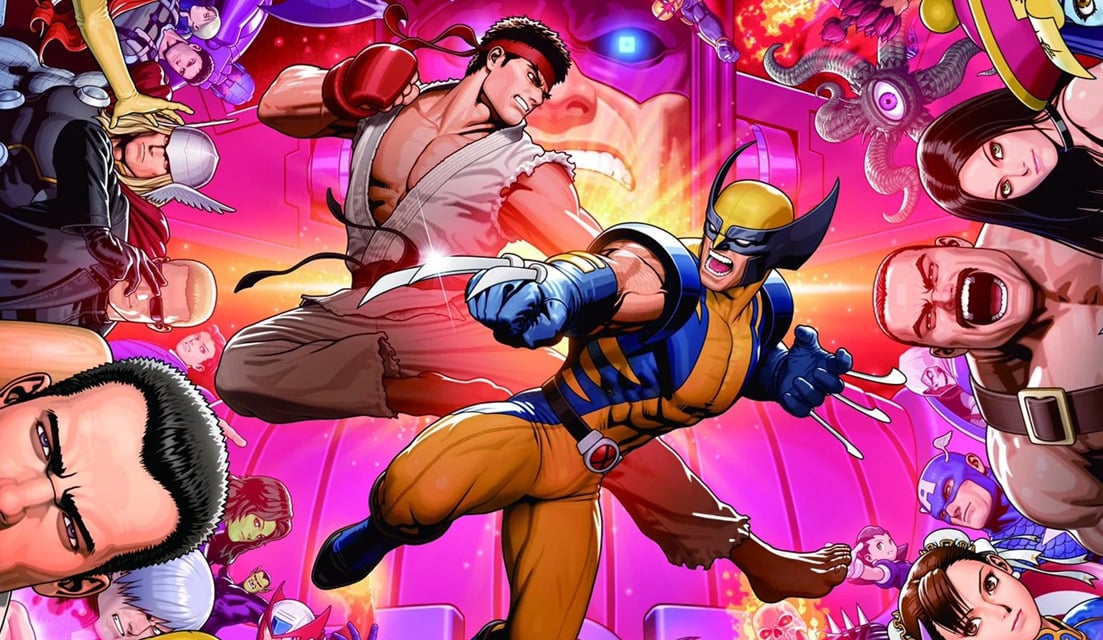
Bringing Marvel vs. Capcom 3 Back Online: A Streamer's Quest for Perfect Play
Imagine a world where your favorite classic fighting game, a title you poured countless hours into, could be played online with the same smooth, responsive feel as if your opponent was sitting right next to you. For many fans of the legendary fighting game, Marvel vs. Capcom 3 (MVC3), this dream has often felt out of reach. The thrill of chaining together incredible combos with your favorite Marvel heroes and Capcom legends is something special, but the online experience for many older games, including MVC3, has been a major stumbling block. Now, a prominent figure in the fighting game community is stepping up, ready to invest significantly to make that dream a reality for MVC3 enthusiasts.
This isn't just about a streamer wanting to play their favorite game; it's about a dedicated community member recognizing a widespread frustration and offering a tangible solution. The commitment to "pony up" — to put up substantial money — highlights the depth of passion within the fighting game community (FGC) for preserving and enhancing the legacy of their beloved titles. It's a testament to how crucial a smooth online experience has become in modern gaming, especially for competitive genres like fighting games where every millisecond counts.
Understanding Marvel vs. Capcom 3: A Legacy of Fights
Before diving into the technicalities of online play, let's appreciate why MVC3 holds such a special place in the hearts of gamers. Released by Capcom, Marvel vs. Capcom 3: Fate of Two Worlds, and its updated version Ultimate Marvel vs. Capcom 3 (UMVC3), brought together an explosive roster of characters from both the Marvel universe and Capcom's iconic franchises. Picture Spider-Man teaming up with Ryu, or Iron Man fighting alongside Dante from Devil May Cry – the possibilities for unique team combinations and spectacular super moves are endless.
The game is famous for its fast-paced, high-octane action, incredibly deep combo mechanics, and a tag-team system that allows players to swap characters mid-fight, creating dynamic and unpredictable matches. MVC3 isn't just a button-mashing brawl; it requires skill, strategy, and quick reflexes. Its competitive scene flourished for years, producing legendary players and unforgettable tournament moments. Even today, despite its age, MVC3 remains a fan favorite, celebrated for its vibrant art style, catchy soundtrack, and most importantly, its sheer fun factor. The game offers a level of creative expression and spectacle that few other fighting games can match, making it a timeless classic.
The Crucial Role of Online Play in Fighting Games
In today's interconnected world, the ability to play against opponents remotely is no longer a luxury but an absolute necessity for fighting games. While local couch co-op will always have its charm, the vast majority of competitive play and casual enjoyment happens online. A robust online mode expands a game's lifespan exponentially, allowing players to find matches anytime, anywhere, and test their skills against a global pool of competitors. It fuels competitive scenes, keeps communities active, and introduces new players to the genre.
For fighting games specifically, a stable and responsive online connection is paramount. Unlike many other genres where a slight delay might be tolerable, fighting games demand precision. Success often hinges on split-second reactions, frame-perfect inputs, and the ability to read your opponent's moves in real-time. Even a fraction of a second of lag can throw off a critical combo, miss a block, or make a crucial counter-attack impossible. When online play is hindered by technical issues, it directly impacts the core gameplay experience, leading to frustration, unfair matches, and ultimately, a dwindling player base.
The Lag Monster: Delay-Based Netcode Explained
To understand why a streamer is willing to invest in improving MVC3's online experience, we need to talk about "netcode." Netcode is the programming that handles how online interactions work between players. For many older fighting games, including MVC3, the standard was "delay-based netcode." This system works by essentially waiting for input from both players before showing the next frame of action. If one player has a slower connection, the game has to wait for their input to arrive, causing a noticeable pause or "lag" for both players.
Think of it like two people trying to clap their hands together simultaneously while standing far apart. If one person's signal takes longer to reach the other, they both have to wait for that slower signal before clapping. This delay can vary depending on the distance between players and the quality of their internet connection. In a fighting game, this translates to characters feeling heavy, inputs not registering instantly, and a general sensation of sluggishness. Matches can become unplayable, turning what should be a test of skill into a battle against unpredictable connection issues. This inherent flaw in delay-based netcode severely limits the enjoyable online experience, especially when playing against opponents who are geographically distant.
The Solution: Rollback Netcode to the Rescue
The modern standard for competitive online fighting games is "rollback netcode." This technology is a game-changer because it tackles lag in a fundamentally different way. Instead of waiting for both players' inputs, rollback netcode tries to predict what each player will do next. The game doesn't pause; it keeps moving forward, assuming players will continue their actions. When the actual input from a player arrives, if the prediction was wrong, the game "rolls back" a few frames, corrects the action, and then instantly "rolls forward" to the current moment. This correction happens so fast that, for players with decent connections, it's often imperceptible.
Imagine our two clappers again, but this time, one person guesses when the other will clap and claps at that predicted time. If the guess was wrong, they quickly adjust their clap. For the observer, it looks like a continuous, smooth action, even if there were tiny, invisible adjustments made. This system prioritizes responsiveness, making the game feel much smoother and more akin to playing offline. Even with some latency, rollback netcode strives to deliver a consistent, lag-free gameplay experience by minimizing perceived input delay. This is why it's considered the gold standard and why its absence is so keenly felt in games like MVC3.
A Streamer's Vision: Investing in the Community
The individual behind this remarkable initiative is a popular fighting game streamer, let's call them "ComboKing Live," a well-known figure revered for their skill, commentary, and deep love for the genre. ComboKing Live's motivation goes beyond mere personal enjoyment; it stems from a profound connection to the MVC3 community and a desire to ensure the game's legacy thrives in the modern era. They've witnessed firsthand the frustration of players struggling with poor online connections and understand that for a competitive game like MVC3, a truly responsive online experience is not just a luxury, but a necessity for its continued relevance.
Their willingness to "pony up" for a rollback netcode implementation is a powerful statement. It signifies a belief that the game is worth investing in, not just for a niche group of fans, but for anyone who wants to experience MVC3 at its best. This kind of grassroots financial commitment from an individual is rare and incredibly impactful. It sets an example for community-driven development and highlights the potential for dedicated fans to directly influence the future of beloved titles. For ComboKing Live, it's about giving back to the community that has supported them, ensuring that a classic game can be enjoyed by a new generation of players and reignite the passion of veterans.
What Does "Ponying Up" Entail? The Practicalities of Funding a Rollback Upgrade
So, what exactly does it mean for a streamer to "pony up" for rollback netcode? This isn't a small undertaking; implementing robust rollback netcode into an existing game, especially an older one, is a complex and expensive endeavor. The funds would likely cover several critical areas:
Firstly, and most importantly, it would involve **hiring experienced developers and engineers** who specialize in netcode and game engine modification. These are highly skilled individuals with expertise in C++, networking protocols, and reverse engineering. Their time and talent come at a premium, with projects like this potentially requiring months, if not years, of dedicated work from a team. The cost for such specialized labor can easily run into hundreds of thousands of dollars, depending on the scope and complexity.
Secondly, there are potential **licensing and legal hurdles**. Modifying a commercial game's code, even for a community benefit, can bump into intellectual property rights. While community-made patches sometimes exist in a legal grey area, a publicly funded, official-level project might require discussions or agreements with Capcom and Marvel. While the streamer might not be directly funding legal fees for rights acquisition, funds might be needed for legal consultation to ensure the project operates within legal boundaries, or to facilitate conversations with the original rights holders, potentially offering them a share of the work or a pathway to official integration. This is a significant challenge for any third-party modification.
Thirdly, there's the **infrastructure and testing phase**. While rollback netcode primarily functions peer-to-peer (P2P), meaning players connect directly to each other, there might be a need for dedicated server infrastructure for matchmaking, lobbies, or even a centralized authentication system, depending on how robust the new online experience aims to be. Beyond development, extensive testing is required. This means paying testers, setting up test environments, and iterating on the netcode until it's stable and performs optimally across various network conditions. This involves significant project management and quality assurance costs.
Finally, there's the possibility of **establishing a long-term support and maintenance fund**. Netcode isn't a "set it and forget it" solution. As internet technologies evolve or if bugs are discovered, ongoing maintenance and updates might be necessary. A portion of the funds could be allocated to ensure the longevity and stability of the rollback implementation, safeguarding the investment for the community for years to come. The financial commitment needed is substantial, truly demonstrating the streamer's dedication.
The Technical Hurdles: Why It's Not So Simple
While the idea of adding rollback netcode to MVC3 sounds fantastic, the reality of implementing it is incredibly complex, especially for a game that wasn't designed with it in mind. This isn't a simple patch; it's a deep dive into the game's core programming. The biggest hurdle is often **access to the game's original source code**. Developers of rollback netcode usually need to understand every single action and state change within the game engine to implement prediction and rollback accurately. Without the original source code, developers must resort to reverse-engineering, which is akin to trying to rebuild a complex machine without blueprints, by only observing its external behavior. This process is painstakingly difficult, time-consuming, and prone to errors.
Furthermore, MVC3 runs on an older version of Capcom's MT Framework engine. **Modifying an existing engine** to incorporate a fundamentally different networking model is a monumental task. The game's internal logic, physics, animation systems, and input handling are all tightly intertwined. Retrofitting rollback requires an intricate understanding of how these systems interact and carefully adjusting them without breaking other aspects of the game. For example, ensuring that character states, projectile positions, and hitboxes are perfectly synced across all players, even after a rollback, is incredibly challenging.
The process demands not only highly specialized **programming expertise** but also a deep knowledge of fighting game mechanics. A developer needs to know not just how to code, but how a fighting game feels, to ensure the rollback implementation maintains the integrity and responsiveness of the original gameplay. This project is a testament to the dedication required, both financially and technically, to breathe new life into a beloved classic. It underscores why such community-driven initiatives are so vital, as publishers often lack the commercial incentive to undertake such costly overhauls for older titles.
Success Stories: Other Games That Got the Rollback Treatment
The hope for MVC3 isn't just a pipe dream; there are numerous examples of older fighting games that have successfully received rollback netcode implementations, either through official patches or dedicated community efforts. These success stories provide a blueprint and a beacon of hope for MVC3 fans. One of the earliest and most impactful examples is **GGPO (Good Game Peace Out)**, a middleware solution developed by Tony Cannon (one of the founders of Evo, the largest fighting game tournament). GGPO allowed classic arcade fighting games to be played online with impressive smoothness, proving the viability of rollback for older titles.
More recently, several commercial fighting games have either launched with robust rollback netcode or received significant updates to incorporate it. Games like **Skullgirls** and the modern versions of **Killer Instinct** are widely praised for their excellent online performance, largely due to their well-implemented rollback. Even established franchises have retrofitted their games; titles such as **Street Fighter V** saw significant improvements to its online play after updates to its netcode, moving towards a more rollback-friendly system. Beyond official patches, the community has played a crucial role. For instance, many older Japanese fighting games have been made playable online through fan-made patches or emulators integrated with rollback, demonstrating the power of collective passion and technical skill. These examples show that it is indeed possible to overcome the technical hurdles and revitalize a game's online experience, greatly extending its competitive life and player engagement.
The Ripple Effect: Revitalizing MVC3's Competitive Scene
The introduction of robust rollback netcode to MVC3 would have a profound "ripple effect" on its entire ecosystem, most notably revitalizing its competitive scene. Currently, much of MVC3's high-level competitive play is confined to offline tournaments, where players can experience the game without the hindrance of online lag. While this provides pure competition, it limits participation to those who can physically attend events. With excellent online netcode, the landscape would dramatically shift.
Firstly, it would **bring players back**. Many veteran MVC3 players who stepped away due to frustrating online experiences would likely return, eager to re-engage with their favorite characters and test their skills. This influx of returning players would inject new energy into the community. Secondly, it would **boost online tournaments and leagues**. Organized online competition could thrive, allowing players from different regions to regularly compete against each other fairly. This accessibility would significantly lower the barrier to entry for aspiring competitors, fostering new talent and creating more engaging storylines for the FGC.
Furthermore, improved online play would lead to an **increase in viewership for streams and events**. Spectators are more likely to watch high-quality matches that aren't marred by lag spikes and disconnections. The excitement of seeing top-tier MVC3 play, executed flawlessly online, would attract a larger audience. Finally, it could **attract new players** to the game. When a classic title offers a modern online experience, it becomes much more appealing to newcomers who might have been intimidated by its age or previous netcode issues. A vibrant online environment is crucial for teaching the game, practicing against various opponents, and truly understanding its depth. In essence, rollback netcode could transform MVC3 from a beloved but often offline-restricted classic into a thriving, accessible competitive powerhouse once again.
The Community's Role: More Than Just Spectators
While the streamer's financial commitment is a monumental step, the success of a rollback netcode project for MVC3 will ultimately depend on the collective strength and engagement of the entire community. This isn't just a one-person show; it's a collaborative endeavor where every fan can play a part. The community's role extends far beyond mere spectatorship and involves several crucial aspects.
Firstly, **spreading awareness and generating hype** is vital. By sharing news about the initiative, discussing its potential impact, and encouraging others to get involved, fans can create a groundswell of support. This buzz can attract more skilled developers, potential collaborators, and even inspire other content creators or players to contribute in various ways. Secondly, once development is underway, **active participation in testing and feedback** will be indispensable. Developers will need a large pool of players across different regions and network conditions to rigorously test the new netcode, identify bugs, and provide constructive feedback. This iterative process is critical for refining the implementation and ensuring it performs optimally for everyone.
Moreover, while the streamer is "ponying up," there might be opportunities for **crowdfunding or supplementary financial support**. If the project scales beyond initial estimates, or if there's a desire to add extra features or long-term maintenance, a community crowdfunding campaign could provide additional resources. Even small contributions, when pooled together, can make a significant difference. Beyond monetary contributions, fans can also contribute their **skills and expertise**. This could include graphic design for promotional materials, video editing for updates, moderation of community channels, or even legal advice if individuals within the community possess such professional backgrounds. The power of collective action, fueled by shared passion, is often what turns ambitious dreams into tangible realities within the gaming world. For MVC3, a strong, engaged community is the ultimate key to unlocking its full online potential.
Looking Ahead: A Brighter Future for Classic Fighting Games
The initiative to bring advanced rollback netcode to Marvel vs. Capcom 3 represents more than just an upgrade for a single game; it symbolizes a broader movement towards preserving and enhancing the playability of classic fighting games. This effort could very well be a blueprint for other beloved titles from the past that currently suffer from outdated online infrastructure. Imagine a future where any classic fighting game, regardless of its age, could be brought up to modern online standards, allowing new generations to experience these masterpieces as they were meant to be played, without the frustration of lag.
This "rollback revolution" for older games ensures that gaming history is not only preserved but actively enjoyed. It allows for the continued growth of competitive scenes, fosters deeper community engagement, and introduces these foundational titles to players who might otherwise never experience them. The investment by a popular streamer into MVC3's online experience is a powerful demonstration of how passion, dedication, and community spirit can drive technological advancements that benefit everyone. It shines a light on the potential for fans to directly influence the longevity and accessibility of the games they cherish most. This forward-thinking approach promises a brighter, more connected future for the entire fighting game genre, celebrating its rich past while embracing the best of modern technology.
Conclusion
The journey to transform Marvel vs. Capcom 3's online experience from a frustrating lag-fest into a seamless, competitive arena is an ambitious one. But with a dedicated streamer willing to "pony up" significant resources, this dream moves closer to reality. It's a powerful statement about the enduring appeal of MVC3 and the unbreakable spirit of its community. By understanding the pitfalls of delay-based netcode and embracing the superior technology of rollback, we can unlock MVC3's true potential, ensuring that its spectacular battles and deep mechanics can be enjoyed by players worldwide with the responsiveness they deserve.
This initiative isn't just an upgrade; it's an act of love for a classic game and its passionate fanbase. It highlights how community-driven efforts can push boundaries and breathe new life into beloved titles, securing their place in gaming history for years to come. The prospect of a revitalized MVC3 online scene is incredibly exciting, promising countless hours of thrilling, lag-free competition and a renewed sense of community connection. The future for MVC3, thanks to this extraordinary commitment, looks incredibly bright.
from Kotaku
-via DynaSage
