
State Of Decay 3 Trailer Was Basically Fake As Dev Dashes Fan Hopes For Zombie Deer
The Hype Trap: When Game Trailers Show Games That Aren't Really There Yet
Think back to 2020. It was a big year for gaming, especially with new consoles like the Xbox Series X and PlayStation 5 on the horizon. Everyone was excited to see what amazing new games would be coming out. During one of those big Xbox events, a trailer was shown that got many people talking. It was a "hype video" for a game that was only a concept at the time – a game that, frankly, didn't even exist in a playable form yet.
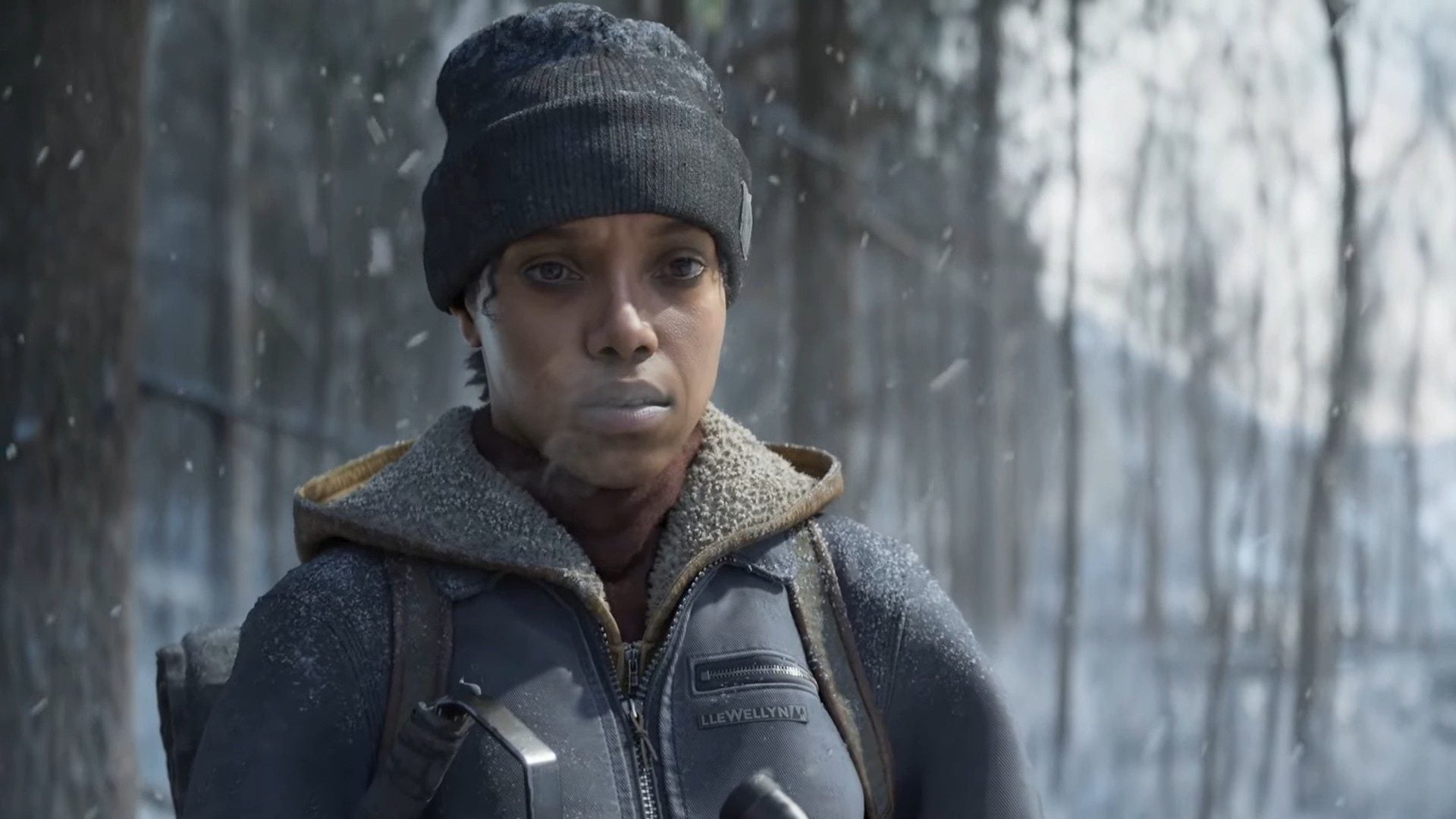
The image itself, of a woman standing in the cold hunting a deer, gave us a glimpse into this potential new world. It spoke of survival, harsh environments, and perhaps a deep, engaging story. The name suggested, "State of XDEA," even sounded like it belonged in a grand, open-world adventure. But as captivating as that trailer was, it revealed a common problem in the gaming world: the practice of showing off games that are still very much dreams rather than fully developed realities. This practice, while good for building excitement, can often lead to big disappointment down the road.
Why Do Companies Show Games So Early? The Reasons Behind the Hype
It might seem strange to show a game that's not ready. Why create expectations for something that could change a lot or even get canceled? The truth is, there are several good business reasons why game publishers and developers take this risk.
Getting Money and Investors
Making a big video game costs a lot of money – sometimes hundreds of millions of dollars. An early trailer, even if it's just a fancy video, can be a powerful tool to convince investors to put money into the project. It shows them the exciting vision and market potential, making the game seem like a good investment before much actual development has begun. It's like selling the dream before building the house.
Creating Buzz and Seeing What People Like
Hype is essential in the gaming industry. A great trailer can make people talk about a game everywhere – on social media, gaming websites, and among friends. This buzz is incredibly valuable. It helps companies understand what players are excited about, which parts of the game idea resonate most, and who their audience might be. This early feedback, even if based on a concept, can help shape the game as it develops.
Attracting Talented People
Finding skilled game developers, artists, and writers is tough because everyone wants the best. A visually stunning concept trailer can be a strong way to attract top talent. It shows off the grand vision of the project, making it seem like an exciting place to work on something groundbreaking. Developers often want to be part of big, innovative projects, and a good trailer can make a game look very appealing.
Setting a Goal for the Development Team
Inside the studio, a high-quality concept trailer can help everyone on the team understand and focus on the shared vision. It gives them a clear goal, a visual target for what the finished game could be. This can be a huge motivator, especially during the long and often difficult process of making a modern game. It helps everyone keep their eyes on the prize, even when the path to get there is unclear.
The Downside of Hype: When Dreams Don't Come True
While showing games early has benefits, it also carries big risks. When a game is shown before it truly exists, it builds expectations that can be very hard to meet. When the actual game comes out, it often struggles to live up to the amazing cinematic trailer people saw years earlier.
Player Disappointment and Broken Trust
The biggest problem with misleading trailers is that players get disappointed. Fans get emotionally invested in these early visions, imagining what the game will be like. When the final game doesn't look as good, play as well, or have all the promised features, players feel let down. This leads to negative reviews, angry comments, and, most importantly, a breakdown of trust between the game company and its fans. It's very hard to earn that trust back.
"Vaporware": Games That Never Come Out
Even worse than a disappointing game is one that never gets released at all. The term "vaporware" describes products that are announced but never actually make it to market. In gaming, some early concept trailers showcase projects that are eventually canceled because of big problems during development, running out of money, creative disagreements, or other unexpected issues. When this happens, all the initial excitement turns into frustration and makes players wonder why they were shown something that would never see the light of day.
Developer Stress and Unrealistic Goals
Internally, a super-ambitious trailer can put huge pressure on the people making the game. The visuals in a cinematic trailer are often much better than what can be achieved in a real-time game, especially early in development. This can force developers to work extremely long hours, known as "crunch," trying to make the game match the impossible standards set by the marketing team. This not only hurts the developers but can also lead to games that are rushed, full of bugs, or not as good creatively.
Blast from the Past: Famous "Hype Trailers" That Fooled Us
The story of our hypothetical 2020 Xbox trailer isn't new. The history of video games is full of examples where trailers promised more than the final game could deliver. These stories remind us of the potential problems:
- Killzone 2 (2005 E3 Trailer): This PlayStation 3 trailer wowed everyone with its amazing graphics and intense action. Later, the developers admitted it was a "target render" – basically, what they hoped the game would look like, not actual gameplay. While Killzone 2 was a good game, it never quite matched the visuals of that first trailer.
- Watch Dogs (2012 E3 Trailer): Ubisoft's reveal of Watch Dogs was incredible, showing off stunning graphics and cool hacking gameplay. But the game that came out two years later looked noticeably worse, especially on older consoles, leading to a lot of complaints about misleading marketing.
- Aliens: Colonial Marines (2011 E3 Trailer): This game had one of the biggest differences between its promotions and the final product. The E3 demo looked great, but the released game was full of bugs, had terrible enemy AI, and much worse graphics. Some even called it a lie.
- Cyberpunk 2077 (Early Trailers and Demos): Many of CD Projekt Red's trailers for Cyberpunk 2077 showed actual gameplay. However, the way they were presented, especially concerning how the game would run on older PlayStation 4 and Xbox One consoles, was very misleading. The game launched in a notoriously broken state on these older systems, causing huge anger and damaging the studio's reputation.
These examples show how tricky it is to balance exciting promises with what's actually possible. Gamers have become much smarter and more critical of cinematic trailers that don't show real gameplay.
What "State of XDEA" Could Have Been – A Deeper Look
Let's go back to our imagined "State of XDEA" trailer and the woman hunting a deer in the cold. What kind of game was this trailer trying to make us dream about? And what does its fate as a "non-existent" game tell us?
What the Game's Style and Setting Implied
The image instantly brings to mind an open-world survival game. "A woman stands in the cold hunting a deer" tells us a lot:
- Survival: The "cold" suggests environmental challenges like managing body temperature, finding shelter, and staying warm. Hunting "deer" points to gathering resources, finding food, and possibly crafting.
- Open World: The vast wilderness hints at huge areas to explore, full of both beauty and danger.
- Strong Character: A single "woman" as the main character suggests a compelling story, perhaps focused on her personal journey, strength, or a backstory in a harsh world.
- Realism: Hunting a deer often means realistic tracking, being stealthy, and having a strong connection to nature.
Games That Might Have Inspired "XDEA"
Based on these ideas, "XDEA" could have been inspired by games like:
- Red Dead Redemption 2: Famous for its incredibly detailed open world, realistic hunting, survival elements, and great story set in a wild, historical landscape. The "XDEA" name itself sounds very similar to "Red Dead."
- The Last of Us Part II: Features a strong female main character, tough survival against enemies and the environment, and a very emotional, movie-like story.
- Horizon Zero Dawn / Forbidden West: Combines huge open worlds with hunting (of robot creatures), exploration, and a deep, character-focused story, also with a strong female lead.
- Valheim or Rust: These games, though different in scale, highlight the core fun of crafting, building, and surviving in a dangerous natural world.
What Kind of Gameplay We Could Have Expected
If this game had actually been developed beyond a concept, we might have seen features such as:
- Advanced Hunting: Requiring players to understand animal behavior, use stealth, manage scent, and choose the right weapons.
- Dynamic Weather: Where cold, snow, rain, and heat directly affect the character and their chances of survival.
- Resource Management: For making tools, weapons, clothes, and shelter, all found or created from the environment.
- A Deep Story: Exploring themes of being alone, humanity's place in nature, resilience, and perhaps a post-apocalyptic or ruined world.
- Moral Choices: Decisions that impact who the protagonist teams up with, how resources are shared, and how they interact with other survivors.
The fact that such an exciting vision was presented as a "game that didn't even sort of exist yet" makes it a perfect example of how the industry tends to dream big and market even bigger. Sometimes, this happens without the actual development being able to keep up. It reminds us that a captivating idea can remain just that – an idea – if the team can't turn that grand vision into a playable game.
Your Role as a Player: How to Handle Game Hype
While game companies need to be honest, players also have a part to play in dealing with hype. Being a bit skeptical can save you from a lot of disappointment.
Always Look for Real Gameplay
The most important rule for watching game trailers should be: "Is this actual gameplay?" Fancy cinematic videos are great for setting the mood, but they don't show you how the game will actually play or look when you're holding the controller. Always try to find raw, unedited gameplay footage before getting too excited or pre-ordering.
Understand Terms Like "Target Renders"
Even phrases like "in-engine footage" can be tricky. While technically created by the game's engine, these often show very specific, controlled scenes that might not be possible during regular gameplay. A "target render" is even less real, showing only what the developers *hope* to achieve, not what they *have*.
Check Many Reviews and Sources
Before a game comes out, pay attention to previews from trusted gaming journalists who have actually played it. After it's released, read many reviews from different sources, especially those that focus on the platform you plan to play on, as game performance can be very different across systems.
Think Twice Before You Pre-Order
Pre-ordering has become a hot topic. While it sometimes comes with small bonuses, it basically means you're paying for a product you haven't seen fully yet. Waiting for reviews and actual player feedback after the game launches is almost always the smarter choice. The fear of missing out (FOMO) is a strong marketing tactic, but being patient usually works out better.
The Future of Game Marketing: A More Honest Approach
The gaming industry is slowly learning from past mistakes. We're seeing a shift towards more open and realistic marketing, partly because players have pushed back and partly because how games are made and sold is changing.
"Developer Diaries" and Behind-the-Scenes Looks
Many game studios now release "developer diaries" or "behind-the-scenes" videos. These show real progress, discuss challenges, and introduce the team members. This creates a sense of openness and allows players to follow the game's development more closely, building a relationship based on understanding rather than just pure hype.
Early Access and Open Betas
The rise of early access programs and open betas allows players to try out unfinished versions of games. This gives valuable feedback to developers and offers players a realistic look at what's coming. While these still have their own problems, they give a much clearer picture of a game's state than a pre-rendered trailer.
Showing Real Gameplay
Big gaming events are now more often featuring longer gameplay demonstrations, often with developers talking about what's happening live. This is a positive step towards showing real game systems and mechanics rather than just fancy cinematic scenes.
Building Trust is Key
Ultimately, a game studio's most important asset is the trust of its audience. Consistently releasing games that live up to their promises, and being honest about problems during development, builds a loyal fanbase. On the other hand, repeatedly using misleading marketing can severely damage a brand's reputation, making it much harder to attract players for future games.
Conclusion: Let's Demand Realism in Gaming Dreams
The 2020 Xbox reveal trailer for a game like "State of XDEA," with its captivating image of a woman hunting in a cold wilderness, perfectly shows the gaming industry's ongoing struggle with hype. It represents the huge dreams of creators, their desire to push technology and art, and the strong hope of players for amazing new experiences.
However, it also serves as a strong reminder that a beautiful dream in a trailer is not the same as a working, fun game. The line between ambition and misleading advertising can be very thin, and crossing it has big consequences – from disappointed players and ruined reputations to the complete cancellation of promising projects. As players, we need to balance our excitement with a healthy dose of doubt, always looking for actual gameplay over fancy movie-like scenes.
For game developers and publishers, the lesson is clear: while having big dreams is good, being open and realistic in marketing is most important. Creating an environment of honest communication about a game's true status, rather than showing a "game that didn't even sort of exist yet," is the best way to build lasting trust and deliver truly memorable gaming experiences.
Let the "State of XDEA" be a warning story – a beautiful idea that briefly captured our attention, but one that highlights the need for games to exist not just in trailers, but in a real, playable form.
from Kotaku
-via DynaSage
