
Some iPhone Apps Receive Mysterious Update 'From Apple'
Mysterious App Store Updates: When Apple Steps In
In the ever-evolving world of mobile technology, updates are a constant. We're used to seeing new versions of our favorite apps arrive with lists of bug fixes, performance improvements, and exciting new features. Developers tirelessly work to refine their creations, pushing out these updates through the App Store. However, a recent and rather peculiar trend has emerged, sparking curiosity and speculation among users and developers alike: Apple itself appears to be quietly pushing out updates for third-party applications, often with very little explanation.
The Anomaly: "This Update From Apple"
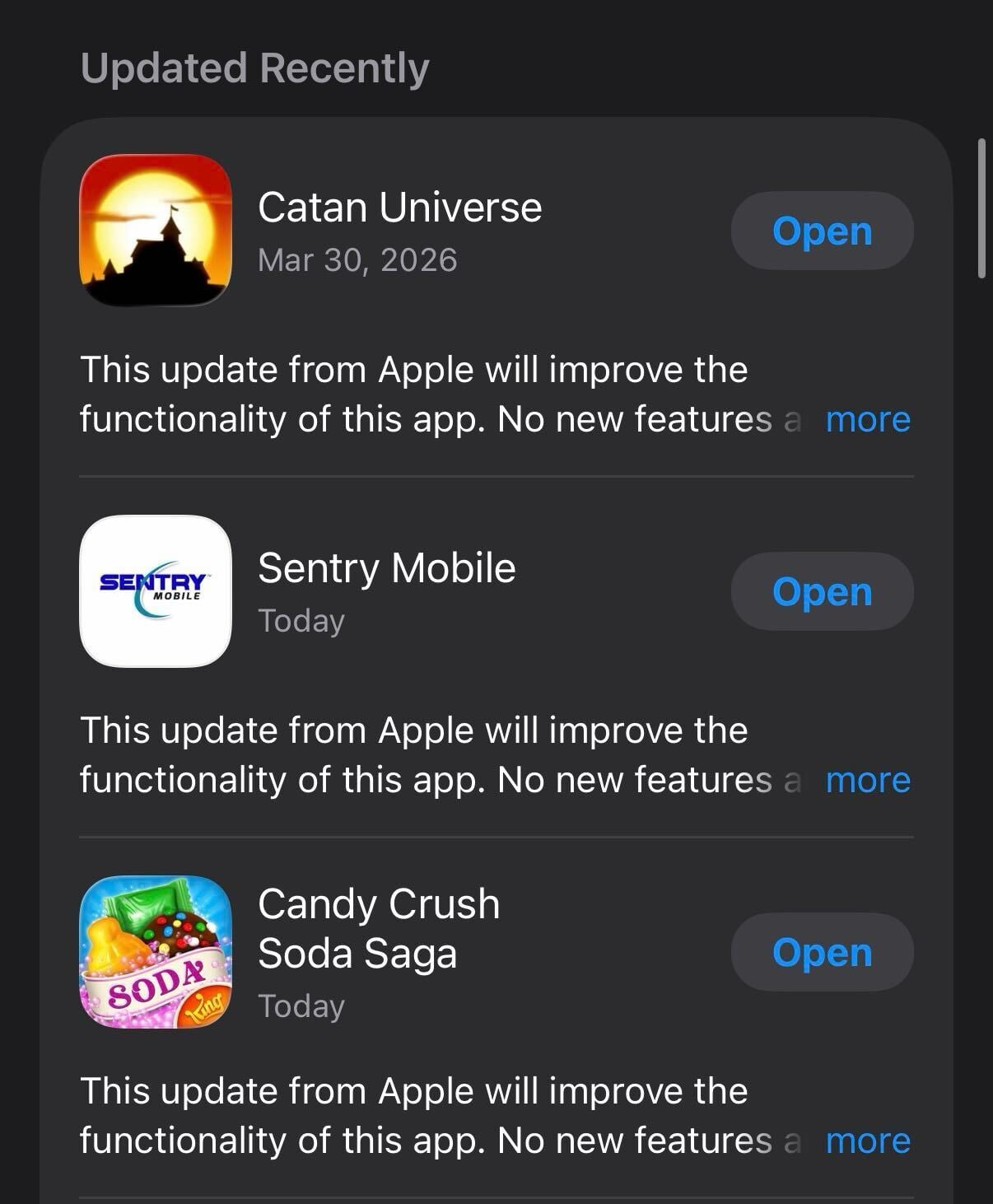
Over the past week, numerous iPhone and iPad users have noticed a new kind of update note appearing on the App Store. Instead of the usual developer-written descriptions, a concise and somewhat enigmatic message pops up: "This update from Apple will improve the functionality of this app. No new features are included." This simple sentence has raised more questions than answers. Why is Apple directly updating third-party apps? What "functionality" is being improved, and why are developers seemingly not involved in these particular patches?
The list of affected applications is surprisingly diverse, spanning various categories and developers. Popular titles like Candy Crush Soda Saga, utility apps such as Sentry Mobile and Bluetti, complex games like Catan Universe and Mortal Kombat, and even essential tools like Duet Display and VLC have been cited as receiving these mysterious Apple-driven updates. The breadth of these apps suggests that this isn't an isolated incident targeting a specific type of application or developer, but rather a broader initiative by Apple.
Unpacking the Mystery: What Could Be Happening?
The core of the intrigue lies in the lack of transparency. When an update arrives with a developer's name attached, we usually get a changelog detailing the improvements. With Apple stepping in, the details are kept under wraps. This has led to a flurry of theories and discussions within the developer community and among tech enthusiasts.
1. Security Patches and Vulnerability Mitigation
One of the most compelling theories revolves around security. Apple maintains a rigorous security posture for its ecosystem, and vulnerabilities can emerge not just in individual apps, but also in the underlying frameworks and technologies that many apps rely on. If a critical security flaw were discovered in an iOS framework, a common library, or even a system component that third-party apps interact with, Apple might choose to push out a silent patch. This approach would allow them to swiftly mitigate risks across a vast number of applications without waiting for each developer to issue their own update, which could take days or weeks. This proactive measure would safeguard user data and device integrity, prioritizing security above all else. Given Apple's historical emphasis on user privacy and security, this hypothesis holds significant weight.
2. Performance Optimizations and Compatibility Fixes
Another strong possibility is that these updates are aimed at improving performance or ensuring compatibility with newer versions of iOS or iPadOS, or even with new hardware. As Apple releases new iPhones, iPads, and operating system updates, certain older apps might not perform optimally or might encounter subtle compatibility issues. Rather than placing the burden entirely on developers to recompile and resubmit their apps, Apple could be implementing runtime optimizations or minor adjustments at the OS level. These changes could make apps run smoother, consume less power, or simply avoid crashes on newer systems. For instance, an update might optimize how an app uses system resources on a new chip or adjust how it handles memory management without altering the app's core code or features.
3. Addressing Developer Inactivity or Lagging Updates
In the vast landscape of the App Store, some applications are no longer actively maintained by their original developers. Others might be slow to adapt to new guidelines or address minor issues. If an inactive app becomes problematic (e.g., due to a minor bug affecting the user experience or a slight compliance issue), Apple might intervene to ensure a baseline level of functionality. This wouldn't be about adding new features but ensuring the app continues to operate as expected, or at least without significant issues, for users who rely on it. This could be particularly relevant for apps that haven't received updates in a long time, as observed by some users.
4. Underlying Framework or SDK Updates
Many apps are built using shared frameworks, software development kits (SDKs), or common libraries provided by Apple. It's plausible that these "updates from Apple" are not changing the specific code written by the app developer but rather updating or adjusting the underlying components that the app relies on. For example, if a bug is found in Apple's Metal graphics API or a core UIKit component, Apple might deploy a fix that transparently applies to all apps utilizing that component. This would explain why MacRumors couldn't find any direct code changes within the app itself, as the modification might be happening at a deeper system level, effectively patching the environment in which the app runs.
5. App Store Integrity and Compliance
Apple maintains strict guidelines for app submission and behavior on its App Store. These updates could be a mechanism for Apple to subtly enforce certain compliance standards or address minor violations that don't warrant removal but require adjustment. This might involve changes related to tracking, privacy prompts, or other operational aspects that are sensitive but don't alter the app's core user-facing features. It’s a way for Apple to maintain a consistent and secure experience for all users within its ecosystem.
The Technical Nuance: How Could Apple Do This?
For many, the idea of Apple updating third-party apps without developer intervention sounds almost impossible. However, within a tightly controlled ecosystem like iOS, there are several ways Apple could achieve this:
- Runtime Patches: Apple could be pushing dynamic libraries or patches that are loaded when an app launches, overriding or modifying certain behaviors without altering the app's static code. This is a powerful mechanism used in many operating systems.
- OS-Level Interventions: The operating system itself could be configured to interpret or execute certain app instructions differently, especially for known apps, effectively patching them at a system level.
- Server-Side Configurations: For apps that communicate with Apple's services (like Game Center, iCloud, or even push notifications), certain behaviors could be adjusted server-side, influencing the app's functionality without a direct client-side update.
- Web Content Caching: For apps that heavily rely on embedded web views or display dynamic web content, Apple could be intervening with content delivery networks or caching mechanisms to inject fixes or optimizations.
The fact that a developer on Reddit reported seeing Apple insert this text into an update that had the same version number and content as a prior update is particularly telling. This suggests that Apple isn't necessarily creating a *new* app bundle from scratch, but rather modifying the metadata or the underlying runtime environment associated with an existing app version, making it appear as a new "update" to the end-user.
User Perspective: Benefits and Concerns
For the average user, these silent updates could be a mixed bag:
- Benefits:
- Improved Stability and Security: Users might unknowingly benefit from a more secure and stable app experience, without having to wait for developers to issue specific fixes. This is especially valuable for critical security vulnerabilities.
- Seamless Experience: Apps might simply work better, faster, or more reliably without the user needing to take any action or even understand what changed.
- Extended App Lifespan: Apps from less active developers could continue to function well on newer iOS versions, preserving their utility.
- Concerns:
- Lack of Transparency: The primary concern is the absence of detailed information. Users generally prefer to know what changes are being made to the software they use.
- Trust and Control: Some users might feel a sense of unease that Apple can modify third-party applications without explicit developer or detailed user consent/notification, potentially blurring the lines of control.
- Unforeseen Side Effects: While unlikely for subtle "functionality" improvements, any change carries a minuscule risk of introducing new bugs, which could be harder to diagnose without knowing the source of the change.
Developer Perspective: A Double-Edged Sword
For developers, these mysterious updates present an intriguing situation:
- Potential Relief: For small teams or solo developers, having Apple silently patch critical issues or optimize their apps for new OS versions could be a huge relief, freeing up their time to focus on new features.
- Loss of Control: The flip side is a potential feeling of losing control over their own product. Developers might prefer to be the sole arbiters of what changes are made to their apps.
- Debugging Challenges: If a new bug emerges after one of these Apple-driven updates, it could be incredibly difficult for developers to diagnose, as they wouldn't have direct insight into what changes Apple made. This could lead to frustration and wasted resources.
- App Store Policy Implications: This practice might raise questions about the broader App Store review process and the level of intervention Apple is willing to undertake.
Historical Precedent and Apple's Ecosystem
While this particular wording and direct intervention seem new, Apple has a history of making behind-the-scenes adjustments to its ecosystem. For instance, security patches are often rolled out rapidly, and sometimes system-level changes can affect how apps behave. Apple also has mechanisms to "kill switch" apps or features if they pose a severe security risk. This new approach could be seen as a more granular and proactive extension of these existing security and stability measures.
The App Store is a curated marketplace, and Apple takes its role as gatekeeper seriously. Ensuring that apps are secure, performant, and compliant is part of that responsibility. These updates could be a new tool in Apple's arsenal to maintain a high standard across the entire App Store, especially as the number of applications and the complexity of iOS continues to grow.
What This Means for the Future
If these "updates from Apple" become a more regular occurrence, it could signal a shift in how Apple manages the App Store ecosystem. It might indicate a more proactive stance on maintaining app quality, security, and compatibility, even for applications developed by third parties. This could lead to a more stable and secure experience for users, but it also underscores the significant control Apple wields over its platform.
For developers, it might necessitate closer communication with Apple or at least an awareness that their apps could be subject to these types of interventions. While the immediate impact seems to be non-feature-related "functionality" improvements, the scope of what "functionality" might entail in the future remains to be seen.
How to Stay Informed (as much as possible)
While the details of these particular updates remain sparse, users can generally keep an eye on their App Store update queue. The distinctive message, "This update from Apple will improve the functionality of this app. No new features are included," is the key indicator of such an intervention. Unfortunately, beyond this message, detailed changelogs are not provided directly to the user. For developers, engaging with Apple's developer forums and staying updated on official announcements would be crucial for understanding any broader policy shifts related to this practice.
Conclusion: A Glimpse into Apple's Hidden Hand
The mysterious "updates from Apple" represent a fascinating development in the Apple ecosystem. They highlight the company's continuous efforts to ensure the security, stability, and performance of its devices and the apps running on them. While the lack of detailed information can be frustrating, especially for developers and curious users, it's likely a calculated decision by Apple to swiftly address underlying issues without causing confusion or requiring widespread developer action.
Whether these updates are primarily for security, performance, or compatibility, they underscore Apple's commitment to maintaining a robust and user-friendly platform. As the App Store continues to grow and evolve, these behind-the-scenes interventions might become an increasingly common, albeit silent, part of keeping our digital lives running smoothly. The conversation around transparency and control will undoubtedly continue, but for now, we can simply observe Apple's subtle yet significant influence on the apps we use every day.
This article, "Some iPhone Apps Receive Mysterious Update 'From Apple'" first appeared on MacRumors.com
Discuss this article in our forums
from MacRumors
-via DynaSage
