
Scientology Runs Are Going Viral On TikTok
The "Scientology Speedrun": Unpacking TikTok's Latest Viral Challenge
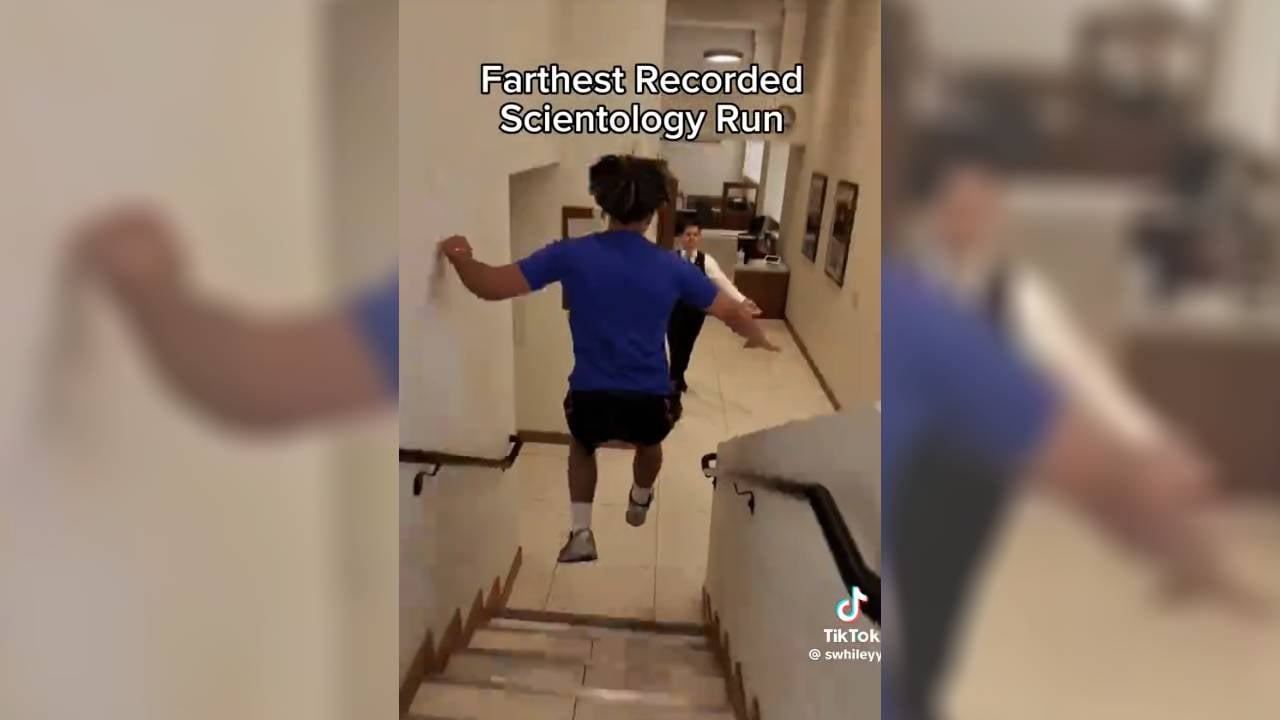
The digital world never sleeps, constantly churning out new trends and challenges that capture the attention of millions. From dance routines to creative stunts, TikTok, in particular, has become a hotbed for viral content. Recently, a peculiar and potentially risky trend has emerged, dubbed the "Scientology Speedrun." This challenge sees TikTokkers attempting to gain entry into and navigate as deep as possible within a Church of Scientology center, all while trying to evade security or staff detection. It’s a strange blend of urban exploration, internet bravado, and a testing of boundaries that raises numerous questions about online culture, real-world implications, and personal responsibility.
What Exactly is a "Scientology Speedrun"?
At its core, the "Scientology Speedrun" is a modern adaptation of the "urban exploration" or "infiltration" genre, but with a competitive twist borrowed from video gaming. In the gaming world, a "speedrun" involves completing a game or a specific segment of it as quickly as possible. Applied to real life, particularly a sensitive location like a Church of Scientology building, it means attempting to enter and navigate through the facility for as long as possible or as deeply as possible without being detected or confronted by staff or security personnel. Participants often record their attempts, either live-streaming or uploading edited clips, showcasing their journey, any encounters, and ultimately, how far they managed to get before being asked to leave or otherwise stopped.
The motivation behind such a challenge is multifaceted. For many, it's about the thrill of breaking perceived rules and the excitement of exploring a place often shrouded in mystery. The competitive element, striving to outperform others in terms of "depth" or "time spent undetected," fuels the trend. Crucially, the desire for viral fame plays a significant role. A successful, entertaining, or even confrontational "speedrun" video has the potential to garner millions of views, likes, and shares, translating into internet notoriety for the creator. This digital reward system incentivizes participants to push boundaries further, seeking out more challenging or controversial targets.
This trend is not isolated; it draws parallels to other viral challenges that involve public places or institutions. We’ve seen similar trends involving schools, shopping malls after hours, or even government buildings, though often less organized and without the "speedrun" moniker. The difference here lies in the specific target: Scientology centers, which often carry a unique public perception that makes them an appealing, albeit risky, subject for such a challenge.
The Allure of the "Forbidden": Why Scientology Centers?
To understand why Church of Scientology centers specifically became the target of this "speedrun" challenge, one must consider the public perception surrounding the organization. Scientology has long been a subject of intense media scrutiny, public debate, and often, speculation. This has led to a widespread perception of the Church as being highly secretive, enigmatic, and possessing advanced security measures. Whether these perceptions are accurate or not, they contribute to an aura of mystery that makes its facilities an intriguing target for those looking to test boundaries and explore the "forbidden."
The idea of infiltrating a "secret" or "heavily guarded" place holds a powerful allure for content creators seeking to generate buzz. Many Church of Scientology buildings, particularly their larger "Ideal Org" facilities, are often prominent structures in major cities, designed with modern architecture and a visible, yet often quiet, presence. While many of these centers have public information displays, visitor centers, and open doors for those interested in learning more, the prevailing narrative in certain parts of the media and internet culture often paints a different picture, one of exclusivity and closely monitored access. This contrast between official openness and perceived secrecy creates the perfect environment for a challenge that exploits curiosity and a desire to reveal what is thought to be hidden.
Furthermore, the Church of Scientology has a history of being a subject of various protests, exposés, and documentaries, which has amplified public interest and, in some cases, skepticism. For content creators looking to tap into existing public discourse and generate controversy for views, a challenge involving Scientology is almost guaranteed to spark interest and debate, thus boosting engagement on platforms like TikTok. The element of risk, both perceived and real, further enhances the appeal, as it provides a narrative of daring and defiance that resonates with a segment of the online audience.
TikTok Challenges and the Pursuit of Viral Fame
TikTok’s algorithm is a master at identifying and amplifying trends, making it an incredibly powerful platform for challenges to go viral globally in a matter of hours. The "For You Page" (FYP) customizes content for each user, meaning that if a few people engage with a particular type of video, similar content will be pushed to more and more users, creating a rapid snowball effect. This dynamic fuels the constant creation and escalation of challenges, as creators vie for attention in a highly competitive digital landscape.
The spectrum of TikTok challenges is vast. On one end, you have harmless dance challenges, creative filters, or positive educational content. On the other end, there are trends that cross ethical lines, encourage dangerous behavior, or involve illegal activities. The "Scientology Speedrun" falls into the latter category, blurring the lines between curiosity, harmless exploration, and potentially illegal trespassing. The pressure to participate in viral trends is immense, especially for younger users and aspiring influencers who see it as a direct pathway to digital stardom. The metrics of success—views, likes, comments, and follower counts—become powerful motivators, sometimes overshadowing concerns about safety, legality, or ethical conduct.
This constant pursuit of viral fame has significant implications for how individuals interact with the real world. Online trends are no longer confined to screens; they often translate into offline actions, sometimes with serious consequences. The digital realm, with its anonymity and perceived distance, can embolden individuals to take risks they might not otherwise consider. The instant gratification of viral success can override rational judgment, leading to situations that put participants, and even those around them, at risk.
Risks and Real-World Consequences of a "Speedrun"
While the "Scientology Speedrun" might seem like a harmless prank or an adventurous exploration to some, it carries significant real-world risks and potential legal consequences for those who participate. It's crucial for anyone considering such a challenge to understand these implications before attempting to "speedrun" any private property, let alone a religious institution.
Legal Ramifications: Trespassing and Beyond
The most immediate legal risk is trespassing. Entering private property without permission, or remaining on property after being asked to leave, is illegal in most jurisdictions. While the exact severity of the offense varies by location, it can range from a misdemeanor charge with fines to potential arrest and even jail time, especially if there's damage to property or a history of similar offenses. Religious institutions, like any private entity, have the right to protect their property and maintain security. Ignoring "No Trespassing" signs, attempting to bypass security, or refusing to leave when confronted can elevate the charge and the penalties associated with it.
Furthermore, depending on the nature of the entry and any actions taken inside, participants could face additional charges such as disorderly conduct, harassment, or even breaking and entering if force is used to gain entry. Filming inside private property without explicit consent, especially if it includes individuals who have not agreed to be filmed, could also open up other legal avenues related to privacy violations.
Personal Safety and Confrontation
Beyond legal issues, there are significant personal safety risks. Security personnel at any institution, including Scientology centers, are trained to protect the premises and those within it. Attempting to evade them or being perceived as a threat can lead to confrontations that might escalate. Participants could be physically restrained, detained, or face other forms of forceful intervention. These situations can be unpredictable and dangerous, potentially leading to injuries for either the "speedrunner" or the security staff.
Additionally, entering an unfamiliar building, particularly one that might have restricted areas or internal protocols, can pose risks of accidental injury. Navigating through dark corridors, accessing areas that are not publicly maintained, or encountering unexpected obstacles could result in falls, cuts, or other physical harm. The thrill of the challenge might overshadow the practical dangers of navigating an unknown environment without proper authorization or guidance.
Ethical and Reputational Damage
Even if legal or physical harm is avoided, participating in such challenges raises significant ethical concerns. Intentionally attempting to bypass security and disrupt the operations of a religious or private institution can be seen as disrespectful and a form of harassment. It infringes upon the right of an organization and its members to conduct their activities peacefully and privately. Such actions can create a sense of fear or vulnerability for staff and congregants, undermining the safety and sanctity of their space.
From a personal standpoint, getting caught attempting a "Scientology Speedrun" could have lasting reputational damage. While a viral video might bring temporary fame, a criminal record or public association with disrespectful and illegal behavior can negatively impact future opportunities, such as employment or educational pursuits. The digital footprint created by such an attempt is permanent and can follow an individual for years, shaping public perception of them.
Scientology Centers: Security and Public Engagement
It's important to understand that most religious institutions, including the Church of Scientology, have a balance between public accessibility and the need for security. Many Scientology centers, especially the larger ones, are designed to be modern community hubs. They often feature public information displays, auditoriums for events, and spaces for courses. They welcome visitors who are genuinely interested in learning about Scientology, offering tours and information sessions. This public-facing aspect is a common outreach strategy for many faith traditions.
However, like any private property or organization, they also have areas that are not accessible to the general public, such as administrative offices, private study areas, or residential quarters for staff. Security measures, whether overt or covert, are in place to manage access, ensure the safety of staff and members, and protect the property from unauthorized entry or disruption. These measures are standard practice for many large organizations, not just religious ones. The difference between a welcomed visitor engaging with the institution and someone attempting a "speedrun" is critical. One respects the boundaries and invitations of the organization, while the other intentionally seeks to breach them, often with ulterior motives related to online content creation rather than genuine inquiry.
A Call for Responsibility in Digital Culture
The "Scientology Speedrun" trend is a stark reminder of the challenges and responsibilities that come with modern digital culture. While the internet offers incredible avenues for creativity, connection, and expression, it also presents temptations for reckless behavior driven by the pursuit of viral fame. It's imperative for content creators and viewers alike to exercise critical thinking and responsibility.
Before participating in or promoting any online challenge, individuals should ask themselves several questions: Is this challenge safe for me and others? Is it legal? Does it respect the boundaries and rights of other individuals or institutions? What are the potential long-term consequences of my actions, beyond the immediate gratification of views or likes? Prioritizing safety, legality, and ethical conduct over fleeting internet popularity is a crucial step towards fostering a healthier online environment.
Platforms like TikTok also bear a significant responsibility. While they offer unprecedented opportunities for content creators, they must also actively moderate and educate their user base about the dangers of certain trends. Clear guidelines, swift action against harmful content, and campaigns promoting responsible online behavior are essential to mitigate the risks associated with viral challenges. Encouraging creativity that is positive, respectful, and safe should be a cornerstone of any social media platform's mission.
Ultimately, the "Scientology Speedrun" highlights a broader cultural phenomenon: the blurring lines between online entertainment and real-world impact. While the allure of the "forbidden" and the pursuit of viral fame can be powerful motivators, it’s essential to remember that real-world actions have real-world consequences. Respect for private property, understanding of legal boundaries, and empathy for others' spaces and beliefs are fundamental principles that should guide our behavior, both online and offline. Let's aim to use the incredible power of social media to inspire positive change and creativity, rather than encouraging risky and disrespectful stunts.
Conclusion
The "Scientology Speedrun" on TikTok encapsulates a complex intersection of internet culture, curiosity, and real-world risk. What begins as an attempt to garner viral views can quickly escalate into legal trouble, personal danger, and ethical dilemmas. While the appeal of exploring the "forbidden" and achieving internet fame is undeniable, it's paramount that participants consider the full spectrum of consequences before engaging in such challenges. Promoting responsible digital citizenship, prioritizing safety and legality, and fostering a culture of respect are crucial steps towards ensuring that online trends contribute positively to society, rather than leading individuals down a path of unnecessary risk and potential harm.
from Kotaku
-via DynaSage
