
Pokémon Champions Rushes To Address Buggy Launch: ‘We Sincerely Apologize’
Champions Arena on Nintendo Switch: A Rocky Launch Riddled with Bugs and Limitations
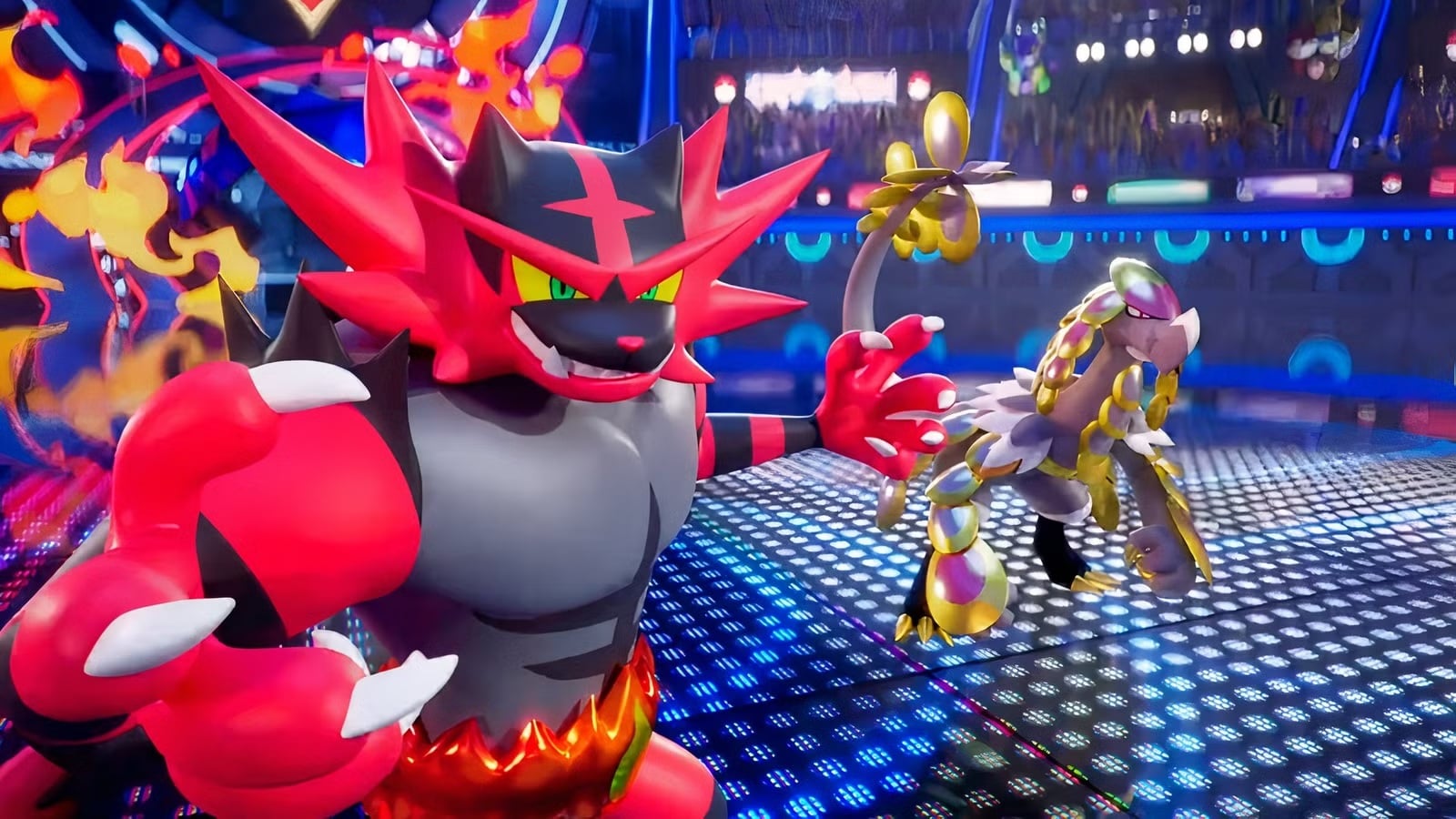
The highly anticipated battle simulator, "Champions Arena," made its debut on the Nintendo Switch, promising an exciting and portable competitive gaming experience. Fans eagerly awaited the chance to take their favorite champions into fierce battles anytime, anywhere. However, the launch has unfortunately been met with a wave of player disappointment, largely due to a host of weird bugs and frustrating limitations that have significantly hampered the overall gameplay experience. This article delves into the various issues plaguing the game's Switch version, explores the community's reaction, and discusses the challenges faced by developers when bringing complex titles to the unique hardware of the Nintendo Switch.
A Cascade of Weird Bugs Plaguing Champions Arena
From the moment players booted up Champions Arena on their Switch consoles, many encountered a series of unexpected and often game-breaking bugs. These glitches range from minor visual annoyances to complete system crashes, turning what should be a thrilling battle into a frustrating ordeal. The sheer variety of these issues suggests a rushed launch or insufficient testing for the Switch port.
Visual and Audio Anomalies
One of the most immediate problems noted by players involves the game's presentation. Graphical glitches are rampant; textures frequently fail to load properly, leaving character models and environments looking blurry or entirely unrendered. Instances of character models T-posing (standing in a default, unrigged pose) during crucial animations have been reported, breaking immersion completely. Furthermore, frame rate drops are incredibly common, especially during intense battles with multiple champions and effects on screen. This can turn fast-paced action into a sluggish slideshow, making precise timing and strategic movement nearly impossible. Read more about optimizing Switch game performance.
Audio issues also contribute to the chaotic experience. Some players report missing sound effects for abilities or attacks, while others describe looping audio tracks that persist long after the in-game event has passed. In a battle simulator where auditory cues are often vital for quick reactions, these bugs actively detract from competitive play. The absence of crucial sound effects can lead to misjudgments, leaving players feeling disoriented and at a disadvantage.
Gameplay and System Stability Bugs
Beyond the surface-level issues, Champions Arena on Switch suffers from more severe gameplay bugs. Collision detection problems are a recurring complaint, with attacks sometimes phasing through opponents or characters getting stuck on invisible environmental obstacles. Champion abilities occasionally misfire or fail to register entirely, leading to unfair losses in competitive matches. The user interface (UI) itself isn't immune, with menu selections sometimes failing to respond or displaying incorrect information.
Perhaps the most concerning issues are those related to system stability. Numerous players have reported frequent game crashes, forcing them to restart their Switch console or lose progress in ongoing matches. Save file corruption has also been a devastating blow for some, erasing hours of progress and hard-earned unlocks. These stability issues highlight fundamental problems with the game's optimization on the platform, leading to a deeply unreliable gaming experience that actively discourages continued play.
Frustrating Limitations Hampering the Experience
Apart from the bugs, Champions Arena on Nintendo Switch also contends with a set of limitations that make it feel like a compromised version of the game available on other platforms. These limitations stem partly from the Switch's hardware capabilities but also from apparent design and implementation choices during the porting process.
Performance Compromises and Visual Downgrades
While some frame rate drops are due to bugs, a consistent low frame rate is also a fundamental limitation of the Switch version. The game often struggles to maintain a stable 30 frames per second, let alone the smoother 60fps common on other consoles. This impacts the responsiveness of controls and the overall feel of combat. Similarly, the resolution is noticeably lower, especially in handheld mode, leading to blurrier visuals and less detailed environments. While some graphical downgrades are expected for a Switch port, the extent to which Champions Arena has been scaled back feels significant, compromising the visual spectacle that defines a good battle simulator.
Limited Content and Features
Many players were disheartened to discover that the Switch version of Champions Arena launched with less content compared to its counterparts on other platforms. Whether it's fewer playable champions, a smaller selection of maps, or a reduced number of game modes, the feeling of missing out is palpable. Beyond content, the game also lacks several quality-of-life features that players have come to expect. Basic functionalities like robust online matchmaking options, custom game settings, or even a spectator mode for watching friends play are either absent or poorly implemented, diminishing the depth and replayability of the experience. Discover common missing features in Switch game ports.
Subpar Online Experience and Controls
For a competitive battle simulator, a stable and reliable online experience is paramount. Unfortunately, Champions Arena on Switch falls short in this critical area. Players frequently encounter severe lag, connection drops, and desynchronization issues during online matches, making competitive play frustratingly inconsistent. The netcode appears to be underdeveloped, struggling to provide a smooth experience even with a strong internet connection.
Controls, too, have been a point of contention. While the Switch's Joy-Cons offer unique flexibility, the default control mapping for Champions Arena has been described as clunky and unresponsive by many. Essential actions might be mapped to awkward button combinations, and the input lag can make precise movements and ability activations feel delayed. This is particularly problematic in a genre that demands quick reflexes and accurate inputs. The impact of Joy-Con drift, a known issue with the hardware, only exacerbates these control problems for some users.
The Community's Frustrated Roar: Reactions and Feedback
The launch of Champions Arena on Nintendo Switch has ignited a passionate, albeit largely negative, reaction from the gaming community. Initial excitement, fueled by trailers and the promise of portable competitive gaming, quickly turned into widespread disappointment as players encountered the game's myriad issues.
From Hype to Heartbreak
Before release, social media platforms like Twitter and Reddit were buzzing with anticipation. Fans speculated about their main champions, discussed strategies, and eagerly awaited the countdown. However, soon after launch, these platforms became a hub for complaints. Threads titled "Is anyone else experiencing X bug?" or "Why does the Switch version run so badly?" quickly rose to the top of gaming subreddits. Player reviews on e-commerce sites and gaming forums painted a bleak picture, with many recommending others to wait for significant patches or avoid the Switch version altogether.
"I was so excited to play this on my commute," wrote one Reddit user, "but it crashes every other match. What a waste of money." Another chimed in, "The frame rate is unbearable. It feels like I'm playing in slow motion, even when nothing much is happening on screen. How did this pass quality assurance?" These sentiments are echoed across the internet, indicating a widespread consensus that the game was simply not ready for release on the platform.
Impact on the Competitive Scene and Player Base
The poor state of the Switch port has also had a detrimental effect on the potential competitive scene for Champions Arena. Competitive players, who rely on stable performance and fair play, have largely steered clear of the Switch version, opting for more reliable experiences on other platforms. This fragmenting of the player base could hinder the game's long-term viability on the Switch, as fewer active players mean longer queue times and a less vibrant community.
The trust between players and developers is also at stake. When a highly anticipated game launches in such a rough state, it can lead to skepticism regarding future releases and ports from the same studio. Many players feel that their loyalty has been taken for granted, and that the Switch version was released prematurely to capitalize on the holiday season or general hype, without sufficient care for the player experience.
Developer Challenges: Why Switch Ports Struggle
While player frustration is understandable, it's also important to acknowledge the significant challenges developers face when bringing graphically intensive or complex games to the Nintendo Switch. The Switch's unique hybrid nature and custom hardware architecture present a different set of hurdles compared to PC or more powerful home consoles.
Optimizing for Unique Hardware
The Nintendo Switch, while revolutionary in its portability, is less powerful than its contemporaries like the PlayStation 5 or Xbox Series X. Its Tegra X1 chip requires significant optimization efforts to run modern games smoothly. Developers often need to make tough choices regarding graphical fidelity, texture quality, draw distances, and frame rates to ensure the game is playable. For a battle simulator like Champions Arena, which often features dynamic effects, multiple characters, and fast-paced action, balancing these elements without crippling performance is a monumental task.
Moreover, developing for both docked and handheld modes adds another layer of complexity. Games need to perform adequately on a large TV screen at a higher resolution (even if upscaled) and also on a smaller 720p handheld screen, potentially with different performance targets. This dual-mode optimization can introduce bugs and performance inconsistencies if not handled meticulously. Explore the technical challenges of Switch game development.
Testing and Quality Assurance (QA) Hurdles
The sheer number of bugs reported in Champions Arena on Switch suggests that the testing and quality assurance phase might have been inadequate. Porting a game often involves rewriting significant portions of code or adapting existing systems, which can introduce new bugs that were not present in the original version. Comprehensive testing on various Switch models (standard, Lite, OLED), different network conditions, and diverse player inputs is crucial but resource-intensive.
It's possible that the development team underestimated the time and resources required for proper QA on the Switch, leading to a build that was pushed out before it was truly ready. Deadlines, financial pressures, and the desire to meet launch windows can sometimes override the need for perfection, leading to imperfect releases like this one.
Looking Ahead: Potential Solutions and Future Hopes
Despite the rough launch, there is always hope for improvement. Many games have turned their fortunes around post-launch with dedicated developer support and consistent updates. For Champions Arena on Switch, the path forward will undoubtedly involve several critical steps.
Aggressive Patching and Bug Fixes
The most immediate and crucial action for the developers is to release frequent and substantial patches addressing the reported bugs. Prioritizing game-breaking issues like crashes, save corruption, and major performance dips is essential. Clear communication from the development team regarding their roadmap for bug fixes and improvements will also go a long way in rebuilding player trust. Players want to know that their feedback is being heard and that active steps are being taken to rectify the situation.
These patches need to target not just the visual glitches and audio anomalies but also the underlying causes of frame rate instability and online connectivity issues. A stable foundation is necessary before any additional content or features can be meaningfully added to the Switch version.
Optimization and Performance Overhauls
Beyond bug fixes, a significant optimization pass is likely required to improve the overall performance. This might involve deep dives into the game's engine to better utilize the Switch's CPU and GPU, potentially requiring compromises on certain graphical elements but resulting in a much smoother gameplay experience. Achieving a consistent frame rate, even if it's 30fps, will drastically improve the playability and enjoyment for players. The goal should be to make the game feel responsive and consistent, regardless of visual fidelity.
Content Parity and Feature Integration
Over the long term, developers should aim to bring the Switch version of Champions Arena up to par with its counterparts on other platforms in terms of content and features. Adding missing champions, maps, game modes, and quality-of-life options like custom matches or improved matchmaking will help to make the Switch version feel like a complete experience rather than a watered-down port. Engaging with the community to understand which features are most desired can guide these future updates.
Providing a robust online experience should also be a priority. Investing in better netcode, more stable servers, and clearer communication around online service status can transform the competitive landscape for Switch players. The portability of the Switch makes it an ideal platform for quick online skirmishes, but only if the underlying infrastructure can support it reliably.
Why the Nintendo Switch Remains an Appealing Platform for Battle Simulators
Despite the current struggles of Champions Arena, the Nintendo Switch remains an incredibly attractive platform for battle simulators and competitive games. Its unique selling points continue to draw in both players and developers.
The Power of Portability
The primary allure of the Switch is its hybrid nature. The ability to seamlessly switch between playing on a TV and taking the game on the go is unmatched. For a battle simulator, this means players can hone their skills during a commute, challenge friends in person with local multiplayer, or jump into quick online matches from anywhere with Wi-Fi. This versatility opens up new avenues for how and where people engage with competitive titles, differentiating it significantly from solely home console experiences.
A Massive and Dedicated Player Base
The Nintendo Switch boasts a massive global install base, comprised of millions of dedicated gamers. This large audience presents a significant opportunity for developers to reach new players who might not own other gaming consoles. A well-executed port on the Switch can tap into this market, expanding the overall player community for a game like Champions Arena. The enthusiasm of Switch owners for new, engaging titles is undeniable, making it a valuable target platform.
Unique Gameplay Opportunities
Beyond portability, the Switch offers unique gameplay opportunities through its Joy-Con controllers. While the current implementation in Champions Arena has been criticized, there's potential for creative control schemes, motion controls, or even local split-screen multiplayer setups that leverage the detachable controllers. These possibilities, when executed well, can add a distinctive flavor to the game that isn't possible on other platforms, offering fresh ways to interact with the battle simulator genre.
Conclusion: A Call for Redemption
The launch of Champions Arena on Nintendo Switch has undoubtedly been a challenging one, marked by a litany of weird bugs and frustrating limitations. From severe frame rate drops and graphical glitches to game-crashing errors and a subpar online experience, the current state of the game has left many players feeling let down. The community's passionate feedback highlights a clear desire for a polished, functional version of the battle simulator on their favorite portable console.
However, the story is not over. The potential for Champions Arena on the Switch remains immense, driven by the platform's unique portability, vast player base, and the inherent appeal of its competitive gameplay. It is now up to the developers to listen to player feedback, prioritize aggressive patching, and commit to thorough optimization efforts. With dedication and transparent communication, the game could still overcome its rocky start and evolve into the thrilling, stable, and truly portable battle simulator that Nintendo Switch owners were promised. Until then, players will be watching closely, hoping for the redemption story that this promising title deserves.
from Kotaku
-via DynaSage
