
Overwatch Reveals The Anran Redesign Fans Begged For
Unpacking Character Design: When Siblings Don't Quite Match – The Anran, Kiriko, and Juno Phenomenon
In the vast and ever-evolving world of video games, character design plays a pivotal role in how players connect with the narrative, the universe, and the heroes (or villains) that populate them. A well-crafted character transcends mere pixels, becoming an icon, a relatable figure, or a formidable adversary. But what happens when the visual identity of a character, especially one with established familial ties, takes an unexpected turn? This is precisely the intriguing dilemma we observe with characters like Anran, whose aesthetic seems to align more closely with figures such as Kiriko and Juno than with her own brother, Wuyang. This disparity opens a fascinating discussion about artistic choices, narrative implications, and the delicate balance between family resemblance and individual identity within a game's overarching design philosophy.
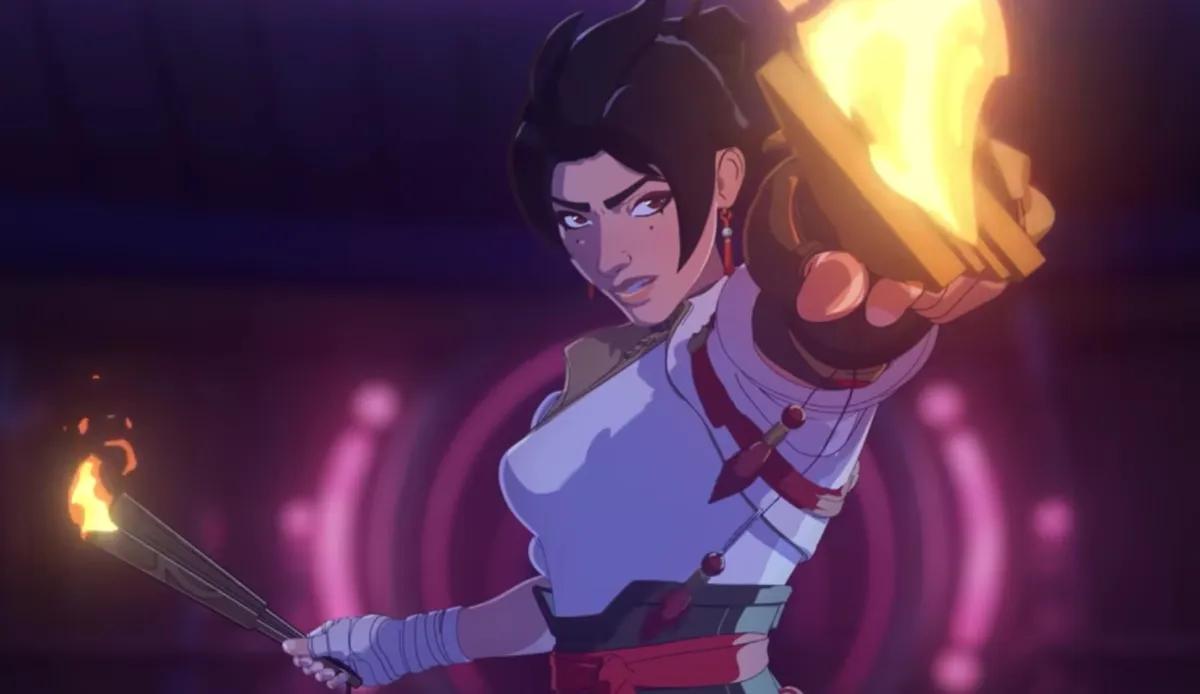
The initial impression of a character can dictate a player's engagement from the very first glance. When we look at Anran, as depicted in the image below, her design immediately conjures a specific aura, one that resonates with the sleek, perhaps technologically advanced yet spiritually grounded, aesthetics seen in popular titles. The visual cues, from her posture to her implied attire, suggest a character with agility, grace, and possibly a mystical or futuristic combat style. This powerful first impression is key to player engagement and immersion, drawing us into her story before a single line of dialogue is spoken.
The Art of Visual Storytelling: Anran's Distinctive Look
Anran's character design immediately stands out, evoking comparisons to established figures like Kiriko from Overwatch and, hypothetically, Juno. Kiriko, a beloved support hero, is known for her striking blend of traditional Japanese miko aesthetics with modern urban ninja flair. Her design emphasizes fluidity, spiritual connection, and combat readiness. Similarly, if we imagine Juno as another character with a distinct, perhaps ethereal or futuristic appearance, Anran seems to share this common visual language. This suggests Anran belongs to a lineage of characters designed to be both powerful and visually captivating, often characterized by intricate detailing, dynamic silhouettes, and a strong sense of purpose conveyed through their appearance.
The decision to design Anran in this vein is not arbitrary. Developers often use visual cues to communicate a character's role, personality, and background. For instance, flowing garments might suggest a magical user, while sleek armor hints at a warrior. Anran's look likely reflects her specific abilities or narrative arc within her game's universe. This visual storytelling is a cornerstone of effective game character development, allowing players to intuit aspects of a character's nature before they delve deep into their lore. It's about creating an immediate, impactful impression that resonates with popular archetypes while maintaining unique elements.
Why the Comparison to Kiriko and Juno Matters
Comparing Anran to Kiriko is particularly telling because Kiriko’s design successfully marries distinct cultural elements with contemporary fantasy-sci-fi tropes. This fusion results in a character that feels both ancient and modern, familiar yet unique. If Anran evokes a similar feeling, it suggests her game aims for a similar blend, creating a character that is visually complex and multifaceted. The "Juno" comparison, whether to an existing character or a design archetype, further solidifies this idea of Anran belonging to a school of design that prioritizes elegance, power, and perhaps an otherworldly or highly specialized presence. These comparisons aren't just about superficial resemblance but about the underlying design philosophies.
The impact of such design choices extends beyond mere aesthetics. Characters like Kiriko have garnered massive fan followings, partly due to their compelling visual appeal which is then reinforced by their gameplay mechanics and lore. For Anran to be mentioned in the same breath implies her design carries a similar weight and potential for player connection. This immediate association helps to frame player expectations, setting the stage for what kind of abilities, personality, and story beats Anran might possess. It speaks to a certain level of craftsmanship and artistic direction that players have come to expect from high-quality character designs in modern gaming.
The Curious Case of Sibling Discrepancy: Where Does Wuyang Fit?
The true intrigue arises when we consider Anran's brother, Wuyang. The statement that Anran looks "more like Kiriko and Juno than her brother Wuyang" suggests a significant visual divergence. In many fictional narratives, siblings are often depicted with at least some shared physical traits – a similar eye shape, hair color, or general build that hints at their common parentage. This isn't always the case in reality, nor does it have to be in fiction, but within a curated world like a video game, such discrepancies often hold narrative weight. The absence of a strong visual link between Anran and Wuyang begs the question: why?
There are several artistic and narrative reasons why game developers might choose to design siblings with markedly different appearances. One possibility is to highlight their individual paths and roles within the story. Perhaps Anran and Wuyang have been separated for a long time, leading them to different environments or training that has shaped their physical forms and attire. Anran's sleek, perhaps mystical design might reflect her alignment with certain ancient arts or advanced technology, while Wuyang's appearance could lean towards a more rugged, grounded, or even entirely different thematic style. This differentiation can be a powerful tool for visual storytelling, immediately conveying that their journeys or factions differ significantly.
Narrative Implications of Visual Divergence
Consider a scenario where Wuyang is a burly warrior, clad in heavy armor, reflecting a life of physical combat and perhaps a more traditional martial background. In contrast, Anran, with her agile and perhaps more magically inclined design, could represent a different school of thought or a more refined, specialized fighting style. This visual contrast immediately tells a story: despite being siblings, their paths have diverged dramatically. Such a design choice can deepen the lore, suggesting different upbringings, mentors, or even divergent destinies tied to opposing forces within the game's universe. It creates a compelling tension that players naturally want to explore.
Another narrative explanation for the lack of resemblance could involve the complexities of their family history. Perhaps Anran and Wuyang are half-siblings, or one of them was adopted into the family, a common trope used to introduce diverse character designs and backstories. Alternatively, magical influences, genetic mutations, or even distinct cultural influences during their formative years could explain their differing looks. These are all legitimate ways to create visual diversity while maintaining a familial bond, enriching the game’s narrative tapestry. The visual disconnect then becomes a prompt for players to delve deeper into the lore, asking "Why do they look so different?" This is a powerful narrative hook, making the game's lore more engaging.
Character Design Philosophies: Unity vs. Individuality
The decision to make Anran look distinct from Wuyang touches upon fundamental character design philosophies. Some games opt for a cohesive family aesthetic, where siblings clearly share genetic markers, reinforcing their bloodline and unified background. Other games prioritize individual identity, ensuring each character, regardless of family ties, possesses a unique silhouette and thematic design that speaks to their personal journey and role. Both approaches have their merits, and the choice often depends on the overall artistic vision and the story the developers wish to tell.
In many cases, even when siblings are visually distinct, designers subtly weave in common elements – a shared facial feature when viewed closely, a similar motif in their differing outfits, or a consistent color palette across their designs. This allows for both individuality and a sense of shared origin. If Anran and Wuyang lack even these subtle connections, it suggests a more deliberate choice to emphasize their differences, perhaps to underscore a conflict or a profound separation in their narratives. This is where character silhouette design becomes crucial, ensuring each character is recognizable purely by their outline, regardless of shared heritage.
The Impact on Player Perception
Players often have inherent expectations about character relationships, especially siblings. When those expectations are subverted, it can provoke curiosity, speculation, and even debate within the community. The "Anran looks more like Kiriko than Wuyang" observation is a perfect example of this. It prompts players to analyze the visual evidence, compare it to other characters they know, and then try to piece together the narrative implications. This active engagement is invaluable for a game, as it fosters deeper investment and encourages players to discuss and theorize, extending the game's reach beyond its core gameplay.
Furthermore, a diverse cast of characters, even within a single family, can be a strength. It allows for a broader appeal, catering to different aesthetic preferences and character archetypes. If every character within a family unit looked overtly similar, it could lead to visual monotony. By creating distinct designs for Anran and Wuyang, the game offers two unique visual experiences, potentially appealing to a wider range of players who might connect with one design more than the other. This strategic differentiation helps to enrich the overall character roster and prevent the feeling of repetitive designs.
The Role of Game Art Direction and Style
The overarching art direction of a game heavily influences individual character designs. If a game features a highly stylized, fantastical, or futuristic aesthetic, there might be more leeway for character designs to diverge from conventional human genetics. For instance, in games with strong magical elements or advanced biotech, character appearances can be shaped by more than just heredity. Anran's resemblance to Kiriko suggests a similar art style – one that might be anime-inspired, high-fantasy, or a blend of modern and traditional elements, allowing for expressive and sometimes exaggerated features.
Conversely, if Wuyang's design is starkly different, it might indicate that he belongs to a different faction within the same world, or represents a different cultural or technological path. For example, if Anran embodies sleek, high-tech elegance, Wuyang might represent rugged, ancient traditions, or vice versa. The game's art director would carefully orchestrate these differences to ensure they serve the narrative and world-building without feeling jarring or inconsistent within the established stylistic boundaries of the game. This careful balancing act is where the true artistry of game development shines, creating a world that feels both diverse and coherent.
Cultural and Thematic Influences
Character designs are often infused with cultural and thematic influences. Kiriko, for instance, draws heavily from Japanese folklore and culture, lending her design a distinct identity. If Anran shares this quality, it suggests her design also pulls from rich thematic wellsprings. Perhaps Anran and Wuyang represent different aspects of a shared cultural heritage, or perhaps one has embraced an outside culture, leading to their divergent appearances. This allows the game to explore broader themes of identity, tradition, and change through its character designs.
Furthermore, the "archetype" a character embodies plays a huge role. Anran might be designed as a swift, elegant protector, while Wuyang could be a stoic, powerful defender. These archetypes often come with their own visual language and can override strict familial resemblances. The important thing is that these visual differences are intentional and contribute meaningfully to the character's persona and their place in the game's universe. It’s about ensuring that every design choice, from the color palette to the weapon design, reinforces the character’s core identity and their role within the grander narrative.
The Future of Character Design and Player Expectations
As game development continues to push boundaries, so too do player expectations regarding character design and storytelling. Players today are highly attuned to visual details and appreciate designs that are both aesthetically pleasing and narratively rich. The discussion around Anran and Wuyang highlights this growing sophistication. It's no longer enough for characters to simply exist; they must tell a story through their very appearance, engaging players on multiple levels.
The ongoing dialogue around characters like Anran, Kiriko, and Wuyang serves as a testament to the power of character design in fostering community and driving narrative curiosity. It encourages developers to be thoughtful and deliberate in their creative choices, knowing that every detail can spark discussion and deepen player immersion. Whether the visual disparity between Anran and Wuyang is a deliberate narrative hint or simply an artistic choice to ensure individual distinctiveness, it undoubtedly adds another layer of intrigue to the game they inhabit, making their world feel more alive and complex.
Ultimately, Anran’s design, drawing parallels to beloved characters like Kiriko and Juno, positions her as a potentially iconic figure. The contrast with her brother Wuyang only heightens this interest, creating a compelling mystery that players will undoubtedly seek to unravel as they dive deeper into their game's world and lore. It’s a powerful example of how a few words and a single image can spark a rich discussion about the intricate art and science behind bringing digital heroes to life. We eagerly anticipate learning more about Anran's journey and the secrets behind her striking appearance and her relationship with Wuyang. For more insights into character development, visit our game development blog.
from Kotaku
-via DynaSage
