
OLED iPad Mini: Release Date, Pricing, and What to Expect
According to the latest buzz, Apple is getting ready to launch its next small tablet, the iPad mini. Many people are wondering what new features we can expect from this successor to the iPad mini 7, which was released more than a year ago. Let's dive into the details and explore all the exciting possibilities.
Processor and Performance
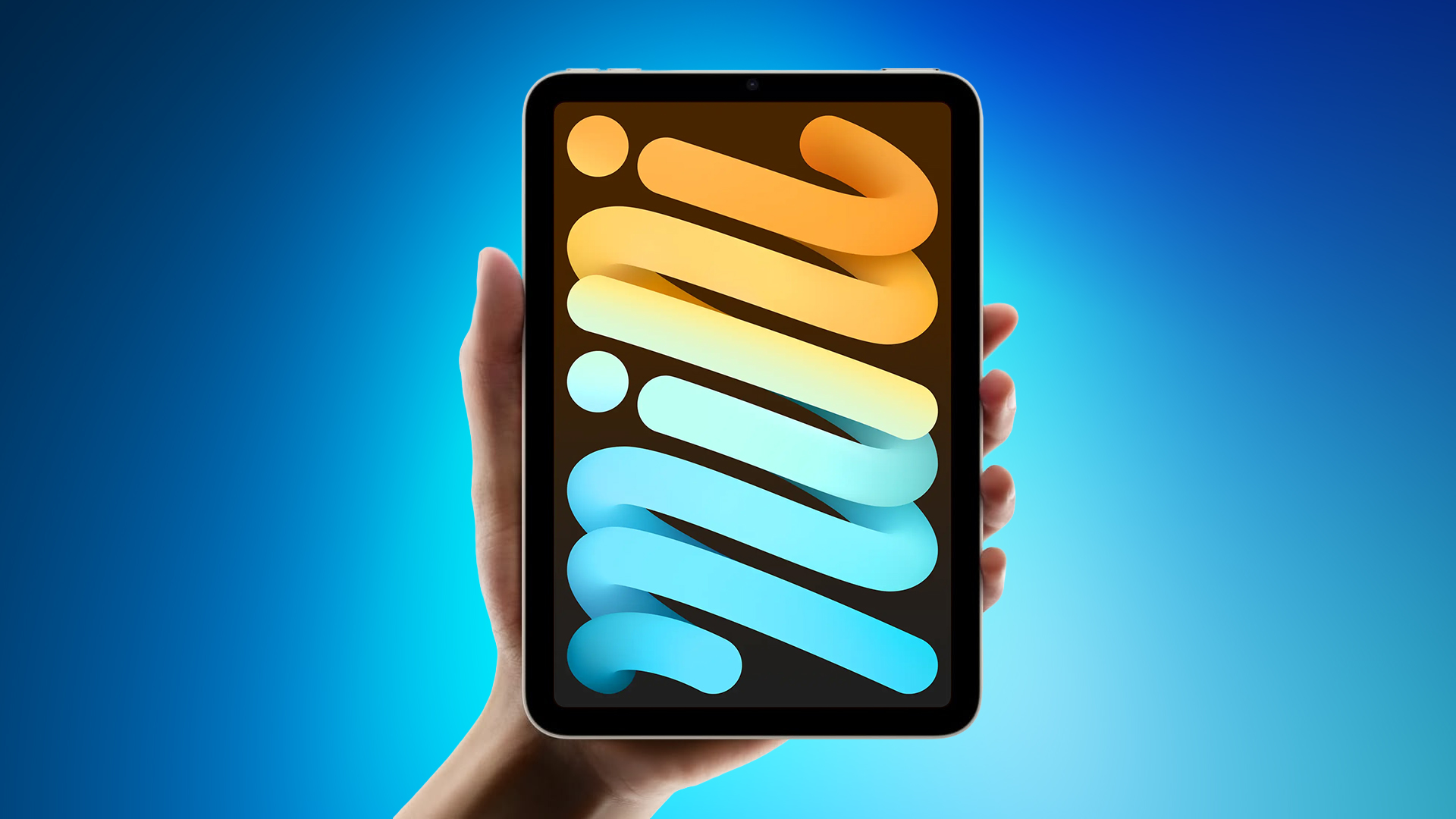
At the heart of any modern device is its processor, the "brain" that handles all tasks. For the upcoming iPad mini, codenamed J510/J511, there are strong indications that it will feature Apple's powerful A19 Pro chip. This information surfaced from Apple's own code, which was accidentally shared back in August, giving us an early peek at what's under the hood.
The A19 Pro chip is not entirely new; it has already made its debut in other Apple devices, specifically the iPhone Air and the iPhone 17 Pro models. However, it's important to understand that not all A19 Pro chips are exactly alike. The versions found in the higher-end iPhone 17 Pro and Pro Max models are the most powerful, boasting a 6-core CPU (Central Processing Unit) for general tasks and a 6-core GPU (Graphics Processing Unit) for stunning visuals and gaming. In contrast, the iPhone Air uses a slightly less powerful version, which has one fewer GPU core.
If the leaked code regarding the iPad mini 8 is correct, it's highly probable that Apple will equip this new tablet with the mid-tier A19 Pro chip, similar to the one found in the iPhone Air. This prediction is based on Apple's previous patterns. For example, the A17 Pro chip used in the current iPad mini 7 had a 6-core CPU, made up of two high-performance cores for demanding tasks and four efficiency cores to save battery life, along with a 5-core GPU. This was a step down from the 6-core GPU A17 Pro chip used in the iPhone 15 Pro, suggesting Apple often fine-tunes its chips for specific devices based on their power needs and target audience.
What does this A19 Pro chip mean for the user? This chip is built using an advanced third-generation 3-nanometer N3P manufacturing process. In simpler terms, this means the components within the chip are incredibly tiny, allowing Apple to pack more power and efficiency into a smaller space. The result is noticeable improvements in both speed and how efficiently the device uses battery power. So, you can expect faster app loading, smoother multitasking, and potentially longer battery life compared to previous models.
Beyond raw speed, the A19 Pro chip is packed with other cutting-edge technologies. It includes a 16-core Neural Engine, which is Apple's specialized hardware for artificial intelligence (AI) and machine learning tasks. This engine powers features like advanced photo processing, improved Siri responsiveness, and other smart capabilities that make your iPad mini more intuitive and intelligent. Additionally, it features next-generation dynamic caching, which helps the chip access frequently used data more quickly, and unified image compression, which makes handling high-resolution images faster and more efficient.
The GPU within the A19 Pro has also received a significant upgrade. It features an improved architecture with a larger cache (a type of high-speed memory), more overall memory, and what Apple calls "Neural Accelerators" built directly into each core. These enhancements dramatically boost the graphics performance. Apple claims that these changes provide up to three times the peak GPU computing power compared to the chip generation before it. This means games will look more stunning, video editing will be smoother, and any graphically intensive tasks will perform significantly better. The upgraded 16-core Neural Engine further enhances AI tasks, making the device smarter and more responsive in areas like image recognition, voice processing, and augmented reality (AR) applications.
While the A19 Pro chip seems highly likely, there's always a slight possibility that Apple might surprise us with an even newer chip. Some rumors suggest that Apple might opt for the A20 Pro chip for the new iPad mini. This claim comes from a MacRumors tipster who reportedly analyzed a macOS kernel debug kit, which contains internal Apple codenames. However, it's worth remembering that the iPad mini has not always received Apple's absolute newest A-series chip at the time of its update. Therefore, the A19 Pro remains a very strong contender. For context, the iPhone 18 Pro models are also expected to feature the A20 Pro chip, which is rumored to be manufactured using an even more advanced 2nm process from TSMC, promising even greater power and efficiency gains.
Ultimately, whether it's the A19 Pro or the A20 Pro, the next iPad mini is poised to deliver a significant leap in performance, making it a powerful little device capable of handling demanding applications, high-end games, and advanced AI tasks with ease. This upgrade will ensure the iPad mini remains a highly capable tablet for many years to come.
Display

One of the most exciting and widely rumored upgrades for the iPad mini is its display technology. Apple is reportedly planning to switch the iPad mini from its current LCD (Liquid Crystal Display) panel to an OLED (Organic Light-Emitting Diode) display. This change is a big deal and would bring the iPad mini in line with Apple's premium iPhones and the latest iPad Pro models.
According to reputable sources like Bloomberg's Mark Gurman, the small form-factor tablet is expected to be among the next Apple devices to adopt OLED technology. This transition is not just a minor tweak; it represents a significant leap in visual quality. Further supporting this, a Chinese leaker with connections to Apple's supply chain has indicated that Apple has already evaluated an OLED display manufactured by Samsung for its next iPad mini model, suggesting that the development is well underway.
So, what makes OLED so much better than LCD? OLED panels are unique because each individual pixel can generate its own light and be turned on or off completely. This capability offers several key advantages:
- Deeper Blacks: When an OLED pixel is off, it produces true black, unlike LCDs which always have some backlight bleed, making blacks appear grayish. This contrast makes images pop and provides a more immersive viewing experience, especially for movies and photos.
- More Precise Colors: OLED technology allows for incredibly accurate color reproduction. Colors look vibrant, true-to-life, and rich, making everything from browsing the web to viewing professional content more visually appealing.
- Superior Contrast: The ability to display true blacks alongside bright colors creates an almost infinite contrast ratio, giving images incredible depth and realism.
- Faster Response Times: OLED pixels can change their state much faster than LCD pixels, resulting in smoother motion and less blurring, which is particularly beneficial for fast-paced gaming and scrolling.
- Wider Viewing Angles: Colors and brightness remain consistent even when viewing the screen from an angle, making it easier to share the screen with others.
- Greater Design Flexibility: Because OLED panels don't require a separate backlight layer like LCDs, they can be made thinner and potentially more flexible, allowing for sleeker device designs.
A crucial question revolves around the refresh rate. It's currently unknown if the iPad mini 8 will offer a higher refresh rate than the 60Hz LCD display found in the existing iPad mini 7. A higher refresh rate, like 120Hz, often branded as ProMotion by Apple, makes motion on the screen much smoother and more fluid. This is particularly noticeable when scrolling through web pages, playing games, or using the Apple Pencil for drawing. Given that the new base iPhone 17 now features a 120Hz ProMotion panel, it would be reasonable to expect the first OLED iPad mini to also include this feature, aligning it with Apple's premium display offerings.
Another report has hinted that with the switch to OLED, the iPad mini 8's screen could potentially increase in size from its current 8.3 inches to around 8.7 inches. This could happen without significantly altering the overall physical size of the device, thanks to the thinner bezels often associated with OLED technology, allowing for more screen real estate in a similar form factor.
However, there's a nuanced detail to consider regarding the type of OLED panel. Apple's high-end iPad Pro models use what's called two-stack low-temperature polycrystalline oxide (LTPO) OLED panels. These are extremely advanced, offering excellent brightness, power efficiency, and longevity. The iPad mini, however, may feature a single-stack low-temperature polycrystalline silicon (LTPS) panel. While still a major upgrade from LCD, a single-stack LTPS panel might be slightly dimmer than the Pro models' displays. This could be a strategic decision by Apple to differentiate the iPad mini from the more expensive iPad Pro lineup, or to keep the cost and power consumption of the smaller device in check. Even with a single-stack design, an OLED iPad mini would still offer a vastly superior visual experience compared to its LCD predecessors, making this a highly anticipated upgrade.
Chassis Design
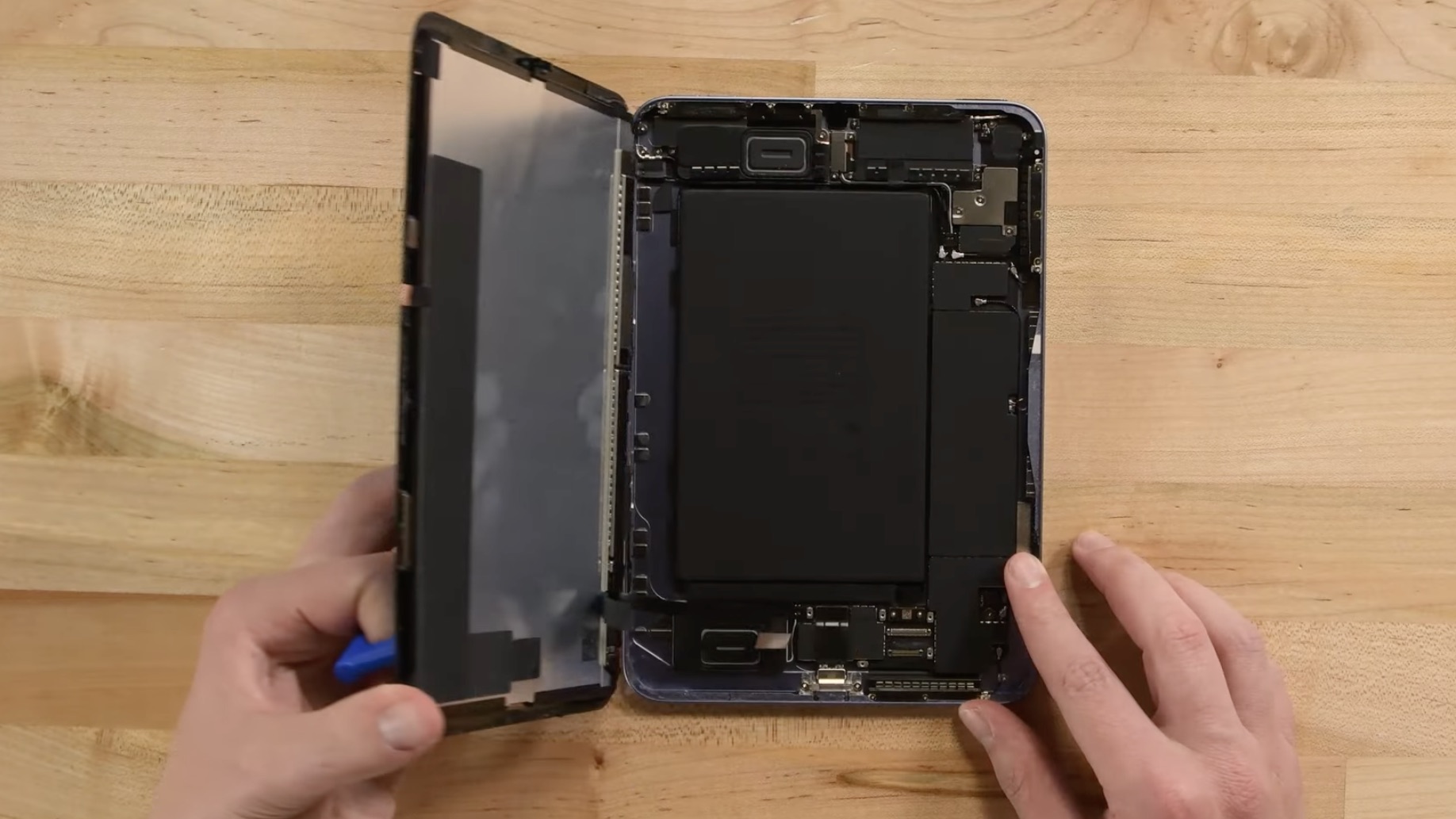
Beyond internal upgrades, the next iPad mini is also rumored to receive significant improvements to its external design, particularly concerning durability and water resistance. According to Bloomberg's Mark Gurman, Apple is reportedly working to give the iPad mini 8 a more water-resistant design. This updated casing would elevate the tablet's protection levels, bringing them closer to the robust resistance found in iPhones. Such an enhancement would make the iPad mini much safer and more reliable for use in various environments, including damp conditions or accidental splashes, providing greater peace of mind for users.
Achieving a higher level of water resistance often involves sealing potential entry points for liquids and dust. For the iPad mini, Apple is said to be taking an innovative approach: designing a new vibration-based speaker system that eliminates the need for traditional speaker holes. Typically, devices rely on small grilles or openings for sound to escape. However, these openings are also vulnerable spots for water and dust ingress. By using sound-emitting surfaces instead of open grilles, Apple can significantly reduce these potential entry points, resulting in a more sealed, durable, and resilient enclosure for the tablet.
To put this into perspective, on the iPhone, Apple uses a combination of advanced adhesives and precisely engineered gaskets to shield the speakers and other openings from moisture. While effective, this still relies on physically sealing existing holes. The rumored approach for the iPad mini appears to go a step further by doing away with the holes altogether. Current iPad mini models do not have any official IP (Ingress Protection) rating, which is an international standard that certifies a device's resistance to dust and water. The upcoming version, however, could mark the first in the lineup to feature a certified level of water protection, signaling a major step up in its ruggedness and usability in everyday scenarios.
Apple patents often offer valuable insights into the company's future design directions and technological ambitions. For instance, a 2014 patent from Apple outlines a "mechanically actuated panel acoustic system." This technology describes a system that vibrates flat surfaces within a device to generate sound, effectively transforming parts of the device's chassis into a speaker diaphragm. This patented technology could be the foundation for how Apple plans to produce audio on the new iPad mini without visible speaker holes. The existence of such a patent, developed years ago, suggests that Apple has been working towards a fully sealed, vibration-based acoustic system for quite some time, indicating a long-term vision for enhancing device durability and industrial design. This innovation would not only make the iPad mini more water-resistant but could also potentially lead to a cleaner, more minimalist aesthetic without the interruption of speaker grilles.
Such a design would make the iPad mini more suitable for a wider range of activities, from reading by the pool to using it in a kitchen environment, without constant worry about accidental splashes or dust accumulation. This focus on enhanced durability aligns with Apple's strategy of making its devices more robust and capable of enduring the rigors of daily life, extending their lifespan and value for consumers.
Release Date
Pinpointing the exact release date for any unannounced Apple product, especially one with significant technological shifts like an OLED display, is always challenging due to conflicting reports from various sources. The iPad mini 8 is no exception, with several different timelines being floated around.
According to the research firm Omdia, which tracks display technology trends, the iPad mini is expected to adopt an OLED display sometime in 2027. This suggests a longer wait for the advanced screen technology. However, other Korean publications, namely ET News and ZDNET Korea, both well-known for their insights into the supply chain, have indicated a potentially earlier update, suggesting the iPad mini will receive an OLED display in 2026. Adding to the mix, Bloomberg, a highly reliable source for Apple rumors, has even suggested that the update could arrive as soon as this year, which would be a very rapid turnaround.
The most recent information on this topic comes from the Weibo-based leaker known as Instant Digital. This source, who often has accurate insights, claims that the OLED iPad mini will be launched in the second half of 2026 at the earliest. This timeline seems to reconcile some of the earlier, more optimistic 2026 predictions with the understanding that such a significant upgrade might take a bit longer to mass-produce.
Further details emerged in May 2024, when it was reported that Samsung Display, a key supplier for Apple, had started developing sample OLED panels specifically for a future iPad mini. The plan was to kick off mass production at Samsung's facility in Cheonan during the second half of 2025. The same report also suggested that Apple would bring an OLED panel to the iPad Air alongside the iPad mini in 2026. However, this part of the rumor has been contradicted by more recent developments; Apple refreshed the iPad Air in March, and more current reporting suggests an OLED iPad Air might not arrive until early 2027. This demonstrates how fluid these rumors can be and how quickly information can change.
This latter outlook, favoring a later release for OLED iPads, aligns with a December report from the analyst firm Display Supply Chain Consultants (DSCC). DSCC stated that an 8.5-inch OLED iPad mini is indeed planned for a 2026 launch. Following this, they anticipate 11-inch and 13-inch OLED iPad Air models to be released in 2027. This staggered approach for adopting OLED across different iPad lines could be a strategy to manage supply chain complexities and product differentiation.
Given these various reports, there's no single, definitive rumor about the exact release date for the next iPad mini. However, considering the consistent mentions of 2026 from multiple reliable sources, especially those tied to the display supply chain, a launch later in 2026 appears to have a high probability. This timeframe would allow for the complex development, testing, and mass production required for a device featuring a new display technology, an advanced processor, and a redesigned chassis for enhanced water resistance. Users eagerly awaiting this compact powerhouse will likely need to exercise a bit more patience.
Pricing
When Apple introduces significant technological upgrades, such as an OLED display and improved water resistance, it typically comes with an increased price tag. This holds true for the upcoming iPad mini, which is expected to be more expensive than its predecessors. According to Bloomberg's Mark Gurman, a trusted source for Apple news, the company could potentially charge up to $100 more for the new device. Considering the current iPad mini starts at $499, this could push the starting price of the next model to around $599 or even higher.
The increase in price is largely driven by the cost of the advanced components. OLED display technology, while offering superior visuals, is generally more expensive to manufacture than traditional LCD panels. Similarly, implementing a highly water-resistant design, especially one that innovatively integrates vibration-based speakers, involves complex engineering and production processes that add to the overall cost. Apple often positions these premium features to justify a higher price point, reflecting the enhanced value and technological sophistication offered to the consumer.
Interestingly, Gurman has previously argued that Apple should consider either a lower-end version of the iPad mini or at least re-evaluate its current $499 starting price. His reasoning is that the iPad mini faces stiff competition from rival tablets that are often sold at significantly lower prices. In a market where affordability is a key factor for many consumers, a higher price for the mini could make it a less attractive option for budget-conscious buyers, despite its premium features. This creates a strategic challenge for Apple: balancing cutting-edge technology with market competitiveness and accessibility.
For Apple users who are looking for a more affordable tablet option without compromising too much on functionality, the 10th-generation iPad presents a compelling alternative. Starting at a more budget-friendly price of $329, this standard iPad offers many features that are also found in the iPad mini, but at a substantially lower cost. For instance, it includes Touch ID for secure authentication, a reliable and familiar way to unlock your device and make purchases. It also features Center Stage, a smart camera technology that automatically keeps you framed in the center during video calls, even if you move around.
While the 10th-generation iPad has a larger screen (10.9 inches vs. the mini's rumored 8.7 inches), it offers a fantastic balance of functionality and affordability for everyday tasks, media consumption, and light productivity. It might not have the compact portability of the mini or the rumored OLED display, but it provides a robust iPad experience at a price point that is significantly more accessible. This makes it a strong contender for those who appreciate the Apple ecosystem but are wary of the potentially higher price tag of the next-generation iPad mini.
In conclusion, while the next iPad mini promises significant advancements in display technology, processing power, and durability, these improvements are expected to come at a higher cost. Consumers will need to weigh the benefits of these premium features against the increased price, or consider other iPad models that offer excellent value for money.
This article, "OLED iPad Mini: Release Date, Pricing, and What to Expect" first appeared on MacRumors.com
Discuss this article in our forums
from MacRumors
-via DynaSage
