
New York Mayor Uses Mario Kart To Explain Politics: ‘We Need To Beat Bowser On The Rainbow Road’
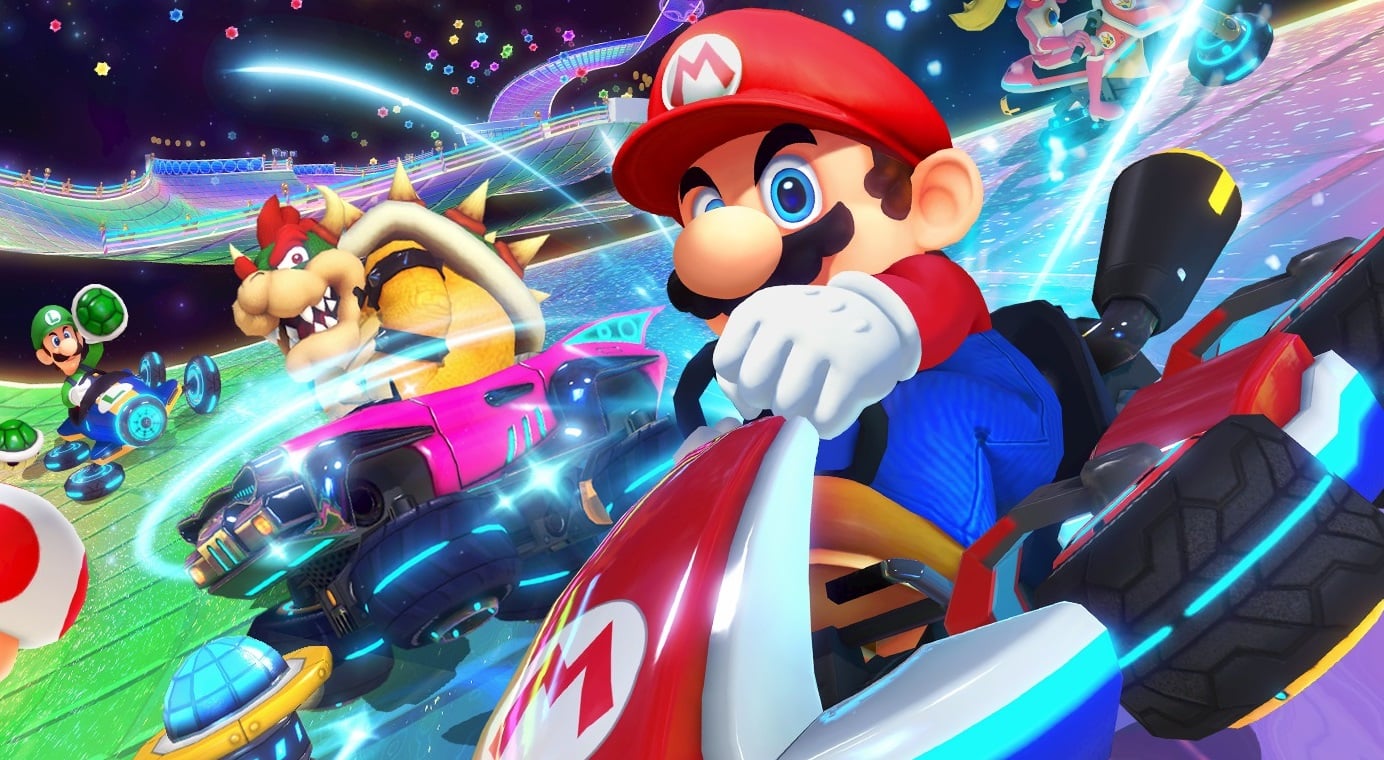
Leveling the Playing Field: Zohran Mamdani's Brilliant Mario Kart Analogy for Society
In a world often filled with complex problems and even more complex solutions, finding a simple way to explain big ideas can be incredibly powerful. This is especially true when discussing challenging topics like social justice, economic fairness, and systemic inequality. Sometimes, the most unexpected comparisons can shine the brightest light on these issues, making them understandable and relatable to everyone. This is precisely what New York State Assemblymember Zohran Mamdani achieved with his surprisingly apt analogy involving a beloved Nintendo video game: Mario Kart.
The idea of using a fast-paced, colorful racing game to explain real-world societal structures might seem unusual at first glance. However, as we dive deeper into Mamdani's insight, we discover that the mechanics of Mario Kart – from its starting lines to its famous power-ups – offer a remarkably clear and powerful lens through which to view the challenges and opportunities in our communities. This blog post explores why this analogy resonates so deeply, unpacking its layers to reveal profound truths about how our society functions, and how we might work towards making it more equitable for all its "racers."
Political analogies serve a crucial role in public discourse. They simplify intricate policy details and abstract concepts, making them accessible to a broader audience. By connecting unfamiliar ideas to something universally understood, such as a popular video game, politicians and advocates can bridge communication gaps and foster a shared understanding of complex societal dynamics. Mamdani's use of Mario Kart isn't just clever; it's a strategic move that invites introspection and dialogue about the foundational rules of our shared "race" in life. It helps us visualize the invisible forces that push some ahead and hold others back, giving a tangible form to often abstract notions of privilege, disadvantage, and collective responsibility.
The Race of Life: Mario Kart and Real-World Challenges
Imagine society as a giant, never-ending Mario Kart race. Everyone is a player, and the goal, broadly speaking, is to navigate the track of life as best as you can, striving for success, well-being, and happiness. But just like in the game, this race isn't always fair, nor is it a simple sprint where the fastest always wins. Mamdani's analogy brilliantly highlights several key aspects of this societal race, drawing parallels between game mechanics and real-world dynamics.
The Starting Line: Unequal Beginnings
In Mario Kart, while sometimes players can choose their karts and characters, they often begin the race from different grid positions. Some start at the front, others in the middle, and some at the very back. This seemingly minor detail in the game can profoundly impact a player's initial momentum and overall strategy. In the real world, the "starting line" for individuals is rarely, if ever, uniform. Our birth circumstances—the family we're born into, the neighborhood we grow up in, the quality of local schools, and the socio-economic status of our parents—create vastly different initial positions.
For instance, someone born into generational wealth in a thriving community with access to top-tier education and robust healthcare starts with significant advantages, metaphorically beginning at the pole position. They have the best "kart" and a clear track ahead, often shielded from the initial bumps and hurdles that others face. On the other hand, a child born into poverty, in a neighborhood with underfunded schools, limited access to nutritious food, and structural barriers like systemic discrimination, begins the race from a much further back position. They might have a less reliable "kart," fewer resources, and face immediate obstacles that those at the front don't even perceive.
These initial disparities aren't about individual effort or talent; they are about the systemic structures and historical realities that shape our lives. Factors such as racial injustice, historical disadvantages, redlining, unequal access to capital, and various forms of discrimination mean that some individuals inherit a "track" that is already riddled with potholes and detours, while others have a smooth, well-paved path. Recognizing these unequal starting points is the crucial first step in understanding why a purely "meritocratic" view of society – where success is solely a result of hard work – is often incomplete and misleading. Mamdani's analogy forces us to confront the fact that the race of life begins with inherent inequities, and simply telling everyone to "try harder" ignores the very real differences in their starting positions and the conditions of their tracks.
The Power-Up Paradox: Items and Intervention
Perhaps the most powerful aspect of the Mario Kart analogy lies in its iconic power-ups. These items, collected from question mark boxes scattered across the track, are designed to create exciting, unpredictable gameplay. They can boost a player forward, defend them from attacks, or, most importantly for this analogy, significantly alter the standings of the race. The distribution of these items is not random for the sake of fairness; players further behind in the race often receive more powerful items like Bullet Bills, Stars, or even the dreaded Blue Shell, while those in the lead tend to get less impactful items like coins or green shells. This mechanism is known as "rubber-banding" and is integral to the game's design to keep all players engaged until the very end.
Let's break down how these items can represent real-world interventions and policies:
The Green Shell and Red Shell: Basic Assistance and Targeted Support
- Green Shells: These are straightforward projectiles that can hit an opponent if aimed correctly. In a societal context, these might represent basic public services available to most, like public parks or libraries. They offer a general benefit, but their impact depends on individual effort to utilize them effectively.
- Red Shells: These are "homing" projectiles, meaning they automatically track the racer ahead. This can be likened to more targeted support systems. Think of programs that provide job training for specific industries or small business loans for entrepreneurs in certain sectors. They are designed to directly assist those who are a step behind or need a specific push in a particular direction. They offer a direct, albeit modest, boost to help close immediate gaps.
Mushrooms and Stars: Empowerment and Temporary Invincibility
- Mushrooms: These provide a temporary speed boost. In society, this could symbolize programs designed to empower individuals with new skills or resources that give them a short-term advantage. For example, educational grants for specific vocational training, or initiatives that provide quick access to childcare, allowing parents to pursue job opportunities. These interventions offer a burst of progress, helping individuals overcome immediate barriers and accelerate their journey.
- Stars: The Star renders a player invincible and boosts their speed for a short period, allowing them to barrel through opponents and obstacles. This is a powerful, temporary equalizer. In the real world, this could represent major interventions that provide a significant, if temporary, shield and boost. Examples include emergency housing assistance after a disaster, comprehensive rehabilitation programs for individuals re-entering society, or robust medical care that allows someone to overcome a severe illness and return to productivity. These are critical "invincibility" periods that allow individuals to catch their breath and make significant progress without being hindered by external forces.
The Bullet Bill: Catch-Up Mechanism for Those Far Behind
The Bullet Bill is an incredibly powerful item, typically given to players who are significantly trailing the leaders. When used, it transforms the player into a Bullet Bill, automatically steering them rapidly along the track, hitting any opponents in the way, and propelling them dramatically closer to the front of the pack. This item is the ultimate "catch-up" mechanism, designed specifically to prevent players from being entirely left behind and disengaging from the game.
In Mamdani's analogy, the Bullet Bill brilliantly represents large-scale social programs and policies designed to lift up those who have fallen furthest behind due to systemic issues. Consider initiatives such as:
- Universal Basic Income (UBI): A consistent income floor for all citizens could act as a Bullet Bill, providing a fundamental level of economic security that allows individuals to overcome the most severe financial struggles, pursue education, or start small businesses without the constant threat of destitution.
- Massive Public Works Programs: These programs, like those seen during the New Deal era, aim to create employment on a large scale, especially for those in economically depressed areas, giving them a direct and powerful boost into the workforce and providing essential infrastructure.
- Affordable Housing Initiatives: Guaranteeing safe, stable, and affordable housing can remove a monumental barrier for many, freeing up resources and mental energy that were previously consumed by housing insecurity, allowing them to focus on health, education, and employment.
- Comprehensive Debt Relief: For individuals burdened by crippling medical or student loan debt, targeted relief programs can act as a Bullet Bill, allowing them to escape a cycle of financial struggle and begin building wealth and stability.
The Blue Shell: Addressing Extreme Advantage and Promoting Equity
The Blue Shell (or Spiny Shell) is arguably the most controversial and iconic item in Mario Kart. When deployed, it flies directly to the player in first place, crashing down on them with an explosive impact, causing them to spin out and lose valuable time. It's a highly strategic item designed to disrupt the dominance of the leader and create opportunities for other players to catch up, fostering more dynamic and competitive races.
In the context of society, the Blue Shell can represent policies aimed at addressing extreme concentrations of wealth, power, or unearned advantage. These are not punitive measures for success itself, but rather mechanisms to ensure that the "lead racer" doesn't become so dominant that the race loses all fairness and competitiveness for everyone else. Examples include:
- Progressive Taxation: This system taxes higher earners at a greater percentage, with the revenue often funding public services or social safety nets. It's not designed to punish wealth but to ensure that those who have accumulated significant resources contribute a proportionally larger share to the collective good, effectively slowing down the "first place" racer's continued acceleration and providing resources for "power-ups" for others.
- Anti-Monopoly Laws and Regulations: These laws prevent single corporations or individuals from gaining excessive control over markets, which could stifle innovation, exploit workers, and harm consumers. Breaking up monopolies or regulating powerful industries can be seen as "blue shelling" unchecked corporate power, ensuring a more level playing field for smaller businesses and new entrants.
- Wealth Taxes or Inheritance Taxes: These taxes aim to reduce the concentration of inherited wealth, which often confers an unfair generational head start. By redistributing a portion of vast inheritances or accumulated wealth, these policies aim to rebalance economic opportunities and prevent the perpetual entrenchment of privilege, acting as a "blue shell" on accumulated, unearned advantage.
- Campaign Finance Reform: Limiting the influence of big money in politics can be seen as a "blue shell" on those who use vast financial resources to disproportionately influence political outcomes, ensuring that the democratic process is more responsive to the needs of the many, not just the wealthy few.
The Blue Shell doesn't stop the leader indefinitely; it merely creates an opportunity for others to close the gap. Similarly, these societal "blue shells" aren't intended to eliminate success or innovation. Instead, they aim to create a more dynamic, less concentrated distribution of power and resources, ensuring that the "race of life" remains competitive and accessible for a wider range of participants, rather than becoming a foregone conclusion for a select few. It fosters a system where sustained success requires adapting to a dynamic environment, rather than simply maintaining an unassailable lead from an unearned advantage.
Navigating the Track: Systemic Barriers and Opportunities
Beyond the starting grid and power-ups, the Mario Kart track itself presents various challenges and opportunities. There are shortcuts hidden away, dangerous hazards like Thwomps or Piranha Plants, and environmental factors like slippery ice or confusing anti-gravity sections. Players who know the track well, or who have the right items, can navigate these elements more effectively.
In society, these track elements represent systemic barriers and structural opportunities. For some, the "track" is full of hidden shortcuts – unadvertised internships, exclusive networks, or implicit biases that favor certain groups. For others, the track is riddled with hazards – discriminatory hiring practices, lack of reliable public transportation, limited access to healthy food, or systemic underinvestment in their communities. These are not random inconveniences but deeply ingrained features of the societal landscape that make the journey inherently harder for some and easier for others.
A well-funded education system in one district might be a smooth, fast section of the track, while another district's under-resourced schools represent a bumpy, slow detour. Access to quality healthcare, legal representation, or even simply safe public spaces can fundamentally alter an individual's ability to navigate life's challenges. Addressing these systemic issues requires more than just individual "power-ups"; it demands a fundamental redesign of the "track" itself to remove the unfair hazards and make the pathways to opportunity more accessible to everyone, regardless of their starting position or background. This includes investing in public infrastructure, reforming discriminatory policies, and actively creating inclusive environments where everyone has a fair chance to find their shortcuts and avoid unnecessary perils.
The Race for a Better Society: Competition and Cooperation
While Mario Kart is inherently competitive, with each player striving for first place, the overall enjoyment and success of the game depend on a degree of dynamic interaction. If one player consistently dominates without any challenges, the game quickly becomes boring for everyone else. The "rubber-band" system ensures that even those struggling remain in the game, contributing to the overall excitement and unpredictability.
Similarly, society, while often framed as a competition, also thrives on a balance of individual effort and collective well-being. A society where a tiny fraction of individuals accumulate vast wealth and power, while the majority struggle to meet basic needs, is neither stable nor just. Such extreme disparities can lead to social unrest, economic stagnation, and a breakdown of community bonds. Mamdani's analogy implicitly suggests that a healthy society, much like a good Mario Kart game, needs mechanisms to ensure that everyone feels they have a chance to succeed, and that no one is permanently left behind. It's about recognizing that our individual "races" are interconnected; the well-being of the collective ultimately impacts the well-being of each participant.
This perspective shifts the focus from purely individualistic pursuits to a more holistic understanding of shared responsibility. It asks us to consider: What kind of race do we want to run? One where a few champions always win, leaving many far behind and frustrated? Or one where the rules are designed to give everyone a genuine shot, where collective efforts ensure a more dynamic, engaging, and ultimately more fulfilling experience for all participants? The Mario Kart analogy nudges us towards the latter, advocating for a system that values widespread participation and equitable outcomes over unchecked individual dominance.
Zohran Mamdani's Vision: Applying the Analogy to Policy
Given Assemblymember Mamdani's political platform, which often emphasizes issues of economic justice, affordable housing, and workers' rights, his use of the Mario Kart analogy is not merely an academic exercise. It serves as a powerful call to action, illustrating the need for specific policy interventions that act as "power-ups" or "blue shells" in the real world. When Mamdani talks about policies like rent control, stronger tenant protections, increased funding for public transit, or fair wages, he is essentially advocating for mechanisms that aim to level the playing field.
For example, tenant protection laws and rent control can be seen as "Bullet Bills" for renters struggling to keep up with skyrocketing housing costs, preventing them from being pushed entirely off the "track" of stable living. Investing in robust public transportation acts as a "Mushroom," providing a speed boost and access to opportunities for those who might otherwise be stranded. Advocating for higher minimum wages or collective bargaining rights could be seen as providing essential "items" that boost workers' economic power and allow them to better navigate the "track" of the job market. These policies are not about creating a socialist utopia where everyone finishes first, but about ensuring that the societal race is fundamentally fair, and that everyone has the tools and support needed to complete the journey with dignity and opportunity.
Beyond the Finish Line: Building a Fairer System
The brilliance of Zohran Mamdani's Mario Kart analogy lies in its ability to strip away jargon and present complex socio-economic realities in an accessible, relatable format. It highlights that the "race of life" is not purely a measure of individual talent or effort. Instead, it is profoundly influenced by external factors: where one starts, the condition of the track, and the availability of "power-ups" or interventions designed to balance the game. The analogy compels us to think critically about the rules of our society and whether they truly foster equity or merely perpetuate existing disparities.
It encourages us to move beyond a simplistic view of individual responsibility and embrace a collective responsibility for the well-being of our community. If we truly believe in fairness and equal opportunity, then recognizing the need for "Bullet Bills" and "Blue Shells" in our social and economic policies becomes essential. These are not handouts but strategic interventions to counteract systemic disadvantages and ensure that the "game" remains engaging and hopeful for all players, not just the privileged few. By actively shaping our policies to reflect these balancing mechanisms, we can work towards a society where the finish line is within reach for everyone, and the journey, while still challenging, is genuinely equitable.
Ultimately, Mamdani's analogy reminds us that society is a constructed system, and like a video game, its rules can be changed. We have the power to decide if we want a "game" that heavily favors a few, or one that actively works to create a more dynamic, inclusive, and fair experience for all its participants. The discussion isn't about eliminating competition, but about ensuring that the competition itself is structured in a way that provides genuine opportunity for everyone, allowing diverse talents to flourish and contributing to a stronger, more resilient society for all.
from Kotaku
-via DynaSage
