
iPhone Fold Enters Trial Production Phase Ahead of 2026 Launch
The Dawn of a New Era: Apple's iPhone Fold Enters Trial Production
The tech world is buzzing with anticipation as news breaks regarding Apple's secretive and highly anticipated venture into the foldable smartphone market. For years, rumors have swirled about a device that could redefine how we interact with our most personal technology. Now, that future seems closer than ever, with reports confirming that Apple's manufacturing partner, Foxconn, has officially commenced trial production of the iPhone Fold.
This pivotal step marks a significant milestone in the journey toward a foldable iPhone, bringing us one step closer to holding a truly groundbreaking Apple device in our hands. The information comes courtesy of a reliable Chinese leaker, Instant Digital, whose insights often prove accurate within the intricate supply chain of Apple products.
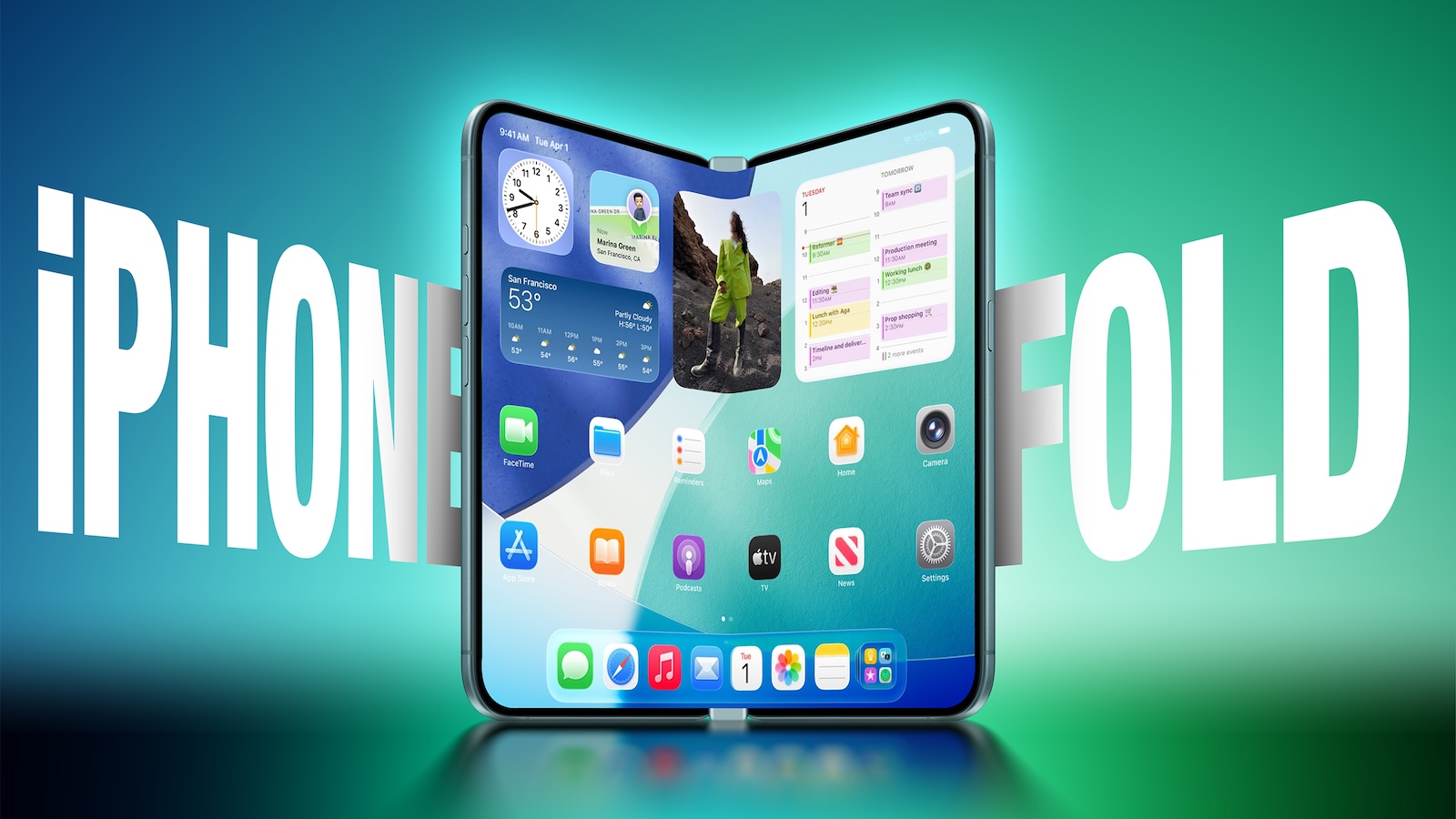
What Does "Trial Production" Mean for the iPhone Fold?
For those unfamiliar with the intricate process of bringing a complex electronic device to market, "trial production" is a crucial phase that precedes full-scale mass production. It's an intensive testing ground where prototypes are assembled using the intended manufacturing lines and processes. Think of it as a dress rehearsal before the main show.
During this stage, engineers and production teams meticulously evaluate every aspect of the manufacturing process. They look for potential bottlenecks, identify any design flaws that might emerge during large-scale assembly, test the quality and consistency of components, and refine the assembly line itself. This hands-on evaluation ensures that when mass production begins, the process is as efficient, reliable, and error-free as possible.
For a device as revolutionary and complex as a foldable smartphone, this trial phase is even more critical. Foldables introduce entirely new challenges in terms of materials, hinge mechanisms, and display technology. Apple, known for its rigorous quality control and meticulous attention to detail, would invest significant resources in this trial period to ensure the iPhone Fold meets its exceptionally high standards.
The fact that Foxconn, Apple's primary manufacturing partner for many years, is leading this effort underscores the seriousness and advanced stage of the project. Their deep experience with Apple's exacting specifications makes them the ideal candidate to navigate the complexities of foldable phone production. This partnership is a testament to the long-standing trust and synergy between the two companies, crucial for launching a product that represents a new frontier for Apple.
Setting the Stage for Launch: A Glimpse into the Timeline
The initial reports indicate that Apple aims to transition from trial production to mass production by July. This ambitious timeline suggests that, assuming no significant issues arise during the current testing phase, Apple is determined to stick to its broader launch schedule. The rapid progression from trial to mass production, if achieved, would be a strong indicator of Apple's confidence in the iPhone Fold's design and manufacturing readiness.
Currently, Apple remains on track to debut the iPhone Fold in 2026. However, new whispers suggest that the launch won't align with the traditional September iPhone event, which usually unveils Apple's flagship smartphone lineup. Instead, the iPhone Fold could see a slightly later release, potentially launching sometime after the iPhone 18 Pro. Some rumors even point to a debut as late as December of 2026.
Why a Split Launch?
A staggered launch for a product as significant as the iPhone Fold isn't unprecedented for Apple and makes strategic sense. Apple often introduces groundbreaking new categories with a unique rollout strategy. For instance, the original Apple Watch was unveiled months before its actual availability, building immense hype and allowing developers time to create apps. Similarly, the Apple Vision Pro was announced much earlier than its release, giving Apple time to fine-tune the hardware and software experience.
Several factors could contribute to this decision:
- Supply Chain Management: Launching a brand-new product category with entirely new components and manufacturing processes can strain the supply chain. A later release allows Apple and its partners more time to ramp up production and ensure sufficient stock to meet initial demand, especially during the crucial holiday shopping season.
- Dedicated Spotlight: The iPhone Fold is a monumental product that deserves its own moment in the spotlight. Launching it separately from the annual iPhone refresh prevents it from being overshadowed by other new models. It allows Apple to tell a more focused story about the innovation and unique features of its first foldable.
- Refinement and Optimization: Even with extensive trial production, real-world testing and feedback gathered after the initial announcement can still lead to minor software or hardware tweaks. A slightly later launch provides a buffer for final optimizations.
- Holiday Season Advantage: A December launch could position the iPhone Fold as a premier holiday gift item. For a high-end, innovative product, tapping into the holiday shopping fervor could lead to strong initial sales.
It's highly probable that Apple will officially announce both the iPhone 18 Pro models and the iPhone Fold at its traditional September iPhone event. This grand unveiling would generate significant buzz. However, by splitting the actual shipping dates, Apple can strategically manage expectations, production, and marketing efforts, ensuring each device receives the attention it deserves.
Apple Enters the Fold: What Does it Mean for the Industry?
The iPhone Fold will not merely be another new product; it represents Apple's official entry into the burgeoning foldable smartphone market. This is a moment many industry observers and consumers have eagerly awaited. While companies like Samsung, Huawei, Google, and Motorola have already launched multiple generations of foldable devices, Apple has, as is often its custom, taken a more measured and patient approach.
Apple typically doesn't aim to be the first to market with a new technology. Instead, its strategy involves waiting, observing, learning from the successes and failures of competitors, and then delivering a product that is highly polished, user-friendly, and often redefines the category. This philosophy was evident with the iPod, iPhone, iPad, and Apple Watch. The expectation for the iPhone Fold is no different – Apple aims to deliver not just a foldable phone, but "the Apple foldable phone" experience.
Apple's entry could be a game-changer for the entire foldable market. Historically, when Apple enters a new product category, it often validates and accelerates its adoption. The "Apple effect" could drive wider consumer interest, encourage more app developers to optimize for foldable interfaces, and push competitors to innovate further.
Current Foldable Landscape and Apple's Position
The foldable market, while growing, still represents a niche segment of the smartphone industry. Early foldable devices faced challenges related to durability, the visible crease in the display, and software optimization. However, recent generations have shown significant improvements in these areas.
Samsung, with its Galaxy Z Fold and Z Flip series, has been the market leader, demonstrating varying form factors and refining the technology over several iterations. Google's Pixel Fold offered a unique design, and various Chinese manufacturers have pushed the boundaries of thinness and hinge design. Apple will enter this competitive landscape with the advantage of its vast ecosystem, powerful software integration, and a dedicated fanbase, but also with the pressure to deliver a truly superior product from day one.
A Glimpse into the Design: Form, Function, and Fold
Initial rumors provide exciting details about the iPhone Fold's physical characteristics, painting a picture of a device that aims to combine the compact portability of a phone with the expansive utility of a small tablet. Apple's design philosophy, often characterized by minimalism, premium materials, and user-centric ergonomics, will undoubtedly be at the forefront of this new device.
Screen Sizes and Aspect Ratio: A New User Experience
The iPhone Fold is expected to feature a primary screen that measures approximately 5.5 inches when closed, offering a familiar smartphone-like experience for everyday tasks. However, its true potential unfolds when opened, revealing a larger ~7.8-inch display. This transformation offers users the best of both worlds: a compact device for convenience and a generous screen for immersive content consumption and enhanced productivity.
What truly sets the iPhone Fold apart from many existing foldables is its rumored wider 4:3 aspect ratio. This is a deliberate design choice that will make the open display feel more akin to a small iPad than a stretched-out smartphone screen. Many competing foldables, particularly those that fold vertically, offer a taller, narrower internal display. Apple's choice of a wider, shorter form factor suggests a strong focus on:
- Productivity: The wider screen provides more horizontal space, ideal for side-by-side multitasking, document editing, and spreadsheet work. It could offer a more natural and efficient workspace compared to narrower displays.
- Media Consumption: Watching videos and movies on a 4:3 screen would offer a more expansive, immersive experience, minimizing letterboxing for many content formats.
- Gaming: The wider aspect ratio could provide a larger field of view and more comfortable grip for mobile gaming.
- App Compatibility: Given the iPad's existing 4:3 or similar aspect ratios, adapting existing iPad apps to the iPhone Fold's larger screen might be a more straightforward process, potentially offering a richer app ecosystem from launch.
The Quest for Thinness: A Signature Apple Trait
Another ambitious design target for the iPhone Fold is its incredible thinness. When fully opened, the device is rumored to be as slender as 4.5mm. To put that into perspective, the current iPhone 15 Pro Max is 8.25mm thick. Achieving nearly half that thickness in a foldable device, which inherently contains complex hinge mechanisms and two display layers, is an astonishing feat of engineering.
Thinness has always been a hallmark of Apple's design language, conveying elegance, portability, and advanced engineering. However, achieving such extreme thinness in a foldable inevitably requires compromises, especially when balancing it with the demand for robust performance and features. These compromises reveal Apple's priorities for its first foldable device.
The "Nearly Invisible" Crease: A Foldable Game-Changer?
One of the most persistent complaints about current foldable phones is the visible crease or wrinkle that runs down the middle of the display where it folds. While companies have made significant strides in minimizing this, it remains a noticeable characteristic for many users. Apple is supposedly focused intensely on this issue, and rumors suggest they have achieved a design with a "nearly invisible fold" down the middle when the device is open.
If true, this could be a major differentiator for the iPhone Fold. A truly seamless display experience, without the distraction of a prominent crease, would elevate the user experience significantly. This achievement would likely involve a combination of advanced hinge technology (such as a "waterdrop" or "teardrop" hinge design that allows the screen to fold into a larger radius, reducing stress and crease visibility) and innovative flexible display materials.
Technical Trade-offs: Innovation Meets Practicality
The pursuit of an ultra-thin, nearly creaseless foldable design means that Apple has had to make some strategic choices regarding internal components and features. These trade-offs highlight the engineering challenges inherent in creating a first-generation product in a new form factor.
Camera System: Prioritizing Form Over Functionality?
One notable compromise is the camera setup. Rumors indicate that the iPhone Fold will not feature a triple-lens camera system, meaning it will likely forgo the dedicated Telephoto lens found in Apple's Pro iPhone models. The reason for this is likely space constraints: to achieve a 4.5mm open thickness, there simply isn't enough room for the more complex and bulky triple-lens module, especially one that includes a periscope-style Telephoto lens for optical zoom.
While this might disappoint avid photographers who rely on the versatility of the Pro models' camera systems, Apple is known for its computational photography prowess. It's possible that the iPhone Fold will still deliver exceptional image quality with its primary wide and ultra-wide lenses, leveraging software algorithms to enhance photos and potentially offer digital zoom capabilities that are surprisingly good. This decision reflects a prioritization of the sleek, thin design over a full-featured camera array, suggesting Apple believes the foldable form factor itself is the primary selling point for this initial generation.
Biometric Security: Touch ID's Return to the Forefront
Another significant change will be in biometric security. The iPhone Fold is not expected to feature Face ID, Apple's advanced facial recognition system that has been a staple of flagship iPhones since 2017. The reason, once again, boils down to the slim design; the TrueDepth sensor system, which includes multiple components for mapping a user's face, simply won't fit within the ultra-thin chassis and narrow bezels of the foldable device.
Instead, rumors suggest that the iPhone Fold will revert to an iPad-style Touch ID side button. This implementation has proven reliable and convenient on devices like the iPad Air and iPad mini, where space for a dedicated home button is limited. Placing the fingerprint sensor within the power button on the side of the device offers a quick and intuitive way to unlock the phone and authenticate purchases.
The return of Touch ID for a flagship device marks a notable shift for Apple. While Face ID offers unparalleled security and convenience for many users, particularly with features like secure app logins and Apple Pay, Touch ID on the side button is still highly functional and robust. This change might also be seen as a temporary compromise for the first generation, potentially paving the way for under-display Face ID in future iterations once the technology matures and can be integrated into thinner designs.
Software Experience: Adapting iOS for a Flexible Future
Beyond the hardware, one of the most exciting and challenging aspects of the iPhone Fold will be its software experience. Apple's iOS is renowned for its intuitive interface and seamless user experience, but adapting it to a transforming display presents unique opportunities and hurdles. The success of the iPhone Fold will hinge significantly on how elegantly iOS handles the transition between folded and unfolded states, and how effectively it leverages the larger internal display.
Seamless Transitions and Multitasking
Key to a great foldable experience is the continuity of apps and content as the device is folded or unfolded. Users will expect apps to instantly resize and adapt without a hitch. The larger internal display will undoubtedly open up new possibilities for multitasking, potentially incorporating more advanced split-screen modes, floating windows, or even a version of Stage Manager similar to what's available on iPads. This could allow users to run multiple apps simultaneously, dramatically boosting productivity on the go.
Optimizing for the Wider Aspect Ratio
The rumored 4:3 aspect ratio will be crucial for app developers. While many iPad apps might translate well, a significant effort will be needed to ensure all existing iPhone apps gracefully scale and function across both the closed (smaller) and open (larger, wider) displays. Apple's strict app guidelines and developer tools will be vital in ensuring a consistent and high-quality app experience across the varied screen states.
New UI Elements and Gestures
It's also possible that Apple will introduce new user interface elements or gestures specifically designed for the foldable form factor. This could include novel ways to interact with apps, switch between screens, or manage content when the device is partially folded (e.g., using it in "laptop mode" or "tent mode" for video calls or media viewing). The goal would be to make the foldable experience feel natural and intuitive, much like how Face ID introduced new swipe gestures to iPhones without a home button.
The Apple Ecosystem and the iPhone Fold
The iPhone Fold won't exist in a vacuum; it will integrate deeply into Apple's sprawling ecosystem of devices and services. This integration is one of Apple's strongest competitive advantages, offering users a cohesive and interconnected experience across their Mac, iPad, Apple Watch, AirPods, and other Apple products.
Consider how the iPhone Fold could enhance this ecosystem:
- Continuity Features: Seamless handoff between tasks on the iPhone Fold and a Mac or iPad, universal clipboard, and instant hotspot will likely be core features.
- Accessory Integration: While not rumored, the larger screen could potentially make the iPhone Fold a compelling device for basic Apple Pencil input, expanding its utility for note-taking or creative tasks.
- Apple Services: Access to Apple Music, Apple TV+, Apple Arcade, iCloud, and other services will be front and center, leveraging the expansive display for immersive entertainment and productivity.
Who is the iPhone Fold For?
Given its innovative nature, likely premium price point, and unique features, the iPhone Fold will likely target a specific demographic:
- Early Adopters: Those who always want the latest and most innovative technology Apple offers.
- Productivity Enthusiasts: Users who value the ability to perform more complex tasks and multitask efficiently on a mobile device without always needing a tablet or laptop.
- Media Consumers: Individuals who appreciate an expansive, immersive screen for watching videos, browsing photos, or reading.
- Professionals: Users who need a highly portable device that can quickly transform into a larger workspace for reviewing documents, presentations, or data on the go.
The iPhone Fold is poised to be a premium product, likely positioned at the very top of Apple's smartphone lineup in terms of price. This reflects the advanced technology, engineering challenges, and specialized components required for a cutting-edge foldable device.
Looking Ahead: The Future of Foldables and Apple's Role
The trial production of the iPhone Fold marks more than just the development of a new device; it signals Apple's serious commitment to the foldable form factor. Its entry into this market is likely to have profound implications for the entire smartphone industry.
Firstly, it will undoubtedly intensify competition among existing foldable manufacturers. With Apple setting a new benchmark for design, display crease minimization, and software integration, competitors will be pushed to innovate even faster and deliver more refined products. This healthy competition ultimately benefits consumers with better and more diverse options.
Secondly, the "Apple effect" could significantly accelerate mainstream adoption of foldable phones. Many consumers have been hesitant to embrace foldables due to concerns about durability, cost, or a lack of compelling software experiences. Apple's endorsement of the technology, coupled with its reputation for quality and user experience, could alleviate these concerns and encourage a wider audience to consider a foldable device.
Finally, the iPhone Fold could be just the beginning of Apple's broader foldable strategy. The technologies developed for this device – advanced hinge mechanisms, flexible displays, and optimized software – could pave the way for future foldable iPads, or even Macs. Imagine a MacBook that folds in half for ultimate portability, or an iPad that can expand its screen real estate on demand. The iPhone Fold is likely Apple's proving ground for a future where flexible displays become a more integral part of our technology landscape.
The journey from concept to consumer is long and fraught with challenges, but the news of trial production suggests that the iPhone Fold is well on its way. As 2026 approaches, the excitement will only build, leading up to what promises to be one of Apple's most significant product launches in years.
This article, "iPhone Fold Enters Trial Production Phase Ahead of 2026 Launch" first appeared on MacRumors.com
Discuss this article in our forums
from MacRumors
-via DynaSage
