
iPhone Air 2 and iPhone 18e Reportedly Launching Early Next Year
Apple's Next Big Move: iPhone Air 2 and iPhone 18e Set for Early 2027 Launch, Reshaping the iPhone Release Schedule
Get ready for an exciting shift in how Apple rolls out its iconic iPhones! According to the latest insights from Bloomberg's respected tech journalist, Mark Gurman, Apple is gearing up to introduce an updated iPhone Air, likely dubbed the iPhone Air 2, and a more budget-friendly iPhone 18e early next year. This announcement isn't just about new phones; it signals a significant evolution in Apple's product launch strategy, promising more frequent updates and choices for consumers throughout the year.
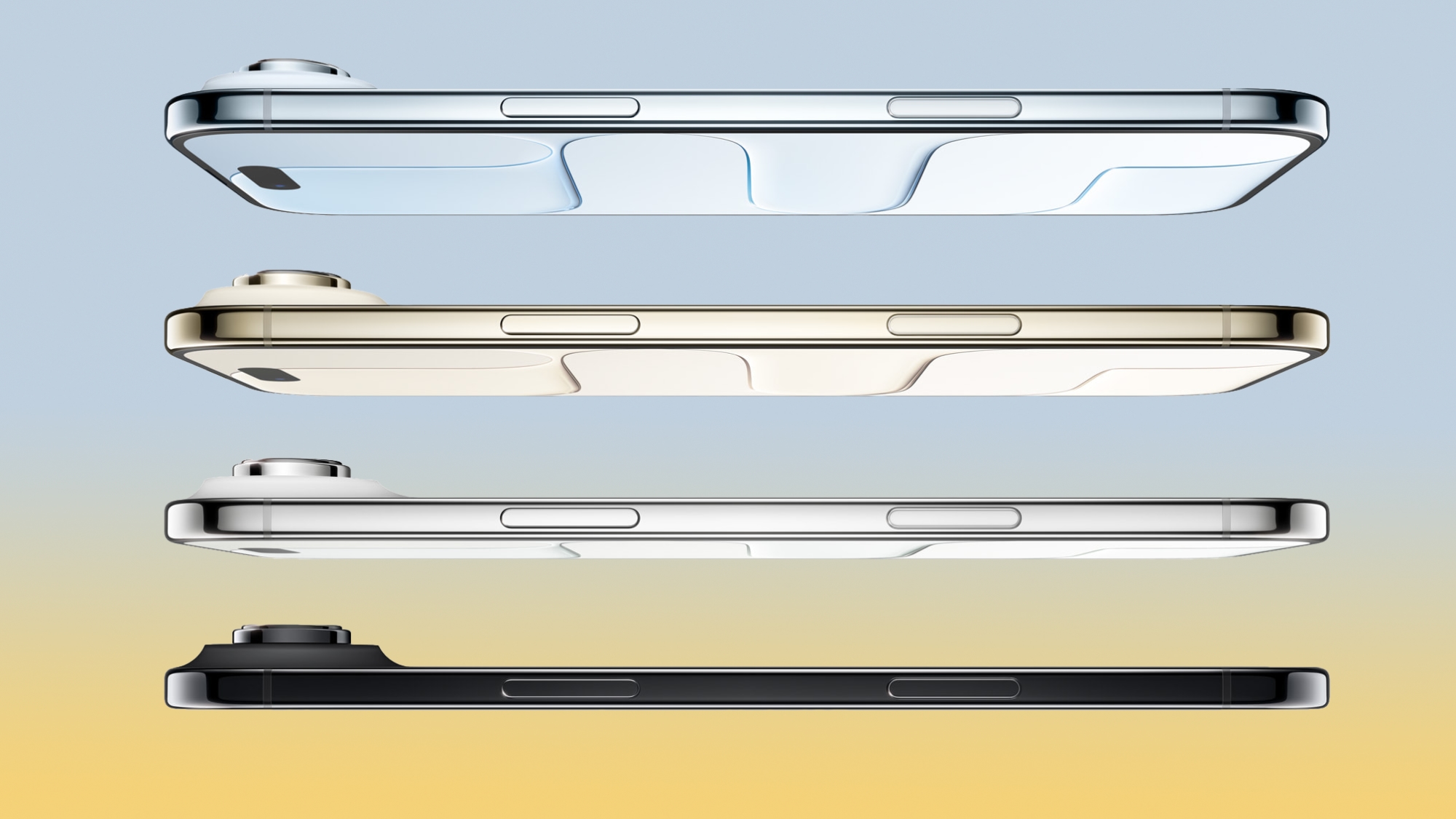
A Dual Unveiling in Spring 2027: iPhone Air 2, iPhone 18e, and the Standard iPhone 18
In his recent report, Gurman revealed that Apple plans to unveil these two new devices in the spring of 2027. What makes this even more intriguing is that they are expected to launch alongside the standard iPhone 18. If these plans hold true, we can anticipate Apple officially announcing this trio of devices in either March or April of next year. While the exact format of the announcement remains to be seen—whether it will be a major live-streamed event or a press release with online updates—the timing itself marks a notable departure from tradition.
The introduction of an "e" model in the first quarter of the year has become somewhat predictable for Apple enthusiasts. We've seen the iPhone 16e debut in the first quarter of 2025, followed by the iPhone 17e in the first quarter of 2026. Therefore, the arrival of an iPhone 18e around the first quarter of next year is a continuation of this pattern, catering to users who seek essential iPhone features at a more accessible price point. These "e" models typically focus on core performance and reliability, often leveraging slightly older but still powerful chipsets and streamlined feature sets to keep costs down.
However, what truly stands out in Gurman's report is the simultaneous introduction of a new iPhone Air and the standard iPhone 18. Historically, the premium iPhone Air models and the flagship standard iPhones have been part of Apple's major fall releases. Their spring debut next year suggests a more aggressive and diversified product rollout strategy from the Cupertino giant. This move could allow Apple to capture different market segments at various points in the year, keeping the brand in the spotlight and offering consumers fresh options more frequently.
Understanding Apple's Evolving "Split Launch" Strategy
The current iPhone Air and the standard iPhone 17 both made their debut in September of last year, aligning with Apple's long-standing tradition of major fall iPhone launches. However, an increasing number of reports, including those detailing Apple's move to a split launch going forward, have hinted at a significant change. This "split launch" strategy involves releasing multiple iPhone models across both spring and fall seasons, rather than concentrating all new models into a single September event. This isn't just a rumor; it's a strategic shift that has been discussed in industry circles for many months, suggesting a calculated move by Apple to optimize its product cycle and market engagement.
Why a Split Launch? Benefits for Apple and Consumers
A split launch strategy offers several potential advantages for Apple. Firstly, it allows the company to maintain a sustained level of consumer interest and media buzz throughout the year. Instead of a single peak in September, Apple can generate excitement twice a year, ensuring the iPhone remains a frequent topic of discussion. Secondly, it provides greater flexibility in targeting different market segments. By launching a mix of entry-level, mid-range, and premium devices at different times, Apple can better cater to varying consumer needs and budgets as they arise. For instance, a budget-conscious buyer might be ready for an upgrade in spring, while a premium user might prefer to wait for the cutting-edge fall releases.
For consumers, this strategy translates to more frequent opportunities to upgrade or purchase a new iPhone. It broadens the purchasing window beyond just the fall, allowing individuals to make decisions based on their personal timelines, financial cycles, or when their current device truly needs replacing. While some might find the increased frequency a bit confusing, Apple typically segments its offerings clearly, making it easier for consumers to identify which iPhone iteration best suits their requirements at any given launch period. This approach also allows Apple to react more nimbly to market trends and competitive pressures, releasing new hardware when it makes the most strategic sense rather than being tied to a rigid annual cycle.
Mark Gurman's latest report specifically brings much-needed clarity to the release schedule for the iPhone Air 2. While the idea of a split launch has been circulating, the exact timing of particular models has remained somewhat ambiguous. Gurman's spring 2027 timeframe for the iPhone Air 2 now firmly places it outside the traditional fall flagship launch window, cementing Apple's commitment to this new, diversified release pattern.
The Confirmed Split Launch Schedule: What to Expect When
Based on the latest information, here’s a breakdown of when each new iPhone model is expected to make its debut, illustrating Apple’s comprehensive approach to its product releases:
- September 2026: This fall event is anticipated to feature Apple's most cutting-edge and high-performance devices. We expect to see the iPhone 18 Pro and iPhone 18 Pro Max, which will likely boast the latest chip technology, advanced camera systems, and premium materials. What's even more exciting is the anticipated unveiling of the "iPhone Ultra." This moniker is widely rumored to refer to Apple's long-awaited entry into the foldable smartphone market, promising a revolutionary design and new interaction paradigms. The "Ultra" designation often signifies a device that pushes the boundaries of innovation and premium features, making it a fitting name for a groundbreaking foldable.
- March 2027: The spring event, now bolstered by Gurman's report, will focus on offering a broader range of accessibility and features. This is where we will see the iPhone 18e, designed to be an entry point into the latest iPhone generation, providing essential features at a more affordable price. Alongside it, the iPhone 18 (the standard model) will offer a balance of performance and features for the mainstream user. Crucially, this event will also mark the debut of the iPhone Air 2, solidifying its position as a premium-lite option, distinct from the Pro models but offering significant upgrades over the standard and "e" variants.
This dual-phase launch strategy allows Apple to refresh its product lineup more frequently and cater to a wider array of consumer preferences throughout the year. It ensures that whether you're looking for the absolute top-tier innovation or a solid, reliable, and more accessible iPhone, there's a new model just around the corner.
Anticipated Features and Performance Upgrades
While definitive specifications are still under wraps, the rumors provide a tantalizing glimpse into what we can expect from these upcoming models, particularly in terms of performance and key features.
iPhone 18e and iPhone 18: Core Performance and Reliability
Both the iPhone 18e and the standard iPhone 18 are likely to receive the powerful A20 chip. This new generation of Apple's custom silicon will bring incremental but significant improvements in processing speed, graphical performance, and energy efficiency. For users, this means apps will open faster, games will run smoother, and everyday tasks will feel more fluid and responsive. The A20 chip will also power enhanced on-device machine learning capabilities, leading to smarter features in areas like photography, voice recognition, and overall user experience.
Beyond the chip, Gurman's report suggests "little else" for these models. This phrase, while seemingly dismissive, typically implies that Apple will focus on refining the core iPhone experience rather than introducing radical design changes or groundbreaking new features that would typically debut on Pro models. For the iPhone 18e and iPhone 18, this usually translates to reliable, incremental updates such as improved battery life, slight camera enhancements (even if not hardware additions), and potentially more durable materials or minor design tweaks that enhance ergonomics without a complete overhaul. These models will continue to be the workhorses of the iPhone lineup, offering robust performance and Apple's renowned software ecosystem at their respective price points.
iPhone Air 2: Bridging the Gap with Premium Features
The iPhone Air 2, on the other hand, is rumored to receive more substantial upgrades, positioning it as a highly attractive option for users seeking premium features without necessarily opting for the absolute highest-end Pro Max. Alongside the new A20 chip, which will ensure top-tier performance, the iPhone Air 2 is expected to boast several compelling enhancements:
- A Second Rear Camera: This is a significant upgrade for the Air line. Historically, the Air models have focused on a single, high-quality main camera. Adding a second lens could mean the inclusion of an Ultra Wide camera, allowing users to capture expansive landscapes and group photos, or a Telephoto lens, offering optical zoom capabilities for detailed close-ups and improved portrait photography. This enhancement would dramatically increase the versatility and appeal of the iPhone Air 2's photographic capabilities, bringing it closer to the imaging prowess of the Pro models.
- A Larger Battery: Improved battery life is consistently one of the most requested features from smartphone users. A larger battery in the iPhone Air 2 would translate directly to extended usage times, allowing users to go longer between charges, even with demanding applications or heavy media consumption. This is a practical upgrade that enhances the daily usability of the device for everyone.
- The iPhone 17 Pro's Vapor Chamber Cooling System: This is a sophisticated thermal management solution designed to dissipate heat more effectively from the device's internal components. Originally featured in the high-performance iPhone 17 Pro, its inclusion in the iPhone Air 2 is a strong indicator of Apple's commitment to sustained performance. For users, this means the iPhone Air 2 will be able to handle intensive tasks—like prolonged gaming sessions, 4K video recording, or complex AI computations—without experiencing significant performance throttling. It ensures that the powerful A20 chip can operate at its peak for longer durations, offering a smoother and more consistent user experience, especially important as devices become more capable of demanding computations.
These rumored upgrades paint a picture of the iPhone Air 2 as a robust and feature-rich device, designed to offer a compelling balance of performance, photographic capabilities, and extended usability. It aims to bridge the gap between the standard iPhone and the Pro models, providing a premium experience that is both powerful and refined.
The Future of iPhone Air: Ambition Despite Initial Challenges
Intriguingly, despite current market dynamics, there are whispers from a leaker on the Chinese social media platform Weibo that Apple even plans to release an iPhone Air 3 eventually. This suggests a long-term commitment to the "Air" product line, even though sales of the current iPhone Air have reportedly been low relative to the more popular iPhone 17 and iPhone 17 Pro models. This might seem contradictory, but it highlights Apple's strategic long-game approach to its product categories.
The initial sales performance of the iPhone Air might have been impacted by several factors. Perhaps its positioning between the standard iPhone and the Pro models wasn't clear enough for consumers, or its feature set didn't differentiate it sufficiently at its price point. It’s also possible that market conditions at the time favored either the more affordable standard options or the fully-featured Pro versions. However, Apple is known for iterating and refining its products. The reported plans for an iPhone Air 3 indicate that the company believes in the concept of a lightweight, premium-lite iPhone and is prepared to invest in it, learning from the first generation's performance.
The upgrades rumored for the iPhone Air 2—especially the additional camera and improved cooling system—could be precisely what Apple intends to use to boost the line's appeal. By adding more tangible, desirable features, Apple can carve out a clearer niche for the iPhone Air, making it a more compelling choice for users who want advanced capabilities but don't require every single bleeding-edge feature found in the Pro Max, or perhaps prefer a slightly different form factor. This continuous development demonstrates Apple's commitment to offering a diverse portfolio of iPhones that caters to a broad spectrum of user preferences and budgets, ensuring that the iPhone ecosystem remains vibrant and competitive.
What This Means for You: Making Sense of Your Next iPhone Purchase
Apple's evolving launch strategy and the specific details surrounding the iPhone Air 2 and iPhone 18e have significant implications for consumers. The move to a split launch means that the decision of when to buy a new iPhone becomes more nuanced, offering more strategic upgrade points throughout the year. It also ensures that Apple keeps its product line fresh and competitive against an ever-evolving market landscape.
Who Should Consider the iPhone 18e?
The iPhone 18e is clearly positioned as the entry point into the latest iPhone generation. It's ideal for budget-conscious consumers, first-time iPhone buyers, or those who simply want a reliable smartphone for essential tasks like communication, web browsing, social media, and casual photography, without needing the absolute latest in camera technology or extreme processing power. It offers the latest software experience and ecosystem benefits at a more accessible price.
Who is the Standard iPhone 18 For?
The standard iPhone 18 is likely to be the choice for the majority of mainstream users. It will offer a solid balance of new features, performance, and price. If you want a dependable, powerful iPhone that excels in everyday use, provides great photos, and stays current with Apple's software updates for years, this will be your go-to. It sits comfortably in the middle, providing a premium experience without the "Pro" price tag.
Is the iPhone Air 2 Your Next Device?
The iPhone Air 2, with its rumored upgrades like a second camera, larger battery, and advanced cooling, is shaping up to be a compelling option for a specific segment of users. If you appreciate a lightweight, elegant design but also crave enhanced photographic capabilities and sustained performance for more demanding applications or gaming, the Air 2 could be your sweet spot. It offers a "premium-lite" experience, bridging the gap between the standard iPhone and the Pro models, providing significant upgrades that enhance daily use without the full Pro feature set or associated cost. It's for those who want more than the basics but don't need the "Pro" level of commitment.
The Pro and Ultra Lines: For the Ultimate Innovators
For those who demand the absolute best in mobile technology, the September 2026 launch of the iPhone 18 Pro, iPhone 18 Pro Max, and the revolutionary iPhone Ultra (likely Apple's foldable offering) will remain the peak. These devices will feature the most advanced camera systems, cutting-edge displays, and potentially entirely new form factors, pushing the boundaries of what a smartphone can do. If you're an early adopter, a professional content creator, or simply someone who wants the most innovative technology Apple has to offer, these will be your target devices.
Ultimately, Apple's evolving strategy provides more choices and more opportunities to get a new iPhone that perfectly matches your needs and budget. It encourages consumers to consider their options more carefully, weighing features, price, and launch timing across different points in the year. The days of simply waiting for "the next iPhone" in September are evolving into a more dynamic and consumer-centric release schedule.
Conclusion: An Exciting Road Ahead for iPhone Fans
The prospect of an iPhone Air 2 and iPhone 18e launching in early 2027, alongside the standard iPhone 18, signifies an exciting and strategic shift for Apple. By embracing a split launch strategy, Apple aims to keep its product line vibrant, cater to diverse consumer needs, and maintain sustained momentum throughout the year. While initial sales for the current iPhone Air may have been modest, the rumored upgrades for the Air 2 — including a second rear camera, larger battery, and advanced cooling — suggest Apple is committed to refining this premium-lite offering. Simultaneously, the continued presence of the "e" models underscores Apple's dedication to providing accessible entry points into the iPhone ecosystem. As always, the tech world will be watching closely as these plans unfold, eager to see how these new devices reshape the landscape of the smartphone market and offer even more choices to loyal iPhone users and new customers alike.
This article, "iPhone Air 2 and iPhone 18e Reportedly Launching Early Next Year" first appeared on MacRumors.com
Discuss this article in our forums
from MacRumors
-via DynaSage
