
How To Stop Playing Tomodachi Life The Wrong Way And Just Enjoy It
Unscripted Drama: Why Life Simulation Games are Your Personal Reality TV Show
Imagine a world where you are the ultimate showrunner, director, and casting agent all rolled into one. You get to decide who enters your world, what they look like, and what kind of personalities they have. Then, you simply sit back and watch the drama unfold – the friendships, the rivalries, the surprise romances, and the hilarious misunderstandings. Sound like a new reality TV show concept? It’s actually the thrilling, often unpredictable, experience of diving into life simulation games, where you truly get to treat it like a reality TV show where you create the cast.
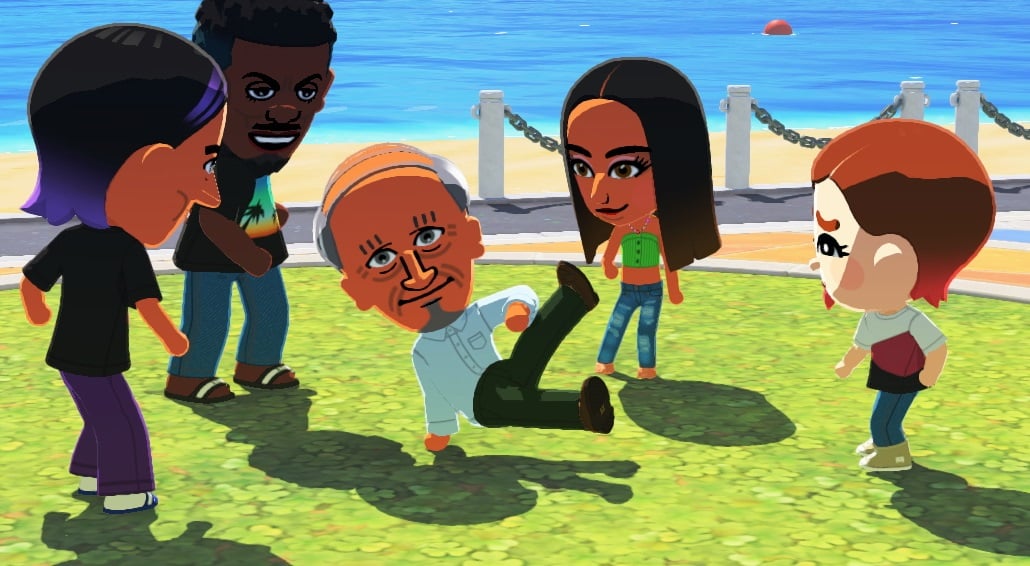
From the quirky antics of Mii characters dancing by the sea, as seen in the image above, to the complex lives of virtual families, these games offer an unparalleled blend of creativity, observation, and emergent storytelling. They tap into our innate curiosity about human interaction and our love for a good story, even if we’re the ones indirectly writing it. This unique genre allows players to craft entire digital worlds populated by characters of their own design, transforming a video game into a personal, ever-evolving saga of digital life.
The Allure of Crafting Your Virtual Cast
The first step in any great reality show is casting, and life simulation games give you absolute power over this crucial element. This isn't just about picking a pre-made character; it's about deep customization and personalization that builds an instant connection between you and your virtual inhabitants.
From Pixels to Personalities: The Magic of Character Creation
Whether you're molding a Mii on a Nintendo console or meticulously designing a Sim in the latest installment of The Sims franchise, the character creation process is where the magic begins. You can spend hours perfecting every detail: choosing hairstyles, outfits, facial features, and even the smallest accessories. But it goes beyond aesthetics. These games often let you define personalities, quirks, likes, and dislikes. A character might be a 'hopeless romantic' with a love for cooking, or a 'grumpy loner' who secretly enjoys karaoke. These traits aren't just cosmetic; they actively influence how your characters behave and interact with the world, laying the groundwork for countless unscripted moments.
This level of detail means you're not just creating digital avatars; you're building potential stars for your virtual reality show. You might base characters on your friends, family, celebrities, or invent entirely new personas from your imagination. This personal touch makes the subsequent events feel incredibly engaging, as you watch familiar (or completely novel) personalities navigate the ups and downs of their simulated lives. The attachment grows as you see your creations develop relationships, pursue careers, and face challenges, all driven by the foundational traits you assigned them.
The "God" Factor: Creator and Observer
In many life simulation games, you act as a benevolent (or sometimes mischievous) deity. You set the stage, populate it with your cast, and then often take a step back, allowing them to mostly live their lives autonomously. While you might intervene to guide them, offer advice, or fulfill their basic needs, much of the true drama comes from their independent decisions and interactions. This balance between control and observation is key to the "reality TV" feel.
You’re not scripting every line or orchestrating every scene. Instead, you're observing the unfolding narrative that emerges from the characters' built-in personalities and the game's dynamic systems. This emergent gameplay is what makes each playthrough unique. Just like a reality TV producer sets up scenarios and lets the cameras roll, you provide the environment and watch your virtual cast react in surprising and often hilarious ways. This hands-off approach, contrasted with moments of deliberate intervention, creates a compelling sense of ownership and discovery.
Reality TV Parallels: Unscripted Digital Drama
The comparisons between life simulation games and reality television extend far beyond just creating a cast. The very essence of these games mirrors the appeal of shows like Big Brother, Love Island, or The Real Housewives, offering viewers (players) a window into the seemingly unscripted lives of compelling characters.
The Thrill of Unscripted Drama
One of the biggest draws of reality TV is its unpredictability. You never know who will fall in love, who will have a dramatic argument, or who will achieve their dreams. Life simulation games excel at replicating this feeling. Thanks to complex AI and intricate relationship systems, your characters can develop crushes, start feuds, get married, have children, switch careers, or even experience heartbreak, all without your direct command.
Imagine setting up two characters with clashing personalities and watching a friendship slowly sour into a bitter rivalry, or seeing an unexpected romance blossom between two Miis you never thought would connect. These moments feel genuinely unscripted because, to a large extent, they are. The game's engine generates these scenarios based on character traits, interactions, and environmental factors, creating truly unique and memorable narratives that no player could entirely predict or pre-plan. This spontaneous generation of conflict, camaraderie, and chaos is the heartbeat of your virtual reality show.
Observational Pleasure: Watching Lives Unfold
Just as viewers tune into reality shows to observe the lives of others, players spend countless hours observing their virtual cast. There's a deep satisfaction in watching your creations live out their simulated existence, overcoming challenges, celebrating successes, and navigating the mundane routines of daily life. This "observational gameplay" is a core part of the experience.
You might zoom in to watch a Mii passionately sing an off-key song at a concert, or follow a Sim through their first day at a new job, anxiously hoping they'll make a good impression. These small, everyday moments, combined with the larger life events, create a rich tapestry of experiences that feel genuinely engaging. It's the digital equivalent of people-watching, but with the added layer that you are intimately connected to the characters you are observing, having brought them into existence yourself.
Narrative Emergence: Every Playthrough is a New Story
Unlike story-driven games with a fixed plot, life simulation games are all about emergent narratives. Every time you start a new game or introduce new characters, a fresh story begins to unfold. Your choices during character creation and your occasional interventions act as catalysts, but the characters themselves, driven by their AI, are the primary storytellers.
A simple decision to make a character "outgoing" can lead to them making many friends, throwing parties, and maybe even getting into social mishaps. A "gloomy" character might struggle with relationships but find solace in a creative hobby. These individual storylines intertwine, creating complex social webs and dramatic arcs that are unique to your game. It’s like having a constantly running soap opera or a new season of a reality show generated just for you, full of unexpected twists and turns.
Confessionals and Challenges: The Hidden Layers
While your virtual characters don't literally sit down for a confessional, many games simulate their inner thoughts, desires, and emotions. In The Sims, you can see their moodlets and thought bubbles, giving you insight into their happiness, sadness, fears, and aspirations. In Tomodachi Life, Miis directly express their feelings, dreams, and relationship anxieties in often hilarious ways.
These mechanics serve the same purpose as confessionals in reality TV: they give the audience a deeper understanding of the characters' internal worlds, adding layers of empathy and entertainment. Similarly, characters in these games face "challenges" – be it finding a job, earning enough money, resolving an argument, or finding love. Successfully navigating these challenges (or failing spectacularly) forms the episodic content of your virtual reality show, providing conflict and resolution for your viewing pleasure.
Iconic Examples: The Stars of Virtual Reality
Several games have perfected the art of the virtual reality show, becoming titans in the life simulation genre. They showcase different facets of this unique gameplay style.
Tomodachi Life: The Quirky Mii Drama
Perhaps one of the most direct interpretations of "creating a cast for a reality show" is Nintendo's Tomodachi Life. Players create Miis, which are customizable cartoon avatars, and move them into an apartment complex on a simulated island. Once there, the Miis largely take over, forming friendships, rivalries, romantic relationships, and even getting married and having children, all with minimal player intervention.
The game thrives on its humor and absurdity. Miis will sing bizarre pop songs, have strange dreams, confess their love in dramatic fashion, and engage in hilarious arguments over trivial matters. You, the player, are primarily an observer, occasionally offering advice or fulfilling their requests. The joy comes from watching the unpredictable dynamics unfold: your friend's Mii falling in love with a celebrity Mii, or two seemingly incompatible characters becoming best friends. It’s pure, unadulterated, quirky reality TV at its finest, driven by the unique personalities you infuse into each Mii.
The Sims Franchise: Deep Dive into Digital Lives
The Sims series, a pioneer in the life simulation genre, offers a more robust and detailed reality show experience. Here, you have more direct control over your Sims' lives, guiding them through careers, building their homes, and influencing their social interactions. However, even with this control, the game is a hotbed for emergent storytelling.
Set a Sim on a path to become a famous chef, and watch as they struggle through cooking classes, experience kitchen fires, and eventually achieve culinary greatness. Witness the complex family dynamics as generations of Sims grow up, marry, have children, and navigate the challenges of life. The vast array of careers, skills, relationships, and life events means that every household, every neighborhood, tells a unique story. You might start with a clear plan, but the Sims themselves, with their autonomous needs and desires, often throw unexpected wrenches into your meticulously planned narratives, making for incredible digital drama.
Miitopia: An RPG with a Reality Show Twist
While primarily a role-playing game (RPG), Miitopia also leans heavily into the "create your cast" concept. Players design all the characters, from the heroes to the villains and even the townspeople, using Miis. As your Mii heroes journey to save the world, their relationships (or "friendships" in game terms) develop, influencing their combat abilities and interactions.
Watching your team of Miis interact at the inn, offering each other advice, getting jealous, or cheering each other on, brings a delightful reality TV feel to the adventure. The relationships you foster between your Mii characters directly impact the gameplay, adding another layer to the emergent storytelling. It's a testament to how the appeal of watching player-created characters interact transcends genre boundaries.
The Player's Role: Director, Producer, or Just a Viewer?
The degree of player involvement varies across these games, allowing for different levels of engagement with your virtual reality show. Are you a hands-on director, an overseeing producer, or simply a captivated viewer?
The Balance of Control Versus Observation
Some games, like The Sims, give you significant control. You can direct your Sims to perform specific actions, choose their careers, and dictate their social interactions. This makes you feel more like a showrunner actively shaping the plot. You might orchestrate a dramatic love triangle or guide a Sim towards their dream career, creating specific storylines you want to see unfold.
Other games, particularly Tomodachi Life, push you more into an observational role. Your direct influence is minimal, often limited to advising characters or helping them fulfill basic needs. Here, you are truly a viewer, delighting in the spontaneous actions and reactions of your autonomous cast. The surprise and humor come from the unexpected directions your Miis take, completely independent of your will.
Intervention Versus Letting Things Play Out
Part of the fun is deciding when to intervene and when to let chaos reign. Do you step in to prevent a fight between two friends, or do you let the argument escalate for the sake of drama? Do you help a struggling character find love, or do you watch them awkwardly fail at every attempt?
This dynamic choice is central to the "reality TV" experience. Sometimes, the most compelling stories emerge when you resist the urge to control and simply allow your virtual cast to make their own mistakes and celebrate their own victories. It's like a reality TV producer debating whether to nudge a storyline or just let the natural human drama unfold.
Why We Love Our Virtual Reality Shows
The enduring popularity of life simulation games and the "create your cast" mechanic stems from several deep-seated psychological and creative desires.
Escapism and Creative Expression
These games offer a fantastic form of escapism. You can build a utopian society, a chaotic commune, or a perfectly average suburban life. It’s a sandbox for your imagination, allowing you to craft worlds and characters that might not exist in reality. The character creation tools themselves are powerful instruments for creative expression, allowing players to design everything from fantastical beings to highly realistic representations of people they know.
This creative outlet provides a sense of agency and accomplishment. You're not just playing a game; you're building a living, breathing diorama that reflects your own creativity and storytelling prowess. It's a safe space to experiment with different personalities, relationships, and life choices without real-world consequences.
Storytelling and Emotional Connection
Humans are natural storytellers, and these games provide an endless supply of unique narratives. Because the stories are emergent and often unexpected, they feel incredibly personal and engaging. Players become invested in their characters' happiness, successes, and even their heartbreaks. You might genuinely feel proud when a Sim gets promoted or sad when a beloved Mii moves away.
This emotional connection elevates the gaming experience beyond mere entertainment. Your characters become almost like digital pets or friends, and their simulated lives take on a significance that resonates with your own experiences and desires for connection.
Stress Relief and Social Exploration
For many, life simulation games offer a low-stakes way to explore social dynamics and human behavior. You can experiment with different relationship types, observe the consequences of various personality clashes, or simply enjoy watching friendships blossom. This can be a relaxing and meditative experience, a way to decompress by focusing on the miniature dramas of your virtual world.
It's a form of play that allows for both creative freedom and analytical observation, satisfying both the artistic and curious parts of our minds. The lightheartedness of many of these games, especially those with more stylized graphics like Tomodachi Life, makes them perfect for unwinding and simply enjoying the unexpected.
The Future of Virtual Reality TV
As technology advances, the potential for life simulation games to become even more sophisticated "reality TV" experiences is immense.
Advanced AI and Complex Emotions
Future iterations could feature even more complex AI, allowing characters to exhibit a wider range of emotions, make more nuanced decisions, and remember past interactions with greater detail. Imagine characters with truly evolving personalities, capable of learning from their experiences and developing deeper, more realistic relationships.
This would lead to even richer, more unpredictable narratives, blurring the lines between game and spontaneous digital drama. The sense of watching genuinely autonomous digital beings would be incredibly powerful, pushing the boundaries of interactive entertainment.
Immersive Worlds and VR/AR Integration
With advancements in graphics and virtual/augmented reality, players could step even further into their virtual reality shows. Imagine observing your Mii characters' island life in full VR, feeling truly present in their world, or using AR to bring your Sims into your own living room.
These technologies promise to make the observational experience even more immersive and personal, enhancing the feeling of being a direct participant and observer in an ongoing, unique digital drama. The distinction between game and "show" would become almost imperceptible.
Conclusion: Your Own Unforgettable Digital Saga
The concept of "treating it like a reality TV show where you create the cast" perfectly encapsulates the magic and appeal of life simulation games. These titles offer a unique blend of creative control and unscripted drama, allowing you to become the ultimate showrunner of your own digital saga. From meticulously crafting your characters to observing their surprising relationships, heartbreaks, and triumphs, every playthrough is an opportunity for a fresh, engaging narrative.
Whether you're a fan of the quirky Mii antics of Tomodachi Life or the deep life management of The Sims, these games provide an endless source of entertainment, creativity, and emotional connection. They satisfy our innate human desire for storytelling and social observation, all within the safe and playful confines of a virtual world. So, why just watch reality TV when you can create, produce, and star in your very own? Dive into a life simulation game today and start casting for your next unforgettable digital drama!
from Kotaku
-via DynaSage
