
HomePod Mini Is Now 2,000 Days Old
Apple's HomePod mini: 2,000 Days and Still Going Strong (But Maybe Not for Much Longer)
Today marks a truly unique milestone in the world of Apple hardware: the HomePod mini has officially reached 2,000 days since its initial unveiling. In a company known for its annual product refreshes and rapid technological advancements, an Apple device maintaining its original hardware specifications for this long is incredibly rare. It speaks volumes about the HomePod mini's foundational design and its enduring relevance in the smart home landscape. Yet, this longevity also brings anticipation for what comes next, especially as the device’s current hardware shows its age in a fast-evolving tech world.
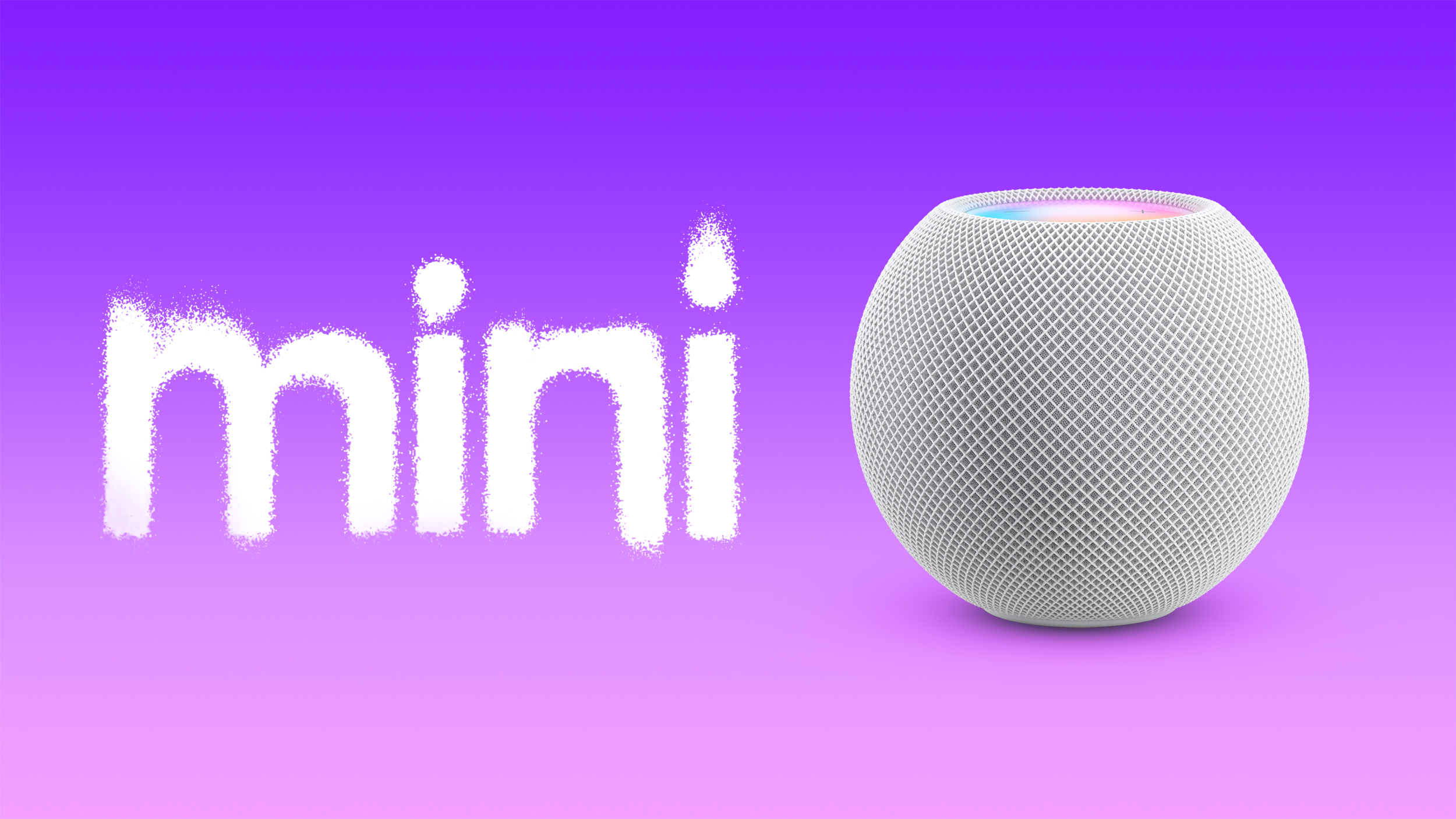
The Genesis of a Smart Speaker: Introducing the HomePod mini
Apple first pulled back the curtain on the HomePod mini during its highly anticipated iPhone 12 event on October 13, 2020. This was a pivotal moment for Apple's smart home strategy. The company had previously ventured into the smart speaker market with the original HomePod, a device celebrated for its incredible audio quality but criticized for its premium price tag and limited smart assistant capabilities compared to rivals. The original HomePod, launched at $349, was a testament to Apple’s audio engineering prowess, delivering rich, room-filling sound. However, its high cost placed it out of reach for many consumers looking for an accessible entry into the smart home ecosystem.
Recognizing this gap, Apple positioned the HomePod mini as a more accessible, smaller, and significantly more affordable alternative. Priced at just $99, it was designed to democratize Apple's smart home vision. Pre-orders began on November 6, 2020, followed by widespread availability on November 16. This pricing strategy was a clear signal: Apple wanted to put a HomePod in more homes, expanding its ecosystem beyond just high-end audio enthusiasts.
A Shift in Strategy: Mass-Market Appeal vs. Premium Audio
The philosophical difference between the original HomePod and the HomePod mini was profound. While the former prioritized uncompromised audio fidelity, the mini was engineered with a broader audience in mind. Apple aimed for a mass-market smart speaker that could be easily deployed throughout a home without breaking the bank. The goal was to offer a compelling smart speaker experience at a comparatively low cost, encouraging users to purchase multiple units for multi-room audio and enhanced smart home coverage.
Despite its smaller size and lower price, Apple made bold claims about the HomePod mini’s audio capabilities, describing it as delivering "amazing sound." This wasn't just about sound quality, however. The mini was designed from the ground up to be a versatile smart home hub. It integrated deeply with Siri, Apple's intelligent assistant, enabling voice control for music playback, answering questions, setting timers, and managing smart home devices. Its compact, spherical design wasn’t just aesthetically pleasing; it was engineered to project 360-degree audio, ensuring a consistent listening experience regardless of where the speaker was placed in a room. This design philosophy underscored Apple's intention to make the HomePod mini a seamless, ambient presence in users' daily lives.
Under the Hood: The Enduring Hardware of the HomePod mini
The technical specifications of the HomePod mini reveal a thoughtfully engineered device that, despite its age, continues to deliver a solid user experience. At its core, the mini is powered by the Apple S5 chip. This is a significant detail, as the S5 is the same processor found in the Apple Watch Series 5. Repurposing a chip from a wearable device allowed Apple to leverage existing, proven technology, likely contributing to the HomePod mini's relatively affordable price point and compact size. The S5 chip is responsible for all the heavy lifting, from processing Siri commands to handling computational audio algorithms that optimize sound output for the speaker's small form factor.
In terms of audio components, the HomePod mini features a single full-range driver. This driver is designed to handle the entire spectrum of audible frequencies, producing clear vocals and instruments. To enhance bass response, a common challenge for small speakers, Apple incorporated dual passive radiators. These components don't produce sound directly but vibrate in response to the air pressure created by the active driver, effectively amplifying lower frequencies and giving the mini a surprising amount of punch for its size.
For smart assistant functionality, the device is equipped with a four-microphone array. This array is crucial for accurate Siri recognition, allowing the speaker to pick up voice commands even when music is playing or in noisy environments. The microphones use beamforming technology to focus on the user's voice and filter out background noise, ensuring that Siri hears and understands commands clearly.
Connectivity and Smart Home Prowess
Beyond its audio and processing capabilities, the HomePod mini shines as a central component of Apple's smart home ecosystem thanks to its comprehensive connectivity features:
- 802.11n Wi-Fi: This standard ensures reliable wireless connection to the internet for streaming music, accessing Siri, and receiving software updates.
- Bluetooth 5.0: While the HomePod mini primarily relies on Wi-Fi for its smart features, Bluetooth 5.0 enables direct audio streaming from devices and can also be used for initial setup and communication with some smart accessories.
- Ultra Wideband (UWB): This is a standout feature for the HomePod mini. UWB technology allows for precise spatial awareness and proximity-based interactions. The most prominent example is the "hand-off" feature: simply bring your iPhone close to the HomePod mini, and music or a phone call seamlessly transfers between the devices. This provides a magical, intuitive user experience that distinguishes it from other smart speakers.
- Thread Networking: Perhaps the most forward-looking feature of the HomePod mini is its support for Thread networking. Thread is a low-power, mesh networking protocol specifically designed for smart home devices. Unlike Wi-Fi, which typically connects devices directly to a router, Thread devices can talk to each other, creating a self-healing mesh network that extends range and improves reliability. This makes the HomePod mini an excellent smart home hub, capable of controlling and communicating with a wide range of compatible smart home accessories, especially those supporting the new Matter standard. It acts as a Thread Border Router, bridging the Thread network to your Wi-Fi network and the internet, allowing you to control Thread devices even when you're away from home.
A Timeless Design: Cosmetic Updates, Unchanged Core
Over its 2,000-day lifespan, the HomePod mini has undergone very few changes, most of which have been purely cosmetic. In 2021, Apple expanded the color palette, introducing vibrant blue, yellow, and orange options to complement the original white and space gray finishes. These new colors allowed users to better integrate the device into their home decor and expressed a more playful side of Apple's design philosophy. Later, the "space gray" option was subtly replaced with a "midnight" variant, a slightly darker and richer shade that aligns with other Apple products like the iPhone and MacBook Air.
Beyond these visual enhancements, the underlying hardware of the HomePod mini has remained completely unchanged. This consistency is highly unusual for an Apple product. Typically, after a year or two, Apple releases a "second generation" or an "S" model with an updated chip, improved sensors, or other internal enhancements. The HomePod mini has defied this trend, making it one of the longest-running Apple devices without a significant specification revision. This longevity can be interpreted in several ways: perhaps Apple believed the original hardware was sufficiently capable for its intended purpose, or perhaps its focus has been on software updates to enhance its functionality, or it might be waiting for a significant technological leap before launching a true successor.
The Anticipated Second Coming: What to Expect from a HomePod mini 2
Given the HomePod mini's remarkable longevity, anticipation for a second-generation model has been steadily building. Industry observers and leakers widely expect Apple to release an updated HomePod mini sometime soon. The most consistent expectation revolves around a critical internal upgrade: a move to a newer Apple Silicon chip, replacing the current S5 processor.
A newer chip – likely an S8 or S9 from recent Apple Watch models – would bring a host of improvements. Primarily, it should enhance responsiveness, making Siri quicker to react and more capable of handling complex requests. It would also significantly boost computational audio performance, allowing for even more sophisticated sound processing to squeeze better audio quality out of the same compact enclosure. Furthermore, a more powerful chip would provide greater "headroom" for future Siri features, particularly as Apple leans into more advanced on-device AI and machine learning capabilities.
Beyond the core processor, other potential hardware upgrades for a second-generation HomePod mini include:
- A second-generation Ultra Wideband chip: This would likely improve the precision and reliability of proximity-based features like music hand-off and potentially enable new location-aware smart home functionalities.
- Apple's N1 Bluetooth and Wi-Fi chip: Incorporating Apple's custom-designed N1 chip, already found in some other Apple devices, could lead to more robust and efficient wireless connectivity, improving overall network performance and reliability for the smart speaker.
Siri's Evolution: The Reason Behind the Delay?
Intriguingly, reports suggest that a new HomePod mini has been in the pipeline for some time. It was reportedly "ready" to launch as early as late last year. However, recent information indicates that the device is now "on hold" until Apple releases its more personalized version of Siri later this year. This is a crucial piece of the puzzle, suggesting that Apple views the advancement of its intelligent assistant as intrinsically linked to the next generation of its smart home hardware.
The revamped Siri is expected to debut in iOS 27, the next major software update for iPhones and iPads. iOS 27 will be available in beta for developers starting in June, likely during Apple's annual Worldwide Developers Conference (WWDC), and should be released to all users with compatible iPhones in September. This new version of Siri is rumored to be a significant overhaul, incorporating advanced AI models, better contextual understanding, and more personalized responses. It's likely designed to be more proactive, intuitive, and capable of handling complex, multi-step requests, moving beyond its current, often rigid, command-and-response structure.
Holding back a hardware launch for a software feature underscores Apple's strategic emphasis on the integrated experience. It suggests that the full potential of the new HomePod mini hardware, particularly its increased processing power, will only be unlocked and fully showcased with the capabilities of this next-generation Siri. This integrated approach is a hallmark of Apple's product philosophy, ensuring that hardware and software work in seamless synergy to deliver a superior user experience.
The HomePod mini's Enduring Role in the Apple Ecosystem
Over its 2,000-day journey, the HomePod mini has solidified its position as a cornerstone of the Apple ecosystem. It serves as an accessible entry point for users into Apple's smart home vision, integrating seamlessly with other Apple devices:
- iPhone and iPad: Control music, manage smart home accessories through the Home app, and enjoy the intuitive hand-off feature.
- Apple Watch: Control music playback or initiate Siri commands directly from your wrist.
- Apple TV: Use HomePod mini as a default speaker for Apple TV, creating a more immersive home theater experience, especially when paired in stereo.
- Mac: Stream audio from your Mac to the HomePod mini via AirPlay 2 for high-quality sound.
Beyond individual device interactions, the HomePod mini plays a vital role as a HomeKit hub. This means it can remotely control your HomeKit-compatible smart accessories (like lights, thermostats, and locks) even when you're away from home. Its support for Thread networking further enhances its capabilities, allowing it to act as a central bridge for a new generation of smart home devices that use this low-power, highly reliable standard. This makes the HomePod mini not just a smart speaker, but a crucial piece of infrastructure for a truly connected Apple smart home.
Navigating the Smart Speaker Landscape: HomePod mini vs. the Competition
The smart speaker market is fiercely competitive, dominated by giants like Amazon with its Echo devices and Google with its Nest speakers. The HomePod mini operates in this challenging environment, differentiating itself through several key factors:
- Privacy: Apple places a strong emphasis on user privacy. Siri requests processed on the HomePod mini are designed to minimize data collection, and voice recordings are not stored by default. This contrasts with some competitors, where data handling practices have raised concerns among privacy-conscious users.
- Audio Quality (for its size): While not a premium audiophile device like the original HomePod, the mini offers surprisingly rich and balanced sound for its compact footprint, often outperforming similarly priced competitors.
- Ecosystem Integration: Its deep integration with Apple's services, HomeKit, and other devices is a major draw for existing Apple users. This seamless experience creates a cohesive smart home environment that is often difficult for cross-platform users to replicate.
- Thread and Ultra Wideband: These advanced networking technologies give the HomePod mini a future-proof advantage in the smart home space, offering capabilities that many competitors lack.
However, the HomePod mini also faces challenges. Siri, while improving, has historically lagged behind Amazon Alexa and Google Assistant in terms of raw functionality, breadth of integrations, and conversational fluency. The pricing, while competitive for Apple, is still higher than entry-level Echo Dots or Google Nest Minis, which often retail for significantly less, especially during sales. Nonetheless, for users deeply embedded in the Apple ecosystem, the HomePod mini offers a compelling and secure smart speaker solution.
The "Don't Buy" Dilemma: Why the Current Advice Matters
Despite celebrating its 2,000-day milestone and acknowledging its many strengths, it's important to address the current buyer's guide recommendation for the HomePod mini. MacRumors, a respected authority on Apple products, currently advises "Don't Buy" the HomePod mini. This seemingly contradictory advice is entirely logical and necessary for consumers.
The primary reason for this recommendation is the device's age. While the HomePod mini has proven incredibly durable and capable for its time, 2,000 days is a long time in tech. Its internal S5 chip is several generations old compared to current Apple processors. The expectation of an imminent second-generation model with significant upgrades, particularly a faster chip and a more capable Siri, makes purchasing the current model now less advisable. Buying today means investing in older technology when a much improved version is likely just around the corner, potentially within a few months.
For potential buyers, waiting means getting a device with:
- Improved performance for faster Siri responses and smoother interactions.
- Enhanced computational audio for even better sound quality.
- New capabilities leveraging the redesigned, personalized Siri.
- Potentially updated connectivity features like a newer UWB chip for even more precise interactions.
Therefore, while the existing HomePod mini continues to function admirably for current owners, those looking to purchase a new one are best advised to hold off. The investment will yield a more advanced and future-proof device if they can wait for the anticipated refresh.
Conclusion: A Milestone, a Legacy, and a Look Ahead
The Apple HomePod mini reaching its 2,000-day milestone is a remarkable achievement. It stands as a testament to Apple's design and engineering philosophy, creating a product that, despite its initial specifications, has remained relevant and useful for an exceptionally long period through consistent software updates and its foundational integration into the smart home ecosystem. It successfully pivoted Apple's smart speaker strategy from premium audio niche to mass-market accessibility, becoming a beloved device for countless Apple users.
Its journey, from a promising alternative to a foundational smart home hub, showcases its enduring value. However, the tech world never stands still. The anticipation for a second-generation HomePod mini, coupled with the imminent arrival of a significantly overhauled Siri, points to an exciting future. This next chapter promises to blend advanced hardware with a more intelligent and personalized assistant, ensuring that the HomePod mini continues to evolve and play a central role in Apple’s vision for the connected home.
For now, we celebrate the original HomePod mini's incredible run, acknowledging its impact and eagerly awaiting the innovations that the next 2,000 days will bring.
This article, "HomePod Mini Is Now 2,000 Days Old" first appeared on MacRumors.com
Discuss this article in our forums
from MacRumors
-via DynaSage
