
Hardcore Survival Sim With A Deadly Twist Makes Enough In 24 Hours To Stay For ‘Years And Years To Come’
The Incredible Story of Road to Vostok: A Solo Developer's Journey to Steam Bestseller Status
In the vast and competitive world of video games, it's rare to see a title developed by a single person rise to prominence, especially on a platform as massive as Steam. Yet, this is precisely the inspiring story of Road to Vostok, a survival shooter that has captured the hearts of players worldwide and achieved bestseller status. This game isn't just another entry in the crowded gaming market; it represents the triumph of passion, dedication, and a singular vision brought to life by one individual. Its success offers a compelling narrative about what's possible when a developer pours their entire being into creating an authentic and compelling experience, proving that even a small team—or in this case, a team of one—can compete with industry giants.
Road to Vostok stands out not only for its impressive commercial performance but also for the sheer scope of its ambition. Developing a complex game, complete with intricate mechanics, a detailed world, and engaging gameplay, is a monumental task for any studio, let alone a solo developer. This achievement resonates deeply within the gaming community, inspiring aspiring game creators and reminding players of the magic that can happen when creativity meets relentless effort. Let's dive deeper into what makes Road to Vostok such a remarkable phenomenon and explore the journey behind its meteoric rise.
What is Road to Vostok? Unpacking the Game's Core
At its heart, Road to Vostok is a hardcore survival game set in a post-apocalyptic border zone between Finland and Russia. Players are thrown into a desolate, unforgiving landscape where every decision matters, and survival is a constant struggle. The game draws heavily from classic survival-horror elements and tactical shooters, blending them into a unique experience that emphasizes realism, tension, and strategic thinking. It’s a world where resources are scarce, threats are ever-present, and the environment itself is as dangerous as any enemy. Players must scavenge for supplies, manage their health and well-being, craft essential items, and engage in tense firefights against both AI adversaries and, in some modes, other players. The atmosphere is thick with dread, isolation, and a constant sense of impending danger, creating a truly immersive and challenging experience.
The game's premise revolves around exploring various zones, each with its own level of danger and valuable loot. These zones are interconnected, encouraging players to plan their routes carefully, understand the risks involved, and adapt to dynamic environmental conditions. A central hub or safe zone often serves as a temporary refuge, allowing players to store their hard-won gear, trade with vendors, and prepare for their next excursion into the wilderness. The narrative, while often subtle and emergent through environmental storytelling, hints at a larger geopolitical catastrophe that led to the world's current state, adding layers of depth to the player's desperate struggle for survival. This blend of exploration, resource management, and high-stakes combat forms the backbone of Road to Vostok's compelling gameplay loop.
The Vision Behind the Desolation: Setting and Atmosphere
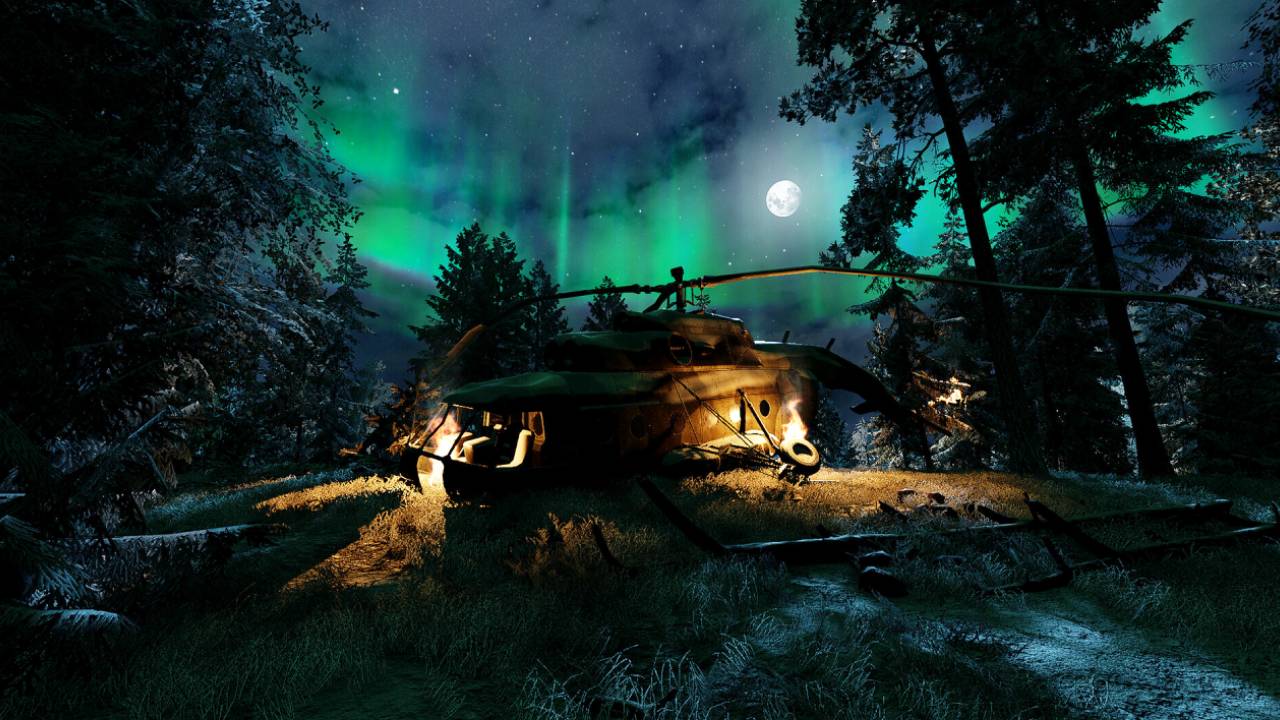
The game's setting is crucial to its appeal. The concept of a desolate borderland, abandoned and reclaimed by nature, provides a chillingly realistic backdrop for the survival mechanics. Imagine vast, snow-covered forests, dilapidated Soviet-era buildings, forgotten military installations, and remote industrial complexes – all rendered with meticulous attention to detail. This visual fidelity, combined with an outstanding sound design that captures the eerie silence of the wilderness broken only by distant gunshots or the howl of the wind, creates an oppressive yet captivating atmosphere. The sense of isolation is palpable, enhanced by the often-low player count in certain game modes, making every encounter feel significant and every moment of peace fragile.
This commitment to atmosphere extends to the game's overall design philosophy. There are no flashy user interfaces or hand-holding tutorials. Players are expected to learn through experience, to observe their surroundings, and to infer the rules of the world. This hardcore approach, while potentially daunting for newcomers, is precisely what appeals to its dedicated fanbase. It fosters a deep sense of accomplishment when players successfully navigate a treacherous area, outwit a cunning enemy, or secure a rare piece of equipment. The world of Road to Vostok doesn't just provide a playground for survival; it's a character in itself, constantly challenging and often unforgiving, demanding respect and strategic engagement from its inhabitants.
A Testament to Tenacity: The Solo Developer's Journey
The fact that Road to Vostok is a "one-man game" is perhaps its most astonishing feature. In an industry dominated by studios employing hundreds, if not thousands, of developers, the creation of a full-fledged, graphically intensive, and mechanically complex title by a single individual is nothing short of miraculous. This solo developer, whose dedication has become legendary among fans, has taken on every role traditionally split across an entire team: game designer, programmer, artist, sound engineer, writer, and even community manager. This level of commitment speaks volumes about their passion and skill.
The journey to creating such a game is fraught with immense challenges. Picture countless hours spent coding intricate AI behaviors, meticulously designing environmental assets, optimizing performance across various hardware configurations, and fine-tuning gameplay balance—all alone. There’s no team to bounce ideas off of, no dedicated QA department to catch bugs, and no marketing team to promote the game. Every problem that arises, from a stubborn graphical glitch to a fundamental design flaw, rests solely on the shoulders of this one person. This intensive, multi-faceted workload requires not only exceptional technical proficiency but also an unparalleled level of self-discipline and perseverance. The developer's blog and social media updates, though sparse, often provide glimpses into the sheer amount of work involved, making their eventual success all the more impressive. You can often find updates and insights into their development process on platforms like their imagined official website at www.roadtovostok.com.
Gameplay Mechanics: Realism, Risk, and Reward
Road to Vostok distinguishes itself through a commitment to realism in its gameplay mechanics. Combat is unforgiving, with bullet ballistics, weapon recoil, and damage models designed to be as authentic as possible. This means no health bars popping up above enemies, no automatic health regeneration, and often, death from a single well-placed shot. Players must master weapon handling, understand cover mechanics, and utilize tactical positioning to survive firefights. The inventory system is also grounded in realism, requiring careful management of weight and space, forcing players to make tough decisions about what to carry and what to leave behind.
Beyond combat, the game integrates deep survival elements. Thirst, hunger, and fatigue are ever-present concerns, requiring players to constantly seek out food, water, and safe places to rest. Injuries are complex, with different types of wounds requiring specific medical treatments, adding another layer of challenge and immersion. Crafting is essential for survival, allowing players to turn scavenged materials into useful items, from makeshift weapons and armor to essential medical supplies. The risk-reward loop is central to the experience: venturing into high-danger areas promises better loot but also carries the greater risk of losing everything. This creates a constant tension and makes every successful extraction feel like a hard-won victory.
Why Road to Vostok Became a Steam Bestseller
The jump from a solo project to a Steam bestseller is no small feat. Several factors contributed to Road to Vostok's remarkable success. Firstly, the game tapped into a specific niche of players yearning for a truly hardcore, realistic survival experience. While many games offer survival elements, few commit to the level of uncompromising realism found in Vostok. This authenticity resonated deeply with a dedicated segment of the gaming community tired of more arcade-like experiences.
Secondly, the developer's transparent and consistent communication with the community played a crucial role. Despite being a one-person team, regular updates, dev logs, and direct engagement with player feedback fostered a strong sense of trust and investment. Players felt they were part of the development journey, and their voices were heard. This community-driven development approach created a loyal fanbase even before the game's full release.
Thirdly, the game benefited significantly from word-of-mouth and coverage by prominent streamers and content creators. Early access builds and regular demo updates, available through the game's Steam page Road to Vostok on Steam, provided engaging content for viewers, showcasing the game's unique blend of tension and realism. When popular personalities showcased the game's brutal difficulty and rewarding gameplay, it quickly garnered widespread attention, drawing in new players eager to test their mettle.
Finally, the sheer underdog story of a single developer achieving such a feat is inherently appealing. It’s a narrative that inspires and captures imagination, making players want to support the project not just for the game itself, but for the inspiring story behind it. This emotional connection, combined with a genuinely well-executed game, created a powerful formula for success.
The Power of Steam for Indie Developers
Steam, Valve's digital distribution platform, has become a vital ecosystem for independent game developers, and Road to Vostok's journey highlights its immense potential. Steam provides an unparalleled global reach, allowing developers to present their games to millions of potential players worldwide without the need for traditional publishers. Its robust tools for community engagement, wishlisting, early access programs, and discoverability features are crucial for indie titles.
The Early Access program, in particular, proved to be a game-changer for Road to Vostok. It allowed the solo developer to release an unfinished but playable version of the game, gather crucial feedback, and fund continued development through early sales. This iterative process, driven by direct player input, helped shape the game into what it is today, ensuring that features were aligned with player desires and that bugs were addressed promptly. Steam's review system and community forums also created a space for players to discuss the game, offer suggestions, and form a dedicated community, all contributing to its organic growth and visibility on the platform.
Looking Ahead: Community, Updates, and the Future
Even after achieving bestseller status, the journey for Road to Vostok is far from over. The solo developer remains deeply committed to the project, regularly interacting with the community and releasing updates based on player feedback. This ongoing development ensures that the game continues to evolve, addressing player concerns, introducing new content, and refining existing mechanics. Future updates often include new weapons, gear, areas to explore, and perhaps even expanded lore elements that delve deeper into the game's mysterious world.
The community's role in this ongoing development cannot be overstated. From bug reporting to suggesting quality-of-life improvements and entirely new features, players actively contribute to the game's growth. This collaborative spirit transforms Road to Vostok into more than just a product; it becomes a living project, nurtured by both its creator and its dedicated player base. This sustained engagement promises a long and exciting future for the game, as it continues to expand its world and deepen its gameplay, further solidifying its place as a beloved hardcore survival experience.
Lessons for Aspiring Solo Developers
The success of Road to Vostok offers invaluable lessons for anyone dreaming of developing their own game, especially as a solo creator. Firstly, it underscores the importance of a clear and focused vision. Instead of trying to please everyone, the developer honed in on a specific niche and delivered an experience tailored to that audience. This clarity allowed for consistent decision-making and a cohesive game design.
Secondly, passion and perseverance are paramount. Game development is a marathon, not a sprint, and there will be countless moments of frustration and doubt. The solo developer's ability to push through these challenges, fueled by an unwavering love for their project, is a key takeaway. Thirdly, community engagement is vital. Building a relationship with players early on, listening to their feedback, and being transparent about the development process can transform early adopters into lifelong supporters and advocates.
Finally, leveraging platforms like Steam effectively is crucial. Utilizing tools like Early Access, regularly updating the store page, and engaging with content creators can significantly boost a game's visibility and commercial viability. Road to Vostok is a powerful reminder that with enough dedication, skill, and smart strategy, a single individual can create something truly extraordinary that resonates with players on a global scale. You can follow the developer's journey and future announcements on their social media, for example, on X (formerly Twitter) at @roadtovostok.
Conclusion: An Inspiring Beacon in Indie Gaming
Road to Vostok is more than just a game; it's a testament to the power of individual creativity and perseverance. Its journey from a humble solo project to a Steam bestseller is an inspiring narrative that challenges the conventional wisdom of game development. It proves that a truly compelling vision, meticulously executed, can captivate an audience even without the backing of a large studio or a massive marketing budget. The game's brutal realism, immersive atmosphere, and deep survival mechanics have carved out a significant niche, attracting players who crave a genuine challenge and an authentic experience.
As the game continues to evolve with ongoing updates and community involvement, Road to Vostok stands as a shining example for aspiring indie developers worldwide. It’s a powerful reminder that with enough passion, talent, and dedication, the road to success, no matter how difficult or isolated, can indeed lead to widespread recognition and a thriving community. The story of this one-man game is a beacon of hope, demonstrating that the heart and soul poured into a project can truly make it a bestseller.
from Kotaku
-via DynaSage
