
Four New Images Of Spider-Man: Beyond The Spider-Verse Hint At What We Can Expect
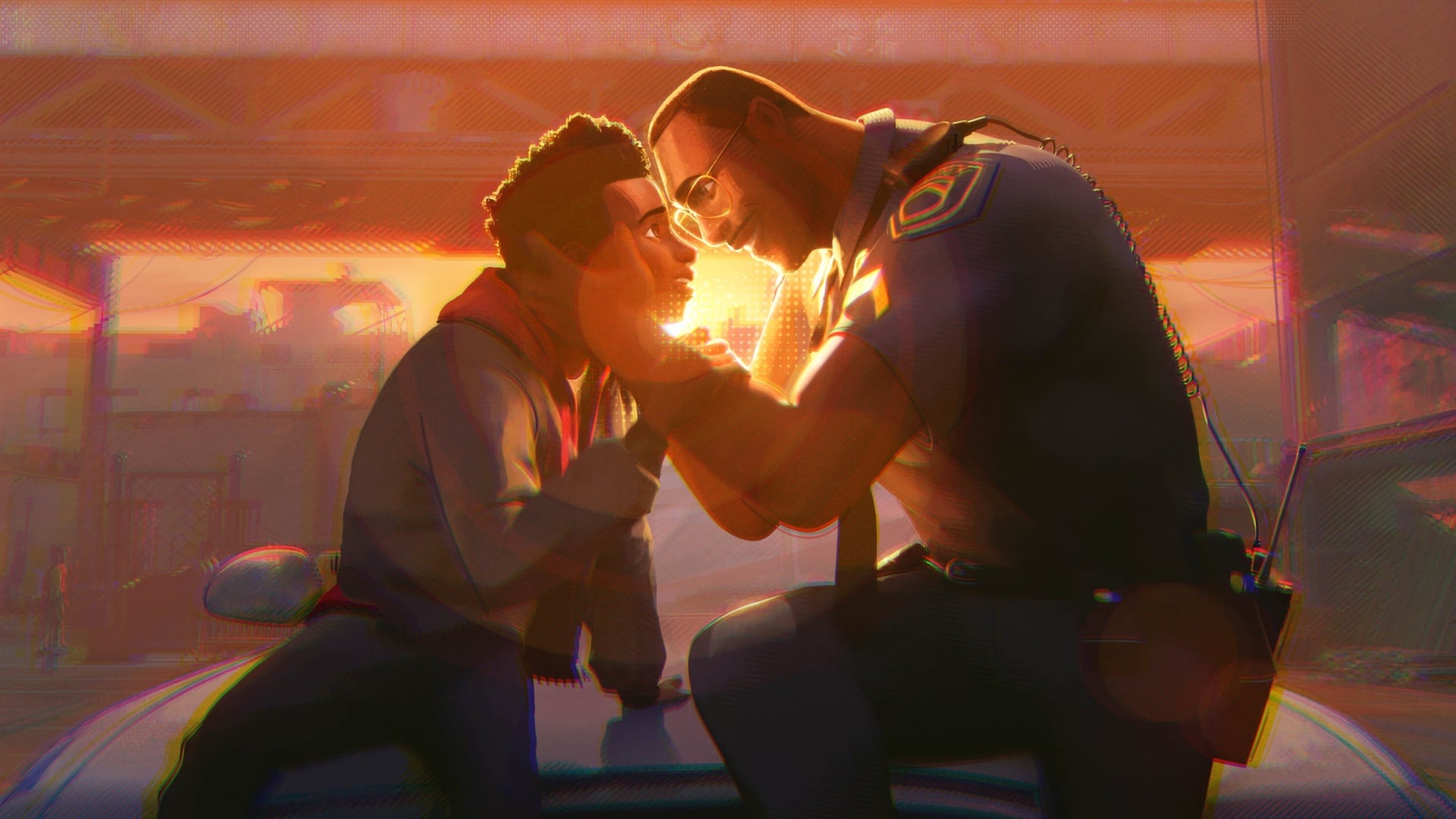
Fans eagerly awaiting the next chapter in the groundbreaking animated Spider-Verse saga will need to extend their patience a little longer. The highly anticipated animated movie, which continues the incredible adventures of Miles Morales and his multiversal allies, was originally scheduled to swing into theaters in 2024. This initial release target, however, has been adjusted, marking a new chapter in the production journey of one of the most beloved and critically acclaimed animated franchises of our time. While delays can often bring a twinge of disappointment, they frequently signify a commitment to unparalleled quality, ensuring the final product lives up to the immense expectations set by its predecessors.
The Shifting Sands of the Spider-Verse: Understanding the Latest Delay
The world of cinematic animation is a complex tapestry woven with intricate artistry, cutting-edge technology, and countless hours of dedicated work. For a franchise as revolutionary and visually stunning as the Spider-Verse, every extra moment in production is often a deliberate investment in perfection. The news that the next installment, widely believed to be the thrilling conclusion to the current arc, has moved beyond its initial 2024 release date is a clear indicator of the immense scale and artistic ambition involved. This isn't just another cartoon; it's a meticulously crafted piece of art that redefines what animated films can achieve.
The journey of Miles Morales began with Spider-Man: Into the Spider-Verse, a film that not only introduced audiences to a vibrant new take on Spider-Man but also shattered traditional animation paradigms. Its sequel, Spider-Man: Across the Spider-Verse, pushed these boundaries even further, delivering a visual feast and an emotionally resonant story that left audiences clamoring for more. The upcoming film, unofficially referred to by many as "Beyond the Spider-Verse," carries the weight of incredible anticipation, tasked with concluding a narrative arc that has captivated millions globally. This immense pressure, coupled with the desire to maintain the series' signature standard of excellence, often necessitates a more flexible production timeline.
A Legacy of Innovation: Why the Spider-Verse Demands Extra Time
The Spider-Verse films aren't just celebrated for their compelling narratives and deeply developed characters; they are monumental achievements in animation. Their distinctive visual style, which blends traditional comic book aesthetics with groundbreaking computer-generated imagery, requires an extraordinary amount of time and effort from an army of talented artists, animators, and technical directors. Each frame is a masterpiece, a deliberate choice to break away from the smooth, often uniform look of many contemporary animated films. This commitment to a unique, handcrafted feel inherently adds layers of complexity and time to the production process.
Consider the sheer volume of unique character designs, the varied animation styles used to represent different dimensions and characters, and the intricate action sequences that feel ripped straight from a comic book panel. Animating Miles Morales's unique movements, Gwen Stacy's graceful acrobatics, or the chaotic energy of the Spider-Society requires a level of detail and artistic control that few other productions attempt. To rush such a process would be to compromise the very essence of what makes these films so special and beloved. Sony Pictures Animation and the creative minds behind the franchise, including producers Phil Lord and Christopher Miller, have consistently prioritized artistic integrity over rigid deadlines, a philosophy that has undeniably contributed to the series' critical and commercial triumph.
The Intricacies of Animated Film Production
Developing an animated feature film, particularly one of this magnitude, is a multi-year endeavor. It typically involves several key stages, each fraught with potential for adjustments and extensions:
- Story Development and Scriptwriting: Crafting a cohesive narrative, especially one that spans multiple universes and intertwines complex character arcs, is a colossal task. Rewrites and refinements are common as the story evolves and takes shape.
- Visual Development and Character Design: Creating the unique look and feel of each character, environment, and prop demands extensive conceptual art and design work.
- Storyboarding: Artists translate the script into a visual sequence of panels, essentially pre-visualizing the entire film shot by shot. This stage is crucial for timing, pacing, and comedic delivery.
- Voice Acting: Recording the vocal performances from a stellar cast. Scheduling these busy actors can often be a logistical challenge, and re-recordings (ADR) are frequent as the animation progresses.
- Layout and Pre-visualization: The storyboards are translated into a 3D space, establishing camera angles, character blocking, and scene compositions.
- Animation: This is arguably the most time-consuming stage, where animators painstakingly bring every character and object to life, frame by frame. For Spider-Verse, with its multiple animation styles and high frame rate, this is especially demanding.
- Lighting and Effects: Adding dynamic lighting, visual effects (like powers, explosions, web-slinging), and environmental details that enhance the visual storytelling.
- Compositing: Combining all the different animated layers, backgrounds, effects, and characters into final images.
- Music and Sound Design: Composing the score, creating sound effects, and mixing the final audio.
Any hiccup or creative change in one stage can have a ripple effect, impacting subsequent stages and potentially extending the overall timeline. The Spider-Verse films are known for their experimental nature, often pushing boundaries mid-production, which, while leading to groundbreaking results, naturally requires more flexibility.
Fan Expectations and the Value of Patience
When an initial release date is announced, it sets a firm expectation among fans. The subsequent shift can understandably lead to disappointment. Social media platforms often light up with a mix of frustration and understanding whenever such news breaks. However, the history of this particular franchise, and indeed many beloved animated properties, suggests that patience is almost always rewarded with a superior product.
Fans of the Spider-Verse saga aren't just passive viewers; they are deeply invested in Miles Morales's journey, his relationships with Gwen Stacy and Peter B. Parker, and the broader implications of the multiverse. The cliffhanger ending of Across the Spider-Verse left audiences on the edge of their seats, eager to see how Miles will escape the predicament he finds himself in and what fate awaits his friends and family. This intense anticipation only magnifies the feeling of a delay, yet it also underscores the importance of getting the ending just right.
The "It'll Be Ready When It's Ready" Philosophy
The entertainment industry has increasingly adopted a "it'll be ready when it's ready" approach, especially for high-profile projects that are critical to a studio's reputation and future franchises. This philosophy prioritizes artistic vision and quality control over hitting arbitrary dates. While marketing and financial teams prefer fixed schedules, the creative teams often advocate for the time needed to refine, polish, and innovate.
The Spider-Verse series, with its incredible success and awards recognition (including an Oscar for Best Animated Feature for the first film), has earned the goodwill and trust of both critics and audiences. This trust allows the creative team more latitude in their production schedule, knowing that the eventual release will likely justify the extended wait. This is a stark contrast to projects that are rushed to meet deadlines, often resulting in critical backlash and a diminished reputation. The delay, therefore, can be seen as a vote of confidence in the quality of the project and the integrity of the filmmakers.
Looking Ahead: What Does the Delay Mean for the Film?
While official reasons for the delay are rarely detailed beyond general statements about "production timelines" or "creative adjustments," the extra time typically allows for several crucial improvements:
- Refinement of Animation: Even the most stunning sequences can be polished further. Artists might add more subtle expressions, refine movements, or enhance environmental details.
- Story Tweaks: Writers and directors can take additional time to ensure the narrative flows perfectly, character arcs are fully realized, and emotional beats land with maximum impact. This is particularly important for a climactic chapter.
- Technical Enhancements: New software or rendering techniques might be implemented, or existing ones optimized to achieve even more breathtaking visuals.
- Addressing Production Challenges: Large-scale animated productions inevitably encounter unforeseen hurdles. Extra time allows the team to meticulously address these without compromising other aspects.
- Crew Well-being: Maintaining a reasonable workload for the hundreds of artists and technicians involved is crucial for quality and morale. Rushing can lead to burnout and a decline in output.
The delay from 2024 opens up possibilities for an even more spectacular and emotionally resonant film. It suggests that the creative team is committed to delivering a conclusion that not only satisfies fan expectations but also surpasses them, cementing the Spider-Verse as one of the most significant animated franchises in cinematic history. The specific new release date remains to be seen, but it's likely that the studio will announce it once they have a clearer picture of the remaining production schedule.
The Impact on the Broader Spider-Verse Universe
The Spider-Verse films have not only revitalized Spider-Man in animation but have also had a significant impact on the broader live-action Spider-Man universe, even inspiring the look and feel of certain elements in other productions. Delays in the animated flagship could subtly affect the pacing of any potential spin-offs or interconnected projects. However, given the self-contained nature of the main trilogy's narrative arc, the primary focus will remain on ensuring a perfect send-off for Miles's story.
It's also worth noting the influence these films have had on the animation industry as a whole. They've encouraged other studios to experiment with different visual styles and storytelling techniques. A delay, in this context, might even provide more time for the team to further innovate and push the boundaries, setting new standards for future animated features across the industry.
Anticipating "Beyond the Spider-Verse": What We Hope to See
While the wait continues, the anticipation for "Beyond the Spider-Verse" only grows. Fans are buzzing with theories and hopes for the grand finale. The stakes are incredibly high after the gripping conclusion of "Across the Spider-Verse," which left Miles Morales trapped in an alternate dimension, separated from his allies, and confronting a dire personal threat.
Key narrative points that the film is expected to address include:
- Miles's Escape and Reunion: How will Miles return to his own dimension and reunite with Gwen, Peter B., and the rest of his team? This journey is expected to be central to his character development.
- The Fate of the Multiverse: The concept of "canon events" and the stability of the multiverse are at stake. Will Miles find a way to forge his own path without destroying the fabric of reality, or will a new understanding of canonical events emerge?
- The Conflict with Miguel O'Hara (Spider-Man 2099): The ideological clash between Miles's desire to save everyone and Miguel's belief in preserving the established order is a major driving force. Their confrontation is bound to be epic.
- Gwen Stacy's Leadership: Gwen has taken on a significant leadership role, assembling a team to rescue Miles. Her journey and growth are crucial to the narrative.
- Personal Stakes for Miles: The emotional core of the series has always been Miles's relationship with his family. His efforts to save his father and his own future will undoubtedly be a powerful element.
The visual spectacle is also a huge draw. Audiences expect the film to continue evolving its art style, potentially introducing new and even more outlandish dimensions and Spider-People. The blending of different animation techniques and the kinetic energy of the action sequences are hallmarks of the franchise, and fans are eager to see how these elements will be pushed further in the final installment.
Conclusion: The Promise of an Unforgettable Finale
The shift in the release schedule for the next animated Spider-Verse movie from its initial 2024 target is a reminder of the intricate and often unpredictable nature of high-quality film production. While the wait may feel longer, it is a testament to the creative team's unwavering dedication to delivering a cinematic experience that lives up to the groundbreaking legacy of its predecessors. The Spider-Verse films are more than just superhero stories; they are masterpieces of animation, storytelling, and character development, demanding the time and care necessary to achieve their visionary goals.
Every frame, every character interaction, and every multiversal leap in the Spider-Verse saga has been crafted with meticulous attention to detail. This commitment to excellence is precisely why the delays, though perhaps frustrating in the short term, are ultimately beneficial. They pave the way for a film that will not only resolve the thrilling cliffhanger of "Across the Spider-Verse" but also solidify its place in film history as a truly unique and influential animated series. So, as we patiently await the new official release date, we can rest assured that the extra time is being invested wisely, promising a finale that will be nothing short of spectacular and truly "beyond" our expectations.
What are your thoughts on the delay? What are you most excited to see in the next Spider-Verse movie? Share your predictions and hopes in the comments below!
from Kotaku
-via DynaSage
