
Double Dragon, River City Creator Yoshihisa Kishimoto Passes Away At 64
The Unyielding Spirit of the Streets: How Renegade and Double Dragon Redefined Video Game Beatdowns
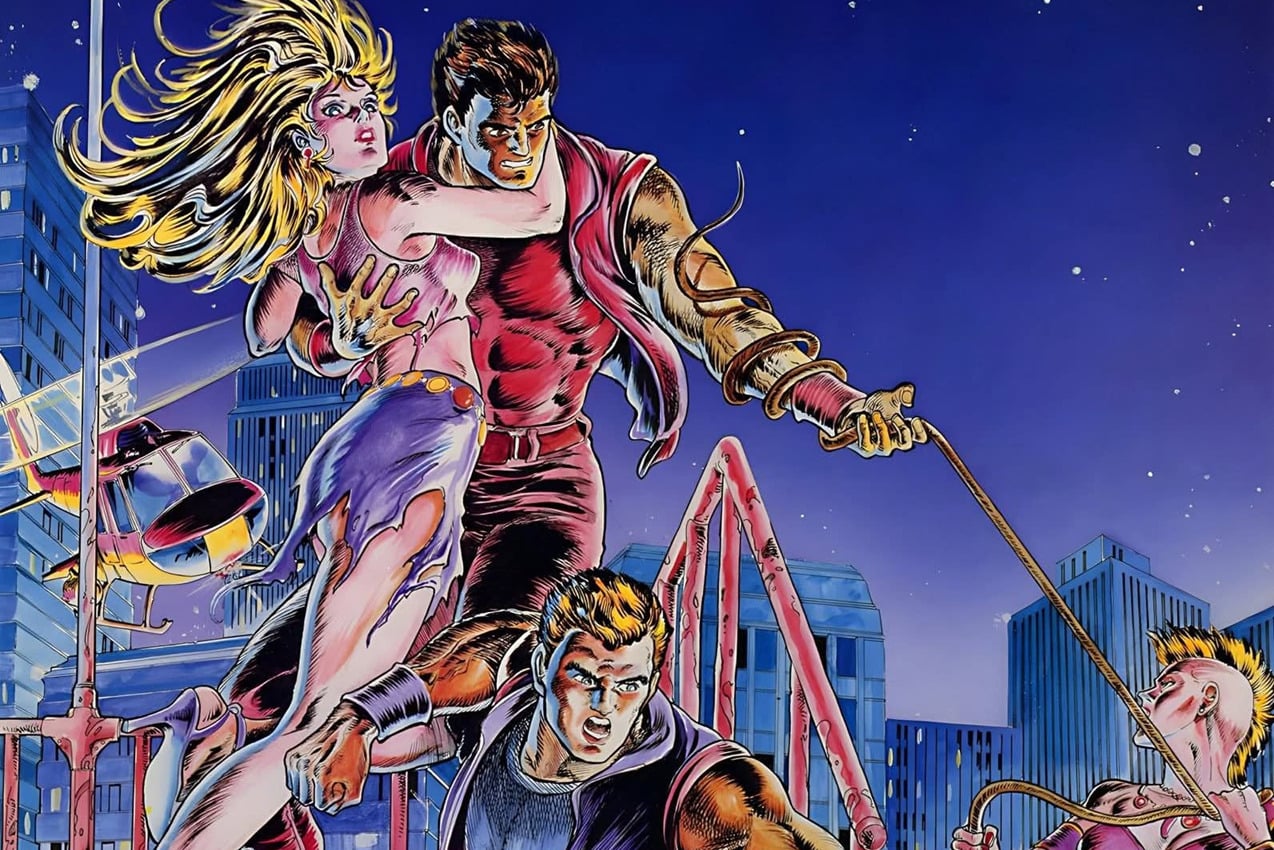
Every legendary video game genre has its foundational pillars, titles that didn't just entertain but fundamentally reshaped what was possible. For the beloved beat 'em up, or brawler, genre, that cornerstone was laid by a game called Renegade, a raw and gritty arcade hit that truly redefined how players experienced virtual street fights. Its creator, Yoshihisa Kishimoto, drew inspiration directly from his own experiences growing up in a tougher part of Tokyo, transforming youthful encounters and observations into a groundbreaking interactive experience that would spawn a lineage of classics, including the iconic Double Dragon series, famously depicted in the image above.
Before Renegade burst onto the arcade scene in 1986, beat 'em ups were a nascent genre, often characterized by simple, repetitive gameplay. While games like 1984's Kung-Fu Master offered the basic premise of a lone hero fighting through hordes of enemies, they typically limited movement to a single horizontal plane, moving strictly left or right. Combat was often simplistic, consisting of basic punches and kicks without much depth or strategic variety. These early attempts, while enjoyable, felt somewhat constrained, like stage plays where characters could only move along a narrow path. The environments were often generic, and the encounters lacked the visceral immediacy that Kishimoto envisioned.
Yoshihisa Kishimoto's Vision: From Real Life to Digital Brawls
Yoshihisa Kishimoto wasn't just a game designer; he was a storyteller who infused his personal history into his creations. Growing up in a rougher district of Tokyo, he witnessed firsthand the dynamics of street gangs and the raw, often unglamorous reality of urban conflict. This wasn't about fantastical monsters or martial arts tournaments; it was about survival, territory, and the stark physicality of human confrontation. This authentic background gave him a unique perspective, a desire to create a game that felt more grounded and impactful than anything seen before. He wanted players to feel the weight of each punch, the desperation of a street fight, and the satisfaction of overcoming truly menacing opponents.
Kishimoto's experiences shaped the core philosophy behind Renegade. He believed that to truly capture the essence of a street fight, the game needed to offer more than just simple button mashing. It needed strategy, environmental interaction, and a sense of vulnerability alongside power. This wasn't about creating superheroes; it was about regular people in extraordinary circumstances, battling against overwhelming odds. This commitment to realism, even within the confines of pixelated arcade graphics, became a hallmark of his design work and would lay the groundwork for a revolutionary new style of action game.
Renegade: The Birth of a Modern Brawler
When Renegade (known as Nekketsu Kōha Kunio-kun in Japan, or "Hot-Blooded Tough Guy Kunio") debuted, it immediately stood out. Its innovations were numerous and profound, setting new standards for the genre and influencing countless titles that followed. The game tasked players with navigating a series of urban environments, battling various street gangs to rescue the protagonist's kidnapped girlfriend. While the plot was fairly standard for the era, the execution was anything but.
Groundbreaking Movement and Combat
The most significant innovation in Renegade was its multi-directional movement system. Unlike its predecessors, players weren't confined to a single horizontal line. They could move up, down, left, and right on the screen, adding a crucial layer of tactical depth. This freedom of movement allowed for flanking maneuvers, strategic positioning, and a much more dynamic feel to the combat. No longer were players simply trading blows head-on; they could weave in and out of groups of enemies, creating space or cornering opponents, making each encounter feel less like a rigid exchange and more like an unfolding brawl.
Beyond movement, Renegade's combat system was revolutionary. It introduced a more sophisticated array of attacks, including punches, kicks, and crucially, the ability to grab and throw enemies. This grappling mechanic was a game-changer, allowing players to pick up opponents and slam them into walls or other enemies, adding a visceral sense of impact and environmental interaction. Enemies also had different fighting styles and behaviors, requiring players to adapt their tactics. Some would rush head-on, others would try to flank, and some might even use weapons. This variety forced players to think beyond simple attack patterns, making each fight a dynamic puzzle to solve rather than a mindless beatdown.
Gritty Atmosphere and Distinctive Art Style
Renegade also differentiated itself with its gritty, urban aesthetic. The game's environments — subway stations, back alleys, and city streets — felt dark and dangerous, reflecting the harsh realities Kishimoto aimed to portray. The character designs, while pixelated, conveyed a sense of toughness and menace, from the mohawked punks to the burly bikers. This realistic (for the time) portrayal stood in stark contrast to the more fantastical or cartoonish settings of many other arcade games. It grounded the experience, making the player feel like they were genuinely embroiled in a desperate fight for survival on unforgiving streets.
The game's art style and sound design perfectly complemented its themes, creating an immersive experience that pulled players into its world. The impact of punches and kicks was emphasized by satisfying sound effects, and the minimalist but effective music underscored the tension of each level. This combination of innovative gameplay, compelling visual design, and evocative audio created a powerful impression that resonated deeply with arcade-goers, laying down a formidable gauntlet for future developers in the genre.
From Renegade to Double Dragon: A Legacy Unfolds
While Renegade was a smash hit, Kishimoto wasn't content to rest on his laurels. He saw the potential to refine and expand upon the foundational ideas he had established. This ambition led him and his team at Technōs Japan to create what would become the true titan of the beat 'em up genre: Double Dragon.
Released in 1987, just a year after Renegade, Double Dragon took everything that made its predecessor great and amplified it. The core premise was similar: two martial arts masters, Billy and Jimmy Lee, fight through a city overrun by the Black Warriors gang to rescue Marian, Billy's girlfriend. However, Double Dragon introduced several key advancements that cemented its place in gaming history.
The Power of Two: Co-operative Play
Perhaps the most monumental innovation in Double Dragon was its simultaneous two-player co-operative mode. While other games had offered turn-based multiplayer, Double Dragon allowed two players to fight side-by-side on screen at the same time. This was an absolute revelation for arcade gaming. It transformed the solitary experience of a beat 'em up into a shared adventure, fostering camaraderie and making the daunting task of clearing levels much more enjoyable. Players could strategize together, cover each other's backs, and pull off satisfying tag-team moves. The sheer fun of fighting alongside a friend against a common enemy created an unforgettable experience that few games could match.
Expanded Movesets and Weapon Variety
Double Dragon also significantly expanded the combat repertoire. Billy and Jimmy had a wider array of martial arts moves, including powerful elbow strikes, hair-pull throws, and devastating jump kicks. Critically, the game introduced the ability for players to pick up and use weapons dropped by enemies. Bats, whips, knives, and even sticks of dynamite became powerful tools in the fight against the Black Warriors. This added another layer of strategy and excitement, as players could adapt their combat style based on the weapons available, leading to truly dynamic and destructive encounters. The progression system, where players unlocked new moves as they advanced, also provided a rewarding sense of growth and mastery.
Cinematic Presentation and Enduring Characters
Beyond gameplay, Double Dragon excelled in its presentation. The graphics were more detailed, the animations smoother, and the sound effects punchier than Renegade. The game introduced iconic character designs for the heroes and villains, from the muscle-bound Abobo to the sinister Shadow Boss. The cutscenes, though simple, helped tell the story, building tension and investment in Marian's plight. The memorable musical score, particularly the iconic theme song, became synonymous with the game and the genre itself. This combination of enhanced visuals, engaging sound, and iconic characters helped Double Dragon transcend its arcade origins and become a true cultural phenomenon.
Double Dragon: A Global Phenomenon
The impact of Double Dragon was instantaneous and widespread. It became an absolute sensation in arcades around the world, drawing crowds of eager players who wanted to experience its unique brand of co-op brawling. Its success led to numerous ports across almost every home console and computer system imaginable, from the Nintendo Entertainment System (NES) and Sega Master System to the Amiga and ZX Spectrum. While some ports varied wildly in quality, the core appeal remained, bringing the arcade experience into millions of homes.
The success of Double Dragon wasn't limited to video games. It spawned a sprawling media empire, including animated television series, comic books, and even a live-action feature film. The brand became synonymous with beat 'em ups, influencing a generation of gamers and developers. The image we started with, depicting Double Dragon II: The Revenge, is a testament to the series' enduring popularity and its continued evolution, building on the foundation established by its groundbreaking predecessors.
The Enduring Influence: How Beat 'em Ups Evolved
The legacy of Renegade and Double Dragon cannot be overstated. They didn't just create a genre; they defined its parameters and set the bar for quality and innovation. Following in their footsteps, countless other classic beat 'em ups emerged, each adding their own twists and refinements to the formula. Capcom's Final Fight (1989) is often cited as the next major evolution, taking the urban brawler concept and enhancing it with stunning graphics, massive character sprites, and even more intricate combat mechanics. Its success was largely due to building upon the core principles perfected by Kishimoto's earlier works.
Sega's iconic Streets of Rage series (1991) for the Genesis/Mega Drive further cemented the genre's popularity on home consoles, offering fantastic music, diverse characters, and engaging level design. Other notable titles like Cadillacs and Dinosaurs, Teenage Mutant Ninja Turtles: Turtles in Time, and The Simpsons Arcade Game all owe a debt to the pioneering work of Renegade and Double Dragon. They continued to refine elements like character specialization, environmental hazards, and boss fight complexity, but the fundamental blueprints of multi-directional movement, varied attacks, and co-operative play remained at their core.
Even today, the influence of these games can be seen in modern titles, from indie brawlers to action-adventure games that incorporate robust melee combat systems. The simple yet deeply satisfying loop of fighting through hordes of enemies, mastering new moves, and teaming up with friends continues to resonate with players. The raw, visceral joy of a well-executed combo or a perfectly timed special move is a direct descendant of the foundational mechanics introduced by Yoshihisa Kishimoto. The urban grit, the diverse enemy types, and the sheer challenge of overcoming overwhelming odds are all elements perfected in these early masterpieces.
Why These Classics Still Matter Today
In an era of hyper-realistic graphics and complex open worlds, why do these pixelated beat 'em ups still hold such a special place in the hearts of gamers? Part of it is undoubtedly nostalgia for those who grew up in the arcade boom of the 80s and 90s. The memories of pumping quarters into these machines, the thrill of reaching a new stage with a friend, or the triumphant feeling of finally beating a difficult boss are powerful and enduring. These games represent a simpler time in gaming, where the focus was purely on immediate, visceral fun.
However, their appeal goes beyond mere nostalgia. Renegade and Double Dragon remain incredibly playable because their core design principles are timeless. The satisfaction of mastering a combat system, the joy of clearing a screen full of enemies, and the strategic depth of managing multiple threats never truly fades. They offer a pure, unadulterated form of action that is easy to pick up but challenging to truly master. They are perfect examples of how innovative game design, even with technological limitations, can create experiences that leave an indelible mark on players and reshape entire industries.
Moreover, these games serve as crucial historical artifacts, illustrating the evolution of video game design. They show how a creative vision, even one rooted in personal experience, can lead to revolutionary changes that push the boundaries of interactive entertainment. They are a testament to the power of iteration and refinement, demonstrating how a good idea can be nurtured and grown into something truly iconic. For aspiring game developers, they offer valuable lessons in tight gameplay loops, satisfying feedback, and the importance of a strong core concept.
Conclusion: The Enduring Legacy of Street Legends
The journey from Kishimoto's "troublemaking youth" to the pixelated streets of Renegade and then to the global phenomenon of Double Dragon is a fascinating tale of innovation and impact. Renegade didn't just introduce new ways to fight; it introduced a new way to move, to interact, and to feel immersed in a gritty, urban world. It laid the groundwork for an entire genre, proving that beat 'em ups could be deep, strategic, and incredibly satisfying.
Double Dragon then took that foundation and built a towering monument upon it, adding simultaneous co-op, expanded movesets, and a polish that captivated millions. Together, these games by Yoshihisa Kishimoto didn't just redefine video game beatdowns; they sculpted the very DNA of the beat 'em up genre, influencing countless titles that followed and creating an enduring legacy that continues to resonate with gamers worldwide. They remind us that sometimes, the most profound inspirations come from the most unexpected places, transforming personal experiences into universal triumphs on the digital battlefield.
from Kotaku
-via DynaSage
