
Cult Hit Doki Doki Literature Club Fights Removal From Google Play Store Over ‘Depiction Of Sensitive Themes’
The Silent Disappearance: When Beloved Visual Novels Vanish from Digital Stores
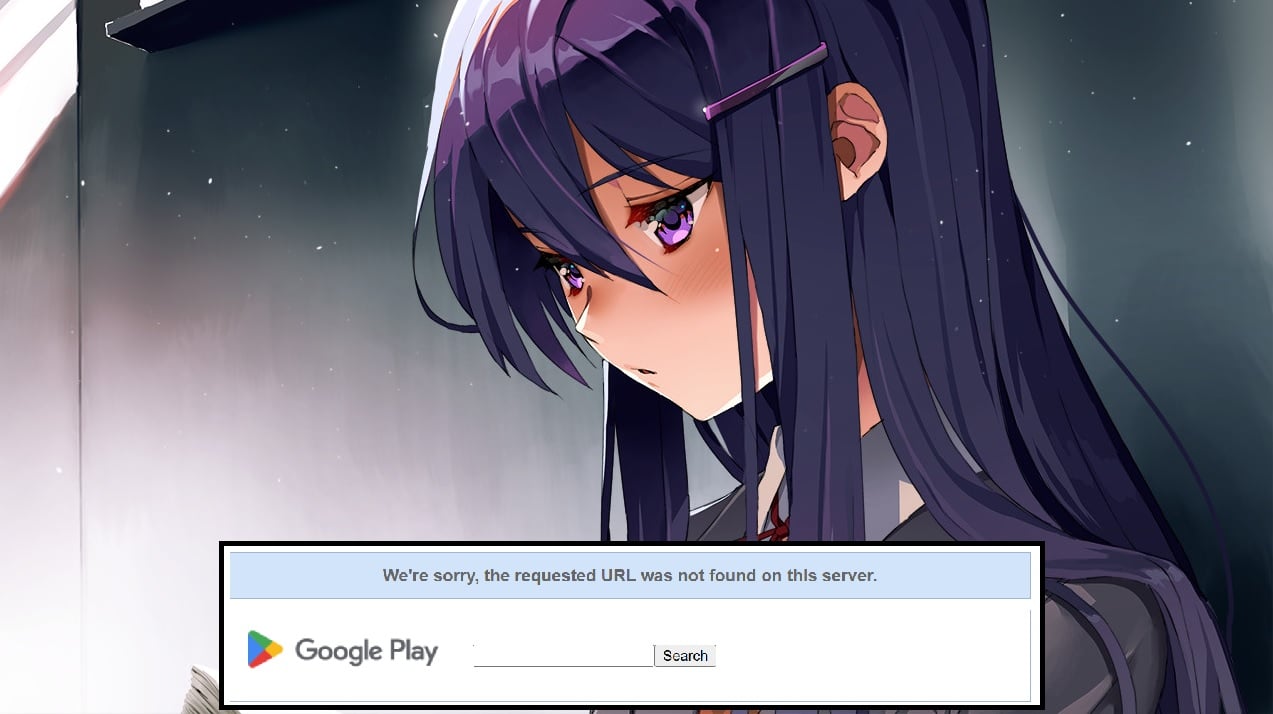
The image above, depicting an anime girl filled with sadness over a "Google removal," captures a feeling of loss that is all too real for many creators and fans in the digital age. It represents the heartbreaking reality when an acclaimed visual novel, a project born from passion and meticulous effort, suddenly vanishes from the very platforms that allowed it to flourish. This isn't just about a game disappearing; it's about stories becoming inaccessible, hard work being undone, and communities being fractured. This particular visual novel had amassed thousands of positive user reviews, a clear testament to its quality and the deep connection it forged with its audience. Yet, despite such overwhelming community endorsement, it faced an unexpected removal, leaving everyone bewildered and disheartened.
In an era where digital distribution reigns supreme, the power wielded by major platforms like Google is immense. They act as gatekeepers, deciding what content is available to the masses. While this role is crucial for maintaining quality and safety standards, it also means that a single policy decision can have catastrophic consequences for independent developers and entire genres of creative expression. The story of this visual novel's removal serves as a poignant reminder of the delicate balance between platform governance and artistic freedom, and the profound impact these decisions have on the lives of creators and the cultural landscape of digital entertainment.
The Rise and Enduring Appeal of Visual Novels
To truly understand the gravity of a visual novel's disappearance, one must first appreciate what the genre represents. Visual novels are a unique form of interactive storytelling, blending text-based narratives with static or animated artwork, background music, and sound effects to create an immersive experience. Unlike traditional video games that often prioritize gameplay mechanics, visual novels focus heavily on plot, character development, and atmosphere. Players typically read through dialogue and descriptions, making choices at key junctures that can influence the story's direction, character relationships, and ultimately, its ending. This interactive element, combined with often deeply emotional and thought-provoking narratives, is what draws millions of fans worldwide.
The appeal of visual novels is multifaceted. For many, it's the chance to delve into rich, intricate worlds and connect with compelling characters on a deeply personal level. The genre encompasses an incredibly diverse range of themes and settings, from romantic comedies and slice-of-life stories to dark psychological thrillers, intricate mysteries, and epic fantasies. This diversity ensures there's a visual novel for almost every taste, offering a unique blend of literature, art, and gaming. Accessibility is another key factor; many visual novels are playable on a wide range of devices, including PCs, consoles, and mobile phones, making them easy to pick up and enjoy.
Furthermore, visual novels often foster incredibly passionate and dedicated fan communities. Players eagerly discuss plot theories, favorite characters, and the impact of their choices. User reviews, like the "thousands of positive user reviews" mentioned for this particular title, are not just arbitrary numbers; they are a direct reflection of this communal appreciation and the emotional investment players have made in the story. They serve as a vital form of feedback, a public endorsement of a game's quality, and a beacon for potential new players. For an independent developer, such reviews are gold, signaling success, building reputation, and driving further engagement. The genre continues to grow in popularity, with platforms like Steam and itch.io hosting thousands of titles, demonstrating its strong foothold in the digital entertainment landscape. For more general information on the genre, Wikipedia's Visual Novel Page offers a comprehensive overview.
The Unforeseen Challenge: Google's Removal
The sudden removal of a beloved visual novel from a major platform like Google can feel like an earthquake for its creators and community. The term "Google removal" itself is broad and can refer to several scenarios, each with its own specific implications. It could mean the game was delisted from the Google Play Store, preventing new mobile users from downloading it and potentially affecting existing installations. It might refer to its removal from the Google Chrome Web Store if it was a browser-based application or extension. In some extreme cases, it could even involve the delisting of the game's official website from Google search results, effectively making it invisible to potential players, or the removal of hosting files from Google Drive or Cloud services. Regardless of the specific mechanism, the outcome is the same: a significant loss of discoverability, accessibility, and revenue.
For a game that had garnered "thousands of positive user reviews," such a removal is particularly jarring. It suggests that despite widespread approval and a demonstrable audience, something triggered a violation of platform policy. This often leaves developers scrambling for answers and players feeling a sense of betrayal, especially when the reasons for removal are unclear or perceived as unjust. The digital storefronts are often the primary, if not sole, distribution channel for many indie developers. When that channel is abruptly cut off, it can effectively sever the lifeline for their creation, halting sales, hindering updates, and isolating the community that built up around the game. The immediate aftermath is usually a flurry of confused social media posts, support tickets, and desperate attempts by developers to understand and rectify the situation.
Why Do Removals Happen? Understanding the Policies
The reasons behind a platform's decision to remove an app or game are often complex and rooted in a labyrinth of content and technical policies. Major platforms like Google are responsible for maintaining a safe and lawful environment for billions of users, and as such, they implement strict guidelines. However, the interpretation and application of these guidelines can sometimes lead to disputes, particularly for artistic works that explore mature or unconventional themes.
One primary category for removal is **content policy violations**. This includes a broad spectrum of issues such as:
- Sensitive Content: Many visual novels delve into mature themes, including violence, sexuality, and psychological horror. While artistic expression is valued, platforms often draw a hard line when content is deemed gratuitous, exploitative, illegal, or harmful, particularly towards minors. Nudity, even if artistic or integral to the narrative, is frequently a red flag for app stores like Google Play, which have very strict guidelines about explicit sexual content.
- Hate Speech and Discrimination: Content that promotes hatred, discrimination, or violence against specific groups based on race, ethnicity, religion, gender, sexual orientation, disability, or other characteristics is almost universally prohibited.
- Illegal Activities: Content promoting or facilitating illegal activities, such as drug use, illicit trade, or self-harm, will lead to immediate removal.
- Copyright and Intellectual Property Infringement: Using copyrighted material (art, music, story elements) without proper licensing or permission is a common reason for takedowns. Even if a developer creates original content, if it's too similar to existing intellectual property, it can be flagged.
- Misleading Information and Deceptive Practices: Apps that misrepresent their functionality, mislead users about their features, or engage in fraudulent behavior can also be removed. This includes false advertising or deceptive monetization strategies.
Another set of reasons falls under **technical policy violations** and **developer conduct**:
- Malware and Spam: Any app found to contain malicious code, spyware, or that engages in spammy behavior (e.g., sending unwanted notifications, aggressive advertising) will be swiftly removed.
- Broken Functionality or Poor User Experience: While less common for immediate removal of an "acclaimed" app, severe bugs, crashes, or an app that simply doesn't work as advertised can lead to warnings and eventual removal if unaddressed.
- Privacy Violations: Failing to properly disclose data collection practices, collecting sensitive user data without consent, or mishandling personal information are serious offenses.
- Repeated Violations or Circumvention: Developers who repeatedly violate policies, or attempt to bypass detection by making minor changes to a previously removed app, face harsher penalties, including account termination.
The challenge for visual novel creators often lies in the subjective interpretation of "sensitive content." What one developer considers an essential narrative element exploring mature themes, a platform's automated system or human moderator might deem a violation. This ambiguity creates a precarious environment where artistic expression can be stifled by broad brush policies designed for a general audience. The Google Play Developer Policy Center, for instance, details these rules, but applying them to the nuances of storytelling can be a grey area.
The Devastating Impact on Creators and Community
The consequences of a digital removal are far-reaching and deeply impactful, affecting both the creators who poured their hearts into the project and the loyal community that embraced it. For independent developers, especially those working on niche genres like visual novels, such a removal can be nothing short of catastrophic.
For Developers:
- Loss of Revenue: For many indie studios and solo developers, digital storefronts are their primary source of income. A removal immediately halts sales, cutting off financial sustenance and jeopardizing their ability to continue developing games or even sustain themselves. This loss can extend to in-app purchases or subscription models if the game was offered through those avenues.
- Damage to Reputation: Despite having "thousands of positive user reviews," a removal can cast a shadow over a developer's reputation. Players might misunderstand the reasons, assuming the game was problematic, which can affect future projects and partnerships.
- Lost Work and Emotional Toll: Visual novels often take months, if not years, of dedicated effort from writers, artists, composers, and programmers. Seeing that effort vanish overnight, with little explanation or recourse, can be emotionally devastating. It can lead to burnout, disillusionment, and even drive talented creators away from the industry.
- Uncertainty and Appeal Process Challenges: The appeals process for platform removals can be opaque, frustrating, and slow. Developers often receive boilerplate responses, struggle to get specific details about their violation, and find it difficult to communicate directly with human reviewers. This lack of clear guidance makes it hard to address the issues effectively, leaving them in limbo.
- Impact on Future Projects: A removal can lead to extreme caution for future titles, potentially resulting in self-censorship to avoid similar fates. This "chilling effect" can stifle creativity and prevent developers from tackling important, challenging, or innovative themes.
For Players:
- Loss of Access: For fans, a removal means they can no longer access a game they loved, perhaps one they hadn't finished or wished to revisit. If the game was mobile-only or required platform services, it might become completely unplayable.
- Frustration and Disappointment: Players who have invested time and emotion into a story feel frustrated when it's suddenly taken away. They might feel unheard, especially if their positive reviews and support didn't prevent the removal.
- Community Disruption: Online communities built around a game can suffer when the game itself becomes unavailable. Discussions might dwindle, and the collective experience is diminished.
- Preservation Concerns: The digital nature of visual novels makes them vulnerable. If a platform removes a game and there are no alternative distribution channels, it risks being lost to time, a significant concern for game preservationists and cultural archivists.
The sad anime girl in the image perfectly embodies this shared sense of loss and helplessness felt across the community when a creative work is erased from the digital landscape. It's a stark reminder that in the world of digital content, even overwhelming positive sentiment isn't always enough to guarantee a product's longevity or continued availability.
Navigating the Digital Landscape: Prevention and Response
Given the risks, both developers and players must adopt strategies to navigate the often-turbulent waters of digital distribution. While no method guarantees absolute immunity from platform removals, certain practices can mitigate the risks and provide alternatives.
For Developers:
- Thorough Policy Understanding: Before even starting development, thoroughly read and understand the content and technical policies of all target platforms. Pay close attention to guidelines regarding sensitive content, intellectual property, and privacy. If in doubt, consult legal counsel or seek clarification from the platform directly (though this can often be difficult).
- Diversify Distribution: Do not put all your eggs in one basket. Relying solely on a single platform like Google Play or Apple App Store is risky. Consider distributing your visual novel on multiple platforms such as Steam, itch.io, your own website, or other indie game storefronts. This creates redundancy and ensures that even if one channel closes, others remain open.
- Build an Independent Community: Cultivate a strong community outside of specific platform ecosystems. Use social media, Discord servers, and email newsletters to connect directly with your fanbase. This direct communication channel is invaluable for informing players about updates, issues, or alternative distribution methods if a platform removal occurs.
- Clear Communication and Transparency: Be transparent with your audience about the themes and content of your visual novel. Use clear content warnings and age ratings where appropriate. This helps manage expectations and can avoid complaints from users who might otherwise be surprised by mature content.
- Robust Backup and Archiving: Always maintain comprehensive backups of your game's source code, assets, and builds. Consider self-hosting a downloadable version on your own secure servers as a fallback, ensuring that even if storefronts disappear, the game itself can still be distributed.
- Engage with the Appeal Process Thoughtfully: If a removal occurs, approach the appeal process methodically. Gather all relevant information, clearly state your case, reference specific policy sections, and propose concrete solutions if the issue is resolvable. Be polite but persistent.
For Players:
- Support Developers Directly: When possible, consider purchasing games directly from a developer's website or an indie-friendly platform like itch.io, which often offers better revenue shares to creators. This empowers developers and reduces their dependence on large platforms.
- Be Aware of Preservation: Understand that digital content is not permanent. If you deeply value a visual novel, consider how you might ethically preserve your copy, perhaps by backing it up on your own storage if the terms of service allow. This contributes to the broader effort of digital game preservation.
- Engage Responsibly: Participate in community discussions and advocate for fair and transparent platform policies. Your voice can contribute to a collective push for better creator protections.
The Broader Implications: Control, Creativity, and the Future of Digital Art
The removal of a critically acclaimed visual novel, despite its popularity and positive reception, highlights a deeper systemic issue: the immense power of centralized digital platforms over creative content. Companies like Google, Apple, and Amazon act as essential conduits between creators and consumers, providing unparalleled reach and infrastructure. However, this power comes with a significant responsibility, and when wielded without sufficient transparency, nuance, or clear recourse, it can lead to unintended but devastating consequences for artistic expression.
This situation forces us to confront uncomfortable questions about content moderation versus artistic freedom. Where is the line between protecting users from genuinely harmful content and stifling unique, challenging, or boundary-pushing artistic works? For visual novels, a genre often characterized by its willingness to explore complex psychological, social, or emotional landscapes, this tension is particularly acute. The fear of triggering an automated filter or a human moderator's subjective interpretation can create a "chilling effect," causing creators to self-censor and shy away from potentially controversial but artistically vital themes. This ultimately leads to a less diverse and less interesting digital landscape.
The future of digital art, particularly for indie creators and niche genres, may lie in exploring more decentralized and creator-centric distribution models. Platforms that prioritize open standards, offer clear and consistent policy enforcement, provide robust appeal processes, and give developers more control over their content are becoming increasingly attractive. The rise of blockchain technology and NFTs, while controversial, also reflects a desire among some creators for greater ownership and immutable digital presence, reducing reliance on centralized gatekeepers.
Ultimately, the incident with this visual novel serves as a powerful case study. It reminds us that while platforms are indispensable for digital growth, their policies and practices must evolve to better support the rich tapestry of human creativity. There needs to be an ongoing dialogue between platforms, developers, and users to foster an environment where artistic expression can thrive without constant fear of arbitrary deletion. It underscores the critical need for a balance: strict enough policies to ensure safety and legality, yet flexible and transparent enough to protect legitimate artistic endeavors.
Conclusion
The melancholic expression of the anime girl, reflecting the impact of a Google removal on an acclaimed visual novel, is more than just an image; it's a powerful symbol of vulnerability in the digital age. It represents the collective disappointment of a passionate community and the profound setback for dedicated creators who saw their work, despite "thousands of positive user reviews," disappear from public access. This event highlights the precarious nature of digital content when its fate rests solely in the hands of powerful, centralized platforms.
As consumers and creators, we must remain vigilant. We need to advocate for clearer, more nuanced content policies, more transparent communication from platforms, and robust appeal processes that truly allow developers to defend their artistic integrity. We should also actively support independent creators through diversified channels and appreciate the often-fragile nature of digital works. The narrative of a visual novel, once cherished, should not be easily erased. Its disappearance serves as a critical lesson: that while digital spaces offer incredible opportunities for creation and connection, they also demand a constant re-evaluation of how we balance control with freedom, and commerce with art. Let this image be a reminder to champion the longevity and accessibility of all digital art forms, ensuring that stories, once told, can continue to be experienced for generations to come.
from Kotaku
-via DynaSage
