
Bowser, I Know What You Are: Bisexual
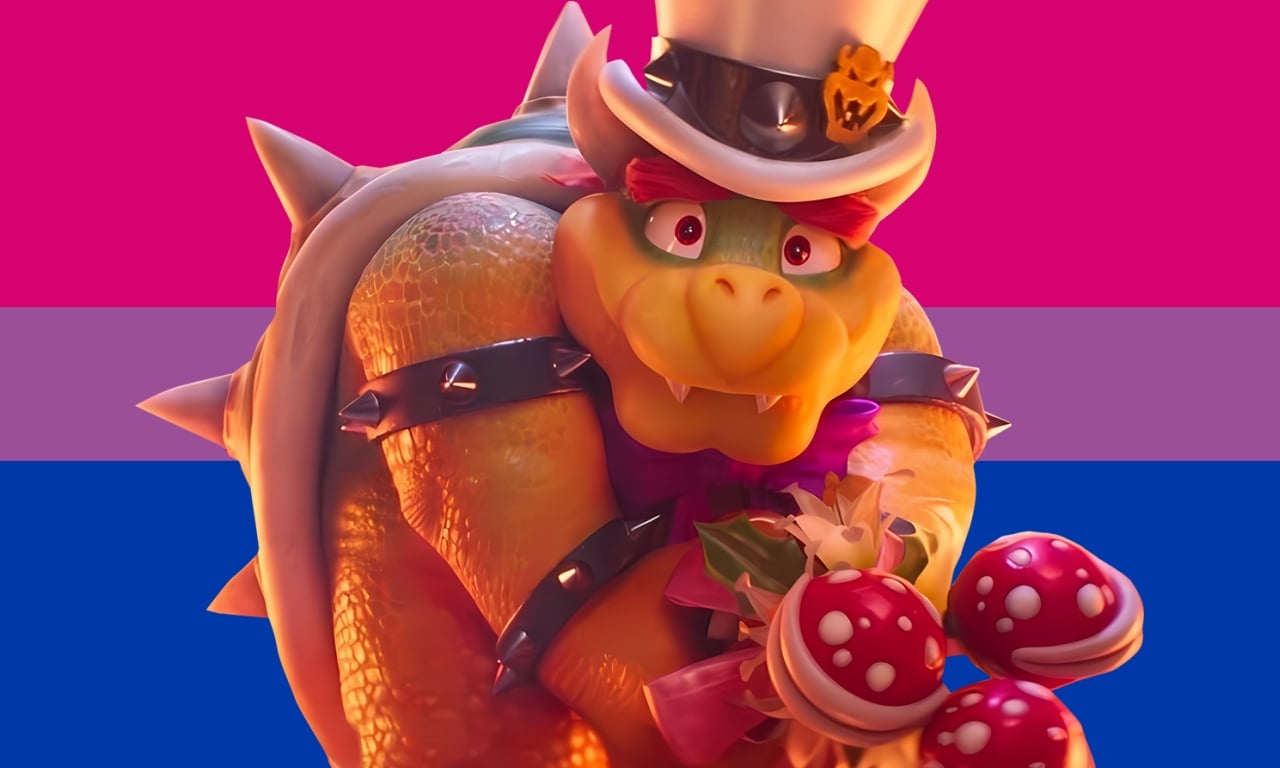
Is Bowser Secretly Gay? How the Super Mario Bros. Movie Ignited a Fiery Fan Theory
The internet is a vast playground where creative fan theories come to life, and sometimes, a single movie can spark the most unexpected discussions. Recently, a fascinating debate has swept through online communities, all centered around the King of the Koopas himself. As one commentator succinctly put it, "The Super Mario Galaxy Movie is giving gay Bowser truthers ammunition." While the exact movie title mentioned might be a slight mix-up – the blockbuster that truly set the internet ablaze was the 2023 Super Mario Bros. Movie – the core idea is crystal clear: Bowser's portrayal in that film has led a significant number of viewers to interpret his character, especially his deep affection for Princess Peach, as having strong queer undertones. This isn't just a niche idea; it’s a widespread conversation touching on representation, character depth, and how modern audiences engage with beloved franchises.
From his unforgettable musical performance to his overly dramatic pursuit of love, Bowser in the Super Mario Bros. Movie stepped far beyond his usual role as a simple bad guy. He transformed into a figure of intense, unrequited devotion, delivered with a theatrical flair that has inspired countless memes, discussions, and a passionate belief among many that the film, whether intentionally or not, "queer-coded" the iconic villain. This article will delve into the origins of the "gay Bowser" theory, examine the specific moments in the movie that fueled this interpretation, and explore why this particular reading resonates so strongly with today's audiences, looking beyond simple labels to understand the broader cultural impact of such fan theories.
Bowser: A Villain Defined by Unrequited Love
For decades, Bowser has been a consistent challenge for Mario and his friends. As the powerful, fire-breathing King of the Koopas, his main goals have always seemed straightforward: conquer the Mushroom Kingdom and marry its gentle ruler, Princess Peach. His reasons for doing so have traditionally been presented as simple: a desire for power, a need to expand his empire, and a persistent, though always unsuccessful, pursuit of Peach. He repeatedly kidnaps her, builds vast armies, and constructs elaborate castles, all in a relentless effort to make her his queen. This unyielding obsession is a central part of the Mario universe, driving most of the plots in the video games.
However, even within the games, there have been hints of a more complex, or at least more flamboyant, personality hidden beneath his tough exterior. Bowser often shows moments of childish frustration, surprising vulnerability, and an almost theatrical flair for being evil. He isn't just a generic bad guy; he's often comically evil, a grandstanding antagonist who sometimes seems more interested in the spectacle of his villainy than its actual success. These subtle traits have, over the years, provided fertile ground for fans to imagine deeper layers to his character. But it was the 2023 movie that truly brought these latent interpretations to the forefront, transforming Bowser from a simple villain into a character whose romantic endeavors are now seen through a distinctly different lens.
Understanding "Gay Bowser Truthers" and Queer Coding in Media
The phrase "gay Bowser truther" might sound lighthearted, even a bit humorous, but it points to a significant phenomenon: the presence of queer coding in media and the audience's growing awareness and discussion of it. Queer coding refers to the subtle, often indirect ways that characters are presented as queer without explicitly stating their sexuality or gender identity. Historically, this was often done because of censorship or societal norms that made openly queer characters taboo. Creators would use specific visual cues, personality traits, or story arcs to imply queerness, allowing queer audiences to see themselves reflected, even if subtly.
In the context of Bowser, the "truthers" are those who believe that the character, particularly in the Super Mario Bros. Movie, displays many classic traits associated with queer coding, especially through a "camp" aesthetic. In this sense, "camp" refers to an artistic style and sensibility that values exaggeration, theatricality, and often a playful subversion of traditional gender roles and masculinity. When fans discuss "gay Bowser," they are often highlighting his exaggerated devotion, his intense emotions, his flair for the dramatic, and his somewhat non-traditional way of expressing love, all of which can be interpreted as aligning with the camp sensibilities frequently found in queer culture.
The History of Queer Readings in Entertainment
This practice of interpreting queer subtext in characters is not new. Audiences have long found queer undertones in various figures, from villains like Ursula in The Little Mermaid (who was famously inspired by drag queen Divine) to heroes and sidekicks whose eccentricities or strong bonds resonated with queer experiences. These readings are not always about officially declaring a character as "gay" within the story's canon, but rather about acknowledging how certain portrayals, whether intentional or not, create space for queer interpretations and identification. For many, seeing a powerful, well-known character like Bowser, even if he's a villain, express emotions in a way that feels distinct from traditional heterosexual masculinity can be validating and refreshing. It allows for a broader range of identity and emotion to be explored within mainstream narratives, offering a sense of visibility where explicit representation might be absent.
The Super Mario Bros. Movie: Bowser's Unforgettable Performance
The 2023 Super Mario Bros. Movie, co-produced by Illumination and Nintendo, was a massive success, delighting fans with its faithful adaptation of the beloved game world. Yet, amidst the vibrant animation and nostalgic nods, it was Bowser who often stole the show and, critically, ignited the "gay Bowser" discussion. Jack Black's voice performance injected new depth and comedic brilliance into the character, transforming him from a one-dimensional antagonist into a surprisingly complex, often hilarious, figure.
His main goal in the film is, as always, his relentless desire to marry Princess Peach. However, the *manner* in which this desire is presented is what truly changed the game. No longer just a brutish kidnapper, this Bowser is portrayed as a passionate, lovesick suitor, albeit one with immense destructive power. His love isn't just a plot device; it's the core of his being, driving his every action with an almost operatic intensity. This emotional vulnerability, combined with his sheer power, created a fascinating contrast that audiences found compelling and ripe for diverse interpretations.
"Peaches": The Anthem of Obsession
The most iconic moment fueling the "gay Bowser" theory is undoubtedly his original song, "Peaches." Performed by Jack Black himself, the ballad is a heartfelt, if somewhat unsettling, declaration of his love for Princess Peach. Sitting dramatically at a piano, Bowser sings about his devotion, his desire, and how every star in the sky reminds him of her. The song is much more than a comedic interlude; it’s a profound expression of his inner world, offering a window into his all-consuming passion.
The theatricality of the performance, the elaborate staging, the raw emotion in Black's voice, and the repetitive, almost worshipful chanting of "Peaches" have been interpreted by many as highly camp. It's an over-the-top, slightly absurd, yet utterly sincere display of affection that breaks away from typical villainous tropes. The song feels less like a traditional male suitor's declaration and more like a dramatic, almost theatrical monologue about an unrequited, obsessive love. This grand gesture, performed with such earnestness by a giant fire-breathing turtle-dragon, resonated deeply with those who see queer coding in his character. It’s the kind of intense, singular focus on a beloved that, when viewed outside traditional gender roles, can often be read as a powerful metaphor for queer longing or identity, making it a pivotal moment for "gay Bowser" truthers.
Subtle Visual and Narrative Cues
Beyond the "Peaches" song, several other elements in the movie contribute to this interpretation:
- His Intense Devotion to Peach: While his desire for Peach is a long-standing canon, the movie amplifies it to an extreme, almost irrational degree. He doesn't just want to conquer the kingdom; he wants to marry Peach and rule *with* her. His entire war effort appears to be a bizarre courtship ritual, despite its destructive nature.
- His Relationship with Kamek: Kamek, his loyal Magikoopa advisor, often acts like a doting confidant or a meticulous wedding planner. Their dynamic frequently mirrors that of a diva and their long-suffering assistant, adding another layer of camp to Bowser's persona. Kamek enables Bowser's dramatic tendencies, further highlighting his theatrical side.
- The Elaborate Wedding Plans: Bowser spares no expense in planning his forced wedding to Peach, from the extravagant cake to the grand ceremony. This meticulous attention to detail and desire for an elaborate spectacle again speaks to a camp aesthetic. He’s not merely marrying her; he’s orchestrating a magnificent show.
- Emotional Vulnerability: Despite his fearsome power, Bowser is surprisingly vulnerable when it comes to Peach. His heartbreak when she rejects him is palpable, and his relentless pursuit is driven by deep emotional longing rather than just pure evil. This emotional depth, especially in a character traditionally depicted as monstrous, allows for more nuanced interpretations.
- His Unique "Masculinity": Bowser is undeniably powerful and fearsome, but his expression of masculinity is far from conventional. He isn't stoic or traditionally heroic; he's flamboyant, prone to emotional outbursts, and obsessed with love and spectacle. This divergence from typical masculine archetypes opens the door for queer readings, as it challenges standard representations of male characters.
Why This Interpretation Resonates So Strongly
The "gay Bowser" theory isn't just a fleeting internet trend; it has resonated deeply with a broad audience for several significant reasons, touching upon critical aspects of modern fandom and societal discussions about identity and representation.
The Deep Search for Representation
In our increasingly diverse world, there's a growing demand for media that reflects the full spectrum of human experience, including LGBTQ+ identities. Historically, queer characters have often been underrepresented, misrepresented, or confined to stereotypical roles. When explicit representation is lacking, audiences often look for implicit cues or create their own interpretations. For many queer individuals and allies, seeing a character like Bowser, even a villain, express his feelings with such theatricality and unrequited passion, can be a form of unintentional representation. It offers a space to project queer experiences of intense emotion, yearning, and defying traditional norms onto a well-known figure, providing a sense of validation and visibility.
Subverting Traditional Tropes
Bowser has always been the quintessential villain, but the movie gives him a dimension that actively subverts this trope. By transforming his villainy into a grand, almost romantic quest, the film inadvertently challenges traditional masculine expectations. He's not just a brute; he's a lovesick artist, a passionate suitor who creates his own power ballads. This subversion of the traditional tough-guy villain can be seen as inherently queer, as it questions conventional notions of heroism and villainy, and offers a different perspective on emotional expression that doesn't strictly adhere to heteronormative standards.
The Power of Fan Theories and Headcanons
Modern fandom thrives on discussion, interpretation, and the creation of "headcanons" – ideas, beliefs, or interpretations about a fictional universe that are not explicitly stated in the official canon but are widely accepted and discussed by fans. The "gay Bowser" theory is a prime example of this dynamic. Fans love to delve deeper into characters, explore possibilities, and fill in the blanks left by creators. This collaborative storytelling and interpretive engagement empower audiences, giving them a sense of ownership over the narratives they love. It's a way for communities to bond over shared readings and create new meanings, making the fictional world feel richer and more personally relevant.
Humor and Playfulness in Interpretation
While the discussion has serious undertones regarding representation, there's also an undeniable element of humor and playfulness involved. The idea of a giant, terrifying turtle-dragon singing a heartfelt piano ballad about his unrequited love for a princess is inherently funny and absurd. This humor allows for a lighthearted way to engage with deeper themes, making the conversation accessible and entertaining. It highlights the joy in re-imagining beloved characters and finding new ways to connect with them, fostering a unique blend of critical analysis and playful appreciation.
Bowser's Sexuality: Canon vs. Fanon
It's vital to differentiate between canon (what is officially stated or depicted by the creators) and fanon (what fans interpret or believe). To date, Nintendo, the creators of the Super Mario franchise, has never explicitly addressed Bowser's sexuality. In the games, his motivation is consistently presented as a desire for Princess Peach, often framed within the traditional male-female courtship dynamic, albeit a villainous one.
The "gay Bowser" theory, therefore, exists firmly within the realm of fanon and queer readings. It's an interpretation born from the audience's engagement with the material, rather than an explicit statement from the creators. Nintendo, like many large entertainment companies, tends to keep its iconic characters' personal lives ambiguous, especially when it comes to sensitive topics like sexuality. This approach helps them maintain broad appeal and avoid alienating any part of their vast global audience. This very ambiguity, however, is precisely what allows for such rich and diverse fan interpretations. When a character's internal world is not explicitly defined, fans are invited to project their own understanding and experiences onto them, making the characters feel more personal and relatable.
Creator's Intent vs. Audience Reception
Whether Illumination and Nintendo *intended* to queer-code Bowser in the Super Mario Bros. Movie is a matter of speculation. It's entirely possible that Jack Black's performance, the comedic direction, and the desire to create a memorable villain simply resulted in a character that coincidentally aligned with queer-coded aesthetics. Sometimes, a character just ends up being camp without explicit intent from the creators. However, regardless of intent, the audience's reception is a powerful force. Once a work is released, its meaning is co-created by its viewers, and their interpretations become a valid part of its cultural life. The fact that so many people *see* queer coding in Bowser's portrayal speaks volumes about how audiences are actively seeking and finding these nuances in contemporary media.
The Broader Cultural Conversation: Engaging with Media in the Digital Age
The "gay Bowser" phenomenon is more than just a specific character theory; it’s indicative of a larger cultural shift in how audiences interact with media. In the age of social media, forums, and online communities, consuming media is no longer a passive act. Fans are active participants, constantly analyzing, debating, and co-creating narratives. This collective intelligence and passionate engagement lead to deeper and more varied understandings of fictional worlds, transforming how stories are told and perceived.
The Impact of Social Media on Fandom
Platforms like Twitter (now X), TikTok, Reddit, and Tumblr have been instrumental in amplifying the "gay Bowser" discourse. Memes, fan art, analytical threads, and short video essays quickly spread, allowing the theory to gain traction globally. This rapid dissemination of ideas fosters a strong sense of community among those who share similar interpretations, reinforcing their beliefs and encouraging further exploration. Social media provides a democratic space where any fan theory, no matter how outlandish it might seem at first glance, can find an audience and spark a genuine, widespread conversation.
Challenging Norms and Advocating for Inclusivity
Discussions like these also reflect a broader cultural movement towards challenging traditional norms and pushing for greater inclusivity in media. By re-interpreting a long-standing character like Bowser through a queer lens, fans are implicitly questioning the heteronormative defaults that often govern mainstream storytelling. They are asserting their right to see diverse experiences reflected, even if it means re-contextualizing existing characters. This push for more diverse representation is not limited to sexuality; it extends to race, gender, disability, and other aspects of identity, all contributing to a richer and more representative media landscape.
Beyond the "Gay Bowser" Theory: Implications for Future Storytelling
What does the widespread embrace of the "gay Bowser" theory mean for the future of character development and storytelling in major franchises? It sends a clear message to creators: audiences are hungry for depth, nuance, and characters who defy simple categorization. It suggests that:
- Ambiguity Can Be a Strength: When characters are not rigidly defined in every aspect, it allows for more creative interpretation and fosters deeper engagement from the audience. This can make characters more timeless and relatable to diverse viewers.
- Character Arcs Can Evolve: Even villains can have complex emotional lives that resonate with audiences in unexpected ways. Moving beyond one-dimensional portrayals can create more memorable and impactful characters, making stories richer and more engaging.
- The Power of Performance: An actor's voice, mannerisms, and delivery can profoundly shape how a character is perceived, sometimes beyond the initial script's intention. Jack Black's Bowser is a testament to this, proving that a strong performance can breathe new life into an established character.
- Representation Matters (Even When Accidental): The fact that so many people connect with this interpretation highlights the ongoing need for diverse representation. If fans are actively seeking out and projecting queer identities onto characters, it underscores a societal demand that creators should heed in future projects.
This isn't to say that every character needs to be explicitly labeled or that every villain must have a hidden queer identity. Rather, it emphasizes the richness that can come from allowing characters to be multifaceted, to express emotions outside of rigid boxes, and to be open to different interpretations. It encourages creators to consider the diverse perspectives of their audience and how their creations might be received in a world that is increasingly attuned to representation and subtext, ultimately leading to more resonant and inclusive stories.
Conclusion: The Enduring Power of Interpretation
The discussion surrounding "gay Bowser" from the Super Mario Bros. Movie is a vibrant example of modern fandom at its best: collaborative, imaginative, and deeply engaged. What started as a whimsical observation has blossomed into a significant cultural conversation about queer coding, representation, and the evolving relationship between creators and audiences. It showcases how deeply invested viewers are in the characters they love and how they actively participate in shaping their meaning.
Whether Bowser is canonically gay, straight, or somewhere in between, is ultimately less important than the powerful conversation his portrayal has sparked. The theory provides ammunition not just for "truthers," but for anyone interested in how stories resonate, how characters live beyond their initial creation, and how audiences find meaning and reflection in the media they consume. It reminds us that art, even a blockbuster animated film based on a video game, is a canvas for interpretation, and sometimes, the most unexpected readings are the most profound. As long as there are characters like Bowser with grand passions and theatrical flair, fans will continue to find new ways to connect, to interpret, and to, perhaps, see a little bit of themselves in the King of the Koopas and his undying love for Peaches.
from Kotaku
-via DynaSage
