
Apple Maps Ads Move Closer to Launch With iOS 26.5 Beta 2
Apple Maps Welcomes Ads: Unpacking the New Monetization Strategy, User Experience, and Privacy in iOS 26.5 Beta 2
The digital landscape is constantly evolving, and with it, the strategies tech giants employ to grow their services. Apple, traditionally known for its premium hardware and strong stance on user privacy, is now making a significant move in the advertising space. With the release of the second beta of iOS 26.5, signs are becoming clearer: advertisements are officially coming to Apple Maps. This development marks a new chapter for Apple's navigation service, promising both new opportunities for businesses and a carefully crafted approach to user privacy.
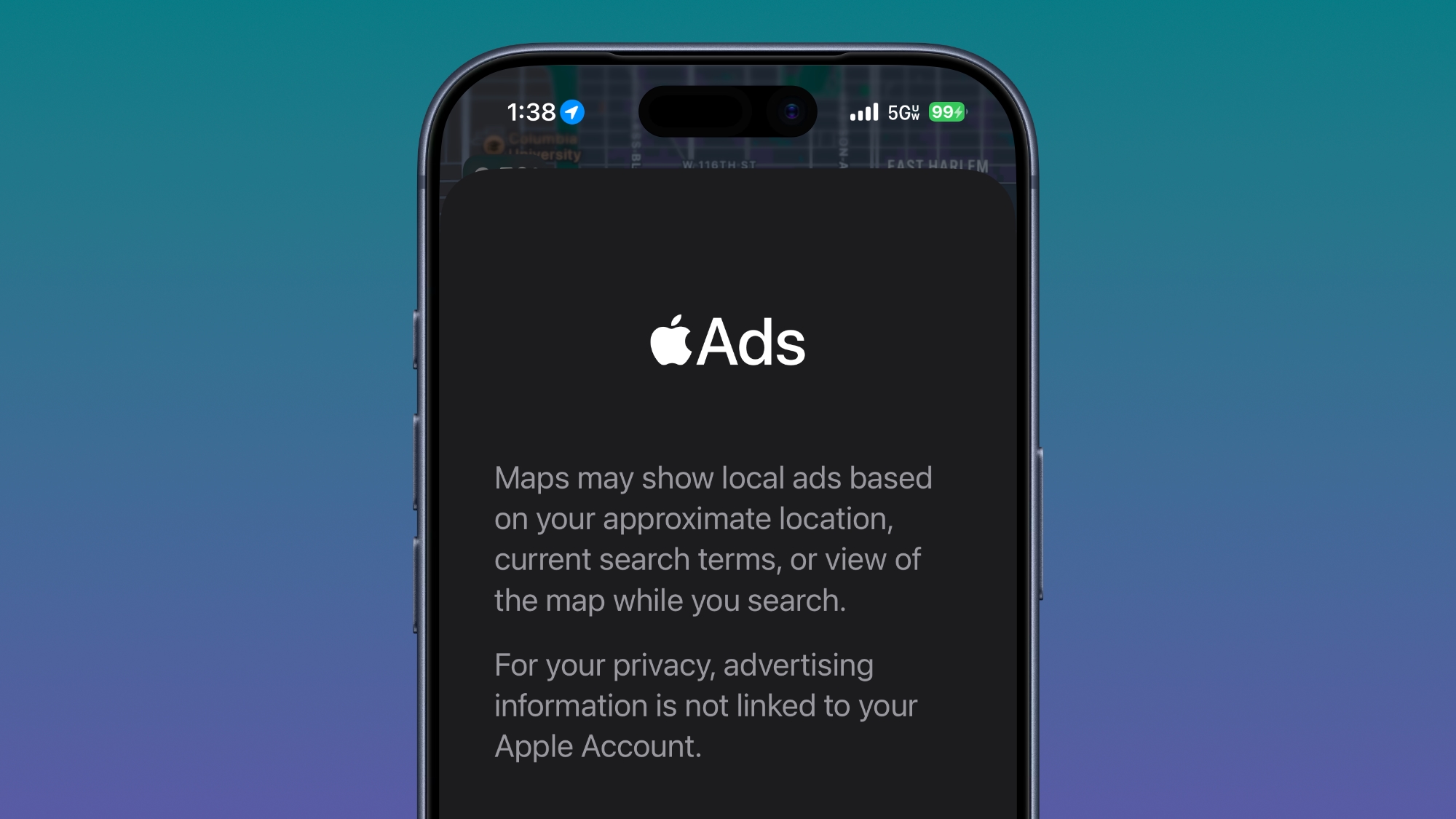
Users who have updated to iOS 26.5 Beta 2 are now encountering a new splash screen within the Apple Maps app. This initial pop-up serves as a direct announcement, informing users that ads will soon be displayed. According to the screen, these advertisements will be intelligently tailored, leveraging factors such as your approximate location, the specific terms you're currently searching for, or even your current view of the map as you explore or search for destinations. This contextual targeting is key to how Apple aims to integrate ads without compromising its privacy principles.
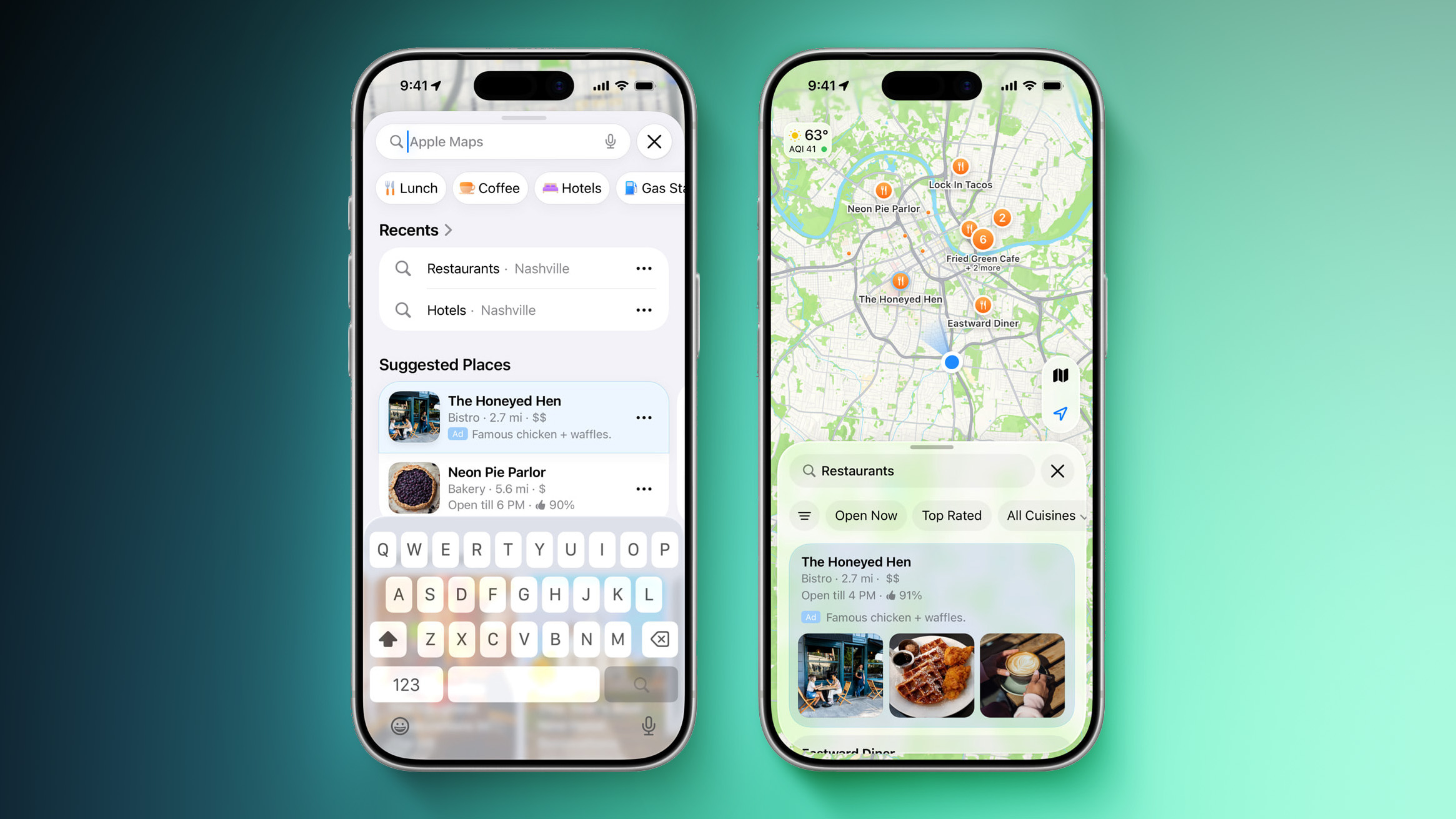
Beyond the splash screen, the groundwork for these ads was already laid in the first beta of iOS 26.5. One specific area where users can expect to see advertisements is within the "Suggested Places" section, a feature that was introduced in the initial beta. This integration suggests a seamless, context-aware placement designed to enhance discovery rather than disrupt the user experience. But what does this mean for the everyday user, and how will Apple balance its quest for monetization with its long-standing commitment to privacy?
Apple's Privacy Pledge: Ads Without Compromise?
One of the most critical aspects of Apple's foray into advertising, especially within a deeply personal app like Maps, is its unwavering commitment to user privacy. Apple understands that its reputation is built on trust, and introducing ads could easily erode that if not handled with extreme care. To address these concerns head-on, Apple has made explicit assurances regarding how ad data will be managed.
According to Apple, the advertising information used for targeting is "not linked to an Apple Account." This is a significant distinction from many other ad platforms that rely heavily on tying user activity across various services to a single user profile. By decoupling ad interactions from an individual's Apple ID, the company aims to ensure that ads viewed or interacted with cannot be traced back to a specific user. This means that the preferences you show or the ads you engage with within Apple Maps won't build a long-term, personalized advertising profile associated with your identity.
Furthermore, Apple states that "data is not collected or stored by Apple and not shared with third parties." This promise is at the heart of Apple's privacy architecture. Instead of sending user data to centralized servers for analysis and ad serving, Apple often leverages on-device processing. This approach allows the device itself to determine relevant ads based on local data (like your approximate location or search query) without that data ever leaving your iPhone, iPad, or Mac. This method significantly reduces the risk of data breaches or unauthorized sharing, as the sensitive information never resides on Apple's servers or those of its advertising partners.
This privacy model is a key differentiator for Apple in the highly competitive digital advertising market. While other platforms might offer highly personalized ads based on extensive user profiles, Apple is betting that a privacy-centric approach, even if it means less granular targeting for advertisers, will resonate more strongly with its user base and maintain their trust. It’s a delicate balance between generating revenue and upholding core company values, and how effectively Apple communicates and implements this will be crucial to its success.
From Beta Insights to Public Launch: The Journey of Apple Maps Ads
The journey of Apple Maps ads began with subtle hints in iOS 26.5 Beta 1, where developers and keen-eyed testers spotted the underlying code preparing for this new feature. With Beta 2, the implementation has become more tangible, particularly with the introduction of the aforementioned splash screen. While it's not yet entirely clear if Apple has fully activated live ads for all beta testers, or if the splash screen merely serves as a precursor, the message is unmistakable: ads are imminent.
Apple officially announced plans to introduce ads for the Maps app back in March, setting the stage for a public rollout "this summer." This timeline suggests that general availability could coincide with the stable release of iOS 26.5, or a subsequent minor update, bringing this new feature to millions of users worldwide. The initial rollout will be geographically limited, specifically to users in the United States and Canada. This phased approach is typical for major feature introductions, allowing Apple to monitor performance, gather user feedback, and make any necessary adjustments before expanding to other regions.
Furthermore, the ads won't be confined to just one device. Apple plans to include them across its ecosystem, meaning users will encounter these ads on their iPhone, iPad, and Mac. This consistent experience across devices ensures that advertisers can reach users regardless of which Apple product they are using to navigate or explore places, maximizing the reach and effectiveness of the ad platform. The ubiquitous nature of Apple Maps across these platforms makes it a powerful channel for local businesses to connect with potential customers.
Transparency is another key principle in Apple's ad strategy. Much like ads displayed in the App Store, advertisements within Apple Maps will feature a clear "Ad" label. This prominent labeling is crucial for distinguishing organic search results or suggested places from paid promotions, maintaining user trust and ensuring that users are always aware when they are viewing commercial content. This practice aligns with industry standards for ad disclosure and reinforces Apple's commitment to a clear and honest user experience.
The Business Imperative: Why Apple is Turning to Ads in Maps
Apple's decision to integrate ads into Maps is not an isolated event but rather a strategic move within its broader business objectives. Over the past decade, Apple has significantly diversified its revenue streams, moving beyond its traditional reliance on hardware sales (iPhone, iPad, Mac) to a robust and rapidly growing services division. This division, which includes offerings like Apple Music, iCloud, Apple TV+, and the App Store, is a key pillar of the company's financial future.
Introducing ads into Apple Maps is a clear step towards further monetizing this services segment. Maps is one of the most frequently used pre-installed applications on Apple devices, boasting a massive and highly engaged user base. For years, Google Maps has successfully leveraged its dominant position to build a multi-billion dollar advertising business based on location and search intent. Apple Maps, while having a smaller market share, still represents a significant untapped revenue opportunity. By entering this space, Apple is positioning itself to capture a piece of the lucrative location-based advertising market, directly competing with Google for advertising dollars from local businesses and large enterprises alike.
The timing is also noteworthy. As global smartphone sales mature and growth rates slow, software and services provide a more consistent and scalable source of recurring revenue. Ads in Maps can generate a steady income stream, contributing to Apple's overall services growth and helping to de-risk its financials from the cyclical nature of hardware upgrades. It's a strategic long-term play to strengthen Apple's ecosystem and shareholder value.
Moreover, the move offers a unique value proposition for advertisers. Apple's user base is often perceived as affluent and engaged, representing a valuable demographic for many businesses. Combining this with the high intent demonstrated by users actively searching for directions, businesses, or points of interest within Maps creates a powerful advertising channel. Advertisers can reach potential customers precisely when they are most receptive to discovering new places or making purchasing decisions, translating into higher conversion rates and a better return on investment for their ad spend.
How Apple Maps Ads Will Work: Contextual Targeting in Action
The splash screen in iOS 26.5 Beta 2 gave us the first clear explanation of how Apple intends to target ads within Maps. The three primary methods mentioned—approximate location, current search terms, and map view—highlight a contextual approach, designed to be relevant without being overly intrusive or privacy-invasive.
Firstly, "approximate location" is a critical component of location-based advertising. Instead of tracking your precise movements and building a detailed history of where you've been, Apple will likely use your general vicinity (e.g., within a specific city or neighborhood) to show ads for relevant businesses nearby. If you're searching for "coffee shops" and are in downtown Austin, the app might show an ad for a café two blocks away. This general targeting provides utility without creating a highly specific, personally identifiable location profile.
Secondly, "current search terms" represents a direct intent signal. When a user types "pizza delivery," "hardware store," or "movie theater" into the search bar, they are explicitly looking for a service or business. This is prime territory for advertisers. An ad could appear at the top of the search results, subtly highlighted, promoting a specific pizza restaurant, an independent hardware store, or a cinema showing a particular film. The direct correlation between the search term and the ad makes it highly relevant and potentially useful for the user.
Lastly, a "view of the map when searching" implies ads that appear dynamically as you pan and zoom around the map. If you're exploring a new neighborhood on the map, looking for general points of interest, an ad for a prominent local attraction, restaurant, or retail store might appear directly on the map, distinct from regular points of interest but integrated into the visual layout. This kind of ad is less about direct search and more about discovery, gently guiding users to local businesses they might not have otherwise found.
The "Suggested Places" section, where ads were first spotted in Beta 1, fits perfectly within this contextual framework. This section typically offers recommendations based on your current location, time of day, or past behavior (without linking it to your Apple ID). By integrating ads here, Apple can showcase promoted businesses that align with the context of what the user might be looking for, such as "popular restaurants nearby" or "activities for a rainy day."
The User Experience: Balancing Discovery and Disruption
For any app that integrates advertising, the primary challenge is to do so without degrading the user experience. Apple Maps has long been praised for its clean interface and straightforward navigation. The introduction of ads raises questions about how well Apple can maintain this reputation while adding commercial content.
The prominent "Ad" label is a crucial element in maintaining transparency and ensuring users can easily differentiate between organic content and paid placements. This helps manage expectations and prevents users from feeling misled. Furthermore, Apple's focus on contextual targeting, rather than deep behavioral profiling, is intended to make ads feel more like helpful suggestions rather than intrusive interruptions.
Ideally, Apple Maps ads will serve as a valuable discovery tool. Imagine searching for a specific type of cuisine and, among the results, seeing a clearly marked ad for a highly-rated restaurant offering a special promotion nearby. Or, while navigating through an unfamiliar city, a promoted point of interest for a local landmark or a unique shop pops up on your route, encouraging exploration. When executed well, these ads can truly enhance the user's experience by connecting them with relevant businesses and opportunities.
However, there's always a risk of annoyance if ads become too frequent, too large, or if they appear in critical navigation areas. Apple will need to carefully fine-tune the frequency, size, and placement of ads to avoid overwhelming users. The beta phase is precisely for this: gathering feedback and making adjustments to ensure the final product strikes the right balance between monetization and maintaining a premium user experience. Users accustomed to an entirely ad-free environment might initially react with skepticism, but if the ads are truly useful and non-intrusive, acceptance could grow over time.
Opportunities for Local Businesses and Advertisers
For local businesses, the introduction of ads in Apple Maps represents a significant new marketing channel. With millions of Apple users actively navigating and searching for places daily, the potential to reach highly motivated customers is immense. Unlike broad-reach advertising, location-based ads in a navigation app deliver a user who is often in the immediate vicinity and actively looking to visit a physical location or use a local service.
Businesses will likely be able to promote their stores, restaurants, services, or events directly within the Maps interface. This could include appearing prominently in search results for relevant keywords, having their location highlighted on the map when users are in the area, or being featured in curated "Suggested Places" lists. The ability to target users based on their current context and intent makes this a potentially powerful tool for driving foot traffic, increasing brand awareness, and boosting sales.
The "Ad" label, while a mark of transparency, also signifies a premium placement. Advertisers will likely pay for these prominent spots, ensuring their business stands out from organic listings. This could be particularly beneficial for new businesses trying to establish themselves, or for existing businesses looking to run specific promotions or attract customers during off-peak hours.
While details on the specific ad platform and targeting options are still emerging, it's reasonable to expect that Apple will offer robust tools for advertisers. This could include options for geo-fencing (targeting users within a specific radius), demographic targeting (while still respecting privacy boundaries), and performance analytics to help businesses measure the effectiveness of their campaigns. The success of this new ad platform will heavily depend on its ease of use for advertisers and its ability to deliver tangible results.
Looking Ahead: The Future of Apple's Ad Ecosystem
The integration of ads into Apple Maps is likely just one piece of a larger puzzle for Apple's evolving services strategy. While the company has historically been cautious about embedding ads directly into its core apps, the success of App Store ads and the ongoing push for services revenue suggest that this trend could continue. It's not unreasonable to speculate about potential future expansions, though Apple has not indicated any immediate plans beyond Maps.
For instance, could we see contextual ads appear in other Apple apps where local information or purchase intent is high? Perhaps in Apple Wallet for local deals, or even in Apple News for businesses relevant to local news stories. This is purely speculative, but it illustrates the potential trajectory once a successful ad framework is established within a prominent application like Maps.
Furthermore, the types of ad formats could evolve. Beyond simple text or pinned locations, Apple might explore richer media, interactive ads, or even augmented reality (AR) experiences that integrate advertisements into the real-world view through the camera. Imagine pointing your iPhone camera down a street and seeing AR overlays highlighting promotions for nearby restaurants or shops. Such innovations could make ads even more engaging and less like traditional disruptions.
The broader conversation around data privacy will also continue to shape Apple's ad strategy. As regulations like GDPR and CCPA become more widespread, and as user awareness of data collection grows, Apple's privacy-first approach to advertising could become an even greater competitive advantage. The company will need to continuously innovate to ensure its ad offerings remain compliant, transparent, and respectful of user privacy, even as the digital advertising landscape shifts.
Finally, the question of an "ad-free" premium tier might arise in the future. While Apple Maps has always been a free service, the introduction of ads could pave the way for a paid subscription option that removes ads, similar to how many streaming services operate. This would give users a choice and potentially offer another revenue stream for Apple, catering to those who prefer an entirely ad-free experience. However, this remains speculative and would depend heavily on user reception to the initial ad integration.
Conclusion: A New Chapter for Apple Maps and Apple's Services Ambitions
The arrival of ads in Apple Maps, as signaled by iOS 26.5 Beta 2, marks a significant turning point for Apple's navigation service and its broader services strategy. It represents a bold move to further monetize a widely used app while navigating the complex terrain of user privacy and experience.
Apple's commitment to a privacy-centric advertising model—where ads are not linked to an Apple Account, and data is neither collected, stored, nor shared with third parties—is a crucial differentiator. This approach aims to build trust with users, ensuring that contextual and relevant ads enhance discovery rather than feel intrusive. For businesses, especially local ones, it opens up a powerful new channel to connect with highly motivated customers in a meaningful way.
As we anticipate the public rollout "this summer," the tech world will be watching closely to see how Apple manages this delicate balance. The success of Apple Maps ads will not only contribute significantly to Apple's services revenue but will also set a precedent for how the company approaches advertising across its vast ecosystem. It's a new chapter for Apple Maps, promising innovation for advertisers and a redefined user experience for millions.
This article, "Apple Maps Ads Move Closer to Launch With iOS 26.5 Beta 2" first appeared on MacRumors.com
Discuss this article in our forums
from MacRumors
-via DynaSage
