
Apple Leads Top Brands for China Smartphone Growth as Market Declines
China's Smartphone Market Sees a Dip in Early 2026, Apple Shines
The vast and incredibly competitive smartphone market in China experienced a notable slowdown in the first quarter of 2026. According to detailed data compiled by Counterpoint Research, overall smartphone shipments across the country fell by 4% compared to the same period last year. This decline, while concerning for many manufacturers, highlighted a striking contrast: Apple, the tech giant from Cupertino, California, emerged as a significant outlier, demonstrating the strongest growth among the top six brands operating in this crucial market.
This report from Counterpoint Research's Market Monitor Tracker sheds light on the complex dynamics at play, identifying key factors that contributed to the market's contraction. It also zeroes in on Apple's exceptional performance, offering insights into how the company is not only navigating but thriving amidst challenging conditions. The findings suggest a reordering of the competitive landscape, with strategic advantages becoming more critical than ever for success in the world's largest smartphone market.
The first quarter's results are more than just numbers; they represent shifting consumer behaviors, the impact of global economic pressures, and the effectiveness of different brands' strategies. For consumers, these trends could mean changes in pricing and availability of their favorite devices. For manufacturers, it's a clear signal to adapt quickly or risk falling behind. Understanding these underlying currents is essential for anyone interested in the future of technology and consumer electronics, especially within the influential Chinese market.
Understanding the Market Downturn: Key Factors Behind the Decline
The 4% year-over-year drop in China's smartphone shipments during Q1 2026 wasn't a random fluctuation. Counterpoint Research attributed this decline primarily to a "high base effect" from the previous year, coupled with a significant rise in component costs. These two factors created a challenging environment for most smartphone manufacturers, squeezing both sales volumes and profit margins.
The High Base Effect: Last Year's Boost and This Year's Challenge
To understand the "high base effect," we need to look back at the first quarter of 2025. During that period, the Chinese government implemented a robust subsidy program designed to stimulate consumer spending, particularly on electronics. These subsidies made smartphones more affordable for a wider range of consumers, leading to a surge in purchases. This surge created an unusually high benchmark for sales in Q1 2025. When comparing Q1 2026 figures to this elevated benchmark, even a stable market might appear to decline, simply because the exceptional conditions of the previous year were no longer in play. Without similar government incentives, natural market demand, though potentially strong, couldn't match the artificially inflated numbers of the year before, thus leading to the reported 4% decrease.
Rising Component Costs: A Global Challenge
Adding to the woes of the high base effect was a critical issue affecting the entire tech industry: rising component costs. Specifically, Counterpoint highlighted a "sharp increase in memory costs." Memory chips, such as DRAM (Dynamic Random-Access Memory) and NAND flash storage, are fundamental components in every smartphone. They are essential for a device's processing power, multitasking capabilities, and storage capacity for apps, photos, and videos. The price of these components is influenced by global supply and demand, manufacturing capacity, and geopolitical factors.
Several factors typically contribute to such price increases. These can include disruptions in the supply chain (e.g., due to manufacturing issues, natural disasters, or trade disputes), increased global demand from other sectors (like data centers, automotive, or AI applications), and currency fluctuations. When the cost of these essential components goes up, it directly impacts the production cost for smartphone manufacturers. This leaves them with a difficult choice: absorb the increased costs, which cuts into their profit margins, or pass them on to consumers through higher retail prices.
Lunar New Year Promotions: A Limited Lifeline
Traditionally, the Lunar New Year period, which falls in February, is a peak shopping season in China, characterized by extensive promotions and increased consumer spending. While February's Lunar New Year promotions did provide a "slight boost" to smartphone sales in Q1 2026, their overall impact was severely limited. Counterpoint noted that the "magnitude of these discounts was hampered by a sharp increase in memory costs." This means that even with promotional efforts, manufacturers were unable to offer the deep discounts that consumers might have expected or that were offered in previous years, precisely because their own production costs had risen so substantially. The economic incentive for consumers to upgrade was thus lessened, contributing further to the overall market decline.
The Ripple Effect: Higher Retail Prices and Future Expectations
The combined pressure of rising component costs has already started to impact consumers directly. Counterpoint's analysis indicates that these increased costs are "driving up retail prices on both new and used devices." For new smartphones, manufacturers are adjusting their pricing strategies to maintain profitability. For used devices, the value of second-hand phones often correlates with the price of new ones, leading to an upward trend across the entire market spectrum.
This pressure isn't expected to ease anytime soon. The firm forecasts that the challenge of rising costs will "continue through the second quarter," suggesting that consumers might face higher prices and potentially fewer aggressive deals for an extended period. This ongoing cost pressure is a critical factor for both manufacturers, who must manage their balance sheets, and consumers, who face tougher purchasing decisions.
Apple Defies Trends with Strong Growth and Market Share Gains
Amidst the general downturn in the Chinese smartphone market, Apple presented a compelling counter-narrative. While overall shipments declined, Apple surged, rising to second place in the market with an impressive 20% year-over-year increase in shipments. This exceptional performance is a testament to the company's strategic planning, brand strength, and ability to adapt to a challenging economic climate.
The Power of the iPhone 17 Series
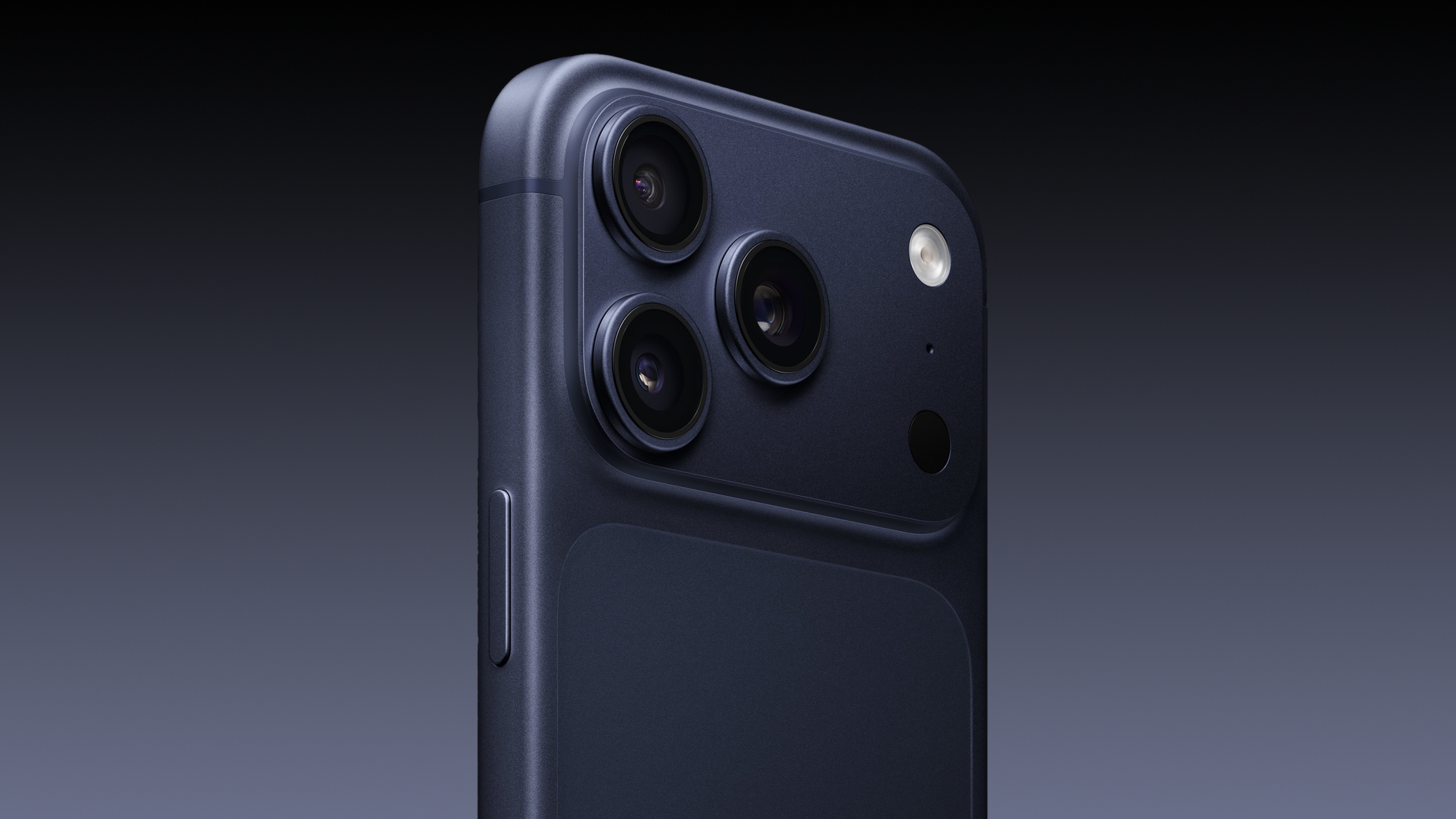
A primary driver behind Apple's strong growth was the robust demand for its latest iPhone 17 series. Each new iPhone generation typically generates significant excitement, but the iPhone 17 appears to have struck a particular chord with Chinese consumers. This could be attributed to several factors:
- Innovation and Features: The iPhone 17 series likely introduced compelling new features, performance enhancements, or design elements that resonated strongly with the tech-savvy Chinese market. Consumers in China often prioritize cutting-edge technology and a premium user experience.
- Ecosystem Strength: Apple's tightly integrated ecosystem of hardware, software, and services (App Store, Apple Pay, iCloud, etc.) continues to be a powerful draw. Once users are invested in the Apple ecosystem, switching to another brand involves a higher perceived cost and effort, fostering strong brand loyalty.
- Brand Prestige: In many cultures, including China, Apple products carry a significant degree of brand prestige. Owning the latest iPhone can be a status symbol, which contributes to sustained demand regardless of market fluctuations.
The consistent appeal of the iPhone, especially its newest iterations, ensures a dedicated customer base willing to invest in premium devices, even when budget constraints affect the broader market.
Strategic Pricing and Government Support
Beyond product appeal, Apple's strategic approach to pricing and its ability to leverage external factors also played a crucial role:
- Promotional Price Cuts: While memory costs hampered general market discounts, Apple selectively offered "promotional price cuts." These might not have been direct, across-the-board reductions but could include specific deals, trade-in programs, or bundle offers that effectively lowered the entry cost for consumers. Apple has the financial flexibility to absorb some of these costs to stimulate demand, especially in a competitive market like China. These targeted promotions can be very effective in swaying purchasing decisions without devaluing the brand's premium image.
- Government Subsidies: Apple also benefited from ongoing "government subsidies." While the broad subsidy program from Q1 2025 created a high base effect for the overall market, there might still be specific, more targeted government incentives or consumer stimulus packages that Apple products qualified for. These could be tied to broader economic goals or specific consumer segments, indirectly boosting sales for eligible premium brands. Such subsidies reduce the effective price for consumers, making aspirational products like iPhones more accessible.
Apple's Advantage in a Challenging Market
Counterpoint highlights a critical strategic advantage for Apple: the company is "best positioned among manufacturers to navigate the ongoing global memory crunch." This strong positioning is due to several interwoven factors:
- Premium Product Portfolio: Apple primarily operates in the premium segment of the smartphone market. Devices in this category typically have higher profit margins per unit. These larger margins provide Apple with the financial buffer to absorb increased component costs without immediately passing them on to consumers or significantly impacting profitability. Cheaper devices, with thinner margins, have less room to maneuver.
- Superior Supply Chain Management: Apple is renowned for its sophisticated and robust supply chain management. This includes long-term contracts with key component suppliers, significant purchasing power due to high volumes, and strategic investments in manufacturing processes. Such capabilities allow Apple to secure components at more favorable rates, ensure consistent supply, and potentially mitigate the impact of price volatility better than smaller or less established competitors.
- Internal Cost Absorption: The firm explicitly states that Apple is expected to "absorb rising costs internally in the near-to-medium term." This is a crucial differentiator. Instead of immediately raising retail prices, Apple can choose to take a temporary hit on its per-unit profit margin, knowing that maintaining market share and customer loyalty in a competitive environment like China is a long-term strategic imperative. This strategy is only feasible for companies with very healthy profit margins and strong cash reserves.
As a result of this unique position, Counterpoint expects Apple to "expand its market share." While rivals are forced to raise prices due to increased costs, Apple can maintain more competitive pricing, thereby attracting consumers who might otherwise seek alternatives. This strategic resilience allows Apple to strengthen its foothold even when the market as a whole is contracting.
A Consistent Track Record of Success
The first-quarter result is not an isolated incident; it extends a powerful run for Apple in China. The company had already shown significant momentum:
- In the fourth quarter of 2025, Apple successfully reclaimed the top spot in China's smartphone market, with shipments soaring by an impressive 28% year over year. This demonstrated a clear recovery and strong consumer preference following previous periods of intense competition.
- Further solidifying its performance, Apple recorded a remarkable 23% sales increase in the first nine weeks of 2026. This consistent upward trend leading into the Q1 report underscores sustained demand for its products and the effectiveness of its market strategies.
This prolonged period of strong performance in China suggests that Apple's strategy is not just a temporary fix but a well-orchestrated approach that positions it for continued success in one of the world's most challenging and rewarding markets.
A Mixed Bag for Other Major Smartphone Brands
While Apple celebrated significant gains, the rest of the top smartphone brands in China experienced varied fortunes. The market downturn and rising component costs presented unique challenges and opportunities, leading to a mixed performance across the board.
Huawei's Resurgence and Market Leadership
Despite the overall market decline, Huawei demonstrated a remarkable resurgence, leading the market with a 20% share. This is its highest market share since the fourth quarter of 2020, marking a significant comeback for the company. Huawei's shipments were up 2% year over year, a modest but meaningful growth in a contracting market.
A key factor in Huawei's success, as highlighted by Counterpoint, is its "domestic supplier relationships." Following extensive international sanctions that heavily impacted its access to foreign technology and components, Huawei has aggressively focused on building a robust local supply chain within China. This strategy has proven invaluable, allowing Huawei to "cushion the impact of rising memory costs" more effectively than many international competitors. By relying on domestic partners for crucial components like memory chips, Huawei likely benefits from more stable pricing, prioritized supply, and potentially government support, insulating it from some of the global supply chain pressures affecting others. This localization strategy has not only ensured continuity of production but also resonated with patriotic consumers, contributing to its strong brand loyalty and market position.
OPPO, vivo, and Xiaomi: Navigating the Market
The performances of OPPO, vivo, and Xiaomi illustrate the diverse impacts of market pressures and strategic decisions.
OPPO's Strategic Reintegration and OnePlus's Surge
OPPO ranked third in the market, a position influenced by the "reintegration of realme." Realme, originally launched as a sub-brand of OPPO targeting online sales and younger demographics, was reintegrated into OPPO's overall operations. This move consolidated market share under the OPPO umbrella, making its reported market position stronger. Within OPPO's portfolio, OnePlus, a brand known for its performance-oriented smartphones, showed impressive growth, rising 53% year over year. This surge was primarily driven by strong demand for its new Ace 6 and Turbo 6 series, indicating that specific high-performing models can still capture significant consumer interest.
However, OPPO also faced challenges. Its "decision to raise prices on older models in March has weighed on demand." While raising prices might seem like a logical step to offset rising component costs, it can deter price-sensitive consumers, especially for older models which are often purchased for their value proposition. This indicates a delicate balance manufacturers must strike between maintaining profitability and retaining customer demand in a competitive, price-conscious market.
vivo's Steady Growth in Mid-to-Low-End
vivo recorded a 2% year-over-year growth, primarily driven by its "mid-to-low-end strength." This performance highlights the continued importance of the affordable smartphone segment in China. While premium devices garner attention, a large portion of the market still seeks reliable and feature-rich smartphones at accessible price points. vivo's ability to cater effectively to this segment, offering good value for money, allowed it to achieve modest growth even as the overall market contracted. This strategy is often more resilient to the pressures of rising component costs if manufacturers can optimize their production and distribution efficiencies.
Xiaomi's Sharp Decline
In contrast to its competitors, Xiaomi was the "sharpest decliner" among the top brands, falling a significant 35% year over year. This substantial drop indicates serious challenges for the brand. Counterpoint noted that "its core models underperformed the previous generation." Several factors could contribute to such a severe decline:
- Intense Competition: Xiaomi operates heavily in the mid-range segment, which is fiercely competitive with numerous domestic and international players vying for market share.
- Pricing Sensitivity: As a brand often associated with aggressive pricing and value, Xiaomi might find it harder to absorb rising component costs. If they raise prices, they risk alienating their core customer base, but if they don't, their margins suffer drastically.
- Innovation and Differentiation: If Xiaomi's new core models failed to offer compelling upgrades or unique selling propositions compared to their predecessors or rival offerings, consumers might have opted to hold onto their older devices or switch to competitors.
- Marketing Effectiveness: The effectiveness of marketing campaigns and brand perception can also play a role, especially when differentiating similar products in a crowded market.
Xiaomi's significant decline underscores the difficulty of maintaining momentum in a market where consumers are increasingly demanding and economic pressures are high. It serves as a stark reminder that even established players are vulnerable to shifts in market dynamics and consumer preferences.
Challenging Times Ahead: A "Double Hit" for Many Manufacturers
Looking ahead, Counterpoint Research issued a sober warning: manufacturers broadly face a "double hit" of shrinking shipments and thinning margins. This grim forecast points to a period of significant challenge and potential consolidation within the industry, with far-reaching implications for strategy and survival.
Shrinking Shipments and Thinning Margins: A Vicious Cycle
The "double hit" refers to two major problems occurring simultaneously:
- Shrinking Shipments: This means that fewer smartphones are being sold overall. The market is contracting, leading to lower sales volumes for most manufacturers. This reduction in demand can be attributed to market saturation (many people already own smartphones), longer upgrade cycles (people are keeping their phones longer), and economic headwinds making consumers more cautious about discretionary spending.
- Thinning Margins: This refers to the reduced profit a manufacturer makes on each smartphone sold. As component costs rise (especially memory costs, as discussed), the cost to produce each device increases. If manufacturers cannot raise their retail prices commensurately, their profit margins per unit shrink. Even if sales volumes remained stable, reduced margins alone would be a significant challenge to profitability.
When these two factors hit together, the impact is compounded. Manufacturers are selling fewer phones, and they are making less profit on each one they do sell. This creates immense pressure on their financial health, affecting everything from research and development budgets to marketing spend and even workforce stability. It demands a rigorous re-evaluation of business models and operational efficiencies.
Full-Year Forecast: A 9% Decline
The severity of these challenges is reflected in Counterpoint's full-year forecast for China's smartphone shipments: a projected decline of 9%. This is a substantial contraction, indicating that the Q1 dip was not an anomaly but rather the beginning of a sustained trend for the year. A 9% decline across the entire market means that overall sales volumes will be significantly lower than the previous year, amplifying the pressures on manufacturers.
To navigate such a tough environment, manufacturers might adopt various strategies:
- Cost-Cutting: Companies may look for ways to reduce operational costs, streamline production, or negotiate harder with suppliers for better component prices.
- Consolidation: Smaller or weaker brands might struggle to survive independently, leading to potential mergers, acquisitions, or even exits from the market.
- Focus on Specific Segments: Some manufacturers might choose to focus on niche markets (e.g., gaming phones, ultra-rugged devices) or specific price points where they can maintain better margins or secure customer loyalty.
- Innovation and Value: To entice cautious consumers, brands will need to deliver genuinely innovative features or exceptional value propositions that justify an upgrade or purchase despite higher prices.
Apple's Strategic Advantage Reinforced
In stark contrast to the widespread struggles, Apple is expected to "use the cost pressure to its advantage." This reinforces the narrative of Apple's unique positioning and resilience. The key to this advantage lies in Apple's ability to "absorb memory price increases internally while rivals are forced to raise prices and cede ground."
- Internal Cost Absorption: As previously discussed, Apple's high profit margins in the premium segment and its superior supply chain management allow it to absorb the increased cost of memory and other components. This means Apple can, for a period, maintain its current pricing or offer strategic promotions without immediately passing the increased costs to consumers.
- Rivals Forced to Raise Prices: For manufacturers with thinner margins, absorbing these costs is not a sustainable option. They will inevitably be "forced to raise prices" to maintain any semblance of profitability. This makes their devices more expensive and less competitive, especially in the price-sensitive segments where many of them operate.
- Ceding Ground and Gaining Market Share: When rivals raise prices, their products become less attractive to consumers, leading to reduced sales and market share. Apple, by holding its price point (or even strategically lowering it with promotions), can effectively attract these price-sensitive or value-conscious consumers who might have otherwise considered a competing Android device. This dynamic allows Apple to "gain market share" at the expense of its rivals, strengthening its dominance in the premium segment and potentially expanding its user base.
This strategic maneuver highlights Apple's long-term vision and financial strength. While other companies are battling for survival in a shrinking, less profitable market, Apple is positioned to emerge even stronger, solidifying its position as a market leader in China and globally.
Conclusion: A Shifting Landscape
The first quarter of 2026 painted a clear picture of a Chinese smartphone market under significant strain. A combination of a high comparative base from the previous year's subsidies and the pervasive challenge of rising component costs, especially for memory, led to an overall market decline. This "double hit" of shrinking shipments and thinning margins is forecast to continue throughout the year, posing existential questions for many manufacturers.
Yet, amidst this challenging backdrop, Apple shone brightly. Driven by strong demand for its iPhone 17 series, strategic pricing, and the unique advantage of its robust supply chain and premium margins, Apple not only defied the market trend with significant growth but also positioned itself to further expand its market share. Huawei also demonstrated resilience through its localized supply chain, while other major players like OPPO, vivo, and Xiaomi experienced a mixed bag of results, highlighting the uneven impact of market forces.
The insights from Counterpoint Research underscore the critical importance of strategic positioning, effective supply chain management, and financial resilience in today's dynamic tech landscape. As the market continues to evolve, the ability to absorb costs, innovate compelling products, and connect with consumers will be paramount. For China, the world's most influential smartphone market, Q1 2026 was not just a snapshot but a clear indicator of a shifting landscape, where only the most adaptable and strategically astute brands will thrive.
This article, "Apple Leads Top Brands for China Smartphone Growth as Market Declines" first appeared on MacRumors.com
Discuss this article in our forums
from MacRumors
-via DynaSage
