
Apple Highlights Photos Shot on iPhone During NASA's Mission to Moon
In a groundbreaking fusion of cutting-edge space exploration and everyday technology, astronauts aboard NASA's historic Artemis II mission embarked on an incredible journey around the far side of the Moon. As previously reported, these intrepid voyagers achieved a remarkable feat: capturing stunning selfies of themselves with Earth majestically shimmering in the background, all through the lens of an iPhone 17 Pro Max. This wasn't just a casual snapshot; it represented a monumental leap for consumer technology in the unforgiving environment of space, showcasing the incredible capabilities of Apple's flagship device.
The successful return of the Artemis II crew to Earth heralded not only a triumph for human spaceflight but also a moment of immense pride for Apple. Following the mission's safe conclusion, both Apple CEO Tim Cook and marketing chief Greg Joswiak took to social media to extend their heartfelt congratulations to the astronauts. Their messages weren't merely commendations; they were a vibrant affirmation of the iPhone 17 Pro's significant role in documenting this historic journey, pushing the boundaries of what's possible for a handheld device.
Tim Cook, known for his visionary leadership, expressed his admiration for the crew's photographic prowess from orbit. He wrote, "You captured the wonders of space and our planet beautifully, taking iPhone photography to new heights, and we're grateful you shared it with the world. Your work continues to inspire us all to think different. Welcome home!" This sentiment encapsulated Apple's long-standing philosophy of innovation and pushing boundaries, now extended into the vastness of space. Cook's message resonated deeply, acknowledging not just the technical achievement but also the profound inspirational impact of sharing such unique perspectives with humanity.
Congratulations to Artemis II on a successful mission! You captured the wonders of space and our planet beautifully, taking iPhone photography to new heights, and we’re grateful you shared it with the world. Your work continues to inspire us all to think different. Welcome home!
— Tim Cook (@tim_cook) April 11, 2026
Adding to the chorus of praise, Greg Joswiak, Apple’s senior vice president of Worldwide Marketing, shared a more playful yet equally impactful message. He said, "Honored that NASA astronauts brought iPhone to space with them. One small step for iPhone. One giant leap for space selfies." Joswiak's clever twist on Neil Armstrong's legendary quote perfectly encapsulated the moment, highlighting the iPhone's role in making personal photography in space a reality. This wasn't about professional scientific documentation, but about the human desire to capture and share personal experiences, even from hundreds of thousands of miles away.
The Artemis II Mission: A Historic Voyage Around the Moon
To fully appreciate the iPhone's role, it's essential to understand the magnitude of the Artemis II mission itself. Artemis II represented a critical milestone in NASA's ambitious Artemis program, which aims to return humans to the Moon for the first time in over half a century. Launched as a test flight for the Orion spacecraft with a human crew, its primary objective was to confirm all systems were operational and safe before the subsequent Artemis III mission, which will see astronauts land on the lunar surface.
This mission was monumental for several reasons. Firstly, it was NASA's first crewed mission to the Moon since Apollo 17 in 1972, ending a long hiatus in lunar human exploration. The four-person crew – Commander Reid Wiseman, Pilot Victor Glover, Mission Specialist Christina Koch, and Mission Specialist Jeremy Hansen (the first Canadian to venture into deep space) – spent approximately 10 days in space, venturing far beyond Earth orbit. During their journey, the Orion spacecraft, carrying these brave astronauts, reached the far side of the Moon, breaking the all-time record for the farthest distance traveled from Earth by humans. This incredible achievement surpassed the previous record set by Apollo 13 in 1970.
While Artemis II was a flyby mission, meaning the Orion spacecraft did not have landing capabilities and therefore did not touch down on the lunar surface, its significance cannot be overstated. It thoroughly tested Orion's life support systems, communications, navigation, and radiation shielding in the deep space environment. The mission’s success paves the way for future lunar landings and ultimately, human missions to Mars. The crew's safe return to Earth on Friday marked a triumphant conclusion to this critical step in humanity's ongoing quest to explore the cosmos.
The iPhone 17 Pro Max: Qualified for Deep Space
The fact that an iPhone was not just present but actively used for personal photography during such a high-stakes mission is a testament to Apple's engineering prowess and NASA's trust in advanced commercial off-the-shelf (COTS) technology. Back in February, NASA officially announced that the iPhone had been fully qualified for extended use in orbit. This isn't a decision taken lightly; any equipment sent into space undergoes rigorous testing to ensure it can withstand the extreme conditions of launch, radiation, microgravity, and temperature fluctuations. The iPhone 17 Pro Max, likely chosen for its advanced camera system, robust build quality, and powerful processing capabilities, passed these stringent qualifications.
Reports indicated that each of the four crew members aboard the Orion spacecraft was equipped with an iPhone 17 Pro Max. While professional cameras are indispensable for scientific data collection, the iPhones served a unique and equally important purpose: personal photos and videos. These devices allowed the astronauts to capture their individual experiences, perspectives, and the sheer wonder of their journey in a way that feels intimate and relatable. This blend of personal documentation with professional exploration offers a new dimension to space travel, bringing the human element to the forefront.
The choice of the iPhone 17 Pro Max for such a critical role speaks volumes about the evolution of smartphone technology. While specific enhancements for the '17 Pro Max' are speculative, one can infer that it would build upon Apple's existing strengths: industry-leading computational photography, advanced low-light performance, robust video capabilities, and a user-friendly interface. Its powerful A-series chip, combined with sophisticated software, likely enabled the astronauts to capture high-quality images and videos even in challenging lighting conditions, such as those encountered in space. Furthermore, the device's inherent durability, crucial for everyday use, would have been a significant factor in its qualification for the harsh space environment.
Capturing Cosmic Memories: The Iconic iPhone Selfies
Among the many incredible images shared from the Artemis II mission, the photos taken with the iPhone 17 Pro Max stand out for their personal touch. These striking images feature Artemis II's Commander Reid Wiseman and Mission Specialist Christina Koch. They are seen looking back at Earth, a vibrant blue marble against the inky blackness of space, through one of the Orion spacecraft's main cabin windows. These aren't just photos; they are a direct visual link from space back to humanity, imbued with the awe and wonder experienced by the astronauts themselves.
Data from Flickr, where many mission photos are shared, provides specific details about these memorable shots. It indicates that these particular photos were captured with the iPhone 17 Pro Max's front-facing camera on April 2. This date corresponds to the second day of the mission, meaning these captivating glimpses of Earth were taken relatively early in their journey as they ventured further into deep space. The use of the front-facing camera for these "space selfies" further emphasizes the personal, self-documentary aspect of the iPhone's role, allowing the astronauts to share their unique vantage point directly with the world.
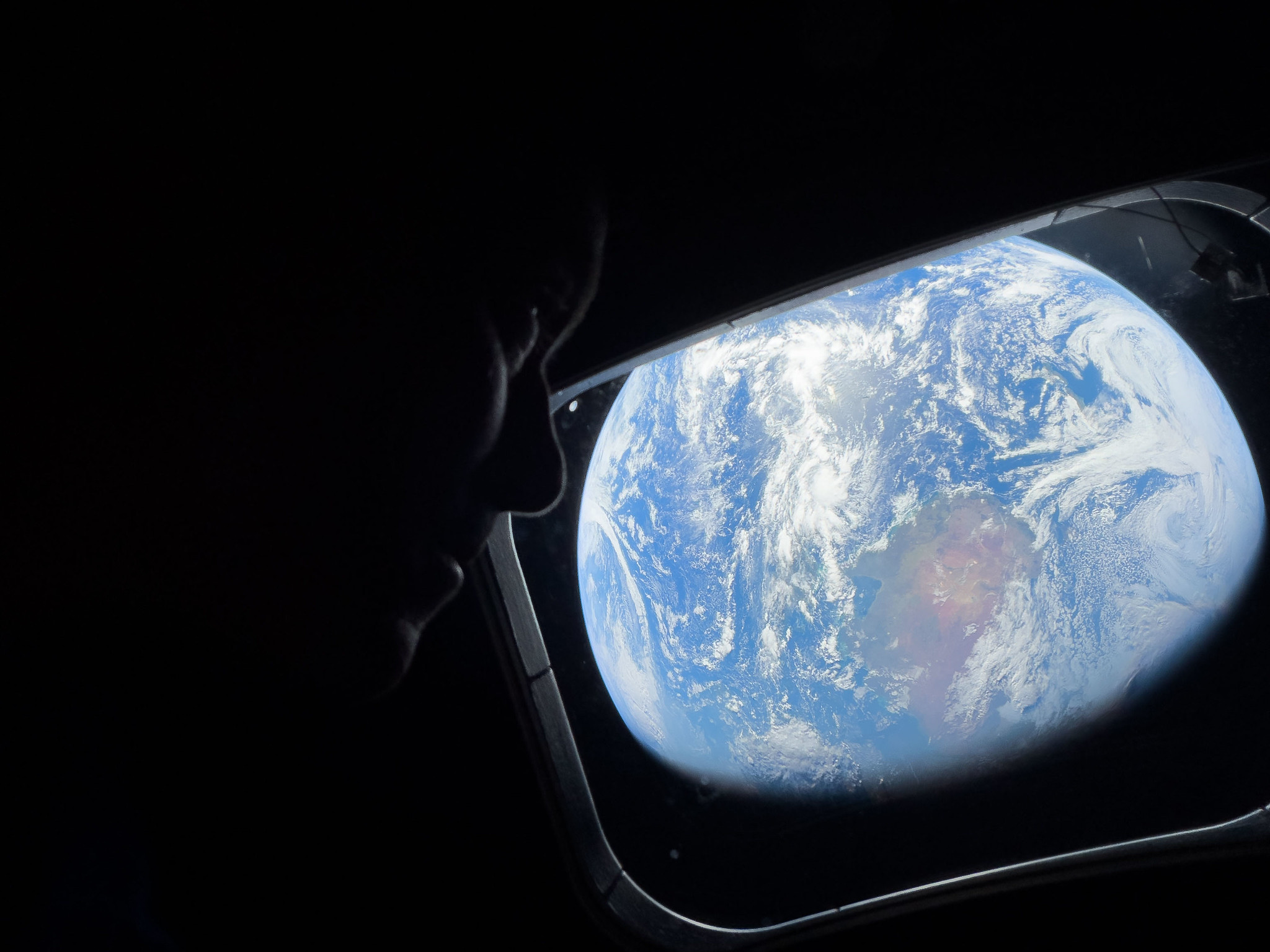 Shot on iPhone 17 Pro Max (Wiseman)
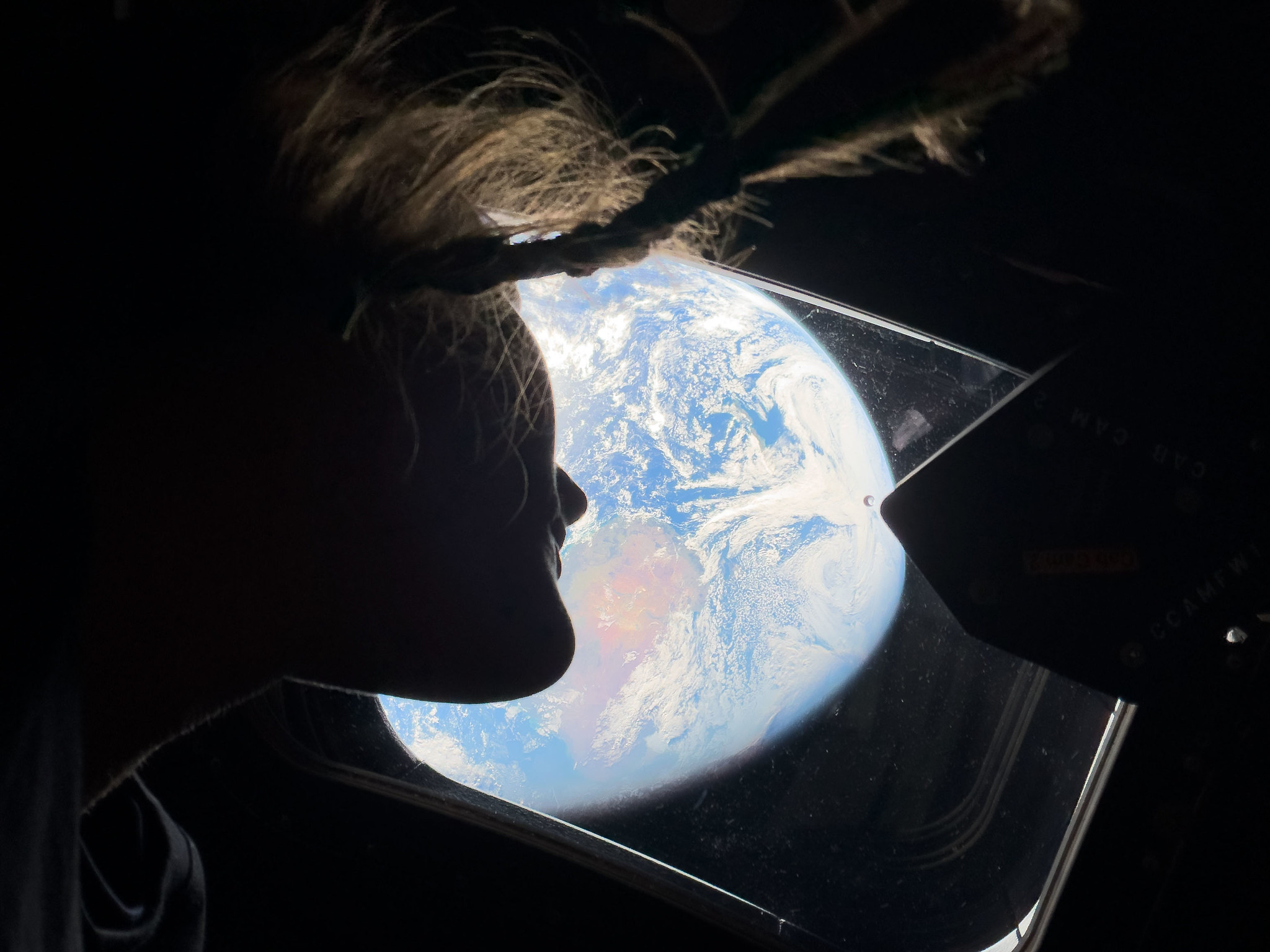 Shot on iPhone 17 Pro Max (Koch)
These images are more than just photographs; they are powerful symbols of human ingenuity and aspiration. They remind us that even as we reach for the stars, the ability to capture and share moments of profound personal significance remains a deeply human desire. The clarity, color fidelity, and overall quality of these iPhone images from deep space demonstrate that consumer technology has indeed reached a level of sophistication previously unimaginable, making it a viable and valuable tool even for the most ambitious missions.
Beyond the iPhone: A Spectrum of Space Photography Tools
While the iPhone 17 Pro Max garnered significant attention for its role in personal documentation, it's important to remember that space missions utilize a diverse array of photographic equipment tailored to various needs. The iPhone served a crucial, personal function, but for more specialized scientific and detailed imaging, other high-end cameras were also aboard the Orion spacecraft.
Indeed, most other photos from the mission shared so far were captured with professional-grade cameras. These included stalwarts of professional photography such as the Nikon D5 and Nikon Z 9, renowned for their exceptional image quality, robust construction, and versatility in challenging environments. Additionally, a GoPro HERO4 Black was also employed, likely for wide-angle, action-oriented footage, providing unique perspectives of the spacecraft and its internal operations.
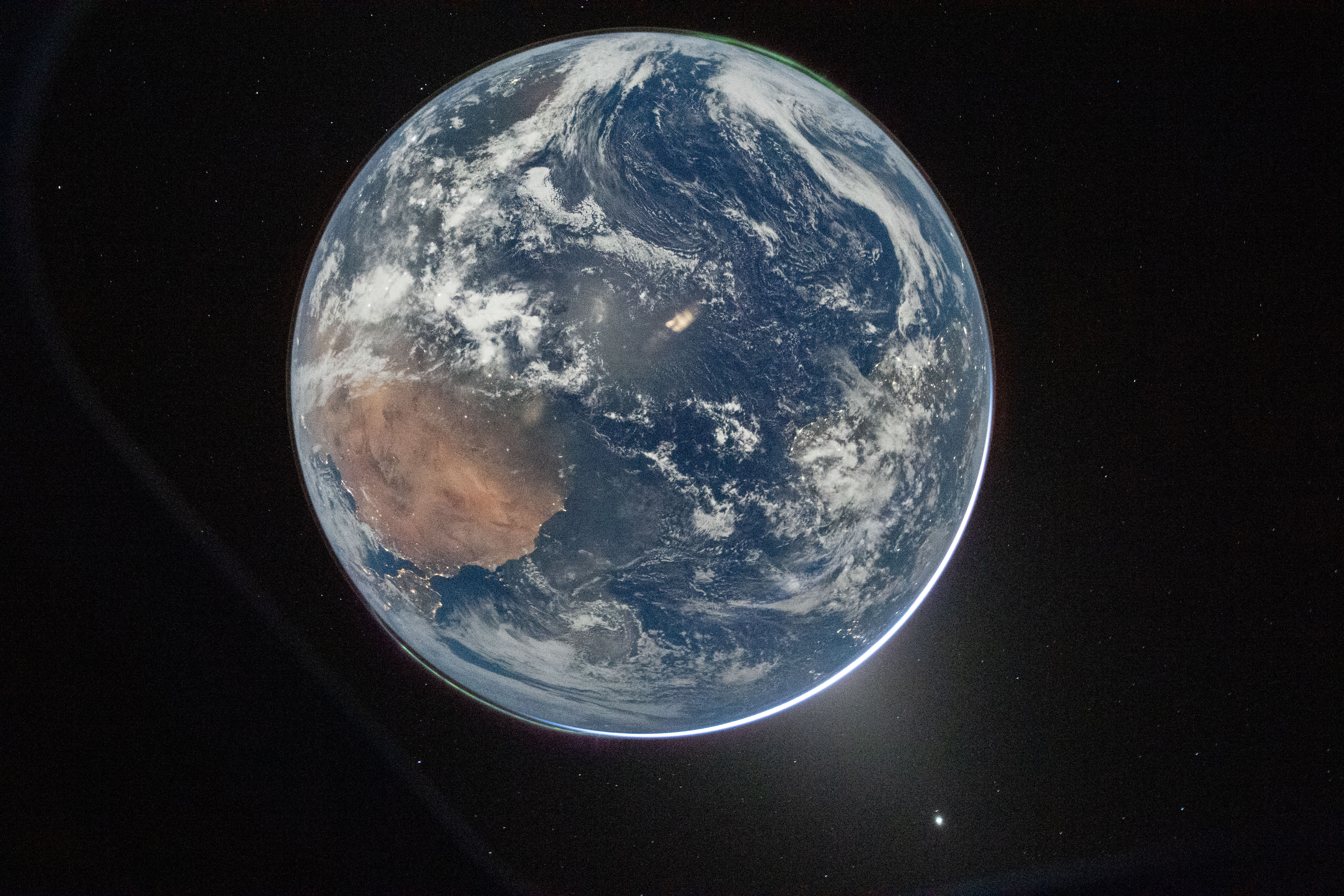 Shot on Nikon D5
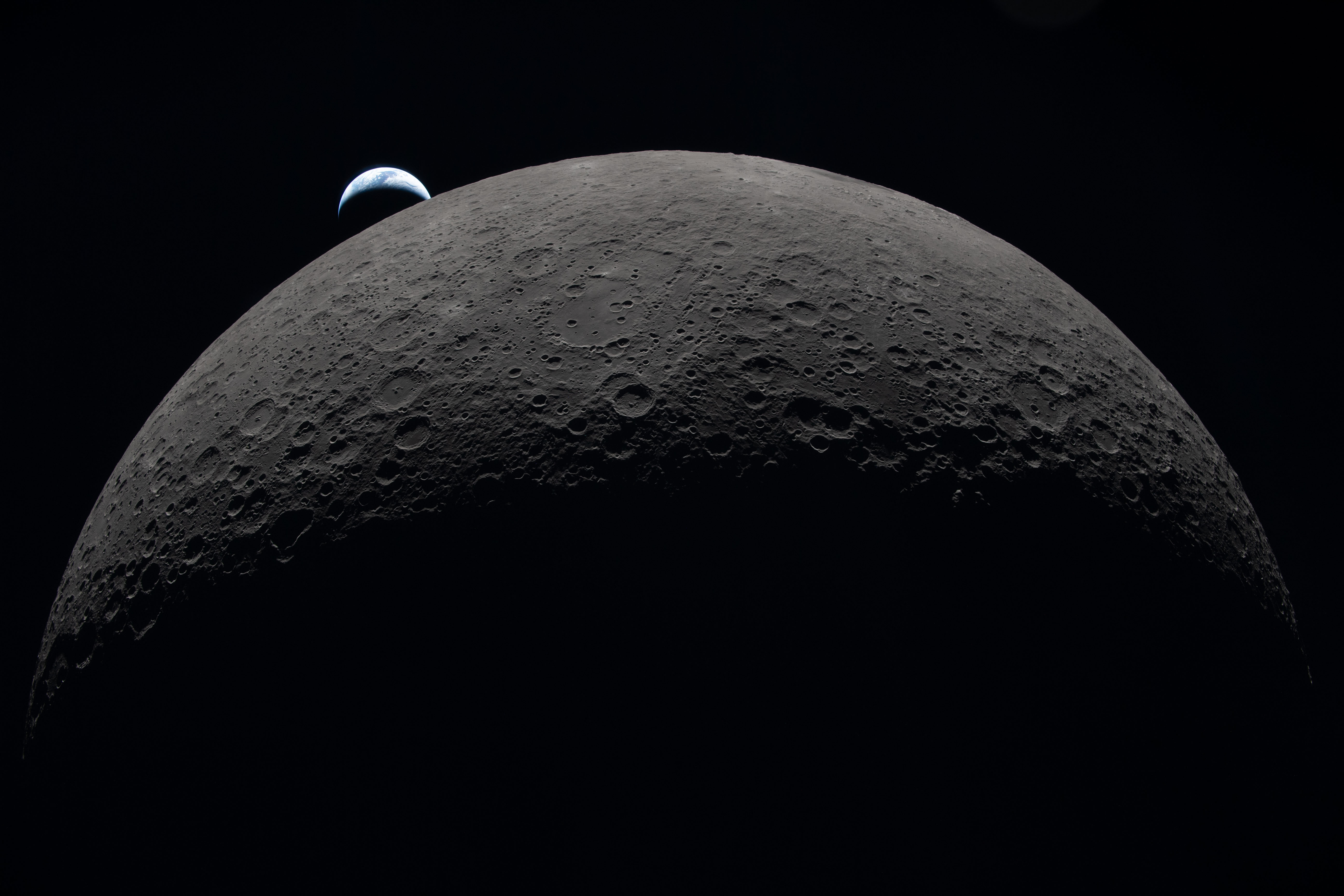 Shot on Nikon D5
The presence of multiple camera systems highlights a comprehensive approach to space photography. The Nikons, with their large sensors, interchangeable lenses, and manual controls, are ideal for capturing high-resolution scientific data, detailed observations of Earth and the Moon, and imagery suitable for scientific analysis and public outreach. The GoPro, known for its compact size and wide field of view, is excellent for capturing dynamic video and unique interior shots without occupying much space or requiring complex operation.
In this context, the iPhone 17 Pro Max served as the ultimate personal camera, blending high-quality imaging with unparalleled ease of use. It allowed the astronauts to quickly snap photos and videos, much like anyone would on Earth, but with the added layer of being in deep space. This differentiation underscores the iPhone's unique contribution: bridging the gap between highly specialized professional equipment and accessible, personal storytelling from the cosmos.
Apple's Space Odyssey: A History of Innovation and Inspiration
Apple's connection to space exploration is not entirely new, though the iPhone 17 Pro Max's role in Artemis II represents a significant new chapter. The company has long been associated with innovation, and its products often find their way into unique and challenging environments. The "Shot on iPhone" campaign, which showcases the incredible photographic capabilities of its devices through user-submitted content, now finds its most spectacular extension into the realm of deep space. This elevates the campaign to an entirely new level, demonstrating that the iPhone isn't just for capturing everyday moments, but also for documenting humanity's most extraordinary endeavors.
The public endorsements from Tim Cook and Greg Joswiak are more than just congratulatory messages. They are strategic acknowledgments of Apple's deep integration into critical technological frontiers. The phrase "think different," a core tenet of Apple's philosophy, is perfectly embodied by the iPhone's journey to the Moon. It challenges conventional notions of what a smartphone can achieve, reinforcing Apple's image as a company that continually pushes the boundaries of technology and design.
Moreover, the presence of the iPhone in space has significant marketing implications. It subtly, yet powerfully, demonstrates the robustness, reliability, and advanced capabilities of Apple's devices. If an iPhone can withstand the rigors of space travel and capture breathtaking images from the Moon, it certainly inspires confidence in its performance for everyday terrestrial use. This kind of real-world, extreme-environment validation is priceless for a tech company, positioning the iPhone not just as a consumer gadget, but as a piece of high-performance technology capable of extraordinary feats.
The Evolution of Space Photography: From Film to Smartphones
The history of space photography is a fascinating journey that mirrors the evolution of camera technology itself. In the early days of spaceflight, astronauts relied on modified film cameras, most famously Hasselblad cameras on the Apollo missions. These robust, precision-engineered devices were chosen for their reliability and image quality, carefully adapted to function in zero gravity and varying light conditions.
As technology advanced, digital cameras began to replace film, offering immediate feedback, greater storage capacity, and easier integration with digital communication systems. The shift was gradual but transformative, allowing for more prolific image capture and faster dissemination of photos from orbit. Today, space agencies like NASA continue to use highly specialized digital single-lens reflex (DSLR) and mirrorless cameras, often modified for space, alongside scientific instruments designed for specific spectral analysis or telescopic imaging.
The inclusion of the iPhone 17 Pro Max marks a new frontier in this evolution. It represents the "democratization" of space photography. While professional cameras are indispensable for scientific research, the iPhone brings the ability to capture high-quality, personal images into the hands of astronauts in a way that is intuitive and accessible. This not only enhances the crew's personal experience but also allows for more immediate and relatable sharing with the public, fostering a deeper connection to space exploration. It blurs the line between the cutting-edge technology of a space mission and the familiar device in millions of pockets around the world.
The Future of Technology in Space: Beyond Artemis II
The successful integration of the iPhone 17 Pro Max into the Artemis II mission has profound implications for the future of space exploration. It underscores a growing trend in the space industry: the increasing adoption of commercial off-the-shelf (COTS) technology. By qualifying and utilizing consumer-grade devices, NASA can potentially reduce costs, leverage readily available technology, and perhaps even accelerate the pace of innovation within space applications.
This approach isn't just about cost-saving; it's about reliability and redundancy. Modern smartphones are engineered for extreme durability and come packed with multiple sensors, powerful processors, and advanced communication capabilities. They undergo extensive testing for everyday use, which surprisingly translates well to some aspects of space qualification. As future missions to the Moon and Mars become longer and more complex, integrating familiar, highly capable personal devices could enhance crew morale, facilitate communication with Earth (especially for personal use), and serve as backup systems for certain functions.
Looking ahead, we can anticipate more commercial technology finding its way into space. This could include not only more advanced iterations of the iPhone but also other smart devices, wearable technology, and even augmented reality (AR) tools to assist astronauts with complex tasks. The "Shot on iPhone" campaign has now literally reached for the Moon, setting a precedent for how consumer technology can play a vital, inspiring role in humanity's most ambitious endeavors. The images captured by the Artemis II crew using their iPhones are more than just photographs; they are glimpses into a future where the line between our daily lives and the grand adventure of space exploration becomes increasingly blurred.
Conclusion: A New Era of Exploration, Shot on iPhone
The Artemis II mission stands as a monumental achievement in human spaceflight, a crucial step on our path back to the Moon and beyond. Its success is a testament to the dedication of the NASA teams and the incredible bravery of the astronauts. But woven into this grand narrative is a quieter, yet equally significant story: the role of the iPhone 17 Pro Max.
These devices didn't just passively travel to space; they actively participated in documenting humanity's farthest journey from Earth in half a century. The selfies captured by Commander Wiseman and Mission Specialist Koch, with our beautiful planet as their backdrop, represent a powerful fusion of human ambition and technological prowess. They are images that inspire, connecting us intimately to the vastness of space through a device that feels remarkably familiar.
Apple's enthusiastic acknowledgment, through the words of Tim Cook and Greg Joswiak, underscores the importance of this moment. It validates the "Shot on iPhone" philosophy on a cosmic scale, reminding us that extraordinary moments can be captured with extraordinary technology, even if that technology is in our pockets. As we look forward to Artemis III and the return of humans to the lunar surface, the legacy of Artemis II, and the iPhone's pioneering role, will undoubtedly continue to inspire a new generation to "think different" about what's possible, both on Earth and among the stars.
This article, "Apple Highlights Photos Shot on iPhone During NASA's Mission to Moon" first appeared on MacRumors.com
Discuss this article in our forums
from MacRumors
-via DynaSage
